

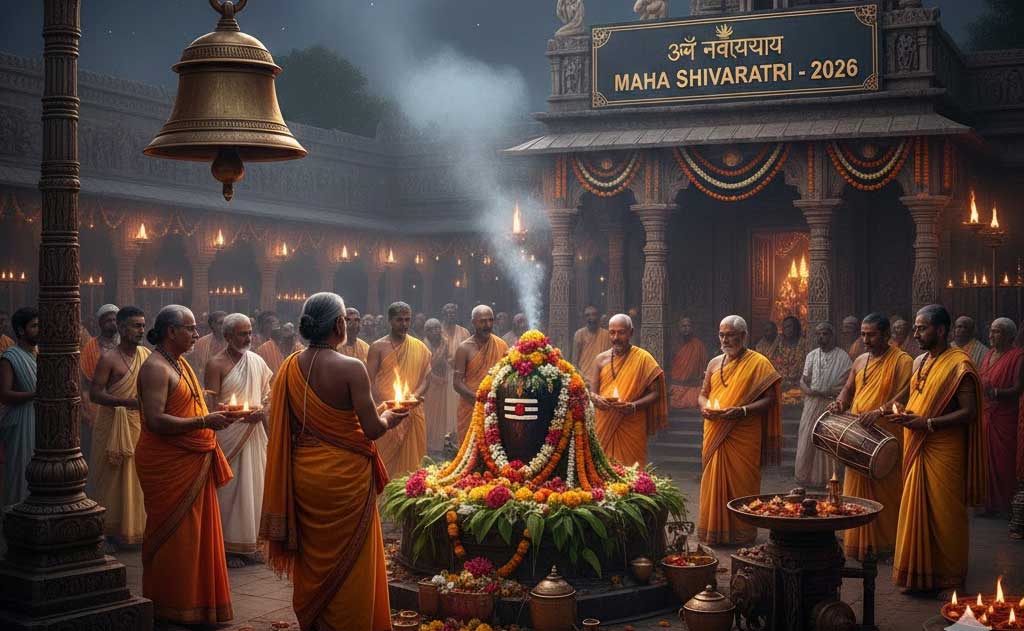

Maha Shivaratri Jagran 2026: How to Stay Awake All Night

Entering the Sacred Night: Shiva in Meditation Beneath the Stars
Close your eyes for a moment.
Imagine the vast Himalayan silence. Above, the sky is strewn with countless stars. Below, the snow-capped peaks glow softly in moonless darkness. At the center of this stillness sits Lord Shiva—eyes half-closed, body unmoving, breath steady, awareness infinite. Time itself pauses in reverence.
This is Maha Shivaratri—the Great Night of Shiva.
On this sacred night, devotees across the world choose jagran—the all-night vigil—not as an act of physical endurance, but as a spiritual offering. Staying awake is symbolic: it is the soul’s refusal to sleep in ignorance, the devotee’s determination to remain alert in awareness, devotion, and truth.
This devotional guide for www.hindutone.com is a humble lamp offered at Shiva’s feet—“Maha Shivaratri Jagran 2026: How to Stay Awake All Night”—written to gently guide you, step by step, through this sacred vigil with inspiration, authenticity, and compassion, firmly rooted in Shiva Purana, Skanda Purana, and Shaivite tradition.
Maha Shivaratri Jagran 2026: Date & Key Timings
Before we walk through the night, let us anchor ourselves in sacred time.
- Maha Shivaratri Date 2026: Sunday, 15 February 2026
- Night Vigil (Jagran): Sunset of Feb 15 to sunrise of Feb 16
- Nishita Kaal Puja (Hyderabad Time):
12:05 AM to 12:55 AM on Monday, 16 February 2026
Note: Timings may vary slightly based on location. Devotees are advised to follow local Panchang.
Four Prahars of the Night (Traditional Division)
According to Shiva Purana, the night of Shivaratri is divided into four prahars, each spiritually potent:
- First Prahar: Evening – Stability & grounding
- Second Prahar: Late night – Inner purification
- Third Prahar (Nishita Kaal): Midnight – Peak Shiva consciousness
- Fourth Prahar: Pre-dawn – Awakening & grace
Ideally, Shiva is worshipped in all four prahars, but even sincere awareness during part of the night brings merit.
Why Jagran Is Essential on Maha Shivaratri (Scriptural Significance)
The Shiva Purana clearly states:
“On the night of Shivaratri, one who remains awake in devotion is freed from sins accumulated over many lifetimes.”
Overcoming Tamas (Inertia & Ignorance)
In Shaivite philosophy, sleep represents tamas—darkness, inertia, unconscious living. Jagran is a conscious act of overcoming this state.
The Skanda Purana explains that:
- Staying awake symbolizes victory of awareness over ignorance
- Night-long vigil pleases Shiva more than lavish offerings
- Even simple chanting during jagran yields immense spiritual fruit
Jagran is not merely physical wakefulness—it is inner alertness.
Spiritual Meaning of Staying Awake All Night
Why does Shiva ask devotees to stay awake on this night?
Because Maha Shivaratri is believed to be:
- The night Shiva absorbed cosmic poison (Neelkantha)
- The night Shiva and Shakti united
- The night consciousness rose above darkness
When devotees stay awake, they align themselves with this cosmic awakening.
Jagran becomes a moving meditation.
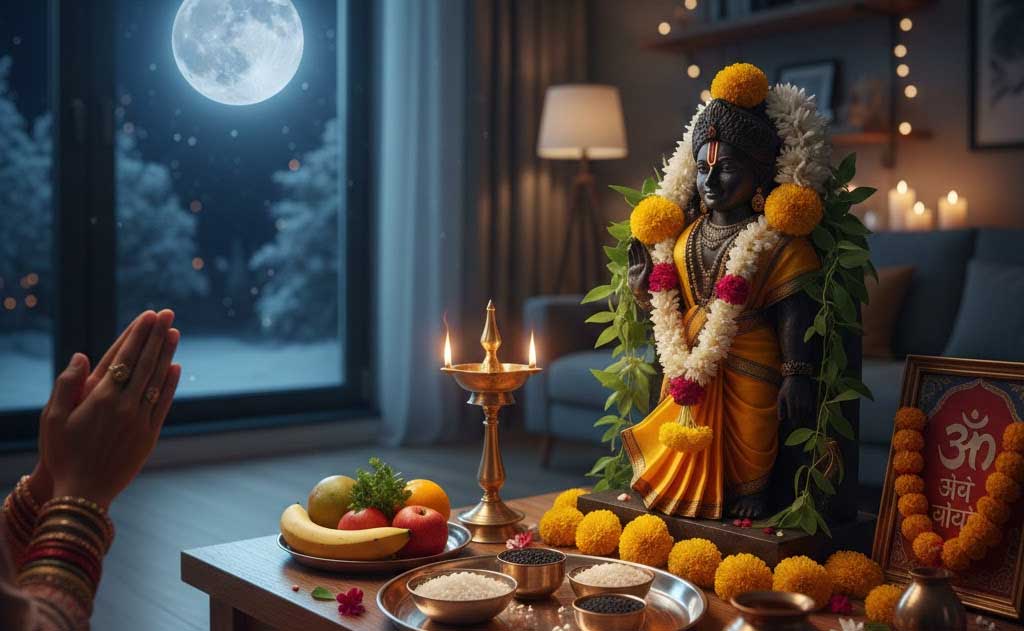
Preparing for Maha Shivaratri Jagran at Home
To successfully observe Maha Shivaratri jagran 2026, preparation is essential—not just externally, but internally.
1. Prepare the Home Space
- Clean the house, especially the puja area
- Place a Shiva Linga or image facing east or north
- Decorate with flowers, bilva leaves, lamps
- Keep incense, camphor, water, milk ready
A clean space supports a calm mind.
2. Prepare the Body
- Eat light sattvic food during the day
- Avoid heavy, oily, or spicy meals
- Stay hydrated if not observing nirjala vrat
- Rest briefly in the afternoon if possible
Remember: the body is a temple for jagran.
3. Prepare the Mind
- Set a clear sankalp (intention)
- Reduce phone usage and distractions
- Forgive, let go, and simplify thoughts
- Enter the night with humility, not pressure
Shiva responds to bhava, not bravado.
How to Do Shivaratri Jagran at Home (Step-by-Step)
You do not need a grand temple or loud gathering. Jagran can be deeply powerful even in a quiet home.
Evening (Before Sunset)
- Take bath
- Light lamp and incense
- Perform initial Shiva puja
- Begin chanting “Om Namah Shivaya”
First Prahar (Evening to Late Night)
Suggested Activities:
- Shiva bhajans (soft, rhythmic)
- Reading Shiva Purana stories
- Family or group chanting
- Silent japa with rudraksha
This prahar builds devotion and steadiness.
Second Prahar (Late Night)
As drowsiness begins, shift gently:
- Increase mantra repetition
- Sit upright
- Wash face with cool water
- Light fresh incense
The Skanda Purana recommends mantra japa during this phase to overcome lethargy.
Third Prahar – Nishita Kaal (Midnight)
This is the heart of Maha Shivaratri jagran.
Perform:
- Abhishekam (water, milk, panchamrita)
- Offer bilva leaves
- Chant Mahamrityunjaya Mantra
- Sit in silent meditation afterward
According to Shaiva texts, prayers offered at Nishita Kaal reach Shiva instantly.
Fourth Prahar (Pre-Dawn)
As night fades:
- Sing gentle bhajans
- Express gratitude
- Reflect on inner silence
- Prepare for morning aarti
This prahar symbolizes awakening into wisdom.
Jagran Tips for Maha Shivaratri (Practical & Safe)
Many devotees worry: “How will I stay awake all night?”
Here are trustworthy, traditional tips:
1. Keep the Body Light
- Fruits, milk, coconut water
- Avoid overeating
- No caffeine dependency—awareness matters more
2. Sit Upright
- Avoid lying down
- Use a firm cushion or mat
- Change posture occasionally
3. Group Jagran Helps
- Sing together
- Rotate chanting roles
- Narrate Shiva stories
Energy multiplies in sangha (community).
4. Engage the Mind
- Write Shiva mantras
- Listen to calm bhajans
- Read aloud sacred stories
An engaged mind resists sleep naturally.
Common Challenges During Jagran & Gentle Solutions
Drowsiness
- Wash face with cold water
- Chant aloud
- Walk slowly while chanting
Restlessness
- Slow breathing
- Sit near the puja lamp
- Focus on Shiva’s form
Physical Fatigue
- Accept limitations
- Sit quietly if needed
- Even mindful awareness counts as jagran
Shiva never demands force—only sincerity.
Benefits of Staying Awake on Shivaratri
According to Shiva Purana and Shaivite tradition, jagran offers:
Spiritual Benefits
- Destruction of accumulated karma
- Growth in devotion and awareness
- Protection from ignorance
- Movement toward moksha
Mental Benefits
- Calmness
- Emotional release
- Increased clarity
Inner Transformation
- Strengthened discipline
- Reduced ego
- Deepened surrender
Even partial jagran done with devotion is powerful.
Famous Maha Shivaratri Jagran Traditions
Across India, jagran is observed with deep reverence:
- Isha Foundation (Coimbatore): Night-long meditation & chanting
- Kashi Vishwanath: Continuous abhishekam
- Srisailam (Andhra–Telangana region): Massive devotee jagran
- Local Telangana Shiva temples: Bhajans, Rudrabhishekam, storytelling
Yet remember—the truest jagran is the one done within.
Jagran Is Not About Perfection
The Shiva Purana reminds us:
“Even if one stays awake for a short while with devotion, Shiva accepts it as complete.”
If your eyes close for a moment, do not despair.
If your mind wanders, gently return.
If your body weakens, sit in surrender.
Shiva is Karunamaya—the ocean of compassion.
A Heartfelt Prayer at Dawn
As dawn breaks and birds begin to sing, something within you will feel lighter. The night may have been long, but the silence you touched will linger.
Fold your hands. Close your eyes.
May Lord Shiva accept our imperfect jagran.
May He burn our ignorance gently.
May He awaken us—not just for one night, but for life.
Because staying awake on Maha Shivaratri is not about losing sleep—
It is about awakening the soul.
Let us bow in gratitude and chant together:
Har Har Mahadev
Om Namah Shivaya 
Related posts:
 Why Kavady Devotees Wear Yellow?
 Ugadi Resolutions 2025: Spiritual, Health, and Personal Growth
 Vaikuntha Ekadashi 2025 Canada: Full Guide to Fasting, Pooja, Vrat Katha & Devotion
 Vaikunta Ekadashi 2025 in Philadelphia: Temples, Events & Devotee Guide
 Makar Sankranti 2026: Date, Muhurat, Traditional Recipes, and Celebration Ideas for Hindus in China
 Pongal Celebrations in the UK 2026: Region & City Guide



 ︎
︎

