Mangala Gowri Vratam 2026: Dates, Significance and How It Is Observed
A warm, complete guide to Mangala Gowri Vratam 2026 — the Tuesday dates, the vratam’s significance, who traditionally observes (with the tradition described, not prescribed), the meaning of sixteen, and the regional traditions.
A warm, complete guide to Mangala Gowri Vratam 2026 — the Tuesday dates, the vratam’s significance, who traditionally observes (with the tradition described, not prescribed), the meaning of sixteen, and the regional traditions.
Quick answer: Mangala Gowri Vratam 2026 falls on the Tuesdays of Sravana — 18, 25 August and 1, 8 September (Amanta), or 4, 11, 18, 25 August (Purnimanta). Dedicated to Mangala Gauri (Parvati), it is traditionally observed by newly married women, though practice varies widely by family.
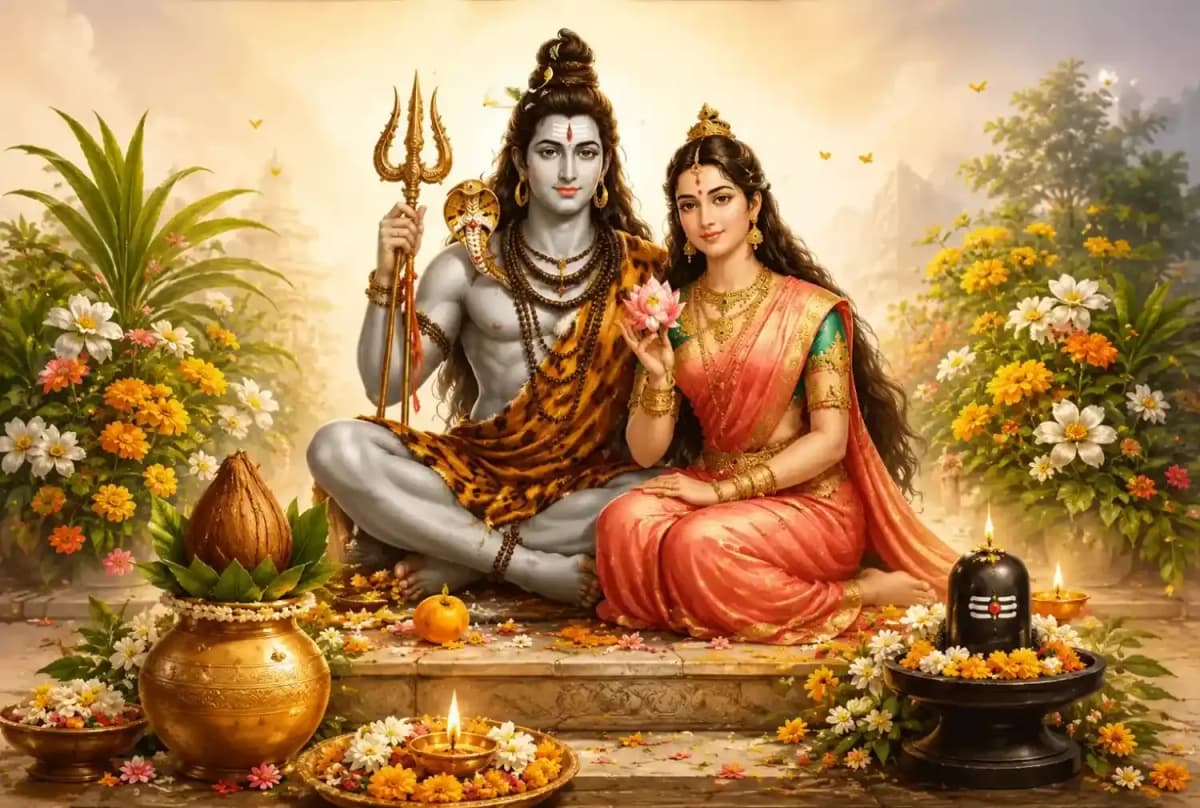
Mangala Gowri Vratam is a cherished Sravana observance dedicated to Mangala Gauri, a form of Goddess Parvati. It is warm, personal and, for many, a first-time experience. Here is a clear guide to the 2026 dates, its significance, and how it is observed across traditions.
The 2026 Tuesday dates
| Tradition | Sravana Tuesdays 2026 |
|---|---|
| Purnimanta (North India) — Sawan Mangalvar | 4, 11, 18, 25 August |
| Amanta (Telugu, Kannada, Marathi) — Sravana Mangalavaram | 18, 25 August, 1, 8 September |
For US puja timings and a video-call time-difference table, see the Mangala Gauri Vrat hub.
What the vratam is
Mangala Gauri Vratam honours Goddess Parvati as Mangala Gauri, the auspicious one. Devotees perform a Tuesday puja with a turmeric Gauri or an idol, offer sixteen of various items, light lamps, read the vrat katha, and share tamboolam with sumangalis (married women). The tradition describes an observance for the well-being of the family; it makes no guarantee of any outcome, and is kept in a spirit of devotion.
Who traditionally observes Mangala Gowri Vratam?
Mangala Gowri Vratam is traditionally described as an observance of newly married women, often through the first five years of marriage. That is the tradition’s description, not a rule about who may observe: practice varies widely by family and region, and many households observe more broadly. There is no single correct version, and no one who does not observe has done anything wrong.
The significance of sixteen
The number sixteen recurs throughout the vratam — sixteen items in the offering, sixteen wicks in the lamp, sixteen laddus or appalu, and the traditional five-year duration concluded by an udyapana. Sixteen is an auspicious number in the tradition, associated with completeness and the shodasha (sixteen) upacharas of formal worship; the sixteens are meaningful, not merely decorative.
The traditional day sequence
- Bathe and prepare a clean space, with a muggu (rangoli) where possible.
- Make or install the Gauri — many make a turmeric Gauri (pasupu Gauri).
- Perform the puja with the shodashopachara and the sixteen-item offerings.
- Light the lamps, read the vrat katha, and offer naivedyam.
- Perform aarti, and share tamboolam with sumangalis.
For the full step-by-step, see the Mangala Gowri Vratam puja vidhanam, and the sixteen-item samagri list.
Regional traditions
- Telugu — Mangala Gowri Nomu, with the turmeric Gauri and tamboolam.
- Kannada — Mangala Gauri Vrata, with the bagina offering to married women.
- Marathi — Mangalagaur, followed by a joyful night of khel (traditional games) and ukhane.
- North Indian — Mangala Gauri Vrat.
The five years and udyapana
The five-year duration and the concluding udyapana are traditional practice, not an obligation. Households observe them as their custom guides.
If you cannot observe a Tuesday
Tradition provides for this. Observing the next Tuesday, a shorter observance, temple sponsorship, or joint observance with others are all legitimate. There is no cause for worry — devotion and sincerity are what the tradition values.
Observing for the first time, far from family? Our first-time-in-the-USA guide is written especially for you.
Part of our Sravana Masam 2026 calendar and dates guide.
Frequently Asked Questions
What are the Mangala Gowri Vratam 2026 dates?
The Sravana Tuesdays: 18, 25 August and 1, 8 September (Amanta), or 4, 11, 18, 25 August (Purnimanta). Follow your family tradition.
Who traditionally observes the vratam?
Tradition describes it as an observance of newly married women, often in the first five years, but practice varies widely by family and region, and many observe more broadly. There is no single correct version.
Which goddess is Mangala Gowri Vratam dedicated to?
Mangala Gauri, a form of Goddess Parvati, honoured as the auspicious one for the well-being of the family.
Why is the number sixteen important?
Sixteen recurs throughout — sixteen items, wicks and laddus, and a five-year duration. Sixteen is an auspicious number associated with completeness and the shodasha upacharas of formal worship.
Does the vratam guarantee marital happiness or other outcomes?
No. The tradition describes an observance for family well-being and makes no guarantee of any outcome. It is kept in a spirit of devotion.
What if I cannot observe a particular Tuesday?
Tradition provides accommodations — observing the next Tuesday, a shorter observance, temple sponsorship or joint observance. There is no cause for worry.
Do I have to observe for five years?
The five-year duration and udyapana are traditional practice, not an obligation. Households observe as their custom guides.
What is the turmeric Gauri?
The turmeric Gauri (pasupu Gauri) is a small figure of the Goddess made from turmeric and water, worshipped when an idol is unavailable — practical anywhere, and traditionally accepted.