Importance of Phalguna Maas in Hinduism 2026
Importance of Phalguna Maas in Hinduism 2026: Why It's the Last Month, Spring Arrival & Devotion to Shiva-Vishnu Phalguna Maas 2026 Dates Phalguna Month 2026…
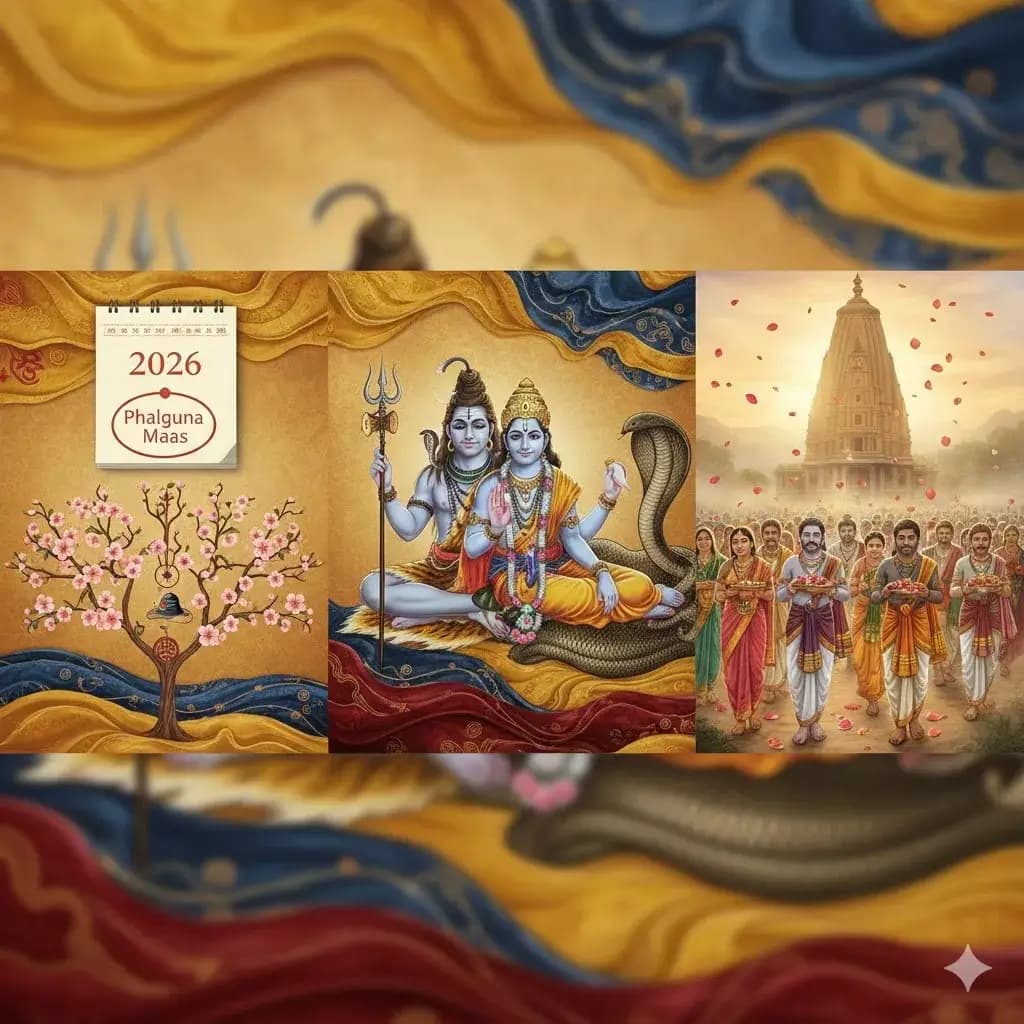
Importance of Phalguna Maas in Hinduism 2026: Why It's the Last Month, Spring Arrival & Devotion to Shiva-Vishnu Phalguna Maas 2026 Dates Phalguna Month 2026…
Importance of Phalguna Maas in Hinduism 2026: Why It's the Last Month, Spring Arrival & Devotion to Shiva-Vishnu
Phalguna Maas 2026 Dates
Phalguna Month 2026 spans from January 31, 2026 to March 1, 2026 (based on the lunar calendar).
Key Dates:
- Phalguna Krishna Paksha (Waning Phase): January 31 - February 14, 2026
- Phalguna Amavasya (New Moon): February 14, 2026
- Phalguna Shukla Paksha (Waxing Phase): February 15 - March 1, 2026
- Phalguna Purnima (Full Moon): March 1, 2026
Why Phalguna is the Last Month of the Hindu Year
Understanding the Hindu Calendar
In traditional Hindu calendar systems, particularly those following the Vikram Samvat and Shalivahana Shaka calendars prevalent in North India, Phalguna holds the distinction of being the twelfth and final month of the lunar year.
The Cycle of Completion
Phalguna as the Culmination:
- Represents the completion of the annual cycle
- Marks the transition from winter (Shishir Ritu) to spring (Vasant Ritu)
- Symbolizes the end of darkness and the arrival of light and renewal
- Prepares devotees spiritually for Chaitra, the first month of the new year
Regional Variations: While Phalguna is the last month in many North Indian calendars, some regional calendars like those in Gujarat, Maharashtra, and Karnataka begin their year with Chaitra. However, the spiritual significance of Phalguna as a transitional and concluding month remains consistent across traditions.
Symbolic Meaning
The positioning of Phalguna as the year's finale carries deep symbolism:
- Purification: Time to cleanse negativity accumulated over the year
- Reflection: Period for introspection and spiritual accounting
- Preparation: Readying oneself for the fresh beginnings of Chaitra
- Completion: Fulfilling pending religious obligations and vratas
Spring Arrival and Natural Transformation
Vasant Ritu: The Season of Blossoming
Phalguna coincides with Vasant (Spring), the most celebrated season in Hindu culture, representing:
1. Nature's Awakening
- Trees burst into bloom with vibrant flowers
- Mango blossoms (considered sacred) fill the air with fragrance
- Fields turn golden with ripening wheat and mustard crops
- Pleasant weather after the cold winter months
2. Agricultural Abundance
- Harvest of Rabi crops begins
- Farmers celebrate the fruits of their labor
- Gratitude to nature and divine forces for prosperity
- Festivals like Holi celebrate this agricultural bounty
3. Spiritual Rejuvenation
- Nature's renewal mirrors inner spiritual transformation
- Increased energy and vitality inspire devotional practices
- Pleasant climate facilitates outdoor religious gatherings
- Symbolic connection between external blossoming and internal spiritual growth
Vasant Panchami Connection
Though Vasant Panchami typically falls in Magha month, the spring season reaches its peak beauty during Phalguna, making this month the true celebration of spring's glory.
Devotion to Lord Shiva During Phalguna
Maha Shivaratri: The Great Night of Shiva
The most significant Shiva festival, Maha Shivaratri, falls during Phalguna Krishna Paksha (the dark fortnight).
Maha Shivaratri 2026: February 13-14, 2026 (Phalguna Krishna Chaturdashi)
Significance of Shiva Worship in Phalguna
1. The Night of Divine Union Maha Shivaratri commemorates:
- The celestial marriage of Shiva and Parvati
- The cosmic dance (Tandava) of Lord Shiva
- The moment when Shiva saved the world by drinking poison during Samudra Manthan
- The manifestation of Shiva as the infinite pillar of light (Jyotirlinga)
2. Shivaratri Observances
Devotees observe strict spiritual discipline:
- Fasting: Complete abstinence from food and water (or consuming only fruits and milk)
- Night Vigil: Staying awake throughout the night in devotion
- Abhishekam: Bathing the Shiva Linga with milk, honey, ghee, yogurt, and water
- Bilva Leaves: Offering sacred bel patra (wood apple leaves) to Shiva
- Chanting: Reciting "Om Namah Shivaya" and other Shiva mantras
- Rudra Abhishek: Elaborate ritualistic worship with Vedic chants
3. Spiritual Benefits
Worshipping Shiva during Phalguna, especially on Shivaratri:
- Destroys sins and negative karma
- Grants moksha (liberation) and spiritual enlightenment
- Removes obstacles and brings divine grace
- Awakens kundalini energy and inner consciousness
- Bestows strength to overcome ego and attachments
Daily Shiva Worship in Phalguna
Beyond Shivaratri, the entire month is considered auspicious for Shiva devotion:
- Morning prayers at Shiva temples
- Recitation of Shiva Chalisa and Shiva Purana
- Meditation on Shiva's formless aspect
- Observing Pradosh Vrata (fasting on 13th lunar day)
Devotion to Lord Vishnu During Phalguna
Holika Dahan and the Prahlad Legend
The famous story of Prahlad, the devoted child-devotee of Vishnu, reaches its climax on Phalguna Purnima with Holika Dahan.
The Sacred Narrative:
- Young Prahlad's unwavering devotion to Vishnu despite his father's opposition
- Lord Vishnu's appearance as Narasimha (half-man, half-lion) to protect Prahlad
- The destruction of evil (Holika) through divine intervention
- Victory of bhakti (devotion) over worldly power
Vishnu Worship Traditions
1. Daily Vishnu Puja Devotees increase their Vishnu worship during Phalguna through:
- Reading and reciting Vishnu Sahasranama (1000 names of Vishnu)
- Chanting the Vishnu Gayatri mantra
- Observing Ekadashi fasts (two in Phalguna month)
- Offering tulsi leaves, which are especially dear to Vishnu
2. Phalguna Ekadashis
Two important Ekadashis fall in Phalguna:
- Vijaya Ekadashi (Phalguna Krishna Ekadashi): Observed for success and victory
- Amalaki Ekadashi (Phalguna Shukla Ekadashi): Sacred to both Vishnu and the Amla tree
3. Temple Celebrations Major Vishnu temples conduct special festivities:
- Elaborate abhishekams of Vishnu deities
- Recitation of Vishnu Purana and Bhagavata Purana
- Cultural programs depicting Krishna and Rama Lilas
- Distribution of prasadam to devotees
Lakshmi-Narayana Worship
Since Phalguna Purnima marks Lakshmi Jayanti (Goddess Lakshmi's appearance), devotees worship the divine couple Lakshmi-Narayana together for:
- Material and spiritual prosperity
- Harmony in family life
- Balance between worldly duties and spiritual goals
- Complete well-being and divine grace
Shiva-Vishnu: The Unity of Divine Forces
Harihara: The Combined Form
Phalguna month beautifully demonstrates the complementary nature of Shiva and Vishnu worship in Hindu tradition.
Philosophical Unity:
- Shiva: Represents dissolution, transcendence, and the path of renunciation
- Vishnu: Represents preservation, worldly engagement, and righteous living
- Together: Complete the cycle of creation, preservation, and dissolution
Devotional Harmony
Devotees often worship both deities during Phalguna:
- Morning prayers to Surya, Vishnu, and Shiva
- Understanding that both are manifestations of the same Supreme Reality
- Embracing both ascetic discipline (Shiva) and devotional love (Vishnu)
- Recognizing the non-dual nature of divinity
Major Festivals and Observances in Phalguna 2026
1. Maha Shivaratri (February 13-14, 2026)
The premier Shiva festival with night-long vigil and worship.
2. Holika Dahan (March 1, 2026)
Bonfire ritual commemorating the victory of devotion and marking Phalguna Purnima.
3. Holi/Dhulandi (March 2, 2026)
Joyous celebration of colors following Phalguna Purnima.
4. Vijaya Ekadashi (February 9, 2026)
Fasting dedicated to Lord Vishnu for success and removing obstacles.
5. Amalaki Ekadashi (February 24, 2026)
Worship of Vishnu and the sacred Amla tree.
6. Lakshmi Jayanti (March 1, 2026)
Celebrating the birth of Goddess Lakshmi on Phalguna Purnima.
Spiritual Practices for Phalguna Maas
Recommended Observances
1. Daily Sadhana
- Early morning meditation and prayer
- Reading sacred texts (Bhagavad Gita, Shiva Purana, Ramayana)
- Chanting mantras specific to Shiva and Vishnu
- Evening aarti and devotional singing
2. Fasting and Dietary Discipline
- Ekadashi fasts (two in the month)
- Shivaratri complete fast
- Sattvic (pure) vegetarian diet throughout
- Avoiding tamasic foods (onion, garlic, meat, alcohol)
3. Charitable Acts
- Feeding the poor and needy
- Donating to temples and spiritual causes
- Supporting Vedic scholars and sadhus
- Anna Daan (food distribution)
4. Pilgrimages
- Visiting Jyotirlinga shrines for Shiva devotees
- Darshan at Vishnu temples and Char Dhams
- Holy dips in sacred rivers, especially on Purnima
5. Community Worship
- Participating in group bhajans and kirtans
- Attending temple festivals and celebrations
- Organizing or joining Holi festivities
- Sharing spiritual knowledge with others
Astrological Significance
Planetary Influences
Sun's Position:
- Sun moves through Aquarius (Kumbha) and enters Pisces (Meena) during Phalguna
- Transition from Saturn's sign to Jupiter's sign
- Shift from air element to water element
- Symbolizes movement from intellectual pursuits to spiritual intuition
Moon's Power:
- Phalguna Purnima moon is particularly bright and auspicious
- Beneficial for mental peace and emotional healing
- Ideal time for moon-related remedies and Chandra mantras
Cultural and Social Importance
Community Bonding
Phalguna brings communities together through:
- Holika Dahan bonfires in neighborhoods
- Holi celebrations breaking social barriers
- Temple gatherings for Shivaratri
- Collective prayers and cultural programs
Arts and Literature
The month inspires:
- Devotional poetry and songs dedicated to spring
- Classical music and dance performances
- Dramatic presentations of Prahlad's story
- Celebration of beauty in nature and divinity
Regional Celebrations
North India
- Grand Shivaratri celebrations in Varanasi, Haridwar, and Ujjain
- Elaborate Holi festivities in Mathura, Vrindavan, and Barsana
- Structured temple rituals and community feasts
South India
- Focus on temple festivals and classical music concerts
- Lakshmi puja on Purnima
- Spring harvest thanksgiving ceremonies
East India
- Shakti worship alongside Shiva devotion
- Folk songs celebrating spring
- Community Holi with traditional colors
West India
- Holika Dahan with regional variations
- Special offerings at Krishna temples
- Cultural programs and folk dances
Conclusion: The Sacred Transition
Phalguna Maas 2026 stands as a powerful bridge between endings and new beginnings, darkness and light, winter and spring. As the final month of the Hindu year, it calls devotees to:
- Complete the spiritual journey of the passing year with devotion
- Purify themselves through fasting, prayer, and righteous living
- Honor both Shiva and Vishnu as complementary aspects of the Divine
- Celebrate nature's renewal and align with cosmic rhythms
- Prepare their hearts for the fresh spiritual opportunities of Chaitra
Whether through the ascetic intensity of Shivaratri, the devotional fervor of Prahlad's story, or the joyous celebration of Holi, Phalguna offers multiple pathways to connect with the Divine. It reminds us that spiritual life embraces both discipline and celebration, renunciation and engagement, the formless absolute and the loving personal deity.
May Phalguna Maas 2026 bring spiritual awakening, divine blessings, and the eternal joy of devotion to all seekers!
For more insights into Hindu festivals, sacred months, and spiritual practices, visit www.hindutone.com
Frequently Asked Questions
When is Importance of Phalguna Maas in Hinduism 2026?
Importance of Phalguna Maas in Hinduism 2026 falls on January 31, 2026.
What is the significance of Importance of Phalguna Maas in Hinduism?
Importance of Phalguna Maas in Hinduism 2026: Why It's the Last Month, Spring Arrival & Devotion to Shiva -Vishnu Phalguna Maas 2026 Dates Phalguna Month 2026 spans from January 31, 2026 to March 1, 2026 (based on the lunar calendar). Key Dates: Phalguna Krishna Paksha (Waning Phase): January 31 - February 14, 2026 Phalguna Amavasya (New Moon): February 14,
How is Importance of Phalguna Maas in Hinduism celebrated?
Devotees observe it with puja, fasting or special offerings, visiting temples, chanting mantras, and gathering with family. Customs vary by region and tradition.
What should devotees do on Importance of Phalguna Maas in Hinduism?
Take a sacred bath, perform the day's puja and charity (dana), observe any prescribed fast, and chant mantras with sincere devotion.
You might also like
Shani Deva Temples Worldwide & Must-Performed Rituals — Complete Devotee's Guide
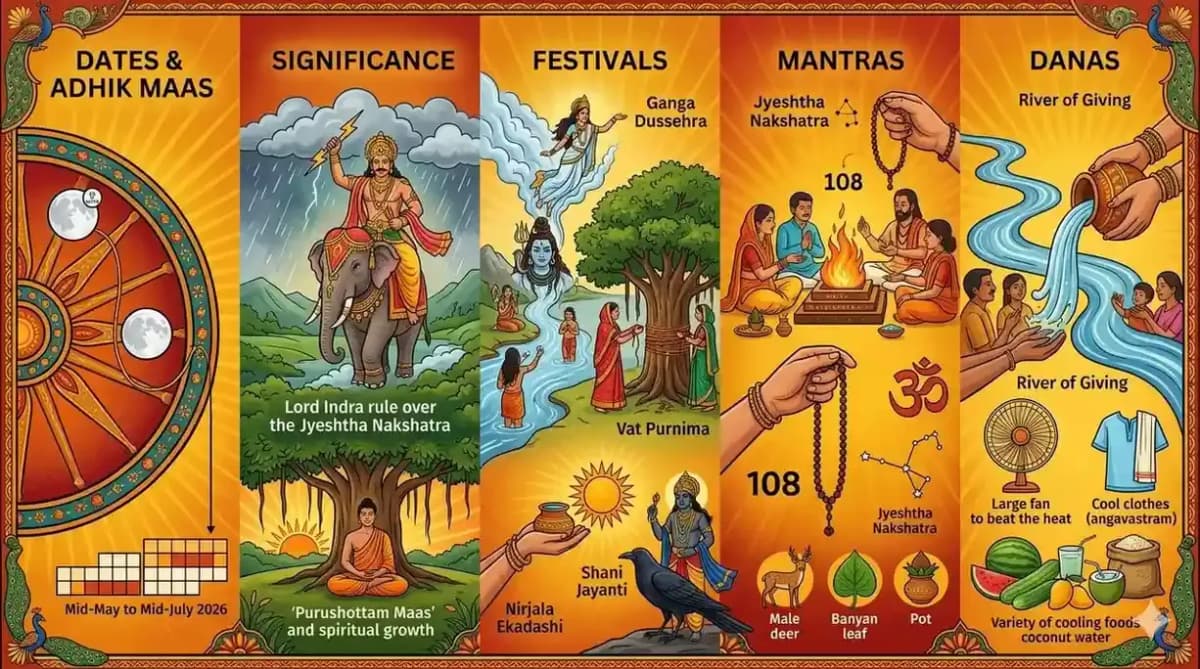
June 2026 Hindu Festival Calendar — Complete Dates, Vrat & Puja Guide for NRIs
Gayatri Jayanti 2026: Date, Gayatri Mantra, Puja Vidhi & Significance