Sri Rama Navami 2026 Recipes: Sacred Naivedyam & Vrat Food Guide | HinduTone
Sri Rama Navami 2026 Recipes: Complete Guide to Naivedyam, Prasadam & Vrat Food Jai Shri Ram!
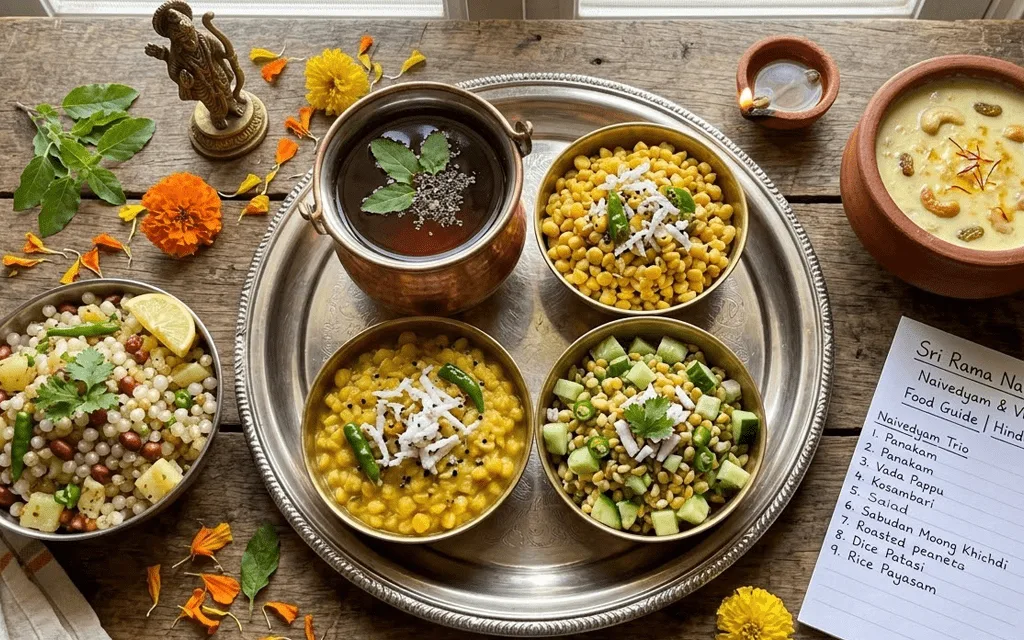
Sri Rama Navami 2026 Recipes: Complete Guide to Naivedyam, Prasadam & Vrat Food Jai Shri Ram!
Sri Rama Navami 2026 Recipes: Complete Guide to Naivedyam, Prasadam & Vrat Food
Jai Shri Ram! Sri Rama Navami is one of the holiest festivals in the Hindu calendar, celebrating the divine birth of Lord Sri Ramachandra — the seventh avatar of Lord Vishnu. On this sacred day, devotees across India prepare special dishes as Naivedyam (divine offerings), cook vrat-friendly meals during the fast, and distribute prasadam to family, friends, and the community.
Food prepared on Rama Navami holds deep spiritual significance. It is cooked with pure intent, offered to the Lord first, and only then consumed as blessed prasadam. The flavours are simple, sattvic, and cooling — perfectly suited for the warm Chaitra (March–April) season.
In this complete recipe guide, HinduTone brings you the 5 most essential Sri Rama Navami recipes — from the iconic Naivedyam trio to beloved fasting foods and sweet prasadam. Each recipe includes step-by-step instructions, tips, and serving guidance.
The Sacred Naivedyam Trio of Rama Navami
No Sri Rama Navami celebration is complete without the three inseparable Naivedyam offerings:
- Panakam – Jaggery lemon spiced drink
- Vada Pappu – Soaked chana dal with coconut
- Kosambari – Moong dal and cucumber salad
These three dishes are prepared together, offered to Lord Rama at the puja altar during Madhyahna (midday) puja, and then distributed as prasadam. This tradition is most prominently observed in Andhra Pradesh, Telangana, Karnataka, and Tamil Nadu, and is also gaining widespread practice across North India.
Recipe 1: Panakam (Jaggery Lemon Drink) – The Most Sacred Rama Navami Offering
Prep Time: 10 minutes | Cook Time: None | Servings: 4 | Type: Naivedyam / Prasadam Drink
Panakam is the most beloved and iconic offering of Sri Rama Navami. This cooling, naturally sweetened drink made with jaggery, lemon, dry ginger, and black pepper is offered to Lord Rama at midday and distributed to all devotees. It is refreshing, medicinal, and deeply sattvic — a perfect offering for the summer season.
Ingredients
Method
Step 1 – Dissolve the Jaggery
Add the grated jaggery to cold water and stir well until it dissolves completely. Strain the mixture through a fine sieve or a muslin cloth to remove any impurities or grit from the jaggery.
Step 2 – Add the Spices
To the strained jaggery water, add dry ginger powder, cardamom powder, black pepper powder, and the tiny pinch of edible camphor (pachha karpooram). Stir thoroughly to blend all the spices evenly into the drink.
Step 3 – Add Lemon Juice and Tulsi
Squeeze in the fresh lemon juice and add the tulsi leaves. Give it a gentle stir. Taste and adjust sweetness or tanginess as required.
Step 4 – Offer and Serve
Serve chilled or at room temperature. Always offer to Lord Rama as Naivedyam first, before tasting or distributing to others.
Tips & Notes
- Panakam must always be prepared fresh on the day of Rama Navami and offered without tasting beforehand.
- The combination of jaggery, ginger, and pepper makes Panakam a powerful digestive and cooling agent — ideal for the hot Chaitra season.
- Edible camphor (not regular camphor) is optional but adds a divine aroma.
- Never use refined sugar as a substitute for jaggery — the use of jaggery is traditional and spiritually significant.
Recipe 2: Vada Pappu (Soaked Chana Dal) – The Simplest Naivedyam
Prep Time: 5 minutes | Soaking Time: 2–3 hours | Cook Time: 5 minutes | Servings: 4 | Type: Naivedyam / Prasadam
Vada Pappu is the second pillar of the Rama Navami Naivedyam trio. It is beautifully simple — raw chana dal (Bengal gram) soaked until soft, then mixed with grated coconut, green chillies, ginger, and a light tempering of mustard seeds and curry leaves. Its simplicity symbolises purity of offering and is particularly beloved in Andhra Pradesh and Telangana households.
Ingredients
Method
Step 1 – Soak the Dal
Wash the chana dal thoroughly under running water until the water runs clear. Soak in enough water for 2–3 hours. The dal should become soft but retain a slight bite — it should not be mushy. Drain completely.
Step 2 – Mix the Ingredients
In a mixing bowl, combine the soaked and drained chana dal with grated coconut, chopped green chillies, grated ginger, and a pinch of salt. Mix well to combine.
Step 3 – Prepare the Tempering
Heat ghee or coconut oil in a small pan. Add mustard seeds and wait for them to splutter. Then add curry leaves and sauté for 10 seconds until fragrant.
Step 4 – Combine and Finish
Pour the hot tempering over the dal mixture. Add lemon juice and fresh coriander leaves. Toss gently to coat everything evenly.
Step 5 – Offer as Naivedyam
Transfer to a clean, dry bowl and offer to Lord Rama as prasadam before distributing to devotees.
Tips & Notes
- Many temples offer Vada Pappu without salt — skip it for a stricter Naivedyam version.
- You can also skip the tempering entirely for a completely raw, uncooked offering.
- The soaking time is important: under-soaked dal is too hard, over-soaked becomes soggy.
- This recipe is naturally vegan and gluten-free.
Recipe 3: Kosambari (Moong Dal & Cucumber Salad) – The Cooling Naivedyam
Prep Time: 10 minutes | Soaking Time: 1–2 hours | Cook Time: 2 minutes | Servings: 4 | Type: Naivedyam / Prasadam
Kosambari completes the sacred Naivedyam trio. This refreshing raw salad of soaked green moong dal, diced cucumber, and grated coconut dressed with a simple mustard tempering is one of the most wholesome offerings of the festival. It is especially popular in Karnataka, Tamil Nadu, and Andhra Pradesh and is enjoyed for its cooling, hydrating properties during the warm season.
Ingredients
Method
Step 1 – Soak the Moong Dal
Wash the green moong dal and soak in water for 1–2 hours. Drain completely. The dal should be soft enough to eat raw but should still hold its shape.
Step 2 – Prepare the Cucumber
Peel and finely dice the cucumber. Squeeze out any excess moisture with your hands or a clean cloth — this keeps the kosambari fresh and prevents it from turning watery.
Step 3 – Mix the Salad
In a bowl, combine the drained moong dal, diced cucumber, grated coconut, chopped green chillies, grated ginger, and a pinch of salt. Toss gently to mix everything together.
Step 4 – Temper
Heat coconut oil or ghee in a small pan. Add mustard seeds and wait for them to splutter. Add curry leaves and fry for 10 seconds. Immediately pour this tempering over the salad.
Step 5 – Finish and Serve
Add the lemon juice and garnish with fresh coriander leaves. Toss well. Taste and adjust lemon and salt. Offer as Naivedyam to Lord Rama and then distribute as prasadam.
Tips & Notes
- Kosambari can also be made with yellow moong dal — soak for only 30 minutes in that case.
- Raw mango can replace cucumber for a tangier, more festive version popular in Tamil Nadu.
- This dish is completely gluten-free, vegan, and ideal for fasting.
- Never skip the mustard tempering — it balances the raw flavours of the dal beautifully.
Recipe 4: Sabudana Khichdi – Hearty Rama Navami Vrat Meal
Prep Time: 10 minutes | Soaking Time: 4–6 hours (or overnight) | Cook Time: 15 minutes | Servings: 4 | Type: Vrat / Fasting Meal
When devotees observe the Rama Navami Vrat (fast), they need nourishing, grain-free meals to sustain their energy through the day. Sabudana Khichdi — made from tapioca pearls (sabudana), crushed peanuts, boiled potatoes, and mild spices — is the most beloved fasting food across India. It is filling, flavourful, and entirely permissible during Hindu fasts.
Ingredients
Method
Step 1 – Soak the Sabudana
Wash the sabudana 2–3 times until the water runs clear. Soak in just enough water to cover (about 1 cup) for at least 4–6 hours or overnight. When properly soaked, the pearls will be soft, plump, and non-sticky. Press one between your fingers — it should mash easily without any hard centre.
Step 2 – Mix with Peanuts
Drain any excess water from the soaked sabudana. Add the coarsely crushed roasted peanuts, rock salt, and sugar. Toss well to ensure each pearl is coated. This prevents the pearls from clumping together during cooking.
Step 3 – Heat Ghee and Temper
Heat ghee in a heavy-bottomed or non-stick pan on medium heat. Add cumin seeds and let them splutter. Add the green chillies and sauté for 30 seconds.
Step 4 – Add the Potatoes
Add the boiled, diced potatoes and stir-fry on medium-high heat for 2–3 minutes until they turn lightly golden at the edges.
Step 5 – Cook the Sabudana
Add the sabudana-peanut mixture to the pan. Cook on medium heat, stirring gently, for 4–5 minutes until the pearls turn translucent — that is the sign they are fully cooked. Avoid over-stirring as the pearls can break and become sticky.
Step 6 – Finish and Serve
Turn off the heat. Squeeze in fresh lemon juice and garnish with coriander leaves. Serve hot as a fasting meal.
Tips & Notes
- Always use sendha namak (rock salt) during Hindu fasts — regular table salt is not permitted.
- Proper soaking is the most important step: too little water makes pearls chewy; too much makes them sticky and clumpy.
- For best results, soak overnight in the refrigerator with just enough water to cover the pearls by 1 cm.
- This recipe is naturally gluten-free and grain-free, making it perfect for all fasting traditions.
Recipe 5: Rice Payasam (Kheer) – Rama Navami Sweet Prasadam
Prep Time: 15 minutes | Cook Time: 35 minutes | Servings: 4 | Type: Sweet Prasadam / Naivedyam Dessert
No Rama Navami celebration is complete without a rich, creamy sweet offering. Rice Payasam (also known as Bellam Payasam or Kheer) made with rice, full-fat milk, and jaggery is a beloved prasadam prepared in homes and temples across India on this auspicious day. Infused with cardamom, saffron, cashews, and raisins, this divine pudding fills the home with a heavenly aroma and warmth.
Ingredients
Method
Step 1 – Soak Rice and Saffron
Wash the rice and soak in water for 20–30 minutes. Drain well. Separately, soak the saffron strands in 2 tbsp of warm milk and set aside. The saffron will release its golden colour and aroma within a few minutes.
Step 2 – Roast Rice in Ghee
Heat 1 tbsp of ghee in a heavy-bottomed pan. Add the drained rice and roast on low heat for 2 minutes, stirring continuously, until it smells fragrant and nutty. This step enhances the depth of flavour of the final payasam.
Step 3 – Cook Rice in Milk
Pour the full-fat milk into the pan with the roasted rice. Bring to a boil, then reduce to a low simmer. Cook for 20–25 minutes, stirring frequently to prevent the milk from sticking to the bottom, until the rice is completely cooked and the milk has thickened to a rich, creamy consistency.
Step 4 – Add Jaggery and Saffron
Turn off the flame completely and allow the payasam to cool slightly for 2 minutes. Add the grated jaggery and the saffron-milk mixture. Stir well until the jaggery dissolves fully. Do not boil the payasam after adding jaggery — the heat of the residual milk is sufficient to melt it, and boiling can cause the milk to curdle.
Step 5 – Add Cardamom
Stir in the cardamom powder and mix well to distribute the fragrance evenly throughout the payasam.
Step 6 – Fry and Add Dry Fruits
Heat the remaining 1 tbsp of ghee in a small tempering pan. Fry the cashews until golden brown. Add the raisins and fry until they puff up and swell. Pour the entire ghee-and-dry-fruit mixture over the payasam. Stir gently.
Step 7 – Offer and Serve
Serve the payasam warm or at room temperature. Offer first to Lord Rama as Naivedyam, then distribute to all devotees as prasadam. It can also be served chilled — refrigerate for 2 hours for a cold dessert version.
Tips & Notes
- Add jaggery only after turning off the heat — this is critical to prevent curdling.
- For a richer colour and deeper flavour, use dark palm jaggery (bellam) instead of regular cane jaggery.
- A mashed ripe banana can be stirred in at the end for a traditional South Indian Banana Payasam variation.
- Payasam thickens as it cools — add a splash of warm milk to adjust consistency if needed.
Frequently Asked Questions – Sri Rama Navami Recipes
Q1: What are the three main Naivedyam dishes of Sri Rama Navami?
A: The three sacred Naivedyam offerings always prepared together on Rama Navami are Panakam (jaggery lemon drink), Vada Pappu (soaked chana dal), and Kosambari (moong dal cucumber salad).
Q2: Can I eat onion and garlic on Rama Navami?
A: No. Onion, garlic, and other tamasic foods are strictly avoided on Rama Navami, whether you are fasting or not. All food prepared on this day should be purely sattvic.
Q3: What salt is used during Rama Navami fasting?
A: Only sendha namak (rock salt / Himalayan pink salt) is permitted during Hindu vrats including Rama Navami. Regular table salt (iodized salt) is not used during fasting.
Q4: Can I make Sabudana Khichdi for Rama Navami vrat?
A: Yes! Sabudana Khichdi is one of the most popular and widely consumed vrat foods on Rama Navami. It is grain-free, filling, and permitted during the fast.
Q5: Can the Naivedyam be prepared the day before?
A: Panakam, Vada Pappu, and Kosambari should ideally be prepared fresh on the morning of Rama Navami to maintain their purity and freshness for the offering.
Q6: Is Rice Payasam suitable for Rama Navami fasting?
A: Rice Payasam is typically offered as Naivedyam and served as prasadam. Since it contains rice, it is not strictly a fasting food for those observing a grain-free fast. However, it is perfectly appropriate as a festive sweet dish for the day.
Summary: Sri Rama Navami 2026 – All Recipes at a Glance
Conclusion: Cook with Devotion, Offer with Love
The most important ingredient in any Rama Navami dish is bhakti — pure, heartfelt devotion. When you cook these sacred dishes with a clean heart, chanting the name of Lord Rama, the food transcends mere nourishment and becomes a spiritual offering. The prasadam you receive in return carries the divine blessings of Maryada Purushottam Shri Rama into your home and family.
At HinduTone, we wish all our readers a deeply blessed and joyful Sri Rama Navami 2026.
[image: 🙏] Jai Shri Ram! Jai Siya Ram!
Follow HinduTone for more Hindu festival recipes, puja guides, vrat food collections, and spiritual content.
Tags: Sri Rama Navami recipes, Rama Navami Naivedyam, Panakam recipe, Vada Pappu recipe, Kosambari recipe, Sabudana Khichdi vrat, Rice Payasam prasadam, Rama Navami 2026 food, vrat recipes, Hindu festival food
Categories: Festival Recipes | Vrat & Fasting Food | Prasadam | Hindu Festivals
Author: HinduTone Editorial Team
Published: March 2026
Last Updated: March 24, 2026
You might also like

Grand Sri Rama Navami Celebrations at Sri Kothandaramar Temple, Rameswaram – Complete 2026 Guide for Devotees

Grand Sri Rama Navami Celebrations at Sri Kodanda Rama Swamy Temple, Vontimitta – Complete 2026 Guide for Devotees

How to Celebrate Sri Rama Navami at Home