R-2 Visa for Families of R-1 Hindu Temple Priests in the USA
A plain-language overview of the R-2 dependent visa for the spouse and unmarried children under 21 of R-1 religious workers, such as Hindu temple priests in the USA: who qualifies, what R-2 holders can and cannot do, how their stay is tied to the R-1 and its five-year limit, and practical tips for priests' families. Not legal advice.
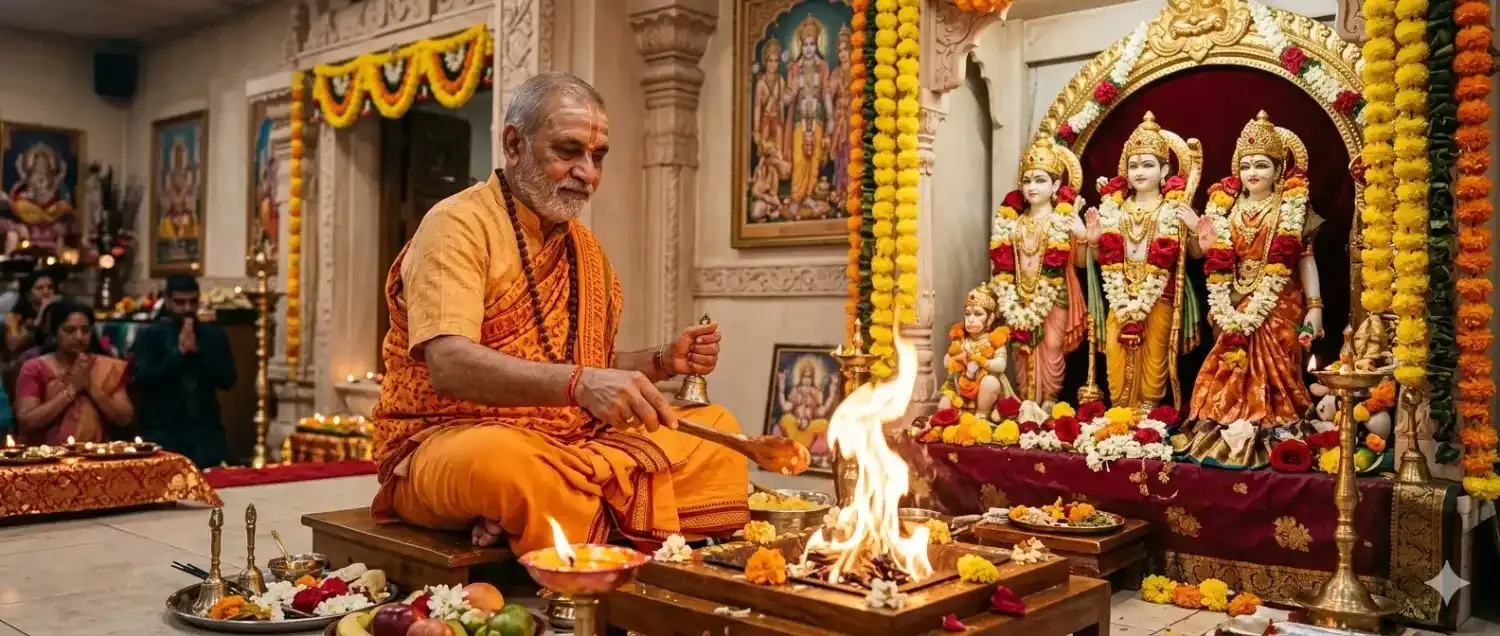
A plain-language overview of the R-2 dependent visa for the spouse and unmarried children under 21 of R-1 religious workers, such as Hindu temple priests in the USA: who qualifies, what R-2 holders can and cannot do, how their stay is tied to the R-1 and its five-year limit, and practical tips for priests' families. Not legal advice.
Quick answer: The R-2 visa is the dependent status for the spouse and unmarried children under 21 of an R-1 religious worker, such as a Hindu temple priest (archaka or pujari) employed by a temple in the USA. R-2 dependents may study but may not work. Their status is tied to the R-1: the R-1 is generally granted for up to 30 months initially, with extensions up to a five-year total, and the family's R-2 stay cannot run beyond the priest's. For current forms and requirements, check USCIS and travel.state.gov, and consult an immigration attorney.
This guide has been restored at its original hindutone.com address. It covers only long-established features of the R-2 category, written for the families of priests serving Hindu temples across the USA. It is general information, not legal advice.
R-1 and R-2: the basics
Many Hindu temples in the USA bring trained priests from India to perform daily worship, festivals and samskaras such as weddings, upanayanam and griha pravesham. One common route is the R-1 nonimmigrant religious worker classification, for ministers and other religious workers coming to work for a bona fide non-profit religious organisation. Among the long-standing requirements, the worker must have been a member of the same religious denomination for at least two years before the petition, and must work at least an average of 20 hours a week.
The R-2 classification lets the R-1 worker's immediate family accompany or join them. The details of petitions, documents and interviews change over time, so families should always rely on the official sources and the temple's immigration attorney.
Who qualifies as an R-2 dependent
| Family member | R-2 eligible? |
|---|---|
| Spouse of the R-1 priest | Yes |
| Unmarried child under 21 | Yes |
| Married child (any age) | No |
| Child aged 21 or over | No |
| Parents, in-laws, siblings | No; they would need a separate basis, such as a visitor visa, if eligible |
Families should keep marriage and birth certificates, in the form accepted by the consulate, ready well in advance. Ask the attorney exactly which documents and translations are needed.
What R-2 dependents can and cannot do
| Activity | Allowed on R-2? |
|---|---|
| Live in the USA with the R-1 priest | Yes, for the period of R-2 status |
| Attend school, college or university | Yes, study is permitted |
| Volunteer at the temple or in the community | Genuine unpaid volunteering is generally different from employment, but get advice first |
| Paid employment of any kind | No |
| Accept dakshina or fees for performing pujas | Treat as potential employment; do not do so without legal advice |
| Travel abroad and return | Possible with a valid visa stamp and the principal maintaining R-1 status; check before travel |
The no-work rule matters in temple life. A priest's spouse may be skilled in music, cooking prasadam, teaching slokas or decorating the deity, and the community may want to pay them. Receiving wages or regular payments can amount to unauthorised employment, which can harm the family's status. When in doubt, ask the temple's immigration attorney before accepting anything.
How long R-2 status lasts
- Tied to the R-1: R-2 status is derived from the priest's R-1 status. If the R-1 ends, for example because the priest leaves the job or changes status, the family's R-2 status is affected too.
- Initial period: R-1 status is generally granted for up to 30 months at first.
- Five-year total: Extensions may be granted up to a total of five years in R-1 status. The dependents' R-2 stay cannot exceed the principal's.
- After five years: Under long-standing rules, a worker who has used the full five years generally must spend time outside the USA before qualifying for R-1 status again. Plan ahead with an attorney.
- Ageing out: A child who turns 21 or marries stops qualifying as an R-2 dependent.
Some R-1 religious workers later pursue permanent residence through the special immigrant religious worker category, and spouses and children may be included in such cases. Whether this is possible, and on what timeline, depends on the individual case and on current law. Only a qualified immigration attorney can advise on this.
Practical tips for priests' families
- Keep documents organised: Keep copies of passports, visa stamps, I-94 records, approval notices and civil documents for every family member in one folder, with digital backups.
- Track key dates: Note when the R-1 and each I-94 expire, when extensions should be filed, and each child's 21st birthday. Share the list with the temple's administration.
- Talk to the temple early: The temple, as petitioner, works with the attorney on the priest's case. Ask the board how and when extensions are handled, and who to contact with questions.
- Schooling: Contact the local school district soon after arrival to enrol children. For college, ask the admissions office how they treat R-2 students for admission and tuition purposes.
- Driving and identification: Rules for driving licences and state ID differ from state to state; check your state's motor vehicle agency.
- Health insurance: Ask whether the temple's employment package includes coverage for dependents, and make sure the whole family is insured.
- Community and wellbeing: Priests often work long hours, especially during Navratri, Diwali and the wedding season. Spouses can feel isolated in a new country; connecting with the temple's women's or youth groups and other priests' families helps.
- Beware of scams: Government agencies do not demand payment over the phone or in gift cards. Verify any message about immigration status directly on the official USCIS website.
Where to get reliable information
- USCIS (uscis.gov): the official pages for R-1 religious workers and dependents, forms and petitions, and case status.
- U.S. Department of State (travel.state.gov): visa applications, interviews and documents at US embassies and consulates in India and elsewhere.
- A qualified immigration attorney: for anything specific to your family, such as extensions, travel, change of status or permanent residence.
We deliberately do not list fees, processing times or forms here, because they change. Always check the current official pages.
Frequently asked questions
Who is eligible for R-2 status?
The spouse and unmarried children under 21 of a person in R-1 religious worker status. Parents, siblings, married children and children aged 21 or over do not qualify as R-2 dependents and would need a separate basis to come to the USA.
Can an R-2 spouse work in the USA?
No. R-2 status does not permit employment. A spouse who wishes to work would need to obtain a different status that allows employment in their own right. Ask an immigration attorney before taking any job, including paid work at the temple.
Can R-2 children go to school or college?
Yes. R-2 dependents may study. Children can attend school, and R-2 holders may enrol in study while they hold the status. Check with the school about its own admission and residency rules.
How long can an R-2 dependent stay?
R-2 status depends on the R-1 worker's status. The R-1 is generally granted for up to 30 months at first, with extensions allowed up to a total of five years. The dependents' stay cannot exceed the principal's, and if the R-1 status ends, the R-2 status ends with it.
What happens when an R-2 child turns 21?
The child no longer qualifies as an R-2 dependent. Families should plan well before the 21st birthday, for example by exploring whether the young person can change to another status such as a student visa, and should get advice from an immigration attorney.
Where can I check the current rules?
Go to the official USCIS website (uscis.gov) for R-1 and R-2 status and petitions, and travel.state.gov for visa applications at US embassies and consulates. Rules and forms change, so always consult a qualified immigration attorney for your family's situation.
Editor's note
Editor's note (5 October 2026): This guide has been restored at its original address after the earlier version was lost. It covers only long-established features of the R-1 and R-2 categories and is general information, not legal advice. We have deliberately not given fees, processing times or form-by-form instructions, and make no guarantee of any outcome. Immigration rules and procedures change; check uscis.gov and travel.state.gov and consult a qualified immigration attorney before acting.
Related guides
You might also like
Hindus in USA 2026 — Complete Country Guide: Temples, Community, Festivals, Cities, Statistics & Diaspora State of the Nation

Hindu Events in GCC Countries 2026: Country-Wise Guide to Temple Festivals & Community Programs

Hindu Events in Europe 2026: Country-Wise Guide to Temple Festivals & Community Programs (Late May–June)