Lord Parashurama — The Warrior-Sage Avatar of Vishnu
Introduction: The Fierce Protector of Dharma Lord Parashurama, also known as Bhargava Rama, Rama Jamadagnya, or Parashurama ("Rama with the axe"), is the sixth…
Introduction: The Fierce Protector of Dharma Lord Parashurama, also known as Bhargava Rama, Rama Jamadagnya, or Parashurama ("Rama with the axe"), is the sixth…
Introduction: The Fierce Protector of Dharma
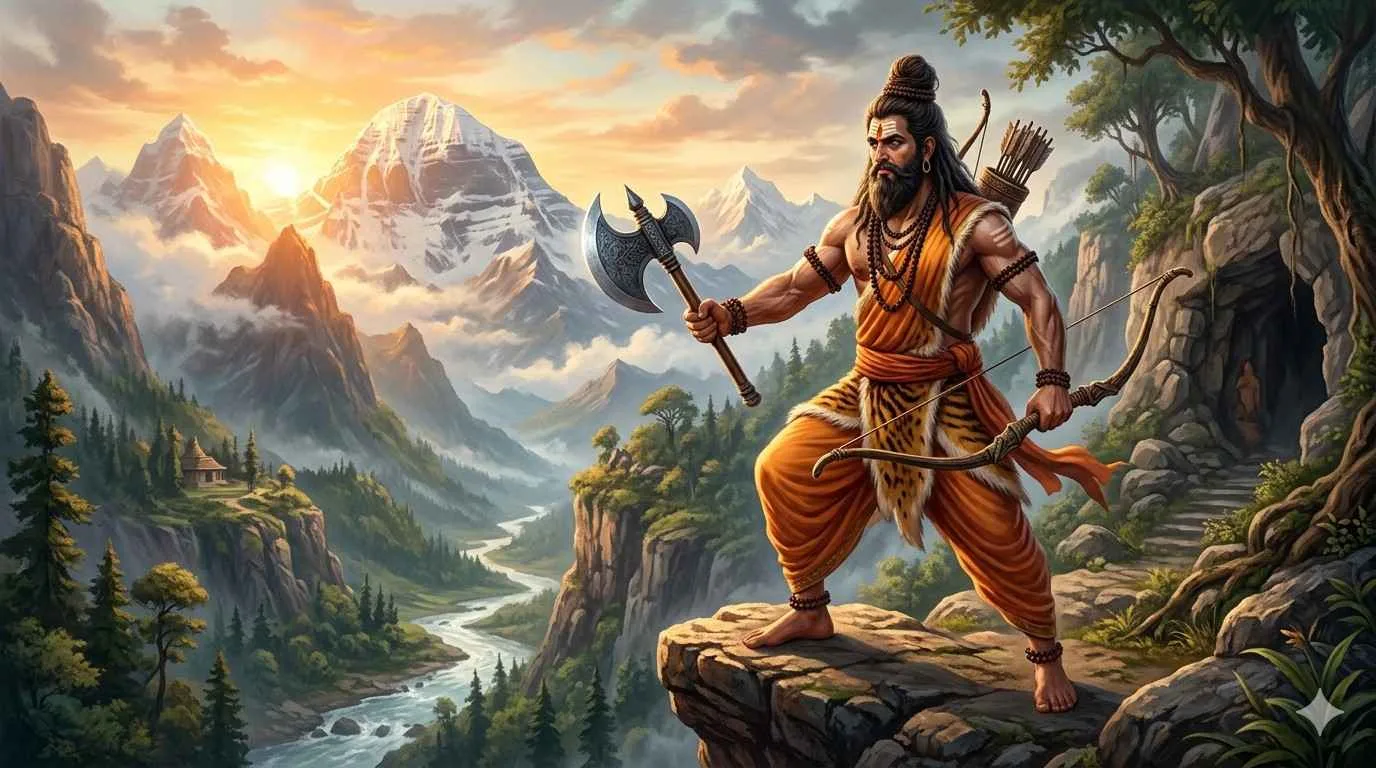
Lord Parashurama, also known as Bhargava Rama, Rama Jamadagnya, or Parashurama ("Rama with the axe"), is the sixth avatar of Lord Vishnu among the Dashavatara. He is a unique incarnation — a Brahmin by birth who embodies the valor and warrior spirit of a Kshatriya. Armed with a divine axe (Parashu) gifted by Lord Shiva, Parashurama is revered as the destroyer of evil, the restorer of dharma, and a master of warfare, penance, and knowledge.
Unlike other avatars who primarily preserve or protect, Parashurama actively purged the earth of corrupt and tyrannical Kshatriya rulers who oppressed the virtuous and disrupted cosmic balance. His story, found in the Mahabharata, Ramayana, Puranas (especially Vishnu Purana and Bhagavata Purana), and other texts, symbolises the triumph of righteousness over adharma, the integration of Brahmin wisdom with Kshatriya strength, and the eternal cycle of destruction for renewal.
Parashurama is one of the Chiranjeevis (immortals) and is believed to still roam the earth, awaiting the arrival of the tenth avatar, Kalki, whom he will train in martial arts according to some traditions. His birth is celebrated on Parashurama Jayanti, which coincides with Akshaya Tritiya (in 2026, on Sunday, April 19, 2026). This day is considered highly auspicious for new beginnings, charity, and acquiring wealth.
This complete devotional guide for hindutone explores Parashurama’s full life story, birth, key legends, weapons and powers, significance, temples, worship practices, and relevance for modern devotees — including the Hindu diaspora in the USA, UK, Canada, and Australia.
The Complete Story of Lord Parashurama
Birth and Early Life Parashurama was born to the great sage Jamadagni (a descendant of Bhrigu) and his virtuous wife Renuka on Akshaya Tritiya in the Treta Yuga. The birth occurred at Janapav (or Renuka Parvata in some accounts). Renuka was known for her extraordinary purity — she could carry water in unbaked clay pots through the power of her chastity.
As a child, Parashurama (then called Rama or Bhargava) displayed extraordinary intelligence, devotion, and martial aptitude. He mastered the Vedas and shastras while also training rigorously in weapons. Lord Shiva, pleased with his severe penance and devotion, personally trained him in warfare and gifted him the invincible Parashu (axe). Shiva also bestowed upon him the Rudramsha (element of Rudra/Shiva), granting him immense power and near-immortality.
The Incident with Kartavirya Arjuna The turning point came when the powerful Kshatriya king Kartavirya Arjuna (also called Sahasrarjuna, with a thousand arms) visited Jamadagni’s ashram. The sage’s divine cow, Kamadhenu (or Surabhi), provided a lavish feast for the king and his army. Greedy for the cow’s powers, Kartavirya later returned, killed Jamadagni in cold blood, and took the cow by force.
Devastated, Renuka mourned her husband. The young Parashurama vowed revenge. He confronted Kartavirya Arjuna, defeated him in battle, and reclaimed the cow. This event ignited Parashurama’s mission: to rid the earth of corrupt Kshatriya kings who had become arrogant, oppressive, and unrighteous.
The 21 Campaigns Against Kshatriyas Enraged by his father’s murder, Parashurama undertook a vow to eliminate the tyrannical Kshatriya rulers. He is said to have circled the earth 21 times, slaughtering corrupt kings and warriors who oppressed Brahmins, sages, and the common people. The blood of the slain Kshatriyas is believed to have filled five lakes (Samanta Panchaka) near Kurukshetra.
After each campaign, he performed yajnas and penances to atone for the violence, balancing his warrior actions with Brahmin duties. His campaigns restored dharma by removing those who had forgotten their responsibility to protect society.
Key Legends and Episodes
- Renuka’s Test: Jamadagni once tested his sons’ obedience. Parashurama alone obeyed the command to behead his mother (who had momentarily lost her purity in thought). Pleased, Jamadagni revived Renuka and granted Parashurama boons, including invincibility in battle.
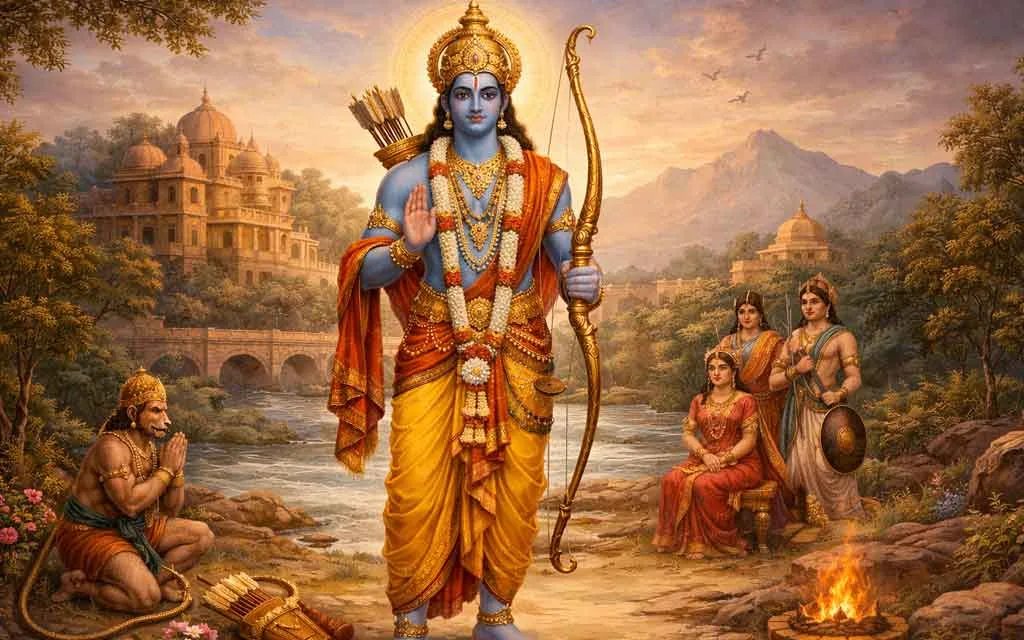
- Encounter with Lord Rama: In the Ramayana, Parashurama challenged the young Rama (avatar of Vishnu) after he broke Shiva’s bow. Recognising Rama as the supreme Vishnu, Parashurama surrendered his powers and retired.
- Gifting Land: Parashurama is credited with creating the land of Kerala and parts of the Konkan coast by throwing his axe into the sea (or reclaiming land from the ocean). He is also associated with the creation or consecration of many Shiva temples and sacred sites.
- Immortality and Role in Future: As a Chiranjeevi, he lives on Mount Mahendragiri or wanders the earth. He will serve as the guru to Kalki, teaching him the arts of war.
Weapons, Powers, and Symbolism
- Parashu (Axe): His primary weapon, symbolising decisive action against evil.
- Mastery over all weapons, including divine astras.
- He received training from Shiva and possessed the Rudramsha, making him nearly invincible.
- Symbolism: The axe represents the cutting away of ignorance, ego, and adharma. His Brahmin-Kshatriya duality teaches the integration of knowledge and action.
Significance of Parashurama in Hinduism
- Restorer of Dharma: He embodies Vishnu’s role in destroying evil when it becomes overwhelming.
- Bridge Between Yugas: His actions helped transition from moral decline toward renewed righteousness.
- Teacher and Mentor: He trained many warriors and is linked to the origins of certain martial traditions.
- Connection with Akshaya Tritiya: His birth on this day makes it auspicious for eternal merits, new beginnings, and charity.
- Chiranjeevi Status: He represents eternal vigilance in upholding dharma.
Temples and Worship of Lord Parashurama Famous temples include:
- Parashurama Temple in Chiplun, Maharashtra (on the banks of the Vashishti River, with Renuka Temple nearby).
- Temples in Rajasthan (near Sirohi), Kerala (Thiruvallam), and other sites like Janapav (Madhya Pradesh).
- He is also worshipped in many Shiva temples he is said to have established.
Worship typically involves:
- Reciting Parashurama stotras or the Dashavatara stotra.
- Offering axe symbols, flowers, and performing puja on Parashurama Jayanti (Akshaya Tritiya).
- Observing fasts or charity on his birth anniversary.
Relevance for Modern Devotees and the Diaspora In today’s world, Parashurama inspires standing against injustice, balancing intellect with courage, and using power ethically. For Hindus in the USA, UK, Canada, and Australia, his story reinforces cultural values amid modern challenges. Community temples often celebrate Parashurama Jayanti with special pujas, storytelling sessions for children, and charity events. Many perform symbolic axe worship or read his legends during Akshaya Tritiya observances.
His message remains timeless: True strength lies in protecting dharma, even at personal cost, while maintaining inner purity and wisdom.
Conclusion: The Eternal Guardian of Righteousness
Lord Parashurama stands as a powerful reminder that dharma must be fiercely protected when threatened. As the warrior-sage avatar of Vishnu, he cleansed the earth of corruption and restored balance, leaving a legacy of courage, devotion, and justice.
On April 19, 2026 (Parashurama Jayanti / Akshaya Tritiya), devotees can honour him through puja, reading his stories, and acts of charity. May his blessings grant us the strength to uphold righteousness in our lives.
Jai Parashurama! Om Namo Bhagavate Vasudevaya!
Frequently Asked Questions
Who is Lord Parashurama?
Introduction: The Fierce Protector of Dharma Lord Parashurama , also known as Bhargava Rama , Rama Jamadagnya , or Parashurama ("Rama with the axe"), is the sixth avatar of Lord Vishnu among the Dashavatara. He is a unique incarnation — a Brahmin by birth who embodies the valor and warrior spirit of a Kshatriya.
How is Lord Parashurama worshipped?
Through daily puja, mantra chanting, aarti and offerings of flowers, lamps and prasad — on dedicated days and festivals associated with the deity.
What are the benefits of worshipping Lord Parashurama?
Devotees seek blessings for protection, prosperity, health, wisdom and inner peace, and a deeper connection with the divine.
Which day is dedicated to Lord Parashurama?
Each deity has an associated day and festivals; worshipping on that day, with fasting and mantra, is considered especially auspicious (see the guide above).
You might also like
Lord Rama: The Ideal Man, King & Avatar — Complete Spiritual Biography
India and Global Hindu Diaspora Joyously Celebrate Hanuman Jayanti 2026 with Devotion and Grand Processions
Lord Ganesha: 108 Names, Significance & Mantras — The Complete Spiritual Guide