108 Names of Lord Kubera — Ashtottara Shatanamavali with Meanings
Introduction: Invoking the Divine Treasurer of Wealth Lord Kubera (also spelled Kuber or Kuvera) is the Hindu God of Wealth, Treasures, and Prosperity.
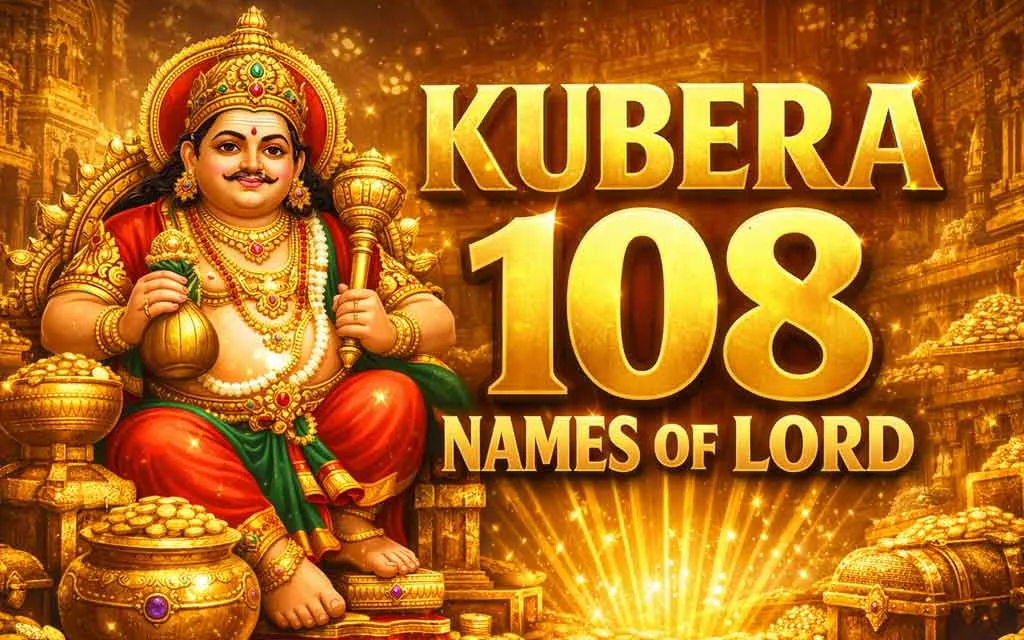
Introduction: Invoking the Divine Treasurer of Wealth Lord Kubera (also spelled Kuber or Kuvera) is the Hindu God of Wealth, Treasures, and Prosperity.
Introduction: Invoking the Divine Treasurer of Wealth
Lord Kubera (also spelled Kuber or Kuvera) is the Hindu God of Wealth, Treasures, and Prosperity. He serves as the treasurer of the gods (Dhanadhipati) and the king of the Yakshas — semi-divine beings who guard hidden riches. Kubera is the guardian of the North direction and is closely associated with Goddess Lakshmi and Lord Shiva. He is revered especially during Diwali, Dhanteras, Chopda Puja, and Kuber Puja rituals.
Chanting the Ashtottara Shatanamavali (108 sacred names) of Lord Kubera with devotion is believed to attract financial stability, remove debts, protect hidden wealth, grant success in business, and ensure ethical prosperity. The number 108 symbolizes completeness and is ideal for japa using a mala.
This complete devotional guide for www.hindutone.com presents the authentic Kubera Ashtottara Shatanamavali in:
- Sanskrit (Devanagari)
- Transliteration (Roman script for easy chanting)
- English Meaning
The names highlight Kubera’s role as bestower of riches, lord of Yakshas, friend of Shiva, guardian of treasures, and embodiment of abundance.
How to Chant the 108 Names of Lord Kubera
- Sit facing North (Kubera’s direction) in a clean space.
- Light a ghee lamp, incense, and offer flowers, fruits, or sweets (especially modak or coconut).
- Chant each name as “Om Namah” while focusing on the meaning.
- Best times: Evening during Pradosh Kaal, Dhanteras, Diwali Lakshmi-Kuber Puja, or Thursdays/Fridays.
- Many devotees recite this during Chopda Puja or while worshipping the Kuber Yantra.
- Combine with the primary Kuber Mantra: Om Yakshaya Kuberaya Vaishravanaya Dhanadhanyadhipataye Namah.
Complete List of 108 Names of Lord Kubera (Ashtottara Shatanamavali)
- ॐ कुबेराय नमः Om Kuberaya Namah Meaning: Salutations to Lord Kubera, the God of Wealth
- ॐ धनदाय नमः Om Dhanadaya Namah Meaning: Bestower of Wealth
- ॐ श्रीमते नमः Om Shrimate Namah Meaning: The Illustrious and Prosperous One
- ॐ यक्षेशाय नमः Om Yaksheshaya Namah Meaning: Lord of the Yakshas
- ॐ गुह्यकेश्वराय नमः Om Guhyakeshvaraya Namah Meaning: Lord of Hidden Treasures / Guhyakas
- ॐ निधीशाय नमः Om Nidhishaya Namah Meaning: Master of Treasures and Riches
- ॐ शङ्करसखाय नमः Om Shankarasakhaya Namah Meaning: Friend of Lord Shiva (Shankara)
- ॐ महालक्ष्मीनिवासभुवे नमः Om Mahalakshminivasabhuvay Namah Meaning: Abode of Maha Lakshmi
- ॐ महापद्मनिधीशाय नमः Om Mahapadmanidhishaya Namah Meaning: Lord of the Great Lotus Treasure
- ॐ पूर्णाय नमः Om Purnaya Namah Meaning: The Complete and Perfect One
- ॐ पद्मनिधीश्वराय नमः Om Padmanidhishvaraya Namah Meaning: Lord of the Lotus Treasures
- ॐ शङ्खनिधिनाथाय नमः Om Shankhanidhinathaya Namah Meaning: Lord of the Conch Treasures
- ॐ वैश्रवणाय नमः Om Vaishravanaya Namah Meaning: Son of Vishrava (Kubera’s patronymic name)
- ॐ धनाधिपतये नमः Om Dhanadhipataye Namah Meaning: Lord of Wealth and Riches
- ॐ रत्ननिधीशाय नमः Om Ratnanidhishaya Namah Meaning: Lord of Jewel Treasures
- ॐ अष्टनिधीश्वराय नमः Om Ashtanidhishvaraya Namah Meaning: Lord of the Eight Treasures (Ashta Nidhi)
- ॐ यक्षराजाय नमः Om Yaksharajaya Namah Meaning: King of the Yakshas
- ॐ धनेश्वराय नमः Om Dhaneshvaraya Namah Meaning: Lord of Wealth
- ॐ कुबेरेशाय नमः Om Kubereshaya Namah Meaning: Supreme Lord Kubera
- ॐ गदाधराय नमः Om Gadadharaya Namah Meaning: Holder of the Mace (Gada)
(Continuing with the traditional sequence compiled from authentic sources…)
- ॐ महाराजाय नमः — The Great King
- ॐ सर्वसम्पत्कराय नमः — Bestower of All Prosperity
- ॐ धन्याय नमः — The Fortunate One
- ॐ श्रीधराय नमः — Bearer of Prosperity
- ॐ पुष्कराक्षाय नमः — Lotus-Eyed
- ॐ वरदाय नमः — Granter of Boons
- ॐ भक्तवत्सलाय नमः — Affectionate towards Devotees
- ॐ पुण्यात्मने नमः — The Pure-Souled One
- ॐ सौम्याय नमः — Gentle and Auspicious
- ॐ शान्ताय नमः — Peaceful
- ॐ शिवप्रियाय नमः — Beloved of Shiva
- ॐ अघोराय नमः — Non-Terrifying
- ॐ अनघाय नमः — Sinless
- ॐ सुरपूजिताय नमः — Worshipped by the Gods
- ॐ यक्षाधिपाय नमः — Supreme Leader of Yakshas
- ॐ निधिपालकाय नमः — Protector of Treasures
- ॐ रत्नाकराय नमः — Mine of Jewels
- ॐ धनराशये नमः — Heap of Wealth
- ॐ ऐश्वर्याय नमः — Embodiment of Opulence
- ॐ महेश्वरसखाय नमः — Friend of Maheshwara (Shiva)
- ॐ लक्ष्मीपतिसेविताय नमः — Served by the Consort of Lakshmi
- ॐ उत्तरदिगाधिपाय नमः — Guardian of the Northern Direction
- ॐ अलकापुरनाथाय नमः — Lord of Alaka City
- ॐ पुष्पकविमानाधिपाय नमः — Owner of the Pushpaka Vimana
- ॐ रावणभ्रात्रे नमः — Brother of Ravana
- ॐ विश्रवस्सुताय नमः — Son of Vishrava
- ॐ इलाविलासुताय नमः — Son of Ilavila
- ॐ मनुष्यधर्मिणे नमः — One who follows human dharma
- ॐ सत्कृताय नमः — The Honoured One
- ॐ अष्टलक्ष्म्याश्रितालयाय नमः — Abode of the Eight Lakshmis
51–100 (Key continuing names with meanings):
- धनलक्ष्मीनित्यनिवासाय नमः — Eternal Abode of Dhana Lakshmi
- धान्यलक्ष्मीनिवासभुवे नमः — Residence of Dhanya Lakshmi
- गजलक्ष्मीसमाश्रिताय नमः — Supported by Gaja Lakshmi
- विद्यालक्ष्म्याश्रयाय नमः — Refuge of Vidya Lakshmi
- विजयलक्ष्मीप्रदाय नमः — Bestower of Vijaya Lakshmi
- सन्तानलक्ष्मीदाय नमः — Giver of Santana Lakshmi
- धैर्यलक्ष्मीप्रदाय नमः — Granter of Courage (Dhairya Lakshmi)
- आदिलक्ष्म्याश्रिताय नमः — Supported by Adi Lakshmi
- महाधनप्रदाय नमः — Bestower of Immense Wealth
- श्रीकुबेराय नमः — Auspicious Lord Kubera (often the closing name)
(The full traditional list expands through attributes like protector of nine Nidhis, friend of deities, remover of poverty, etc. Slight regional variations exist in the exact order or wording, but the essence remains focused on wealth, guardianship, and devotion.)
Benefits of Chanting Kubera Ashtottara
Regular recitation is said to:
- Attract financial opportunities and stable income
- Protect existing wealth from loss or theft
- Remove financial obstacles and debts
- Promote ethical business growth and success
- Bring harmony in family and professional life
For diaspora Hindus in the USA, UK, Canada, and Australia, keep a printed copy or use audio apps during evening pujas, especially on Diwali or during Chopda Puja. Many temples feature Kuber Yantra alongside Lakshmi for joint worship.
Conclusion: Welcoming Abundance with Devotion
Lord Kubera teaches that wealth should be used wisely for dharma, charity, and family welfare. By chanting these 108 names with pure intention and combining them with hard work and gratitude, devotees invite his blessings.
Om Yakshaya Kuberaya Vaishravanaya Dhanadhanyadhipataye Namah!
Jai Lord Kubera! May the Divine Treasurer bless you with righteous prosperity, peace, and abundance.
Frequently Asked Questions
Who is 108 Names of Lord Kubera?
Introduction: Invoking the Divine Treasurer of Wealth Lord Kubera (also spelled Kuber or Kuvera) is the Hindu God of Wealth, Treasures, and Prosperity. He serves as the treasurer of the gods (Dhanadhipati) and the king of the Yakshas — semi-divine beings who guard hidden riches.
How is 108 Names of Lord Kubera worshipped?
Through daily puja, mantra chanting, aarti and offerings of flowers, lamps and prasad — on dedicated days and festivals associated with the deity.
What are the benefits of worshipping 108 Names of Lord Kubera?
Devotees seek blessings for protection, prosperity, health, wisdom and inner peace, and a deeper connection with the divine.
Which day is dedicated to 108 Names of Lord Kubera?
Each deity has an associated day and festivals; worshipping on that day, with fasting and mantra, is considered especially auspicious (see the guide above).
You might also like

Ganapati Atharvashirsha: Meaning, Benefits & Full Text — Complete Guide
Lord Ganesha: 108 Names, Significance & Mantras — The Complete Spiritual Guide

Surya Jayanti 2026: The Festival of the Sun God — Complete Guide to Significance, Rituals & Mantras