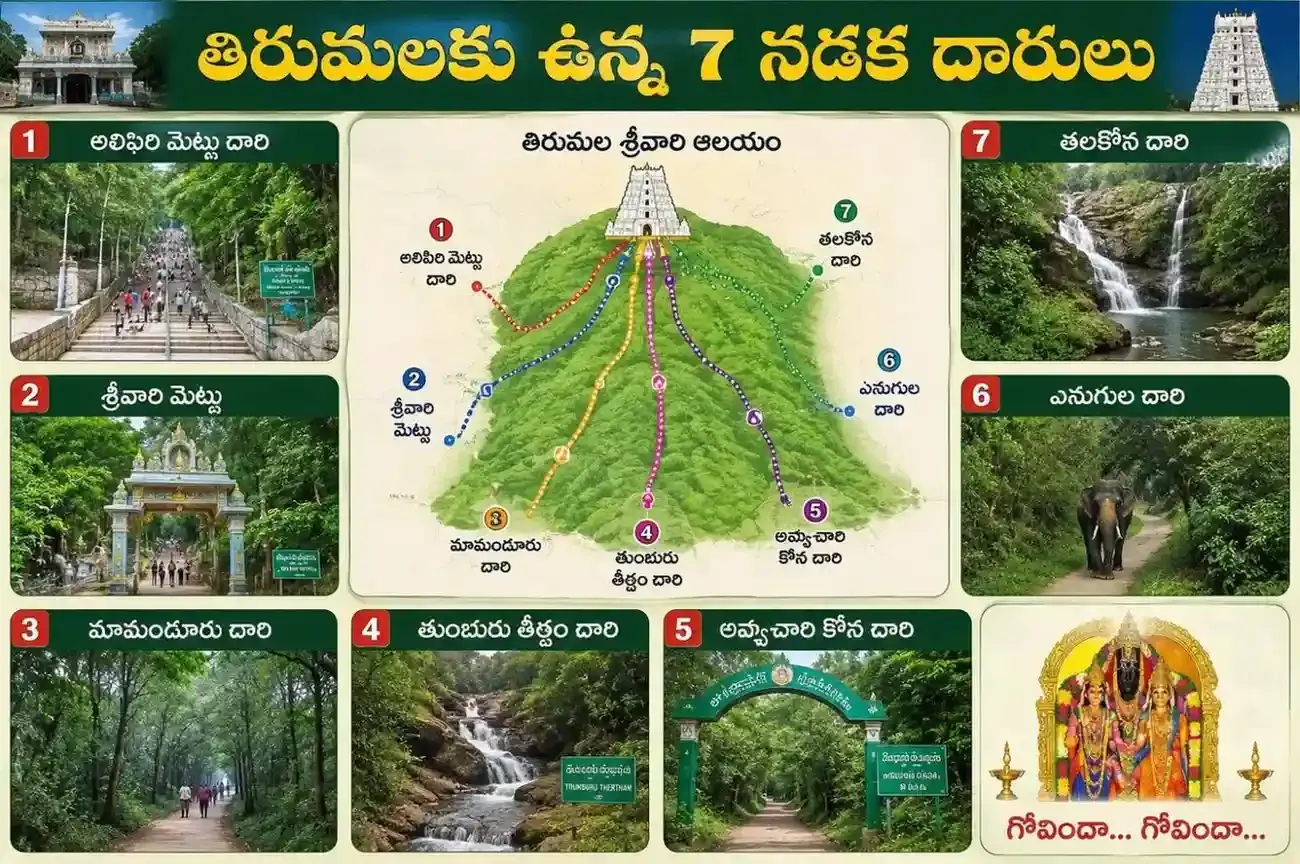
Sri Padmavathi Temple Tiruchanur 2026: Complete Darshan Guide, History, Sevas, Brahmotsavam & NRI Yatra Plan
Complete Sri Padmavathi Temple Tiruchanur guide 2026 — Padmavathi Devi (Lakshmi) consort of Sri Venkateswara, darshan timings, sevas (Tomala, Kumkuma Archana), Brahmotsavam, Friday worship, Tirumala yatra sequence, NRI planning, FAQs.
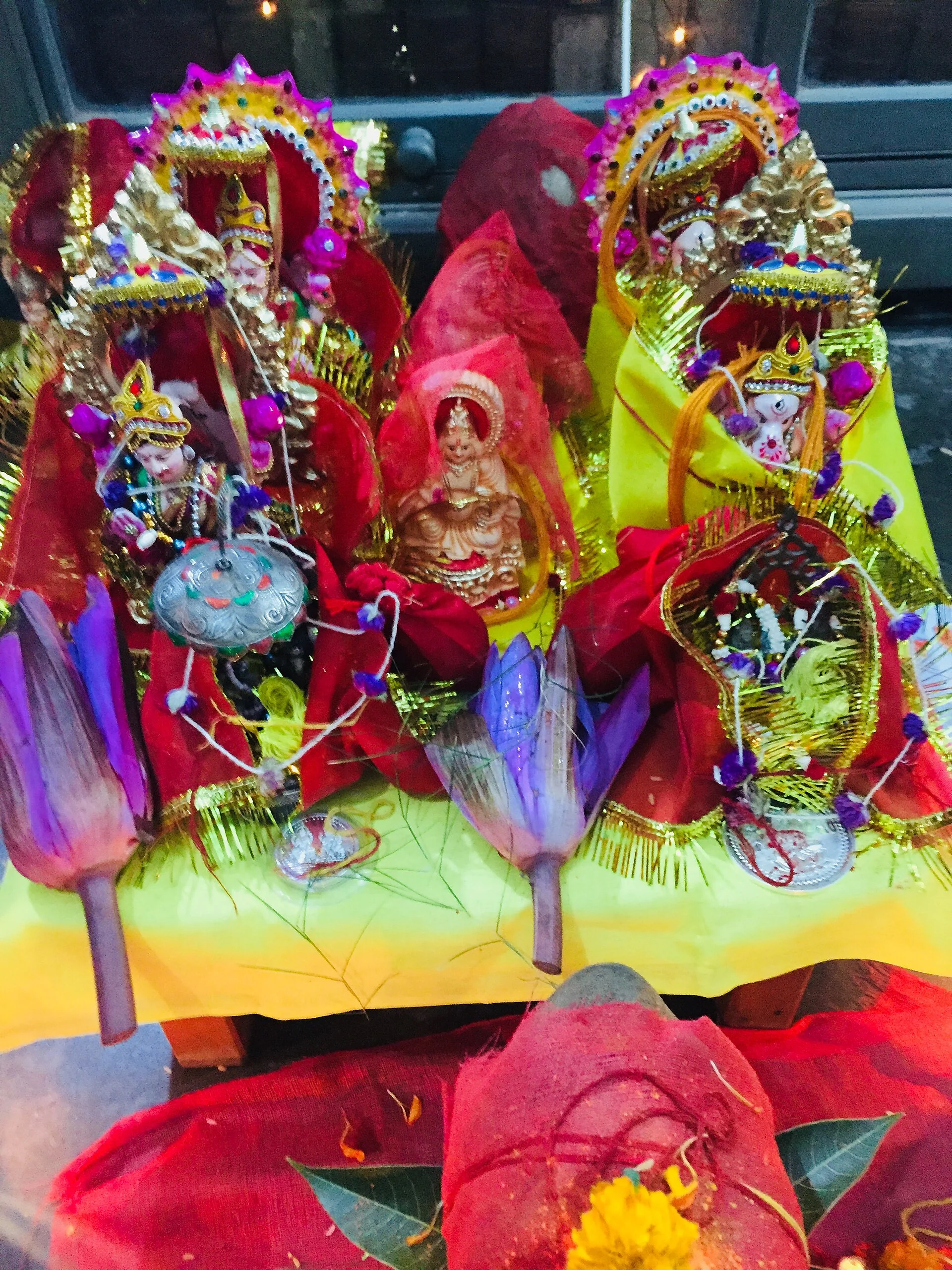
Complete Sri Padmavathi Temple Tiruchanur guide 2026 — Padmavathi Devi (Lakshmi) consort of Sri Venkateswara, darshan timings, sevas (Tomala, Kumkuma Archana), Brahmotsavam, Friday worship, Tirumala yatra sequence, NRI planning, FAQs.
Five kilometers south of Tirupati city, at the foothills of the Tirumala range, lies a temple that Hindu tradition considers spiritually inseparable from Lord Venkateswara's abode itself — the Sri Padmavathi Ammavari Temple at Tiruchanur. This is the dedicated shrine of Padmavathi Devi, the consort of Lord Sri Venkateswara, and the manifestation of Goddess Lakshmi in the Kaliyuga.
Sri Vaishnava tradition holds an unambiguous rule: no Tirumala yatra is considered complete without first paying respects to Padmavathi Devi at Tiruchanur. Devotees believe Lord Venkateswara Himself does not accept the prayers of those who skip the Goddess's temple. This single rule has made Tiruchanur one of the most-visited Lakshmi temples in India — and for NRI families planning their once-in-a-lifetime Tirumala yatra, Tiruchanur is the essential first stop.
This complete HinduTone guide covers the spiritual significance of Sri Padmavathi at Tiruchanur, the temple's history, the unique Padmavathi avatar legend, darshan timings, sevas you can book, festivals throughout the year, the recommended sequence (Tiruchanur first, then Tirumala), NRI travel planning, and frequently asked questions.
Why Tiruchanur Comes First in Every Tirumala Yatra
In Sri Vaishnava tradition, the marriage of Lord Sri Venkateswara to Padmavathi Devi is the central narrative of the entire Tirumala universe. Per the Venkatachala Mahatmya (the sacred text of Tirumala):
Lord Vishnu, having descended to Tirumala in the Kaliyuga to be present among devotees, was seeking His consort. He met Princess Padmavathi — the daughter of King Akasa Raju of the local Tondaiman dynasty — and their divine marriage was performed at the foot of the seven hills. After the marriage, Padmavathi Devi made her abode at Tiruchanur, while Lord Venkateswara established Himself at Tirumala. Their separate dwellings reflect the Divine principle that the Lord and His Consort, though one in essence, dwell in their respective sacred precincts.
The tradition then becomes: Lord Venkateswara cannot bless a devotee until that devotee has first received Padmavathi Devi's blessing. The Goddess opens the gate to her Lord. Skipping Tiruchanur and going directly to Tirumala is considered spiritually disrespectful — like visiting a king without first paying respects to his queen.
"As night comes before day, as the moon comes before the sun in the Hindu lunar reckoning, as the queen welcomes the king's ministers — Padmavathi Devi welcomes the devotee, and only then does Lord Sri Venkateswara accept the prayer."
The Padmavathi Avatara — The Lotus-Born Lakshmi
The name "Padmavathi" means "she who was born from the lotus" — referencing the well-known incident where the Goddess Lakshmi descended to Earth in the form of a lotus flower in the temple tank at Tiruchanur. According to the Sthala Purana of Tiruchanur:
Princess Padmavathi was discovered as an infant inside a lotus that bloomed in the temple tank of Tiruchanur during the reign of King Akasa Raju. The king, who had been seeking a daughter, found this miraculous child and raised her as his princess. Padmavathi grew up as a model of devotion, beauty, and grace — destined, the sages prophesied, for the divine groom Lord Sri Venkateswara.
The marriage was eventually arranged through Brihaspati (the divine guru) and Sukracharya (the divine priest), with all the celestial deities and the seven hills themselves serving as witnesses. The wedding occurred at Narayanavanam (15 km from Tirupati) in approximately the 8th-9th century CE according to historical records — though Sri Vaishnava tradition places the divine marriage in the cosmic Kaliyuga timing.
Today, Sri Padmavathi at Tiruchanur is worshipped specifically as the human-divine consort, the one who chose Sri Venkateswara, the one who waited for the Lord's descent, and the one whose grace flows through to Tirumala.
Temple History and Architecture
The Sri Padmavathi Devi Temple at Tiruchanur has a continuous worship history of over 1,200 years. Key historical milestones:
- 8th-9th century CE: The earliest stone records of the temple date from this era — the Pallava and early Chola periods. The temple was a major Lakshmi shrine even before its formal connection to Tirumala became authoritative.
- 11th century CE: Ramanujacharya, the great Sri Vaishnava philosopher, established Tiruchanur as the canonical "first temple" of the Tirumala yatra. His mandate that Padmavathi must be worshipped before Sri Venkateswara remains binding to this day.
- 14th-16th century CE: Vijayanagar dynasty patronage expanded the temple. The current gopuram (tower) and the temple's elaborate festival traditions date from this era.
- 19th-20th century: Ahilyabai Holkar and various south Indian patrons funded renovations. The TTD took administrative charge in the early 20th century.
- Current era: TTD operates the temple. Annual visitors: 8-10 million pilgrims, making Tiruchanur one of the most-visited Lakshmi temples in India.
Architectural style: Dravidian Sthapatya. The main gopuram is approximately 100 feet tall, intricately carved with scenes from Vishnu's leelas and the Padmavathi-Venkateswara wedding story. The garbha griha (sanctum sanctorum) houses the Goddess Padmavathi in the seated lotus pose, holding lotus flowers in both hands, wearing the traditional Vijayanagar-style attire and Padma Mudra (lotus posture).
Sri Padmavathi Temple Darshan Timings (2026)
- Suprabhata Seva: Daily 4:30 AM — 5:30 AM. The morning awakening of the Devi.
- Sarvadarshan (General Darshan): Daily 5:30 AM — 11:00 AM and 4:00 PM — 9:00 PM
- Madhyahna Aarti: Daily 11:00 AM — 12:00 PM. Lunchtime aarti.
- Pradosha Pooja: Daily 6:00 PM — 7:00 PM. The pre-evening special pooja.
- Ekanta Seva (Night Closing): Daily 9:00 PM — 9:30 PM. The Goddess retires for the night.
- Friday: Padmavathi Devi's most powerful day — extended timings and special sevas.
- Brahmotsavam (annual festival): Late October / Early November — 9 days. Special daily vahana sevas.
Note: Timings may vary on specific festivals and ekadashis. TTD updates daily timings on the official website. Confirm before your visit.
Sevas You Can Book at Tiruchanur
TTD operates a comprehensive seva program at Padmavathi Temple. Pre-booking via the official TTD website is recommended for most sevas:
- Suprabhata Seva (₹100): Participate in the morning awakening ritual.
- Tomala Seva (₹400): Offer flowers to the Devi. Highly popular among NRI families.
- Archana (₹150): Personal name + gotra mention by the priest.
- Kumkum Pooja: Special pooja with red kumkum — most popular for unmarried women and married women praying for marital harmony.
- Saswata Sahasranamarchana (₹1,000): 1,008 name recitation of Padmavathi. Particularly meritorious.
- Tiruvabharanam Sandhayanam: Offering of ornaments. Family-recommended seva.
- Padi Pooja: A special seva connecting all major shrine doors.
- Annaprasadam (Free): TTD offers free meal at the temple complex.
- NRI Special Darshan: Bookable for international devotees with passport/OCI.
Annual Festivals at Sri Padmavathi Temple
Sri Padmavathi Devi Brahmotsavam (Most Important)
The annual 9-day Brahmotsavam at Tiruchanur typically falls in late October or early November. This is the festival when Padmavathi Devi is taken in procession through the streets of Tiruchanur on different vahanas (chariots) each day. The Garuda Vahanam at Tiruchanur is a separate event from Tirumala's Brahmotsavam and is itself a major draw. Devotees compare it favorably to Tirumala's Brahmotsavam — the Goddess on her vahanas radiates with similar spiritual intensity.
Kumkuma Archana on Fridays
Every Friday at Tiruchanur is considered Padmavathi's special day. Married women, unmarried women seeking marriage, and women praying for fertility or marital harmony come specifically on Fridays. The Kumkuma Archana seva (free, but with offering of kumkum) is performed mass-style.
Adi Pooram Festival
In the Tamil month of Adi (July-August), the Adi Pooram festival celebrates the divine marriage and Padmavathi's birth. Special poojas and festive processions.
Karthika Deepa (Karthika Purnima)
On the full moon of the Karthika month (November), lamps are lit throughout the temple complex. Particularly beautiful at Tiruchanur — the entire town glows for the night.
Vaikuntha Ekadashi at Tiruchanur
While Vaikuntha Ekadashi is most prominently celebrated at Tirumala (with the Sorgavasal), the equivalent Vaikuntha Ekadashi observation at Tiruchanur has its own significance — Padmavathi Devi opens her temple for special early-morning darshan.
The Recommended Sequence: Tiruchanur First, Then Tirumala
Sri Vaishnava tradition is unambiguous: Padmavathi Devi must be worshipped before Lord Sri Venkateswara. A traditional sequence:
- Arrive at Tirupati (city) — Day 1 evening
- Visit Sri Padmavathi Temple at Tiruchanur — Day 2 morning (5 km from Tirupati, ~20 minutes by auto/taxi)
- Receive blessing from Padmavathi Devi
- Travel to Tirumala (the hill temple, 22 km from Tirupati)
- Receive Sri Venkateswara darshan
- Return to Tirupati — Day 2 evening or Day 3 morning
Skipping Step 2 is considered spiritually invalid by all Sri Vaishnava traditions. Some devotees who skip Tiruchanur report later returning specifically to atone for the oversight.
NRI Yatra Planning for Tiruchanur + Tirumala
For NRI families combining both temples in a 3-4 day yatra:
- Day 1: Arrive at Tirupati. Stay overnight at TTD's Tirupati city accommodation or hotel.
- Day 2 Morning: Visit Tiruchanur Padmavathi Temple. Receive blessing. Book Tomala Seva or Archana.
- Day 2 Afternoon: Travel to Tirumala. Check into TTD Tirumala accommodation.
- Day 3 Morning: Tirumala darshan (with your pre-booked ticket).
- Day 3 Afternoon: Collect TTD prasadam. Visit other Tirumala temples (Bedi Hanuman, etc.)
- Day 4: Return journey. Optional: visit Sri Govindaraja Swamy Temple in Tirupati city before departure.
How to Reach Tiruchanur
Tiruchanur is located approximately 5 km south of Tirupati city, at the foothills of the Tirumala range.
By Air
Nearest airport: Tirupati (TIR), 14 km. Major airports: Chennai (135 km), Bangalore (250 km), Hyderabad (560 km). From Chennai or Bangalore, take rail or road to Tirupati, then 20-minute auto to Tiruchanur.
By Train
Nearest railway station: Tirupati Junction (TPTY). Direct trains from Mumbai, Delhi, Bangalore, Chennai, Hyderabad, Vijayawada. From the station, Tiruchanur is 5 km — auto/cab 15 minutes.
By Road
Tiruchanur is on the Tirupati-Chittoor road. National Highway 716 passes near it. Easy to reach by hired car, TTD bus, or local auto from Tirupati.
Accommodation in Tiruchanur
Tiruchanur is small and most pilgrims stay in nearby Tirupati. However, TTD operates accommodation specifically at Tiruchanur for those wanting to stay close to the temple:
- Sri Padmavathi Atithi Bhavan (TTD) — guest house adjacent to the temple, basic AC/Non-AC rooms
- Sri Padmavathi Nilayam — TTD's economy accommodation in Tiruchanur
- Tirupati city hotels — abundant range from budget to premium, all within 5 km of Tiruchanur
- Private guest houses in Tiruchanur — for those who prefer simple, traditional stay
NRI families typically prefer Tirupati city hotels (more amenities) and travel the 5 km to Tiruchanur. Premium options: Marasa Sarovar Premiere, Bliss Hotel, Vijaya Tirupati.
What to Offer to Sri Padmavathi Devi
Different offerings have different spiritual meanings:
- Kumkum (red turmeric): The Goddess's favorite — symbolizes marital welfare, beauty, divine feminine power.
- Saree: Offer a new saree (especially red or pink) — particularly meaningful for unmarried women and married women.
- Gold/silver ornaments: Family-treasured gift to the Goddess.
- Lotus flowers: Padmavathi's name itself means "lotus-born" — fresh lotuses are exceptionally meritorious.
- Coconut: Symbolizes complete surrender of ego.
- Money (Hundi): Donations supporting TTD's charitable works.
- Hair (tonsuring): Some devotees tonsure at the special Tonsuring counters within the temple complex.
Sri Padmavathi Devi and Married Life
Padmavathi Devi is uniquely associated with marital wellbeing in Hindu tradition. Three categories of devotees who specifically seek her blessing:
- Unmarried women seeking a husband: Friday Kumkuma Archana is the traditional practice. Many parents undertake 21-Friday vows.
- Newly married couples: Tradition holds that visiting Padmavathi within the first year of marriage blesses the union with long-term harmony.
- Couples seeking children: Padmavathi Devi blesses fertility. Many traditional families undertake special sevas during this season.
- Couples with marital discord: The 21-Friday Kumkuma Archana vow is widely practiced for marital reconciliation.
- Children of arranged marriages: Pre-wedding visit to Padmavathi is encouraged by traditional families.
Frequently Asked Questions (FAQ)
1. Is it really mandatory to visit Tiruchanur before Tirumala?
According to Sri Vaishnava tradition, yes — this is the canonical sequence. Most devotees observe it. However, individual practice varies. Even if you can't do both, visiting at least one is far better than visiting neither.
2. What is the best day to visit Sri Padmavathi Temple?
Friday is the Devi's special day — most powerful for marriage-related prayers. Sundays are also auspicious. Festival days (Brahmotsavam, Kartika Purnima) bring exceptional energy but also large crowds.
3. Can NRI devotees book sevas in advance?
Yes. NRI devotees can book most sevas (Tomala Seva, Archana, Kumkuma Pooja) via the official TTD website using passport/OCI verification.
4. Is Tiruchanur Padmavathi Temple the only temple for the Goddess?
Tiruchanur is THE primary Padmavathi temple. Other Lakshmi temples exist worldwide (Mahalakshmi Temple in Mumbai, Kanchipuram Kamakshi, etc.) but Tiruchanur is the one specifically connected to Lord Sri Venkateswara.
5. Is the temple suitable for elderly/disabled devotees?
Yes — the temple complex is largely accessible. Wheelchair service is available. Special quota for senior citizens and Divyangjan.
6. How long does a typical Tiruchanur visit take?
Allow 2-3 hours: 30 minutes for entry/queue, 30-45 minutes for darshan, 30 minutes for prasadam/refreshment. With a special seva (Tomala/Archana), add 1 hour.
7. Are photographs allowed inside the temple?
Photography is restricted inside the sanctum. Exterior photos of the gopuram and temple grounds are permitted.
8. What should I wear?
Traditional Hindu attire is preferred — saree/salwar for women, dhoti/kurta or shirt-pant for men. Avoid shorts, sleeveless tops, leather items.
9. What is the difference between Padmavathi and Lakshmi?
Padmavathi IS Lakshmi — specifically, the Kaliyuga incarnation of Lakshmi who descended to Earth as Princess Padmavathi to marry Sri Venkateswara. Other Lakshmi forms (Mahalakshmi, Dhanalakshmi, etc.) exist; Padmavathi is the specific consort form at Tirumala.
10. Can I bring children to Tiruchanur?
Yes, children are welcome. Many families specifically bring children to Padmavathi for blessing on their first major life passages.
Conclusion
The Sri Padmavathi Temple at Tiruchanur is the essential first stop of every Tirumala yatra — the temple of Lord Sri Venkateswara's eternal consort, the Goddess Lakshmi in her lotus-born form. For 1,200 years, devotees have honored the canonical sequence: Padmavathi first, then Tirumala. The Goddess opens the gate; the Lord follows.
For NRI families planning their once-in-a-lifetime yatra, allocate Day 2 of your itinerary specifically to Tiruchanur. Visit in the morning. Book a special Tomala or Kumkuma seva. Receive the Goddess's blessing. Then travel to Tirumala for Lord Sri Venkateswara's darshan. Return home with the blessings of both — the Lord and His Devi united in cosmic harmony.
May Sri Padmavathi Devi bless you and your family with marital harmony, prosperity, and the supreme grace that leads you to the feet of Lord Sri Venkateswara. 🙏 Om Sri Padmavathi Devi Namo Namah! Om Namo Venkateshaya!
Have you visited Sri Padmavathi Temple at Tiruchanur? Share your experience and tips in the comments below. If this guide helped you plan your yatra, please share with family and friends. Subscribe to hindutone.com for more temple and pilgrimage guides. 🙏 Jai Padmavathi Ammavari! Jai Srinivasa!
Related Reading on HinduTone
- Tirumala Darshan Booking Process 2026: TTD Online Step-by-Step
- Tirumala Accommodation Booking Guide 2026
- TTD Tirupati Laddu Prasadam Complete Guide 2026
- Vaikuntha Ekadashi 2026 at Tirumala: Sorgavasal Darshan
- Tirumala Brahmotsavam 2026: 9-Day Vahana Seva Schedule
- 12 Jyotirlingas of Lord Shiva: Complete Pilgrimage Guide
- Importance of Friday in Hinduism: Lakshmi Worship (coming soon)
You might also like
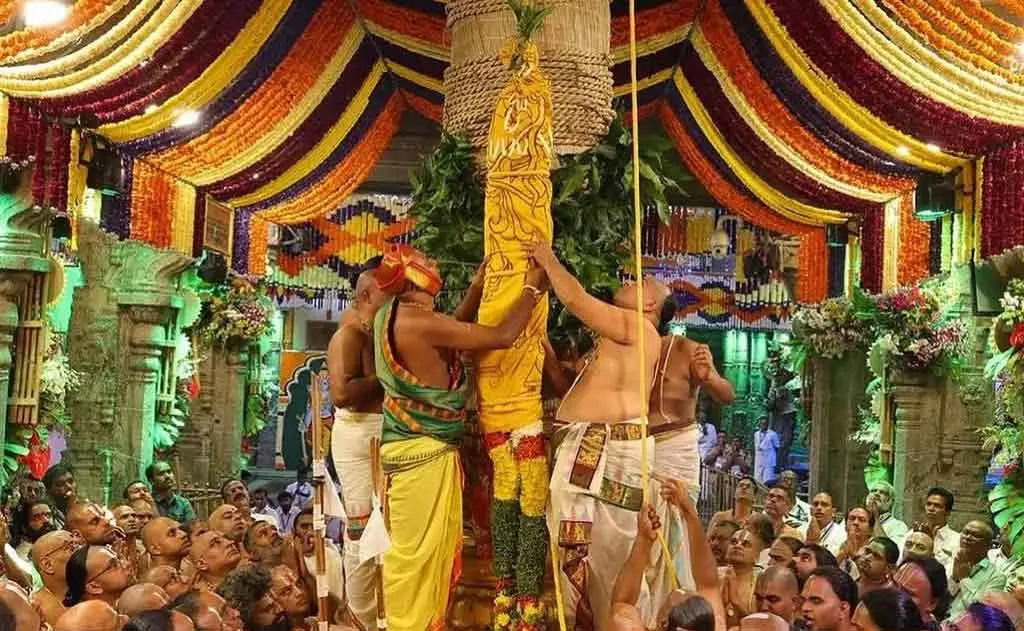
Tirumala Brahmotsavam 2026: Complete 9-Day Vahana Seva Schedule, Garuda Vahanam Darshan & NRI Booking Guide
Vaikuntha Ekadashi 2026 at Tirumala: Sorgavasal Darshan Complete Guide, Fasting, Mantras & NRI Planning
TTD Tirupati Laddu Prasadam Complete Guide 2026: Types, Booking, Price, NRI Postal Scheme & GI Tag History