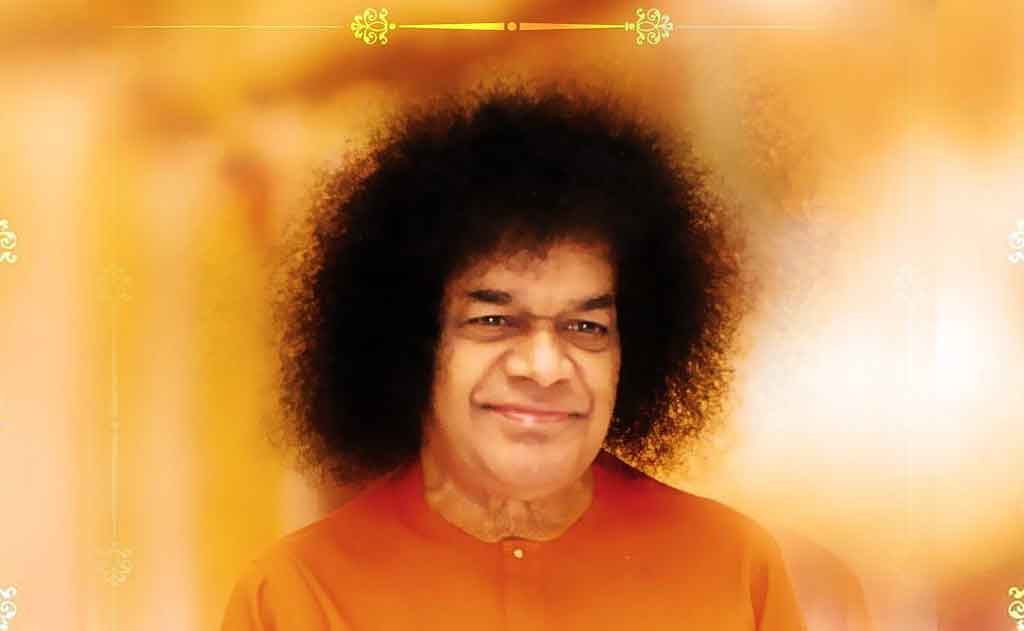
How Sathya Sai Baba's Humanitarian Work Changed Millions: Hospitals, Schools, and Beyond

In an era marked by increasing healthcare costs and educational inequality, one spiritual leader's vision transformed the landscape of humanitarian service in India and beyond. Sathya Sai Baba's humanitarian work has touched the lives of millions through an unprecedented network of free hospitals, educational institutions, and infrastructure projects that continue to serve communities worldwide—even years after his passing in 2011.
In an era marked by increasing healthcare costs and educational inequality, one spiritual leader's vision transformed the landscape of humanitarian service in India and beyond. Sathya Sai Baba's humanitarian work has touched the lives of millions through an unprecedented network of free hospitals, educational institutions, and infrastructure projects that continue to serve communities worldwide—even years after his passing in 2011.
As we commemorate the centenary year of Sri Sathya Sai Baba's birth in 2025, it's essential to understand how his philosophy of selfless service created sustainable models of compassion that challenge conventional approaches to healthcare, education, and social welfare.
Table of Contents
- The Foundation: Love All, Serve All
- Revolutionary Healthcare: Sai Baba Free Hospitals
- Transformative Education: Sri Sathya Sai Institutes
- Quenching Millions: Water Projects That Changed Lives
- 2025 Medical Camps: Madagascar and Beyond
- Global Impact: Statistics That Matter
- The Sustainable Model: How It Works
- Continuing Legacy
<a name="the-foundation"></a>
The Foundation: Love All, Serve All
Born on November 23, 1926, in the small village of Puttaparthi, Andhra Pradesh, Sathya Sai Baba built a global movement centered on five universal human values: Truth (Sathya), Righteousness (Dharma), Peace (Shanti), Love (Prema), and Non-Violence (Ahimsa). His humanitarian philosophy was simple yet revolutionary: healthcare is a human right, education should be free, and clean water is essential for human dignity.
Core Principles of Sathya Sai Baba Humanitarian Work
- Universal Access: Services must be available to all, regardless of religion, caste, nationality, or economic status
- Zero Cost to Patients: No fees, ever—for consultations, surgeries, medications, or follow-up care
- World-Class Standards: The poor deserve the same quality of care as the wealthy
- Compassionate Service: Medical care delivered with love and respect for human dignity
- Sustainability: Creating replicable models that can function long-term without profit motives
<a name="revolutionary-healthcare"></a>
Revolutionary Healthcare: Sai Baba Free Hospitals That Redefined Medical Service
The Super Specialty Hospitals: Temples of Healing
Sathya Sai Baba's healthcare mission began with the establishment of general hospitals, but his vision truly materialized with the creation of two super-specialty hospitals that have become global models for compassionate healthcare.
Sri Sathya Sai Institute of Higher Medical Sciences, Puttaparthi (1991)
Inaugurated on November 22, 1991, by the Prime Minister of India, this hospital was constructed in just one year—a feat considered miraculous by any standard. The hospital features:
- 300 beds across 12 surgical units
- 5 intensive care units with state-of-the-art equipment
- 2 cardiac catheterization laboratories
- 24-hour emergency services
- Specialties including cardiology, cardiac surgery, urology, nephrology, and ophthalmology
Impact Statistics (1991-2015):
- Over 47,000 cardiac procedures performed
- 5,652 urological surgeries completed
- 71 kidney transplants conducted
- Mortality rate of just 0.87%—lower than hospitals in developed nations
Sri Sathya Sai Institute of Higher Medical Sciences, Whitefield (2001)
Opened on January 19, 2001, in Bangalore, this 333-bed facility focuses on:
- Neurology and neurosurgery
- Cardiology and cardiothoracic surgery
- Advanced imaging (128-slice CT scanner, 1.5T MRI)
- Biplane neuro-vascular laboratory
Remarkable Achievements (2001-2015):
- 46,535 cardiology procedures performed
- 20,720 neurology procedures completed
- Market value of 2013 surgeries alone: USD 9.3 million—all provided free
- Patient satisfaction rates consistently above 95%
The Cost Comparison That Shocks Healthcare Systems
How Do They Maintain Zero Cost?
The sustainability of Sai Baba free hospitals comes from:
- Efficient Cost Management: Evidence-based care without profit motives
- Volunteer Support: Leading physicians worldwide donate their time
- Optimized Hospital Stays: Patients discharged based on medical need, not insurance
- Philanthropic Funding: Donations from devotees and the Sri Sathya Sai Central Trust
- Lean Operations: Minimal administrative overhead focused entirely on patient care
General Hospitals and Mobile Medical Services
Beyond super-specialty care, the Sathya Sai healthcare network includes:
- Sri Sathya Sai General Hospital, Puttaparthi (established 1956): Over 2 million outpatients served since inception
- Sri Sathya Sai General Hospital, Whitefield (1977): 2 million cases treated, 20,000+ surgeries
- Mobile Hospitals (launched 2006): Bringing healthcare to remote villages, recognized by CNBC-TV18 for innovation
<a name="transformative-education"></a>
Transformative Education: Sri Sathya Sai Institutes of Higher Learning
A Revolutionary Educational Model
Sathya Sai Baba education is built on a unique concept called "Educare"—education that brings out the innate goodness and human values in students, not just career preparation.
Sri Sathya Sai Institute of Higher Learning (SSSIHL)
Founded in 1981 and granted deemed university status by India's University Grants Commission, SSSIHL operates on principles unprecedented in higher education:
Key Features:
- 100% free education for all students—tuition, lodging, and boarding
- Four campuses: Three for men (Prasanthi Nilayam, Brindavan, Muddenahalli) and one for women (Anantapur)
- Ranked 151-200 in NIRF India Rankings 2025
- NAAC accredited with A++ grade
- Low student-teacher ratio: 8:1 for personalized attention
Academic Excellence:
- Offers undergraduate, postgraduate, and doctoral programs
- Disciplines include Sciences, Arts, Management, Engineering, and Architecture
- 1,581 scientific papers published with 17,207 citations
- Free education saved students ₹19.50 crore in fees in 2019 alone
- 1,345 students received financial support in 2019
Value-Based Education Worldwide
The Sathya Sai educational model has inspired schools globally:
Notable Examples:
- Australia: Sathya Sai College, Murwillumbah—won 2019 Tweed Sustainability Award in Education
- Canada: Sathya Sai School ranked among top 37 elementary schools in Ontario by Fraser Institute
- Fiji: Sathya Sai Primary School, Lautoka—nearly free education since 2000
- Trinidad and Tobago: Longdenville Sathya Sai Primary School achieved 87.5% above national average in 2024 assessments
- Zambia: Educational philosophy praised as "enlightening to educationists"
Global Reach:
- 1,969 Sathya Sai Centers in 120 countries
- Thousands of students educated free annually
- Curriculum integrates academic excellence with human values training
The Bal Vikas Program
The children's spiritual education program has touched millions of young lives worldwide, including notable alumni like Bollywood actress Aishwarya Rai Bachchan, who recently spoke at the centenary celebrations about how the program shaped her values and approach to life.
<a name="water-projects"></a>
Quenching Millions: Global Water Projects That Transformed Communities
Among Sathya Sai Baba's humanitarian work, the drinking water projects stand out for their massive scale and immediate impact on quality of life.
The Anantapur Water Project (1995-2013)
Phase 1 (1995):
- Served 1.25 million people in 750 villages
- Tapped river water from dams and canals
- Created elaborate network of storage reservoirs and pipelines
Phase 2 (2013):
- Extended services to 250,000 additional people
- Focused on underserved populations from Phase 1
Expanding the Water Revolution
Medak and Mahbubnagar Districts (2001)
- Provides potable water to 320 villages
- Serves over 1 million people
- Dramatically reduced water-borne diseases
East and West Godavari Districts (2007)
- Benefits 690,000 people
- Comprehensive water distribution network
- Improved health indices across communities
Chennai Water Project (2002-2004)
- The ₹200 crore project brought Krishna River water to Chennai
- Rebuilt and modernized the Telugu Ganga Canal (renamed Sathya Sai Ganga Canal)
- Benefits millions in Chennai city
- Praised even by atheist Chief Minister M. Karunanidhi, who distinguished Sai Baba from "fake godmen"
Total Water Project Impact
Recognition and Impact
- Ninth Five Year Plan (India): Cited project as worthy of emulation
- Fourth World Water Forum (Mexico, 2006): Named one of ten best Local Action Projects contributing to Millennium Development Goals
- UN Recognition (2020): Sri Sathya Sai Central Trust granted Special Consultative status by UN Economic and Social Council
- Health Improvements: Marked reduction in fluorosis and water-borne diseases; improved health indices for millions
The UN Sustainable Development Goals Connection
The water projects directly contribute to:
- SDG 6: Clean Water and Sanitation
- SDG 3: Good Health and Well-Being
- SDG 2: Zero Hunger (through improved agricultural water access)
- SDG 11: Sustainable Cities and Communities
<a name="2025-medical-camps"></a>
2025 Medical Camps: Madagascar and Global Humanitarian Outreach
As part of the centenary celebrations of Sathya Sai Baba's birth, the Sri Sathya Sai International Organization (SSSIO) has intensified its global humanitarian efforts with special emphasis on medical camps reaching underserved communities.
The Madagascar Medical Camp (April 21-25, 2025)
This special centenary project brought high-quality medical care to Antananarivo, Madagascar, marking a significant milestone in the global expansion of Sathya Sai healthcare services.
Camp Objectives:
- Provide free, comprehensive medical care to underserved populations
- Foster unity and spiritual upliftment among volunteers and patients
- Create lasting healthcare infrastructure connections
- Serve as a model for future international medical camps
The Global Medical Camp Network
Annual Impact Statistics (April 2017 - March 2018):
- 282 medical camps conducted across 32 countries
- 168,102 patients served
- 67,578 patients in medical and dental camps
- 100,524 patients in permanent medical clinics and mobile units
- 370 blood donation drives organized
- Services include: dentistry, ophthalmology, specialized surgeries (cataract, fibroid, urological), hospice care, and health education programs
Regional Medical Camp Examples
Nepal Medical Camp (February 2020):
- 735 patients served in Thulakhet, Pokhara
- 125 volunteers: 19 doctors, 26 paramedics, 90 SSIO volunteers
- Services provided:
- 185 laboratory investigations
- 135 ECG examinations
- 200+ ultrasound scans
- 100+ dental procedures
- 17 cataract surgeries sponsored
- Emergency cardiac care (one patient transferred immediately to specialized center)
- Additional services: 50 walking sticks for seniors, hot meals for 1,400 people
USA Regional Medical Camps: Annual camps in California (Corona, Oxnard) serve thousands of underserved patients with:
- General medical consultations
- Dental care
- Vision screening and eyeglasses
- Laboratory services
- Prescription medications
- Health education
International Medical Camps in Puttaparthi: During major festivals (November birthday, December Christmas, July Guru Poornima), international medical camps serve millions of visitors with:
- Acute care clinics
- Pediatrics
- Eye care
- Primary care and diabetes management
- Full pharmacy services
- Example: 7-day camp treated 11,000 patients with 19 doctors and 22-25 volunteers; eye clinic alone dispensed 1,000 eyeglasses in one day
Kenya Medical Clinic (July 2018)
Free clinic inaugurated in Nairobi providing:
- Medical services
- Dental care
- Prenatal and postnatal maternity services for indigent mothers
- Recognition from local government and mayor
<a name="global-impact"></a>
Global Impact: Statistics That Demonstrate Scale
Healthcare Services Worldwide
Hospitals and Clinics:
- 2 super-specialty hospitals (India)
- 4 general hospitals (India)
- 2 mobile hospitals (India)
- 38 permanent medical clinics globally (as of 2018)
- Countless temporary medical camp sites
Patient Care Numbers:
- Over 3 million outpatients served in general hospitals since inception
- 67,000+ major surgeries performed in super-specialty hospitals (cardiac, neuro, urological)
- 168,000+ patients served annually through medical camps and clinics globally
- 370+ blood donation drives conducted annually
Educational Impact
Institutions:
- 1 deemed university (SSSIHL) with 4 campuses
- Numerous primary and secondary schools globally
- 1,969 Sathya Sai Centers in 120 countries conducting educational activities
Student Reach:
- Thousands educated free of cost annually at SSSIHL
- Tens of thousands through Sathya Sai schools worldwide
- Millions impacted through Bal Vikas (children's values education) program
Water Projects Impact
- 3.19+ million people directly served with clean water
- 1,570+ villages connected to water supply systems
- ₹650+ crore (approximately USD 78 million) value of projects transferred to government
- Dramatic reduction in water-borne diseases and fluorosis in served regions
Global Organization Reach
- 1,969 Sathya Sai Centers in 120 countries
- Estimated 6-100 million followers worldwide (estimates vary)
- Active volunteer base in 75+ countries
- Presence on all inhabited continents
<a name="sustainable-model"></a>
The Sustainable Model: Replicating Love-Based Service
What makes Sathya Sai Baba's humanitarian work truly revolutionary isn't just the scale—it's the sustainability without profit motives. Here's how the model works:
Financial Sustainability
- Philanthropic Base: Funded entirely by voluntary donations from devotees and the Sri Sathya Sai Central Trust
- No Revenue Generation: Zero charges to patients or students
- Efficient Operations: Minimal administrative costs; focus on service delivery
- Volunteer Spirit: Extensive volunteer network reduces operational costs
- Evidence-Based Care: Medical decisions based on patient need, not insurance or profit
Spiritual Sustainability
- Value-Based Motivation: Service as spiritual practice, not employment
- Selfless Service (Seva): Volunteers serve with love and compassion
- Community Engagement: Local communities take ownership of projects
- Continuous Inspiration: Teachings and example of Sathya Sai Baba continue to inspire new volunteers
Operational Excellence
- Quality Standards: World-class facilities and equipment
- Professional Management: Expert administrators and healthcare professionals
- Continuous Training: Regular skill development for staff and volunteers
- Innovation: Adopting new technologies while maintaining zero-cost principle
Replicability Factors
The model has been successfully replicated because:
- Clear philosophical foundation (five human values)
- Detailed operational guidelines
- Strong organizational structure (SSSIO)
- Demonstrated results attracting support
- Scalable from small clinics to major hospitals
<a name="continuing-legacy"></a>
Continuing Legacy: The Centenary Year and Beyond
2025 Centenary Celebrations
The year 2025 marks 100 years since Sathya Sai Baba's birth, with celebrations highlighting:
SAI 100 Program: 12 Initiatives to Serve Humanity
- Intensified medical camps globally
- Expanded educational outreach
- Environmental service projects
- Community adoption programs (160 communities in 40 countries adopted for 95th birthday; ongoing expansion)
- Youth leadership development
- Global human values education
- Disaster relief preparedness
- Healthcare infrastructure development
- Water conservation projects
- Cultural preservation
- Interfaith dialogue
- Service documentation and knowledge sharing
Notable Recognition in 2025
- New York State Proclamation: April 24 declared "Human Values Day"
- Prime Minister Narendra Modi's Participation: Attended centenary celebrations in Puttaparthi, recognizing the national significance
- Global Media Coverage: International attention on the humanitarian legacy
- Aishwarya Rai Bachchan's Tribute: Highlighted how Bal Vikas program shaped her life and values
Continuing Institutional Growth
New Hospitals:
- Sri Sathya Sai Sanjeevani Child Heart Centers expanded across India since 2012
- Treating children with congenital heart disease completely free
- 240,000+ children born annually with heart disease in India—these centers address critical need
Educational Expansion:
- Trinidad government-assisted status granted to Longdenville Sathya Sai Primary School (2025)
- Students achieving 87.5% above national average
- Model being studied by education ministries globally
Impact on Healthcare Policy
The Sathya Sai hospital model has influenced global healthcare discussions:
- Cited in academic journals on value-based healthcare
- Used in business school case studies (INSEAD) on sustainable healthcare
- Referenced in discussions on universal healthcare models
- Example of how mindfulness and medicine can integrate effectively
The Digital Age Adaptation
While maintaining core values, the organization has embraced technology:
- Telemedicine services for remote consultations
- Online platforms for educational content
- Virtual medical conferences and training
- Digital documentation and medical records (while maintaining patient privacy)
- Social media outreach for volunteer recruitment
Why Sathya Sai Baba's Humanitarian Work Matters Today
In a world where:
- Healthcare costs are primary cause of personal bankruptcy
- Educational debt cripples young people for decades
- Water scarcity affects billions
- Inequality continues to widen
The Sathya Sai model demonstrates that another way is possible. It proves that:
- World-class healthcare can be provided free when profit is removed from the equation
- Education can be both excellent and free when the focus is on human development, not revenue
- Large-scale infrastructure projects can be accomplished through voluntary contributions
- Sustainability without profit is achievable with proper values and management
- Compassion and excellence are not mutually exclusive
Call to Action
Whether you're a healthcare professional, educator, philanthropist, policymaker, or simply someone who believes in service to humanity, the Sathya Sai model offers inspiration and practical lessons:
For Healthcare Professionals: Consider volunteering at Sathya Sai hospitals or medical camps. Experience firsthand how medicine practiced with love transforms both healer and patient.
For Educators: Explore the Educare philosophy. How can your institution integrate human values with academic excellence?
For Philanthropists: Study how the Sathya Sai organizations achieve maximum impact per dollar donated. Consider supporting or replicating this model.
For Policymakers: The Sathya Sai approach offers proven alternatives to market-based healthcare and education. What elements could inform public policy?
For Everyone: Visit SSSIO.org to learn more about volunteering, donating, or participating in programs near you. Even small acts of selfless service contribute to the larger mission.
Conclusion: A Legacy of Love in Action
Sathya Sai Baba's humanitarian work stands as one of the most comprehensive and impactful examples of faith-based service in modern history. From the super-specialty hospitals treating heart conditions that would cost hundreds of thousands of dollars elsewhere, to the universities providing world-class free education, to the water projects quenching the thirst of millions—every initiative embodies the principle "Love All, Serve All."
The statistics are staggering: millions served, billions of rupees worth of free services, thousands of lives saved, countless futures transformed through education. But beyond the numbers lies something even more profound: a proven model for how humanity can address its greatest challenges through selfless love and organized compassion.
As we celebrate the centenary of his birth in 2025, with medical camps reaching Madagascar and beyond, the question isn't whether Sathya Sai Baba's vision was important for his lifetime—it's whether we will have the courage to embrace and expand it for ours.
The hospitals continue to operate, the schools continue to educate, the water flows, and volunteers continue to serve. The legacy lives not just in buildings and institutions, but in every heart touched by compassionate service, every life saved, every child educated, every community transformed.
In Sathya Sai Baba's own words: "Hands that serve are holier than lips that pray."
The next chapter of this humanitarian legacy is being written now—and you can be part of it.
Additional Resources
Official Websites:
- Sri Sathya Sai International Organization: www.sathyasai.org
- Sri Sathya Sai Institute of Higher Learning: www.sssihl.edu.in
- Sri Sathya Sai General Hospital: www.sssgh.org
UN Recognition:
Academic Research:
- INSEAD Knowledge: "India's Free Specialty Hospitals Combine Medicine With Mindfulness"
- PMC: "A value-based, no-cost-to-patient health model in the developing world"
Contact for Volunteering:
- Email: info@sathyasai.org
- Find your local Sathya Sai Center: SSSIO Centers Directory
Published by HinduTone.com | Celebrating spiritual wisdom and humanitarian service
Keywords: Sathya Sai Baba humanitarian work, Sai Baba free hospitals, Sathya Sai Baba education, free super specialty hospitals India, value-based education, drinking water projects India, medical camps worldwide, philanthropy without profit, compassionate healthcare model, Sri Sathya Sai Institute of Higher Learning
Related Articles:
- The Five Human Values: Foundation of Sathya Sai Philosophy
- How to Volunteer at Sathya Sai Medical Camps
- Free Education Models: Lessons from SSSIHL
- Water Projects That Transform Communities: A Deep Dive
Share this article to spread awareness about how humanitarian work can transform millions of lives. Follow HinduTone for more stories of spiritual wisdom in action.
You might also like

America's Divine Homage to Bhagawan Sri Sathya Sai Baba's 100th Birth Anniversary: A Nationwide Embrace of Love, Service, and Unity
Celebrating Sathya Sai Baba’s 100th Birthday: City-Wise Events Across the United States in 2025
5 Timeless Sathya Sai Baba Teachings on Human Values for Inner Peace in 2025