5 Timeless Sathya Sai Baba Teachings on Human Values for Inner Peace in 2025
In an era dominated by digital distractions, workplace burnout, and relationship complexities, the search for inner peace has never been more urgent.
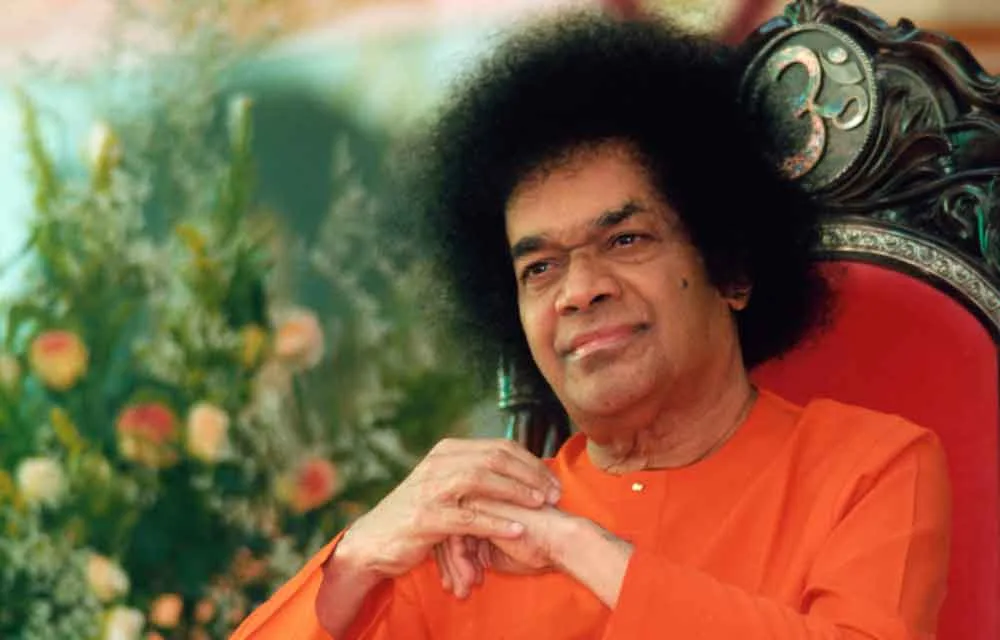
In an era dominated by digital distractions, workplace burnout, and relationship complexities, the search for inner peace has never been more urgent.
In an era dominated by digital distractions, workplace burnout, and relationship complexities, the search for inner peace has never been more urgent. As we navigate the challenges of 2025, the Sathya Sai Baba teachings on human values offer a profound roadmap to tranquility and purpose. These universal principles, rooted in ancient wisdom yet remarkably relevant to modern life, have guided millions toward spiritual fulfillment and practical transformation.
Sathya Sai Baba, the revered spiritual leader whose teachings continue to inspire devotees worldwide, emphasized five fundamental human values that form the cornerstone of a peaceful existence: Sathya (Truth), Dharma (Righteousness), Shanti (Peace), Prema (Love), and Ahimsa (Non-violence). These Sai Baba human values aren't merely philosophical concepts—they're actionable principles that address contemporary issues from workplace stress to family conflicts.
As we approach significant commemorations of his legacy, interest in Sathya Sai Baba universal values continues to surge. This comprehensive guide explores each teaching with practical examples, real-life applications, and actionable insights for transforming your daily life in 2025 and beyond.
Sathya: The Foundation of Truth in Modern Living
Sathya, or truthfulness, stands as the bedrock of all spiritual growth according to Sathya Sai Baba's teachings. But this concept extends far beyond simply not lying—it encompasses living authentically, honoring your word, and aligning your thoughts, words, and actions.
In one of his most powerful discourses, Sathya Sai Baba stated: "Truth is the breath of life to human beings. If falsehood is propagated, it may appear to bring some benefits initially, but it will certainly lead to disaster in the end." This teaching resonates powerfully in 2025's era of social media facades and corporate greenwashing.
Real-Life Applications of Sathya
In Professional Settings: Consider the modern workplace dilemma of inflating achievements on resumes or overpromising to clients. A marketing professional named Priya transformed her career by applying Sathya—she began setting realistic expectations with clients, admitting when she didn't know something, and delivering honest feedback to her team. Initially, she feared this honesty would cost her business. Instead, her reputation for integrity attracted higher-quality clients who valued transparency, reducing her stress and increasing long-term success.
In Personal Relationships: Truth-telling in relationships doesn't mean brutal honesty without compassion. It means having difficult conversations about needs, boundaries, and feelings rather than letting resentment build. When Rajesh applied Sathya in his marriage, he stopped saying "I'm fine" when he wasn't. This vulnerability, though initially uncomfortable, deepened intimacy and resolved conflicts that had festered for years.
Digital Age Application: In 2025's information-saturated world, practicing Sathya means fact-checking before sharing, being authentic on social media rather than curating a perfect image, and consuming truthful content. This reduces anxiety caused by living a double life online versus offline.
Practical Exercise for Cultivating Sathya
Start with a 7-day "Truth Audit": Each evening, reflect on moments when your words, thoughts, and actions aligned—and when they didn't. Note situations where you exaggerated, withheld important information, or acted inconsistently with your values. This awareness naturally guides you toward greater authenticity.
Dharma: Righteousness as Your Inner Compass
Dharma represents righteous conduct, duty, and moral living. Sathya Sai Baba taught that Dharma isn't about rigid rules but about discerning right action in each unique situation. It's the inner compass that guides ethical behavior even when no one is watching.
The essence of Dharma, according to Sai Baba's teachings, is understanding your responsibilities and fulfilling them with dedication. "Duty without love is deplorable, duty with love is desirable, love without duty is Divine," he proclaimed, offering a framework for approaching obligations with both commitment and compassion.
Real-Life Applications of Dharma
Navigating Ethical Dilemmas: A software engineer, Amit, discovered his company was using user data unethically. Practicing Dharma, he raised concerns through proper channels despite potential career risks. When ignored, he documented issues and eventually left the company, reporting violations to regulatory authorities. Though this temporarily disrupted his career, he found a position at an ethical firm where his integrity was valued, ultimately advancing faster than he would have in the corrupt environment.
Balancing Multiple Roles: Modern life demands we juggle roles as professionals, parents, children, and partners. Dharma teaches prioritization based on what's right in each moment. When Kavita's aging mother needed care during a crucial work project, she applied Dharma by transparently communicating with her employer, arranging flexible hours, and being fully present in each role rather than half-heartedly multitasking. This righteousness brought unexpected support from her team and deeper connection with her mother.
Environmental Responsibility: In 2025's climate-conscious world, Dharma extends to our environmental duties. This means making sustainable choices not because they're trendy but because protecting creation is our righteous responsibility. Simple acts like reducing plastic use, conserving energy, and supporting ethical businesses become spiritual practices.
Practical Exercise for Cultivating Dharma
Create a "Dharma Decision Matrix": When facing difficult choices, ask yourself three questions: (1) Is this action truthful? (2) Does it cause harm to anyone? (3) Am I fulfilling my responsibilities? This framework helps navigate complex situations where the right path isn't immediately clear.
Shanti: Discovering Peace Amidst Modern Chaos
Shanti, or inner peace, is perhaps the most sought-after yet elusive quality in contemporary life. Sathya Sai Baba taught that true peace isn't the absence of challenges but a state of equanimity that remains unshaken by external circumstances.
"Peace is the very nature of man," Sai Baba taught. "It is his true nature. Restlessness is only on the surface, like waves on an ocean. In the depths, there is eternal peace." This profound insight challenges the modern assumption that we must eliminate all stressors to find peace.
Real-Life Applications of Shanti
Workplace Stress Management: Software developer Neha faced crushing deadlines and demanding clients. Instead of resigning (her first impulse), she applied Shanti principles: starting her day with 10 minutes of silent contemplation, responding to urgent emails only after taking three deep breaths, and maintaining mental boundaries between work stress and her inherent peace. Within months, her blood pressure normalized, and colleagues noticed she remained calm in crises—leading to a promotion specifically because of her composed leadership.
Relationship Conflicts: When arguments erupted with his teenage son, Suresh practiced Shanti by pausing before reacting. He recognized that his peace wasn't dependent on his son's behavior. This shift from reactive to responsive parenting transformed their relationship—his son began opening up because he felt heard rather than judged.
Information Overload: In 2025's 24/7 news cycle, maintaining Shanti requires conscious boundaries. This means designated times for checking news and social media, curating your digital environment to reduce anxiety triggers, and remembering that your peace exists independent of global events you cannot control.
Practical Exercise for Cultivating Shanti
Implement the "STOP Practice" when stress arises:
- Stop whatever you're doing
- Take three conscious breaths
- Observe your thoughts and feelings without judgment
- Proceed with awareness
This 30-second practice creates space between stimulus and response, allowing your inherent peace to surface.
Prema: Unconditional Love as Life's Purpose
Prema, or divine love, represents the highest human value in Sathya Sai Baba's teachings. This isn't romantic love or emotional attachment—it's unconditional love that sees the divine in all beings and extends compassion without expectation of return.
"Love is giving, not receiving," Sai Baba emphasized. "Love is sacrifice. Love is service. Love is the essence of life." In 2025's increasingly transactional world, this teaching offers a revolutionary perspective on relationships, success, and fulfillment.
Real-Life Applications of Prema
Transforming Difficult Relationships: Meera struggled with a toxic colleague who constantly undermined her. Instead of engaging in office politics, she applied Prema—recognizing that the colleague's behavior stemmed from insecurity. She began genuinely appreciating the colleague's contributions and offering help without agenda. Over six months, the dynamic completely shifted. The colleague became an ally, later confiding that Meera's unexpected kindness during a personal crisis had changed her perspective entirely.
Parenting with Prema: Love as Sai Baba taught it means wanting the best for others even when that requires difficult conversations or boundaries. When Ravi discovered his daughter's substance abuse, Prema guided him to respond with firm compassion rather than punishment or enabling—setting clear consequences while affirming unconditional love. This balance, though agonizing, ultimately supported his daughter's recovery.
Self-Love and Compassion: Many people extend love to others while harboring harsh self-criticism. Prema includes treating yourself with the same kindness you offer loved ones. This means forgiving your mistakes, honoring your needs, and recognizing your inherent worth independent of achievements—crucial antidotes to 2025's productivity obsession.
Community Service: The truest expression of Prema is selfless service. This doesn't require grand gestures—small acts like listening fully to a lonely neighbor, mentoring someone in your field, or volunteering at local organizations embody divine love in action.
Practical Exercise for Cultivating Prema
Practice "Loving-Kindness Expansion": Begin your day by directing well-wishes toward yourself, then gradually expand to loved ones, neutral people, difficult people, and finally all beings. This ancient practice, aligned with Sai Baba's teachings, neurologically rewires your brain toward compassion.
Ahimsa: Non-Violence in Thought, Word, and Deed
Ahimsa, or non-violence, completes the five human values. While often associated with physical non-aggression, Sathya Sai Baba taught that true Ahimsa extends to violent thoughts, harsh words, and harmful actions—including violence toward oneself.
"Non-violence is not merely non-killing," Sai Baba explained. "Complete non-violence means complete absence of ill will, hatred, and enmity towards all beings." This comprehensive definition makes Ahimsa particularly relevant to modern challenges like cyberbullying, political polarization, and self-destructive behaviors.
Real-Life Applications of Ahimsa
Digital Communication: Online interactions in 2025 often devolve into vicious attacks. Practicing Ahimsa means pausing before posting inflammatory comments, choosing words that don't wound even when disagreeing, and refusing to participate in mob mentality. Tech professional Arjun made a rule: never respond to inflammatory content immediately, and always ask, "Will this add understanding or just heat?" This practice preserved his mental peace and modeled constructive dialogue for his children.
Dietary Choices: For many practitioners, Ahimsa extends to food choices, embracing vegetarianism or veganism as an expression of compassion toward all life. Whether you adopt this fully or simply become more conscious about your consumption, the principle encourages mindful eating that considers the impact on other beings.
Mental Violence: The most overlooked aspect of Ahimsa is violence toward ourselves—negative self-talk, pushing beyond healthy limits, and harboring resentment. Leela transformed her relationship with her body by applying Ahimsa to exercise and eating: moving in ways that felt nurturing rather than punishing, eating with gratitude rather than guilt. This shift from violence to compassion toward herself paradoxically helped her achieve health goals that years of harsh discipline hadn't accomplished.
Conflict Resolution: Ahimsa doesn't mean passivity when facing injustice. It means addressing wrongs firmly but without hatred. When Vikram's business partner embezzled funds, he pursued legal action to protect the company and employees while maintaining the mental stance that the partner was a suffering being who had lost his way—not an enemy to be destroyed.
Practical Exercise for Cultivating Ahimsa
Conduct a "Violence Inventory": For one week, notice moments of violence in thought (judgment, harsh criticism), word (gossip, sarcasm), and deed (aggressive driving, forceful interactions). Simply observing these patterns without self-judgment begins transforming them.
Integrating the Five Values: A Holistic Approach to Inner Peace
While each value offers profound benefits individually, Sathya Sai Baba taught that they work synergistically. Truth without love becomes harsh; love without righteousness becomes sentimentality; peace without truth becomes complacency. The integration of all five values creates a complete framework for living.
Consider this daily integration practice:
Morning: Begin with Sathya—set honest intentions for your day aligned with your true values, not merely what others expect.
Midday: Check in with Dharma—are you fulfilling your responsibilities with dedication and integrity?
Afternoon: Practice Shanti—regardless of external circumstances, reconnect with your inner peace through conscious breathing or brief meditation.
Evening: Extend Prema—perform at least one act of selfless service or kindness, even something small like a genuine compliment or helping hand.
Night: Reflect on Ahimsa—review the day for moments when you caused harm in thought, word, or deed, and resolve to do better tomorrow.
Overcoming Modern Obstacles to These Timeless Values
Digital Distraction: Constant connectivity fragments attention, making it difficult to practice self-reflection essential for these values. Solution: Designate "sacred time" daily when devices are off and you can contemplate these teachings.
Comparison Culture: Social media's highlight reels undermine Sathya (authentic living) and Shanti (inner peace). Solution: Limit exposure and remember that everyone's journey is unique.
Instant Gratification: Modern life conditions us to expect immediate results, but cultivating human values is a lifelong practice. Solution: Celebrate small progress and trust the process.
Moral Complexity: 2025's interconnected world presents ethical dilemmas our ancestors never faced. Solution: Return to the core question—does this action promote truth, righteousness, peace, love, and non-violence?
Conclusion: Your Journey Toward Inner Peace Begins Today
The Sathya Sai Baba teachings on human values aren't merely philosophical ideals—they're practical tools for navigating 2025's unique challenges while cultivating lasting inner peace. Whether you're struggling with workplace stress, relationship conflicts, or simply seeking deeper meaning, these five values offer a time-tested roadmap.
Start small. Choose one value to focus on this week. Notice how it shows up (or doesn't) in your daily life. Practice the exercises shared here consistently. Remember that transformation happens gradually through sustained effort, not overnight epiphanies.
These Sathya Sai Baba universal values have guided countless individuals toward more fulfilling, peaceful lives precisely because they address fundamental human needs that transcend culture, religion, and time. In an uncertain world, they provide the certainty of a principled path forward.
As Sathya Sai Baba himself taught: "Life is a challenge—meet it. Life is a dream—realize it. Life is a game—play it. Life is love—enjoy it." By embracing these five human values, you equip yourself not just to survive modern challenges but to thrive with purpose, peace, and profound inner fulfillment.
Frequently Asked Questions
What is 5 Timeless Sathya Sai Baba Teachings on Human Values?
In an era dominated by digital distractions, workplace burnout, and relationship complexities, the search for inner peace has never been more urgent. As we navigate the challenges of 2025, the Sathya Sai Baba teachings on human values offer a profound roadmap to tranquility and purpose.
What are the key points about 5 Timeless Sathya Sai Baba Teachings on Human Values?
These universal principles, rooted in ancient wisdom yet remarkably relevant to modern life, have guided millions toward spiritual fulfillment and practical transformation. Sathya Sai Baba, the revered spiritual leader whose teachings continue to inspire devotees worldwide, emphasized five fundamental human values that form the cornerston
Why does 5 Timeless Sathya Sai Baba Teachings on Human Values matter in Hinduism?
It reflects core values of Sanatana Dharma and offers practical and spiritual guidance that remains relevant across generations.
How can devotees apply 5 Timeless Sathya Sai Baba Teachings on Human Values in daily life?
By reflecting on its teaching, incorporating the related practices or observances into daily routine, and approaching it with sincere devotion and understanding.
You might also like

Rama, Parashurama and the Mystery of Non-Duality — a Contemplation on Vishnu’s Avatars

Purushottam Maas 2026: Lord Vishnu's Sacred Gift of Spiritual Multiplication & Divine Grace
Shani Jayanti 2026: Date, Significance, Rituals & Powerful Mantras