What we need to Learn from Ramayan:
The Ramayana is one of the most cherished epics in Hindu tradition, offering valuable lessons on ethics, relationships, leadership, and spiritual wisdom.

The Ramayana is one of the most cherished epics in Hindu tradition, offering valuable lessons on ethics, relationships, leadership, and spiritual wisdom.
The Ramayana is one of the most cherished epics in Hindu tradition, offering valuable lessons on ethics, relationships, leadership, and spiritual wisdom. Here are key takeaways that Hindus (and others) can learn from the Ramayana, along with examples and stories that illustrate these principles.
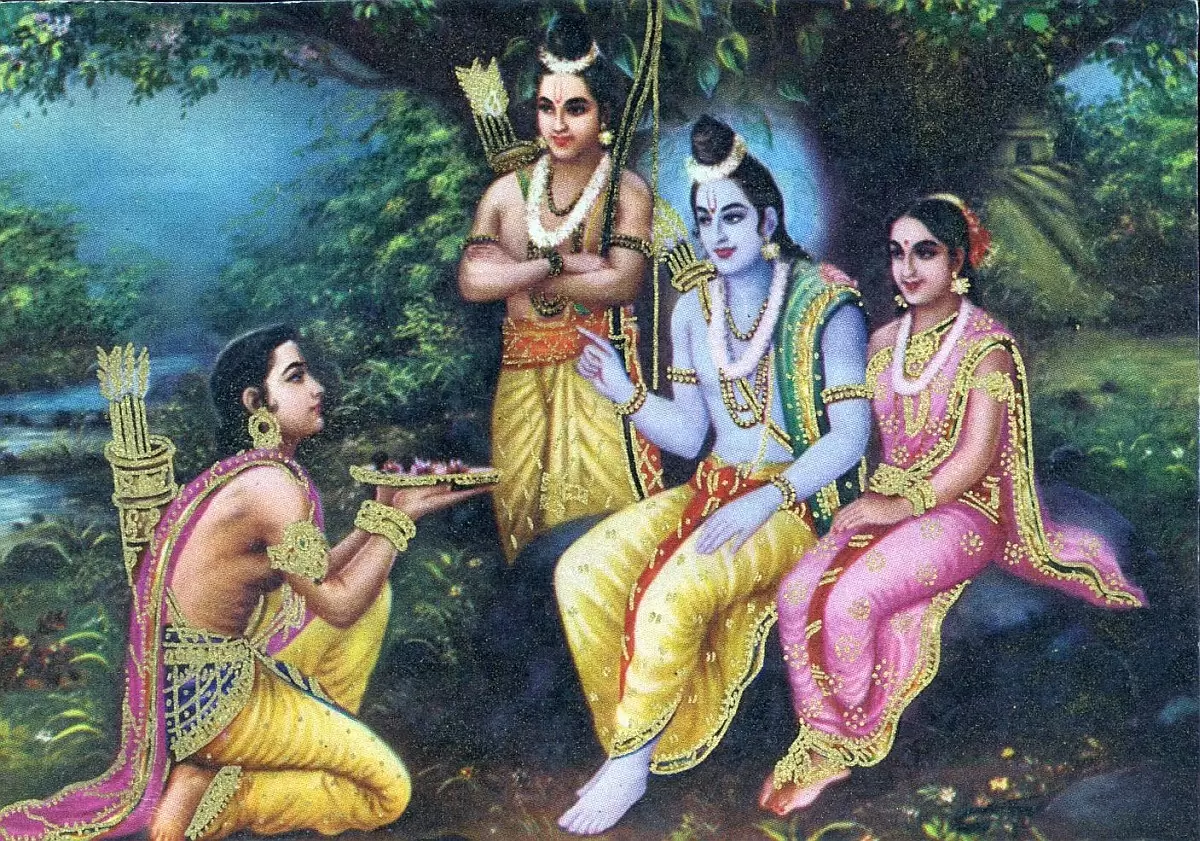
- Dharma (Righteousness and Duty) Story of Rama’s Exile: When Lord Rama was exiled to the forest for 14 years due to a promise made by his father, King Dasharatha, to Queen Kaikeyi, Rama accepted his fate with humility and obedience. He did not question his father’s decision or argue for his right to the throne, teaching us the importance of upholding dharma, even in difficult situations. Rama's unwavering commitment to duty exemplifies how personal interests must be set aside to honor one’s obligations.
Lesson: Upholding one's duty (dharma) is more important than personal desires. Rama’s adherence to dharma is a cornerstone lesson for life, teaching the value of discipline and responsibility, even in adverse conditions.
- Sacrifice and Service Story of Sita's Sacrifice: Sita’s decision to accompany Lord Rama into exile is a powerful example of sacrifice. As a princess, she could have chosen the comfort of the palace, but instead, she chose the hardships of the forest, supporting her husband’s dharma over her own personal comforts.
Lesson: The Ramayana teaches that personal sacrifices are essential for greater causes, especially in family life. Sita’s unwavering loyalty and service highlight the ideals of love and sacrifice in relationships.
- Devotion and Loyalty Story of Hanuman’s Devotion: Hanuman’s devotion to Lord Rama is one of the most powerful stories of loyalty in the Ramayana. From crossing the ocean to find Sita, to setting Lanka ablaze to protect her, Hanuman’s selfless service and total dedication to Rama stand as an extraordinary example of bhakti (devotion). When Rama asked how he could repay Hanuman, Hanuman responded that serving Rama was reward enough.
Lesson: The story of Hanuman teaches us the power of pure devotion, humility, and selflessness in serving a higher purpose. His loyalty, courage, and tireless efforts remind us to dedicate ourselves to noble causes without expecting rewards.
- Compassion and Forgiveness Story of Vibhishana: Vibhishana, the brother of Ravana, chose to leave Lanka and join Rama’s side when he realized Ravana was on the wrong path. Despite being Ravana’s brother, he stood for righteousness and offered help to Rama. Even though Vibhishana was originally Ravana's ally, Rama forgave his association with the enemy and accepted him into his fold.
Lesson: Compassion and forgiveness are essential virtues. Instead of holding grudges or being suspicious of Vibhishana’s past, Rama embraced him because of his intention to do good. This teaches us to look beyond someone's past and value their present intentions.
- The Importance of Relationships Story of Bharata’s Love for Rama: Bharata, Rama's younger brother, exemplifies how selflessness and familial love can transcend personal ambition. Although he was offered the throne after Rama’s exile, Bharata refused to rule as king. He instead placed Rama’s sandals on the throne and governed the kingdom on Rama’s behalf until his return, demonstrating absolute loyalty and love for his brother.
Lesson: The love and respect Bharata showed for his elder brother highlight the importance of strong family ties. His actions teach us the significance of humility and selfless love in relationships.
- The Consequences of Arrogance and Ego Story of Ravana’s Downfall: Ravana, the demon king of Lanka, was a powerful and learned ruler, but his arrogance and excessive pride led to his downfall. Despite being warned multiple times, his ego prevented him from returning Sita to Rama and avoiding war. His obsession with power and disregard for righteousness ultimately caused the destruction of his kingdom and his own death.
Lesson: Ravana’s story is a cautionary tale about the destructive nature of pride and unchecked desires. The Ramayana teaches that arrogance blinds us to truth and leads to downfall. It emphasizes the need for humility and self-awareness.
- Strength in Unity Story of the Vanara Army: When Lord Rama needed to rescue Sita from Ravana, it was not just his personal strength that ensured success. He relied on the help of others, including Hanuman, Sugriva, and the Vanara (monkey) army. Each member, no matter their size or strength, contributed to the ultimate victory.
Lesson: This episode teaches us the value of teamwork and unity. No task is too big when people come together for a common purpose. Everyone, no matter how small their contribution, has an important role to play.
- Women’s Strength and Dignity Story of Sita’s Trial by Fire: After being rescued, Sita underwent an Agni Pariksha (trial by fire) to prove her purity, despite being held captive by Ravana. While controversial, this episode has been interpreted as a test of her own will and dignity. It is a symbol of the inner strength women possess in the face of hardship and societal judgment.
Lesson: Sita’s story speaks to the importance of inner strength and dignity, especially for women, in the face of challenges. It is a reminder to stand firm in one’s truth and self-respect, regardless of external circumstances.
- Faith in Divine Will Story of Rama’s Return: The people of Ayodhya waited 14 long years for Rama’s return from exile. Their faith in his return, despite hardships, reflects the deep belief in divine justice and order. When Rama finally returned, they celebrated with Diwali, symbolizing the triumph of good over evil.
Lesson: Faith and patience are crucial in life. Even during times of adversity, the Ramayana encourages us to trust in divine will and believe that good will eventually prevail.
Conclusion The Ramayana is a rich source of wisdom that provides timeless lessons on righteousness, devotion, leadership, and the consequences of choices. It teaches us to live a life rooted in dharma, compassion, humility, and service. Through the characters of Lord Rama, Sita, Hanuman, and others, we are reminded of the values that shape a virtuous life and the importance of upholding them, no matter how challenging the circumstances may be.
Frequently Asked Questions
What does Rama's exile teach about dharma?
Rama accepted 14 years of exile for his father Dasharatha's promise to Kaikeyi without argument. This shows that duty and discipline come before personal desire, even in difficult situations.
Why did Sita go with Rama into the forest?
Sita chose the hardships of the forest over palace comfort to support her husband's dharma. Her choice is read as an ideal of sacrifice, loyalty and service in family life.
What does Hanuman's devotion to Rama teach?
Hanuman crossed the ocean to find Sita and set Lanka ablaze to protect her. When Rama asked how he could repay him, Hanuman said serving Rama was reward enough, showing selfless bhakti.
What can we learn from Vibhishana and Ravana?
Vibhishana left Ravana's side for righteousness and Rama forgave his past association and accepted him. Ravana's pride kept him from returning Sita, and it led to the destruction of his kingdom.
How does Bharata's conduct show the value of family ties?
Bharata refused the throne offered after Rama's exile. He placed Rama's sandals on it and governed on Rama's behalf until his return, showing humility and selfless love for his brother.
What does the Vanara army teach about teamwork?
Rama relied on Hanuman, Sugriva and the Vanara army to rescue Sita. Each member contributed to the victory, showing that every role matters when people unite for a common purpose.
You might also like

What Married Couples Need to learn from Lord Rama and Seeta for Happy Married Life
From Kitchen to Kingdom: The Role of Powerful Women in the Ramayana and Mahabharata

Ayodhya Deepotsav 2025: World’s Largest Diya Celebration – A Divine Symphony of Lights, Faith, and Ram’s Eternal Glory