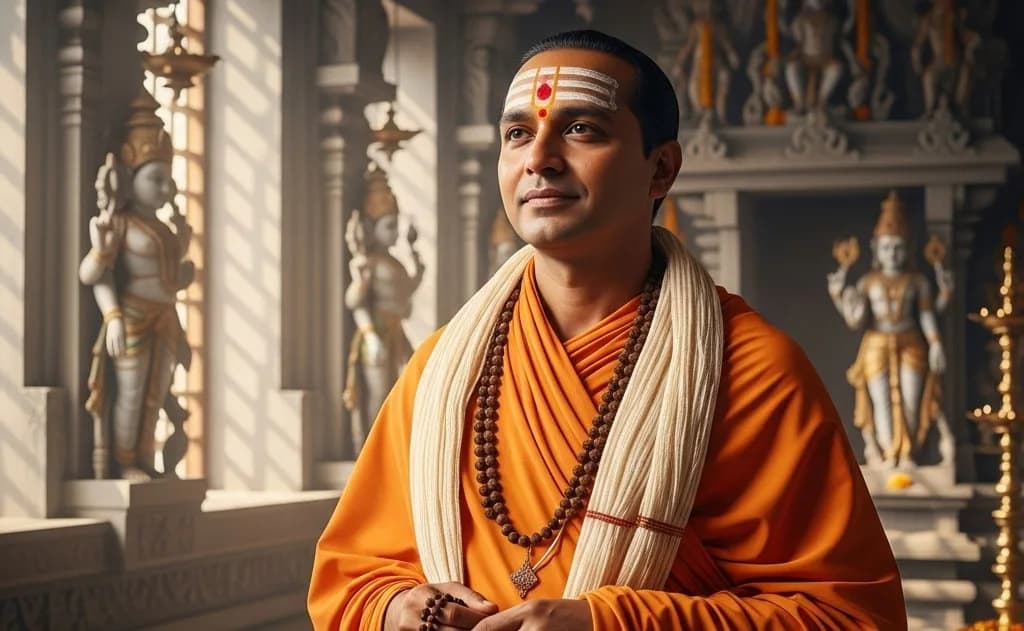
Worship in Hinduism vs Other Religions: A Comprehensive Guide
Introduction to Hindu Worship Practices Worship in Hinduism offers a uniquely diverse and personal spiritual experience that distinguishes it from other major…
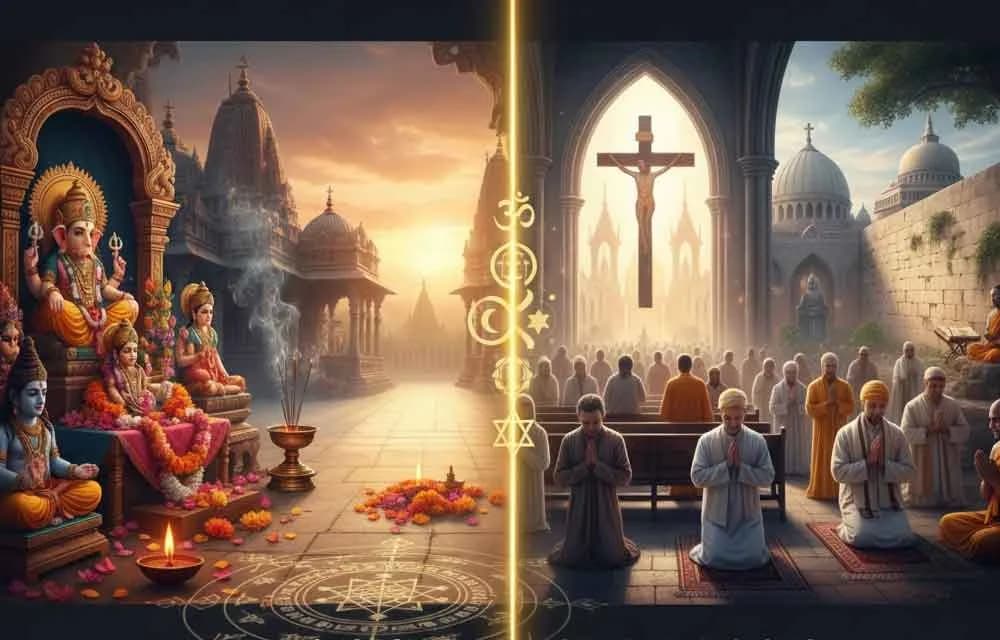
Introduction to Hindu Worship Practices Worship in Hinduism offers a uniquely diverse and personal spiritual experience that distinguishes it from other major…
Introduction to Hindu Worship Practices
Worship in Hinduism offers a uniquely diverse and personal spiritual experience that distinguishes it from other major world religions. Unlike many faiths with centralized worship structures, Hindu worship encompasses home rituals, temple ceremonies, and individual devotion, creating a multifaceted approach to connecting with the divine.
What Makes Hindu Worship Unique?
Polytheistic vs Monotheistic Worship
Hindu worship differs fundamentally in its approach to divinity. While religions like Christianity, Islam, and Judaism focus worship on one God, Hinduism recognizes multiple deities as manifestations of the supreme reality (Brahman). Devotees may choose their ishta devata (personal deity) based on individual spiritual inclination, whether it's Shiva, Vishnu, Durga, Ganesha, or any other form.
The Concept of Puja in Hinduism
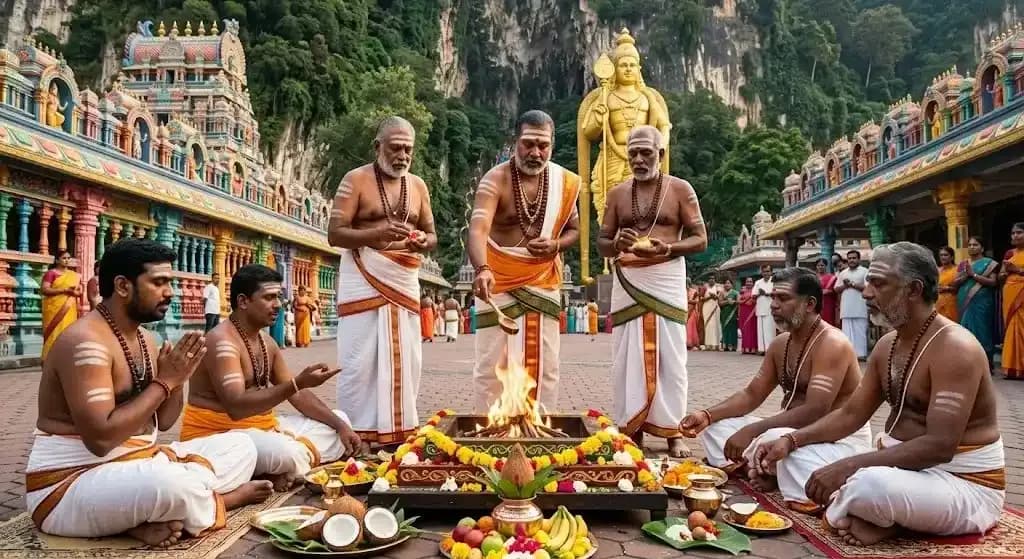
Puja represents the heart of Hindu worship practice. This ritualistic offering involves treating the deity as an honored guest through specific steps including invocation, bathing, adorning, offering food, and performing aarti with lamps. This contrasts with prayer-focused worship in Christianity or Islam, where verbal communication with God takes precedence.
Hindu Worship vs Christian Worship
Ritual Practices and Sacred Spaces
Hindu temples function differently from Christian churches. While churches serve primarily as communal gathering spaces for weekly services, Hindu temples operate as the deity's home where devotees visit individually at any time. Hindu worship incorporates physical elements like flowers, incense, bells, and prasad (blessed food), while Christian worship centers on scripture reading, hymns, and sermons.
Meditation and Prayer Differences
Hindu worship integrates meditation, yoga, and mantra chanting as paths to spiritual realization. Christianity emphasizes prayer as conversation with God and worship through praise. Hindu meditation aims for self-realization and union with the divine, while Christian prayer focuses on relationship with a personal God.
Hindu Worship vs Islamic Worship
Prayer Timings and Structure
Islamic worship follows strict five-times-daily salat prayers facing Mecca, performed in prescribed Arabic phrases and physical movements. Hindu worship allows flexible timing based on personal schedule and inclination, though many Hindus pray during sandhya (dawn and dusk). Islamic prayer maintains uniformity worldwide, while Hindu worship varies by region, tradition, and personal choice.
Sacred Texts and Recitation
Muslims recite Quranic verses in Arabic during prayers, considering the Quran the literal word of Allah. Hindus may chant from various sacred texts including Vedas, Upanishads, Bhagavad Gita, or regional devotional poetry in Sanskrit or vernacular languages. The approach to scripture differs significantly in flexibility and interpretation.
Use of Images in Worship
Islam prohibits idol worship and imagery of Allah or prophets, focusing on aniconism. Hinduism embraces murti puja (worship through consecrated images and statues), viewing these as focal points for concentrating devotion rather than the deity itself. This represents one of the most visible differences between the two faiths.
Hindu Worship vs Buddhist Worship
Deity-Centered vs Philosophy-Centered Practice
While Hinduism centers worship on personal deities, Buddhism traditionally focuses on the Buddha's teachings rather than worshiping Buddha as a god. Hindu worship seeks divine grace and intervention, while Buddhist practice emphasizes self-effort in following the Eightfold Path toward enlightenment.
Ritual Similarities and Differences
Both traditions share some ritual elements like incense offerings, prostrations, and chanting. However, Hindu rituals aim to invoke divine presence, while Buddhist ceremonies honor the Buddha's memory and reinforce philosophical principles. Hindu temples house living deities believed to accept offerings, while Buddhist temples serve as meditation spaces and repositories of relics.
Hindu Worship vs Jewish Worship
Home-Based Worship Traditions
Both Hinduism and Judaism emphasize home-based worship practices. Jewish families observe Shabbat rituals and holiday celebrations at home, while Hindu families maintain home shrines for daily puja. However, Jewish worship follows a more structured liturgical calendar, while Hindu household worship allows greater personal customization.
Temple vs Synagogue Functions
Hindu temples serve as the deity's residence where priests perform elaborate rituals on behalf of devotees. Synagogues function primarily as community gathering places for collective prayer and Torah study. The role of religious specialists differs significantly between the priest-mediated Hindu rituals and the communal Jewish services led by rabbis.
Key Elements of Hindu Worship
Bhakti (Devotional) Worship
Bhakti yoga represents the path of loving devotion, where worshipers cultivate emotional connection with their chosen deity through songs, stories, and rituals. This personal, emotional approach differs from the more formal liturgical worship in many other religions.
Karma and Dharma in Worship
Hindu worship integrates ethical living (dharma) and selfless action (karma yoga) as forms of devotion. Performing one's duties righteously is considered worship itself, expanding the concept beyond ritual activities to encompass all of life.
Festivals and Celebrations
Hindu festivals like Diwali, Holi, Navaratri, and Ganesh Chaturthi combine worship with cultural celebration in ways distinct from religious holidays in other faiths. These celebrations involve elaborate home and temple rituals, community gatherings, and regional traditions that vary across India.
Modern Hindu Worship Practices
Temple Worship Today
Contemporary Hindu temples worldwide serve diaspora communities, adapting traditional practices while maintaining ritual authenticity. Many temples now offer scheduled aartis, prasad distribution, and educational programs, making Hindu worship more accessible to modern devotees.
Personal Devotion in the Digital Age
Modern Hindus incorporate technology into worship through online pujas, virtual temple darshans, devotional apps, and streaming of religious discourses. This flexibility reflects Hinduism's adaptive nature while preserving core spiritual values.
Conclusion: The Inclusive Nature of Hindu Worship
Worship in Hinduism stands apart through its remarkable diversity, personal choice, and multiplicity of paths. Whether through ritualistic puja, meditative contemplation, devotional singing, or selfless service, Hinduism offers numerous ways to connect with the divine. This flexibility and inclusiveness make Hindu worship practices uniquely accommodating to individual spiritual needs while maintaining ancient traditions.
Understanding these differences enriches interfaith dialogue and appreciation for the world's spiritual diversity. Hindu worship's emphasis on personal experience, multiple paths to the divine, and integration of philosophy with devotion continues to inspire millions of practitioners worldwide.
Frequently Asked Questions
What is Worship in Hinduism vs Other Religions?
Introduction to Hindu Worship Practices Worship in Hinduism offers a uniquely diverse and personal spiritual experience that distinguishes it from other major world religions. Unlike many faiths with centralized worship structures, Hindu worship encompasses home rituals, temple ceremonies, and individual devotion, creating a multifaceted approach to connecti
What are the key points about Worship in Hinduism vs Other Religions?
What Makes Hindu Worship Unique? Polytheistic vs Monotheistic Worship Hindu worship differs fundamentally in its approach to divinity.
Why does Worship in Hinduism vs Other Religions matter in Hinduism?
It reflects core values of Sanatana Dharma and offers practical and spiritual guidance that remains relevant across generations.
How can devotees apply Worship in Hinduism vs Other Religions in daily life?
By reflecting on its teaching, incorporating the related practices or observances into daily routine, and approaching it with sincere devotion and understanding.
You might also like
Purushottam Maas 2026: Lord Vishnu's Sacred Gift of Spiritual Multiplication & Divine Grace
Hindu Priest Jobs New Zealand 2026 — Auckland, Wellington, Christchurch Vacancies & NZ Religious Worker Visa Guide
Hindu Priest Jobs Malaysia 2026 — Batu Caves, KL, Penang Vacancies & Tamil Hindu Career Guide