Hindus in GCC 2026 — Complete Guide: UAE, Saudi Arabia, Qatar, Oman, Bahrain, Kuwait Communities, Temples, BAPS Abu Dhabi & Gulf NRI State of the Nation
Hindus in GCC 2026 — 3 million+ Gulf NRI Hindus across UAE, Saudi, Qatar, Oman, Bahrain, Kuwait. BAPS Abu Dhabi Mandir, Bur Dubai Krishna Mandir, Kafala visa reality.
Hindus in GCC 2026 — 3 million+ Gulf NRI Hindus across UAE, Saudi, Qatar, Oman, Bahrain, Kuwait. BAPS Abu Dhabi Mandir, Bur Dubai Krishna Mandir, Kafala visa reality.
Quick Answer: As of 2026, an estimated 3 million Hindus live across the six GCC nations — making the Gulf the world's largest concentration of Hindu workers outside India. The community is dominated by UAE (1.5 million), Saudi Arabia (700,000), Kuwait (450,000), Qatar (300,000), Oman (250,000), Bahrain (180,000). Unlike Western diasporas, GCC Hindu life is shaped by the Kafala visa system (no permanent residency for most), restricted public religious expression, and a tradition of remittance-driven family separation. Yet major Hindu temples — most notably the 216-foot BAPS Hindu Mandir Abu Dhabi (opened February 2024, world's largest Hindu temple outside India) — have transformed the community's institutional life. The 2026 generation operates in a region simultaneously the most permissive (UAE) and most restrictive (Saudi) for Hindu practice in the world.
1. The 2026 Hindu GCC Population
Estimated total: ~3 million Hindus across six GCC states
Growth rate: ~3-5% annually (modulated by oil prices and labour demand)
Median age: 32-38 (working professionals; very few elderly or children compared to Western diasporas)
Education: Mixed — professional (engineering, medical, IT, finance) plus skilled labour (construction, hospitality, retail)
Income range: Wide — from $400/month construction workers to $30,000/month senior executives
Distribution by country
- UAE · ~3.5M Indians · ~1.5M Hindus · Finance, tech, retail, construction, hospitality
- Saudi Arabia · ~2.6M Indians · ~700K Hindus · Construction, oil, retail, professional services
- Kuwait · ~1.0M Indians · ~450K Hindus · Construction, retail, services
- Qatar · ~750K Indians · ~300K Hindus · Construction (post-FIFA), oil, finance
- Oman · ~700K Indians · ~250K Hindus · Construction, retail, professional services
- Bahrain · ~350K Indians · ~180K Hindus · Finance, retail, services
2. Hindu Temples in the GCC
Tier 1 — Cultural landmarks
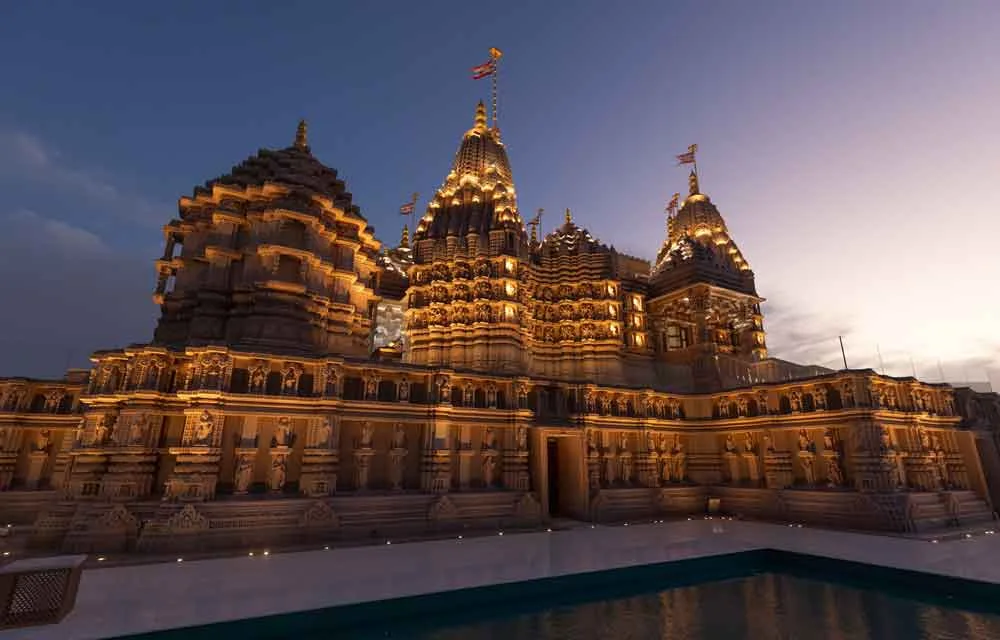
- BAPS Hindu Mandir, Abu Dhabi, UAE — opened February 14, 2024; the largest Hindu temple outside India. 27 acres, 216-foot tall, traditional Nagara-style stone construction. Welcomed 1.5 million+ visitors in first year.
- Bur Dubai Krishna Mandir, UAE — Dubai's historic Hindu temple; serves the largest Hindu community in the city
- Jebel Ali Hindu Temple, Dubai, UAE — opened 2022; second major Dubai temple
Tier 2 — Functioning temples in other GCC countries
- Shree Krishna Temple, Muscat, Oman — Oman's main Hindu temple
- Hindu Temple, Bahrain — community temple in Manama
- Saraswati Mandir, Doha, Qatar — limited public worship; primarily community pujas at residential complexes
Limited / restricted
- Saudi Arabia: No public Hindu temples permitted; community pujas at expat compound residences and Indian Embassy/Consulate cultural events
- Kuwait: No public Hindu temples; community gatherings at Indian Cultural Centre venues
Total functioning Hindu temples in GCC 2026: ~6-8 public temples + many private compound-based community spaces.
3. Country-by-Country Guide
🇦🇪 UAE — The most Hindu-friendly Gulf nation
UAE leads the GCC in religious accommodation. The BAPS Abu Dhabi Mandir, opened in February 2024, is the singular institution that transformed Hindu life in the Gulf. Combined with the older Bur Dubai Krishna Mandir and the newer Jebel Ali Temple, UAE Hindus now have full institutional infrastructure. Festival celebrations, weddings, satsang networks, daily aartis — all available publicly.
Best for Hindus in UAE 2026: Senior professionals (banking, tech, real estate, healthcare) with 5+ year tenures; salary range AED 35,000+/month.
🇸🇦 Saudi Arabia — Most restrictive
Public Hindu worship not permitted under Saudi law (the country prohibits non-Muslim public religious practice). Community gatherings happen privately in compound residences. The Indian Embassy and consulates organise cultural-bordered events (Republic Day, Independence Day, classical music programmes). Saudi Hindus face the most institutional limitations in the GCC.
Reality: Most Saudi-based Hindus expect 3-7 year contracts; family separation common (children often in India boarding schools or with grandparents). Vision 2030 reforms have introduced some cultural-tourism events, but full Hindu temple infrastructure is unlikely in the next decade.
🇰🇼 Kuwait — Mid-restrictive
Public Hindu temples not permitted, but the substantial Indian community (1 million+) gathers privately for festivals. Indian Cultural Centre Kuwait organises Diwali, Independence Day, and major cultural events. Pandit services available privately.
🇶🇦 Qatar — Mid-restrictive but improving
Post-FIFA 2022 cultural opening continues. Saraswati Mandir Doha is the main community temple; limited public access. Indian Cultural Centre runs major festivals. Doha's Hindu community has visibly grown in 2024-2026.
🇴🇲 Oman — Long-established tolerance
Oman has historically been the most religiously tolerant Gulf nation. Shree Krishna Temple Muscat has functioned for decades. Active Tamil, Telugu, and Kerala-origin community organisations. Cultural festivals widely visible.
🇧🇭 Bahrain — Open by Gulf standards
Bahrain has functional Hindu temple infrastructure. Manama's Hindu Temple operates publicly. Financial-sector employment dominates the Indian Hindu professional population. Festival celebrations relatively open.
4. Festival Calendar in the GCC
Diwali (Nov 8, 2026):
- BAPS Abu Dhabi — flagship Gulf Diwali; community programme + light display
- Bur Dubai Krishna Mandir — full puja schedule
- Jebel Ali — community celebrations
- Indian Embassy/Consulate Diwali events across all 6 GCC nations
- Private compound-residence celebrations (Saudi, Kuwait)
Navratri (Oct 11–19, 2026):
- BAPS Abu Dhabi Garba
- Dubai community Garba (multiple venues)
- Indian Cultural Centre Doha, Manama, Muscat events
Janmashtami (Sep 4, 2026):
- BAPS Abu Dhabi midnight celebration
- Bur Dubai Krishna Mandir all-night festival
- ISKCON branches (limited)
Holi (Mar 3, 2026):
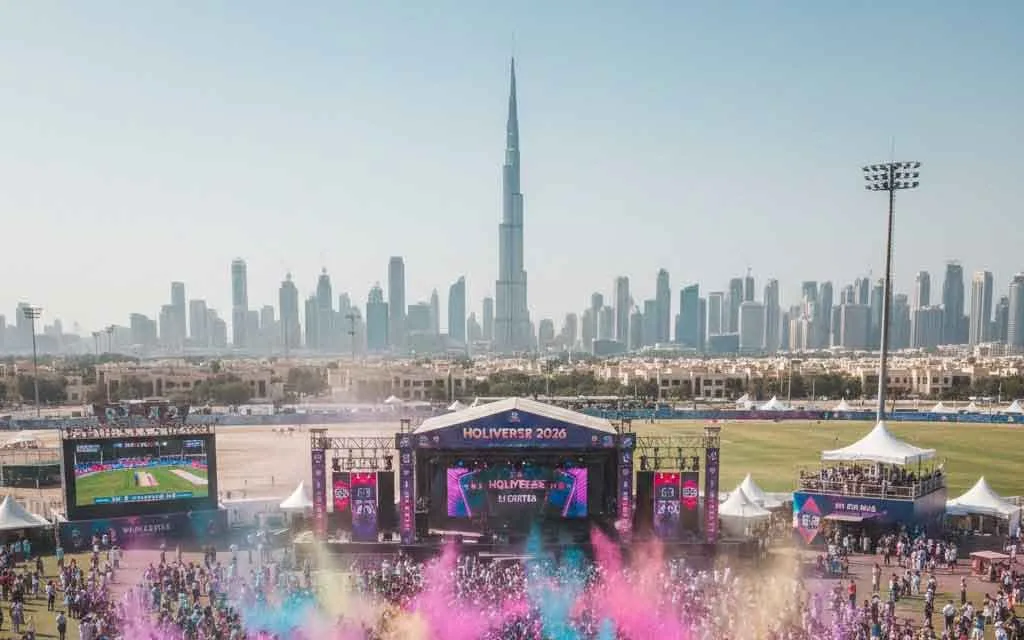
- Dubai Holi events (private venues)
- Indian community gatherings across GCC
Friday-weekend advantage: Gulf weekends (Friday-Saturday) overlap with major Hindu observance days. Working Hindus have time for major puja days without conflicting with Western Mon-Fri work weeks.
Note on visibility: UAE/Bahrain/Oman/Qatar permit public celebrations with cultural framing. Saudi/Kuwait require private or embassy-affiliated venues.
5. Kafala Visa Reality
The defining feature of GCC Hindu life: no path to permanent residency for the vast majority of expat workers, regardless of tenure.
Kafala system basics:
- Visa tied to a specific employer (kafeel)
- Quitting one job typically requires leaving the country and re-entering on a new visa
- Job loss = visa cancellation (typically 30-60 day grace period to find new employer or depart)
- No path to citizenship in any GCC nation (UAE has begun limited "Golden Visa" for high-net-worth and exceptional talent — still not citizenship)
UAE Golden Visa (since 2019): Long-term residency (5-10 years) without sponsor for:
- Investors (AED 2 million+ in property or business)
- Highly skilled workers (doctors, scientists, executives)
- Outstanding students and researchers
- This represents the only meaningful pathway to long-term GCC residency for most Hindu professionals
Implications for community formation:
- Most Gulf Hindus expect to "retire to India" or "migrate further West (USA/UK/Canada/Australia)" eventually
- Institutional investment in temples and community organisations is harder when membership rotates every few years
- The BAPS Abu Dhabi Mandir is a generational exception — its Indian-Government and UAE-Government collaboration suggests Gulf Hindu permanence
6. Daily Life — Practising Hindu in the Gulf
Diet
- Vegetarian and Jain food widely available; large Indian grocery network across UAE
- Saudi Arabia restricted but Indian groceries exist in major cities (Riyadh, Jeddah, Dammam)
- Halal certification compatible with vegetarian Hindu observance
Daily worship
- Home altar / puja room common in expat residences
- Online satsang via Sri Mandir app, BAPS apps, ISKCON apps
- Sunday/Friday community gatherings (Friday is the Gulf weekend)
Children's Hindu education
- BAPS Abu Dhabi runs children's Hindu education programmes
- Indian schools (KGS, GEMS, DPS chains) often include Hindu cultural programming
- Online Hindu education via Sri Sri Vidya Mandir online platform, Bharatiya Vidya Bhavan online
Weddings and major life events
- UAE permits Hindu weddings at registered venues with full Hindu rites
- Saudi/Kuwait wedding ceremonies privately at compound residences
- Most Gulf Hindus return to India for major life ceremonies (weddings, antyeshti)
Death rituals
- Funeral homes in UAE accommodate Hindu cremation
- Most Saudi/Kuwait families repatriate the body to India for cremation
- Bodies typically transported within 24-48 hours after death
7. Remittances and Family Separation
The Gulf is the largest source of remittances to India. ~$50+ billion annually flows from GCC Hindus to families in India. This shapes everything:
Family separation patterns:
- "Single male migration" still common — husband in Gulf, wife and children in India
- Often 2-4 year working tours followed by family visits
- Children grow up partially fatherless; mothers carry double duty
- Annual home visits during Diwali, Onam, Pongal, Christmas/New Year
Senior professional pattern:
- Higher-salary jobs (banking, tech, executive roles) allow family relocation
- Family-friendly schools and amenities in UAE, Qatar, Bahrain
- Saudi family relocations limited due to social restrictions
Investment patterns:
- Real estate in India (Bengaluru, Hyderabad, Kerala, Mumbai suburbs)
- Education for children (often Indian private schools or US/UK universities)
- Gold and family savings
- Limited UAE Golden Visa property investment (since 2019)
8. The Future — GCC Hindus 2026-2030
Projected growth: GCC Hindu population to reach ~3.5 million by 2030, driven by:
- UAE continued professional migration
- Saudi Vision 2030 cultural reforms attracting limited Hindu professional migration
- Qatar post-FIFA expat retention
- Oman steady professional growth
Key trends:
- Second BAPS-tier temple projects: Discussions for major Hindu temples in Saudi Arabia, Kuwait, Qatar (timeline 2027-2030)
- UAE Golden Visa expansion: More Hindu professionals achieving long-term residency
- Family relocation increase: More UAE/Qatar Hindu families bringing spouses and children (vs. single-male migration)
- Cultural mainstreaming: UAE's National Day, Year of Tolerance themes increasingly include Hindu visibility
- Reverse migration to West: Many Gulf Hindus using GCC as stepping stone to USA/Canada/Australia (5-10 years Gulf → Western migration)
- Online Hindu institutions: Sri Mandir, BAPS Online, ISKCON Online — virtual satsang networks compensating for limited physical infrastructure
Final Words
Hindus in GCC 2026 represent the world's largest expatriate Hindu population and the most institutionally complex diaspora situation. The opening of BAPS Hindu Mandir Abu Dhabi in 2024 marked a generational turning point — the first major Hindu temple of monumental scale built outside India in 2,000 years (since the Angkor era). It signals that the UAE-India bilateral relationship has reshaped what is possible for Hindu life in the Gulf.
For Gulf-based Hindus reading this — whether in a Dubai high-rise apartment or a Riyadh compound, whether on a 2-year construction contract or a 20-year banking career — Sanatana Dharma travels with you. The home altar, the daily mantra, the annual Diwali diya, the WhatsApp video call with family in India — all remain valid and complete forms of Hindu practice. And the institutional landscape is changing faster in the Gulf than in any other region of the world.
Sarve Bhavantu Sukhinah. Sarve Santu Niramayah.
Jai Hind! Jai Bharat! Sanatan Dharma in the Land of the Gulf!
HinduTone Editorial Team · Tags: Hindus in GCC 2026, BAPS Abu Dhabi Mandir, Bur Dubai Krishna Mandir, UAE Golden Visa, Kafala System, Gulf NRIs, Saudi Arabia Hindus, Qatar Doha Indian Community
Frequently Asked Questions
Where is Hindus in GCC located?
As of 2026, an estimated 3 million Hindus live across the six GCC nations — making the Gulf the world's largest concentration of Hindu workers outside India. The community is dominated by UAE (1.5 million) , Saudi Arabia (700,000) , Kuwait (450,000) , Qatar (300,000) , Oman (250,000) , Bahrain (180,000) .
Who is the presiding deity of Hindus in GCC?
The temple's presiding deity and its significance are described in the guide above.
What are the timings and how do I reach Hindus in GCC?
Temples typically open early morning and evening; confirm current darshan timings before visiting. The nearest airport, railway station and road routes are covered in the guide above.
What is the best time to visit Hindus in GCC?
Major festival days and the cooler months are popular, though weekday mornings offer a calmer darshan. Plan around the temple's key festivals for the most vibrant experience.
You might also like

Hindus in New Zealand 2026 — Complete Country Guide: Auckland, Wellington, Christchurch Communities, Temples, Festivals & Indo-Kiwi State of the Nation
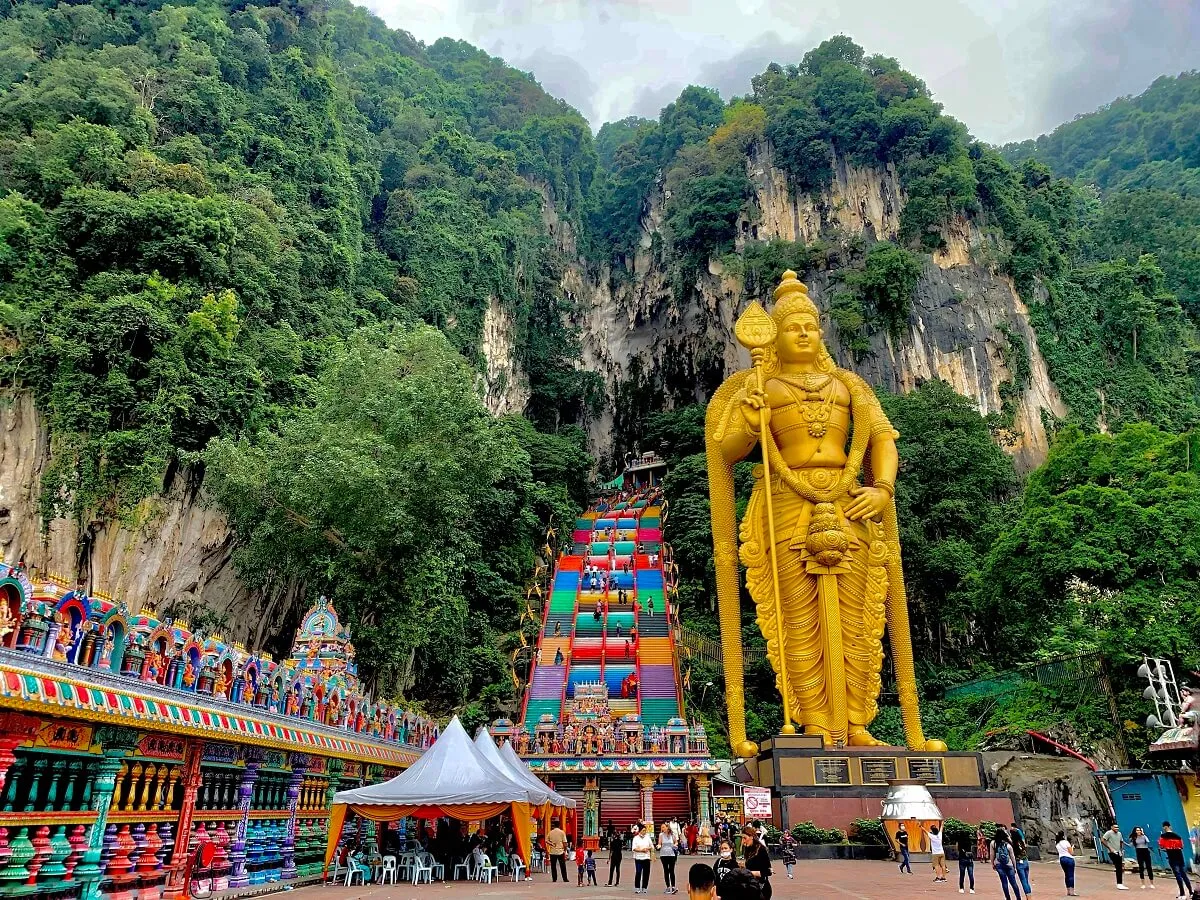
Hindus in Malaysia 2026 — Complete Country Guide: Batu Caves, Sri Mahamariamman Temple, Tamil Community & 175-Year Hindu Heritage
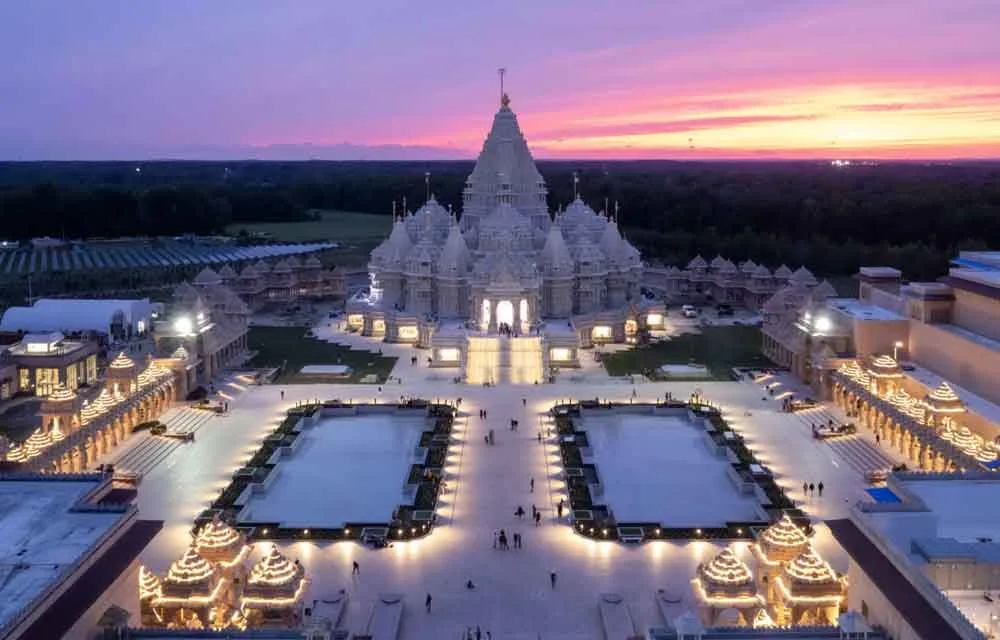
BAPS Temples Worldwide 2026: Complete List of Swaminarayan Mandirs, Locations & Visiting Guide