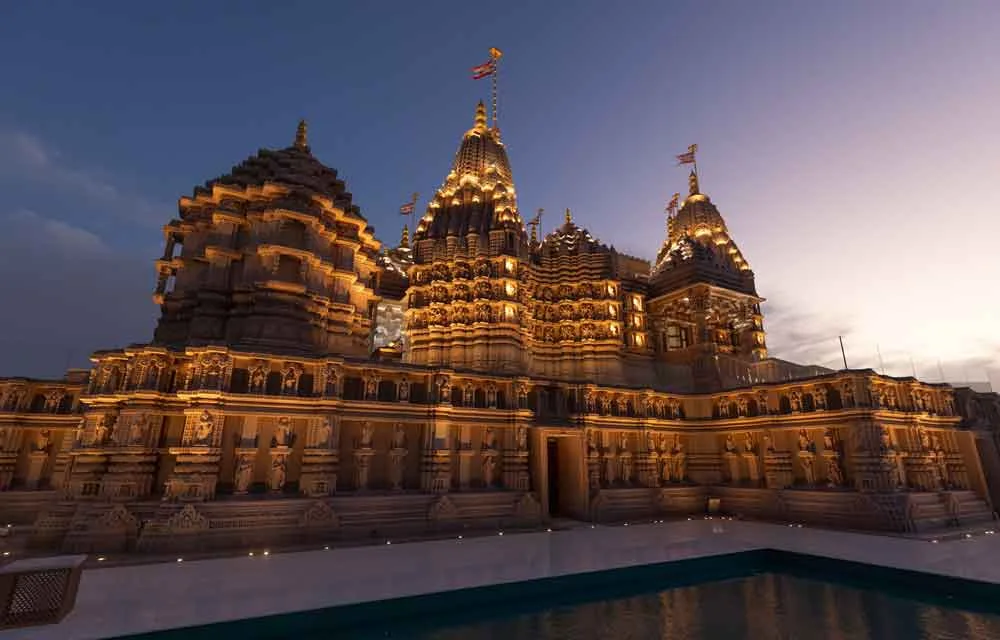
Hindus in Singapore 2026 — Complete Country Guide: Little India, Sri Mariamman Temple, EP & PR Reality, Festivals & Tamil Heritage
Hindus in Singapore 2026 — 250,000 Hindus, historic Little India, Sri Mariamman & Tank Road temples, EP/PR realities, Thaipusam, Deepavali public holiday.
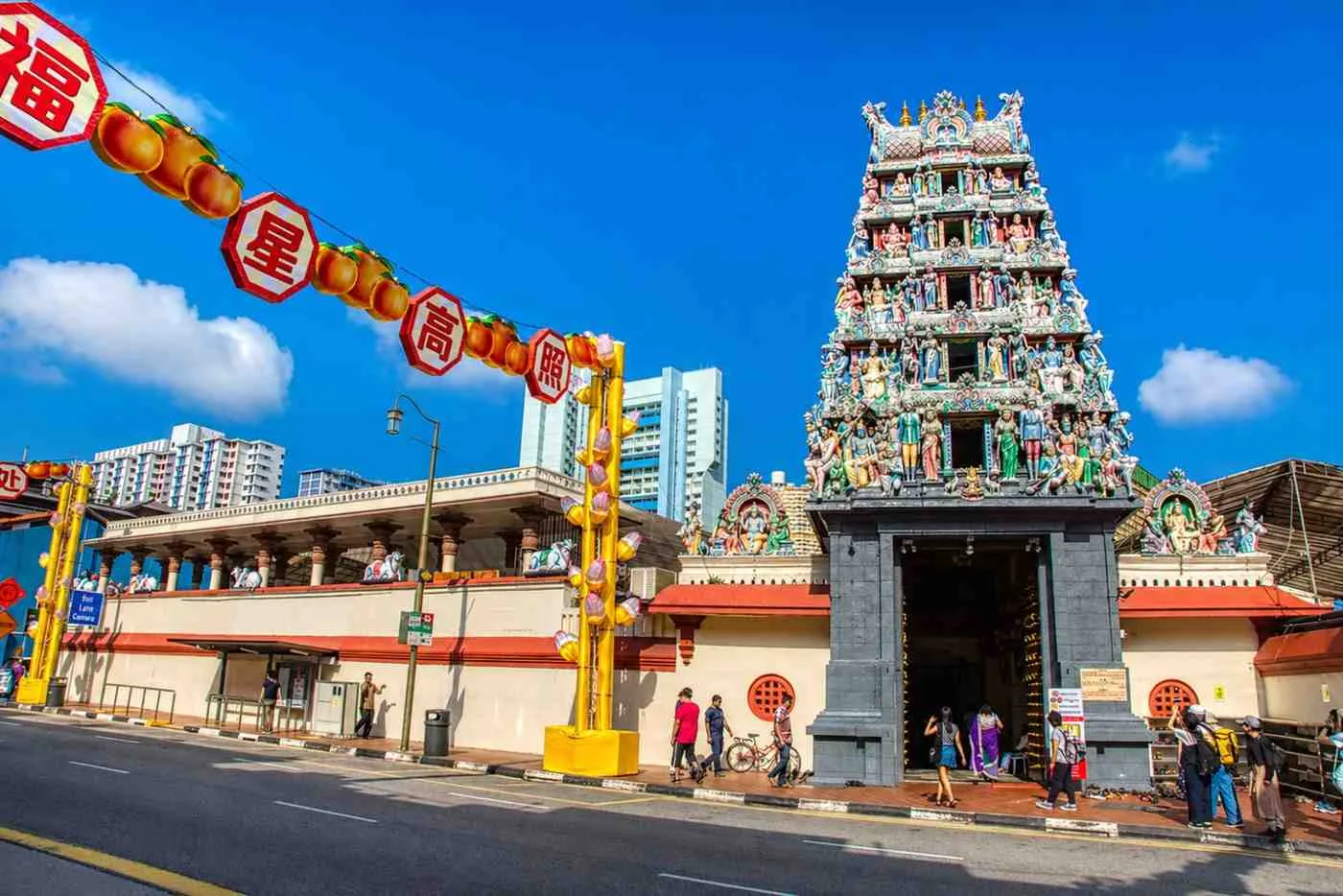
Hindus in Singapore 2026 — 250,000 Hindus, historic Little India, Sri Mariamman & Tank Road temples, EP/PR realities, Thaipusam, Deepavali public holiday.
Quick Answer: As of 2026, an estimated 250,000 Hindus live in Singapore — making them ~4.5% of Singapore's resident population. The community is overwhelmingly Tamil-heritage (with growing North Indian, Telugu, and Malayali populations from recent professional migration). Little India (Serangoon Road area) is the cultural and commercial heart, with major institutions including Sri Mariamman Temple (Singapore's oldest Hindu temple, 1827), Sri Veeramakaliamman Temple (Little India), and Sri Thendayuthapani Temple Tank Road. Singapore is unique globally in having Deepavali as a public holiday and being the only major financial centre where Hindu festivals are nationally recognised. The community has produced presidents (Ms Halimah Yacob's predecessor Mr S R Nathan was of Indian Tamil heritage), cabinet ministers, business leaders, and the country's third-largest religious community after Buddhism and Christianity.
1. The 2026 Hindu Singapore Population
Estimated total: ~250,000 Hindus (~4.5% of Singapore's resident population)
Growth rate: ~2-3% annually
Median age: 36
Median household income: SGD 7,500-12,000/month (varies by sector)
Education: Very high — Singapore Hindu professionals are concentrated in tech, finance, medicine, engineering
Citizenship: ~60% Singapore citizens (multi-generational); ~40% PRs and EP/SP holders
Linguistic / heritage breakdown
- Tamil — historically dominant (~80% of pre-2000 Hindu community); strong continuing presence
- Telugu — growing professional migration since 2000s
- Hindi/Gujarati/Marathi — growing North Indian professional cohort
- Malayali — historic and continuing presence; especially nursing and healthcare professionals
- Punjabi (Hindu) — small but established community
- Bengali — small recent professional migration
2. Top Hindu Temples in Singapore
Tier 1 — Cultural landmarks (UNESCO-listed nationally)
- Sri Mariamman Temple, South Bridge Road — Singapore's oldest Hindu temple (1827). Designated a National Monument (1973). The temple where the annual Theemithi (fire-walking) ceremony takes place.
- Sri Veeramakaliamman Temple, Serangoon Road, Little India — major Kali temple; cultural anchor of Little India (1881)
- Sri Thendayuthapani Temple (Chettiar's Temple), Tank Road — major Murugan temple; starting point of the annual Thaipusam procession (1859)
- Sri Srinivasa Perumal Temple, Serangoon Road, Little India — major Vishnu temple (1855)
Tier 2 — Major community temples
- Sri Krishnan Temple, Waterloo Street — Krishna temple
- Sri Vairavimadakali Amman Temple, Toa Payoh
- Sri Sivan Temple, Geylang East — Shiva temple
- Sri Murugan Temple, Sengkang
- ISKCON Singapore, Sembawang
- Hindu Society of Singapore (Vinayagar Temple, multiple locations)
Total Hindu temples in Singapore 2026: ~25+ active temples regulated by the Hindu Endowments Board (a statutory board of the Singapore government).
3. Little India — The Cultural Heart
Serangoon Road and surrounding areas form Singapore's Little India — one of Asia's most vibrant Indian-cultural enclaves. The area combines temples, gold jewellers, sari and salwar shops, sweet shops, restaurants, Indian groceries (Mustafa Centre being the famous 24x7 anchor), and cultural-event venues.
Key streets and landmarks:
- Serangoon Road — the main commercial spine
- Race Course Road — restaurants and businesses
- Buffalo Road — historic Indian wet market area
- Tekka Centre — major food and goods market
- Mustafa Centre — 24x7 megastore, internationally famous
- Little India MRT station — primary access point
Little India is a UNESCO World Heritage candidate site and remains the heart of Singapore Hindu and broader Indian community life despite the community's geographical dispersion across Singapore.
4. Festival Calendar 2026 (With Public Holidays!)
Deepavali (Nov 8, 2026) — National Public Holiday
Singapore is one of the few non-Hindu-majority nations where Deepavali is a public holiday. Celebrations include:
- Little India Light-Up — annual elaborate light installation (October-November)
- Sri Mariamman, Veeramakaliamman, and Sri Srinivasa Perumal special pujas
- Government-organised Deepavali Concert and Cultural Programme
- Family gatherings and traditional sweets (laddoo, peda, athirasam)
Thaipusam (January-February — date varies):
- Singapore Thaipusam is famous worldwide
- Procession from Sri Srinivasa Perumal Temple through Serangoon Road to Sri Thendayuthapani Temple (Tank Road)
- Devotees carry kavadis in fulfilment of vows
- Tens of thousands of attendees including international tourists
- Reformed in 1973 to limit musical instruments; legalised in some forms again in 2016
Theemithi (Fire-Walking) — typically October:
- At Sri Mariamman Temple
- Devotees walk on burning embers in fulfilment of vows to Draupadi Amman
- Major ceremony with significant community participation
Other festivals:
- Navratri (Oct 11–19, 2026)
- Janmashtami (Sep 4)
- Ganesh Chaturthi (Sep 14)
- Holi (Mar 4)
- Pongal (mid-January)
- Tamil New Year (mid-April)
5. Immigration Reality — Singapore EP, PR, Citizenship 2026
Employment Pass (EP)
The main professional work visa for foreign Hindu professionals. 2026 requirements:
- Minimum salary SGD 5,500/month (entry level); SGD 11,000+/month for senior roles
- 2-year initial duration, renewable
- Linked to specific employer (job loss = potential need to leave Singapore)
Permanent Residency (PR)
- Generally achievable after 2-5 years of EP residence with consistent income
- Selection by Singapore government; not guaranteed
- PR offers most rights of citizens except voting and some property restrictions
- Annual quotas; competition intense
- Indian professionals make up large share of PR approvals
Singapore Citizenship
- Available 2-3 years after PR
- Singapore does NOT allow dual citizenship
- Many Indian Hindu PR holders remain PR rather than become citizens (to retain Indian citizenship for property ownership and OCI-equivalent benefits)
- For those who naturalise, must renounce Indian citizenship and apply for OCI separately
S Pass and Work Permit
Lower-tier work visas for non-professional or mid-skilled workers. Less common pathway to PR.
Tech.Pass and One Pass
2021/2023 introduced talent passes for high-end tech professionals — minimum salary thresholds, leadership roles, prestigious companies. Easier renewal and pathway to PR.
6. Political Representation
Singapore's Indian community has significant political weight relative to its population:
- Cabinet Ministers of Indian background across decades (multiple)
- Members of Parliament of Hindu background in PAP and opposition
- Hindu Endowments Board — government statutory body managing major Hindu temples
- SINDA (Singapore Indian Development Association) — Indian community development organisation
- The Hindu Centre Singapore — community advocacy and outreach
The Indian community (~9% of Singapore's resident population) holds about 12-14% of parliamentary seats, reflecting the community's professional and civic engagement.
7. Tamil Heritage and Language Preservation
Tamil is one of Singapore's four official languages (alongside English, Mandarin, and Malay). This unique status has preserved Tamil in Singapore better than in any other diaspora:
- Tamil schools — public schools teaching Tamil as mother tongue (mandatory for Tamil-heritage students)
- Tamil Language Council Singapore
- Tamil-language media — Tamil Murasu newspaper, MediaCorp Tamil channels
- Tamil literature and arts — active poetry, theatre, music communities
- Tamil New Year as a national event
For non-Tamil Hindu professionals: Hindi, Telugu, Malayalam community organisations operate alongside Tamil — Singapore's multi-cultural infrastructure supports multiple Indian-language traditions.
8. The Future — Hindus in Singapore 2026-2030
Projected growth: Singapore Hindu population to reach 280,000-300,000 by 2030.
Key trends:
- Tech professional migration: Continued Indian tech migration; Tech.Pass and One Pass enabling senior-level recruitment
- Family relocation: EP-holding families increasingly relocating to Singapore long-term (vs. single-male migration patterns of past decades)
- Tamil heritage preservation: Singapore's official-language status protects Tamil; second-generation Indians actively engaging with Tamil through schools
- Diversification of Hindu community: Growing North Indian, Telugu, Bengali professional cohorts
- Temple expansion: New community temples in suburban areas (Sengkang, Punggol, Tampines)
- Mixed marriages: Increasing within-Singapore inter-ethnic marriages; Indian Hindu / Chinese marriages, Indian Hindu / Malay marriages (subject to legal complexities)
- Sustainability of citizenship transition: Tension between EP/PR perpetual residence and Singapore citizenship's no-dual-citizenship rule will shape long-term community composition
- Indo-Singapore bilateral deepening: Cultural and economic ties between India and Singapore deepen; Hindu institutional life benefits
Final Words
Hindus in Singapore 2026 represent the world's most institutionally accommodated Hindu diaspora — a community living in a non-Hindu-majority nation where Hindu festivals are public holidays, where the country's oldest temple is a National Monument, where Tamil is an official language, where the Hindu Endowments Board is a government statutory body, and where Indian community organisations have decades-long institutional standing.
The 165+ years of Singapore Hindu history — from the colonial-era Tamil labourers and merchants through the post-independence integration into Singapore's multicultural framework, through the recent professional migration wave from India — represent a model of diaspora institutional success that few other Hindu communities globally have matched.
For NRI Hindus considering Singapore (or already there), the institutional infrastructure exists at a level that took the USA 50 years to develop. Sri Mariamman Temple has stood at South Bridge Road for nearly 200 years. The Sri Thendayuthapani Tank Road Thaipusam procession has wound through Singapore streets for over 160 years. The Singapore Hindu has a 200-year backstory.
Sarve Bhavantu Sukhinah. Sarve Santu Niramayah.
Vanakkam Singapore! Jai Hind! Hindu Singapore Strong!
HinduTone Editorial Team · Tags: Hindus in Singapore 2026, Sri Mariamman Temple, Sri Veeramakaliamman, Little India Singapore, Sri Thendayuthapani Tank Road, Thaipusam Singapore, Deepavali Public Holiday, Singapore EP
Frequently Asked Questions
Where is Hindus in Singapore located?
As of 2026, an estimated 250,000 Hindus live in Singapore — making them ~4.5% of Singapore's resident population. The community is overwhelmingly Tamil-heritage (with growing North Indian, Telugu, and Malayali populations from recent professional migration).
Who is the presiding deity of Hindus in Singapore?
The presiding deity is Goddess Durga.
What are the timings and how do I reach Hindus in Singapore?
Temples typically open early morning and evening; confirm current darshan timings before visiting. The nearest airport, railway station and road routes are covered in the guide above.
What is the best time to visit Hindus in Singapore?
Major festival days and the cooler months are popular, though weekday mornings offer a calmer darshan. Plan around the temple's key festivals for the most vibrant experience.
You might also like
Hindus in New Zealand 2026 — Complete Country Guide: Auckland, Wellington, Christchurch Communities, Temples, Festivals & Indo-Kiwi State of the Nation
Hindus in Malaysia 2026 — Complete Country Guide: Batu Caves, Sri Mahamariamman Temple, Tamil Community & 175-Year Hindu Heritage
Hindu Priest Jobs Singapore 2026 — Pandit Vacancies at Sri Mariamman, Tank Road & Major Temples