


Avoid These Mistakes in Shraddha Karma – Garuda Purana Warnings

Avoid These Mistakes in Shraddha Karma – Garuda Purana Warnings on Wrong Tithi, Impure Offerings & Neglect Leading to Pitru Dosha
Introduction: Why Shraddha Karma Cannot Be Ignored
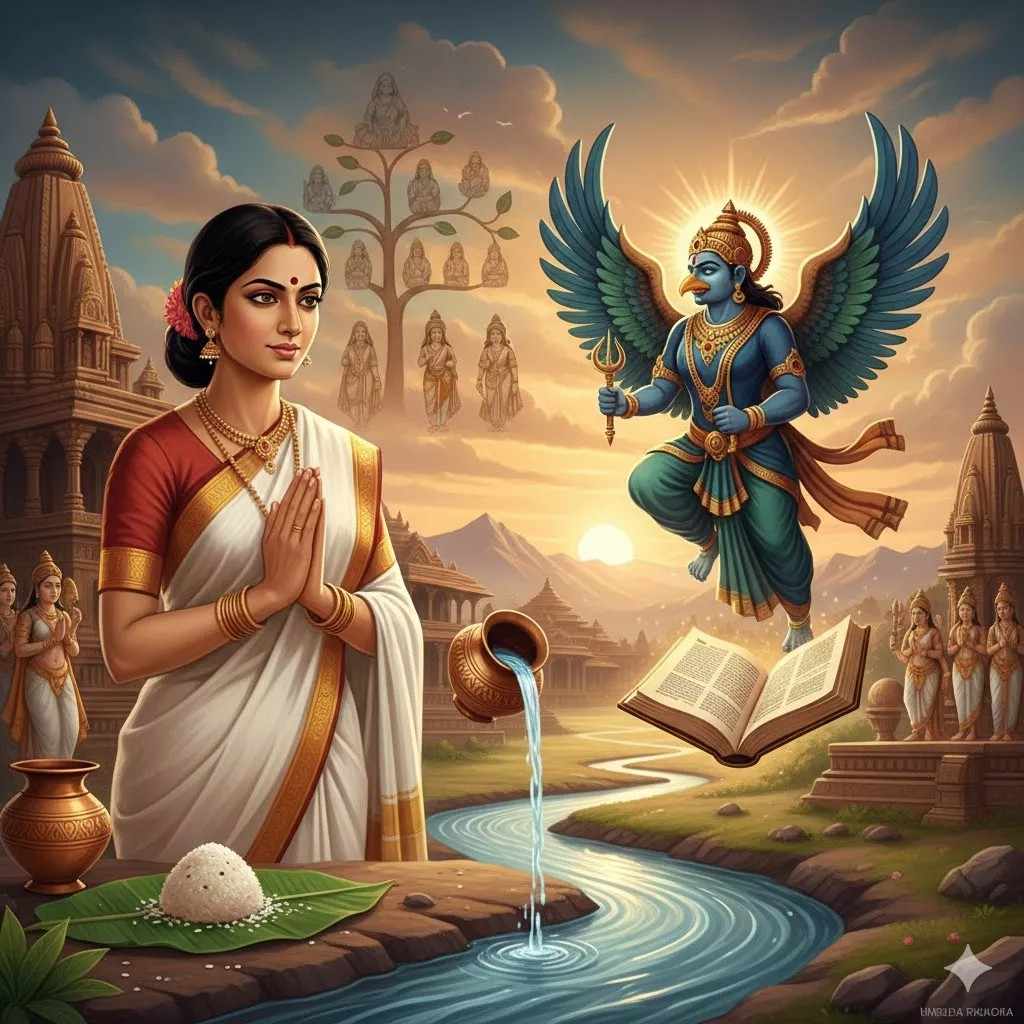
According to the Garuda Purana, one of Hinduism’s most authoritative texts on death, afterlife, and ancestral worship, performing Shraddha Karma (ancestral rituals) is not merely a tradition—it is a sacred duty that directly impacts both the departed souls and the living descendants. When performed correctly, Shraddha ensures peace for ancestors (pitrus) and brings blessings, prosperity, and protection to the family. However, mistakes in these rituals can lead to Pitru Dosha (ancestral affliction), causing obstacles, health issues, financial problems, and spiritual distress.
This comprehensive guide reveals the critical warnings from the Garuda Purana about common Shraddha mistakes, their consequences, and proven remedies to transform fear into faith through proper ancestral worship.
What is Shraddha Karma? Understanding the Sacred Ritual
Shraddha (श्राद्ध) derives from two Sanskrit words: Shraddha (faith) and Dha (to give). It represents offerings made with complete faith and devotion to ancestors, ensuring their souls receive nourishment in the afterlife and continue their spiritual journey.
Types of Shraddha According to Hindu Scriptures
- Nitya Shraddha – Daily offerings to ancestors
- Naimittika Shraddha – Performed on death anniversaries
- Kamya Shraddha – Conducted for specific wishes or desires
- Vriddhi Shraddha – Performed during auspicious occasions
- Parvana Shraddha – Annual rituals during Pitru Paksha
- Sapindana Shraddha – Merging ceremony for the recently departed
Critical Mistakes in Shraddha Karma: Garuda Purana Warnings
1. Wrong Tithi (Date) Selection
The Garuda Purana explicitly warns that performing Shraddha on the wrong tithi nullifies the ritual entirely.
Why Tithi Matters:
- Each ancestor has a specific tithi (lunar date) corresponding to their death
- The Pitru Paksha (15 days in Ashwin month) is the most auspicious period
- Wrong tithi means offerings may not reach the intended ancestors
Consequences:
- Ancestors remain unsatisfied and hungry
- Increased Pitru Dosha manifestation
- Rituals become ineffective despite sincere efforts
Correct Practice:
- Consult a learned priest or Panchang for accurate tithi
- If exact tithi unknown, perform on Mahalaya Amavasya (covers all ancestors)
- Follow lunar calendar, not solar/Gregorian dates
2. Impure Offerings (Ashuddha Ahara)
The Garuda Purana emphasizes that the quality and purity of food offered directly affects ancestral satisfaction.
Prohibited Items in Shraddha:
Foods to Avoid:
- Onion, garlic, and other tamasic foods
- Non-vegetarian items (except in specific regional traditions)
- Stale or leftover food
- Industrially processed foods
- Food touched by impure persons
- Offerings prepared by menstruating women (as per traditional guidelines)
Utensils and Water:
- Using cracked or broken vessels
- Impure water sources
- Metal vessels inappropriate for Shraddha
Consequences of Impure Offerings:
- Ancestors reject the offerings
- Curses instead of blessings
- Increase in family diseases and misfortunes
- Spiritual pollution affecting multiple generations
Correct Practice:
- Prepare fresh, sattvic food specifically for Shraddha
- Use whole grains, ghee, honey, and seasonal vegetables
- Traditional items: kheer, puri, rice, dal, vegetables
- Serve on banana leaves or prescribed utensils
- Maintain ritual purity throughout preparation
3. Neglecting Shraddha Entirely
The Garuda Purana contains stern warnings for those who completely ignore their ancestral duties.
Scriptural Warning:
“Those who neglect Shraddha for their ancestors shall suffer their wrath. The pitrus become angry and withdraw their protection, leaving the family vulnerable to misfortunes.”
Signs of Neglect-Induced Pitru Dosha:
- Repeated miscarriages or childlessness
- Unexplained chronic diseases
- Financial losses despite hard work
- Mental health issues in family members
- Accidents and sudden deaths
- Disrupted education and career
- Marital discord and broken relationships
Modern Challenges:
Many families living abroad or in cities face difficulties performing traditional Shraddha. However, neglect due to inconvenience invites ancestral displeasure.
4. Improper Mantras and Invocations
Shraddha requires specific Sanskrit mantras to invoke ancestors and offer food and water.
Common Mistakes:
- Mispronouncing sacred mantras
- Skipping essential mantras entirely
- Not knowing the gotra (lineage) details
- Performing rituals without understanding
Garuda Purana Guidance:
- Mantras create spiritual vibrations connecting to ancestors
- Even well-intentioned offerings without mantras may not reach pitrus
- A qualified Brahmin priest should conduct or guide the ritual
5. Wrong Timing and Inauspicious Conditions
Time-Related Errors:
- Performing Shraddha during night time (should be done during afternoon)
- Conducting rituals during inauspicious nakshatras
- Rushing through the ceremony
- Performing during uttarayana when dakshina (southward) period is prescribed
Environmental Impurities:
- Unclean ritual space
- Presence of impure persons
- Loud noise and disturbances
- Incomplete rituals due to time constraints
6. Disrespecting Brahmins and Ritual Performers
The Garuda Purana emphasizes proper treatment of Brahmins who represent ancestors during Shraddha.
Mistakes:
- Offering inadequate dakshina (donation)
- Serving stale or inferior food to Brahmins
- Disrespectful behavior
- Inviting unsuitable or characterless Brahmins
Correct Approach:
- Invite learned, virtuous Brahmins
- Offer generous dakshina with respect
- Provide fresh, abundant food
- Treat them as embodiments of your ancestors
Understanding Pitru Dosha: Causes and Manifestations
What is Pitru Dosha?
Pitru Dosha is an ancestral affliction that occurs when:
- Shraddha rituals are neglected or performed incorrectly
- Ancestors died unnatural or untimely deaths
- Last rites were not performed properly
- Family members committed sins against ancestors
- Astrological combinations indicate ancestral curses
Astrological Indicators of Pitru Dosha:
- Sun positioned with Rahu/Ketu in horoscope
- Moon afflicted by malefic planets
- 9th house (house of ancestors) severely damaged
- Specific planetary combinations in birth chart
Physical and Material Manifestations:
- Health Issues: Chronic diseases, mental disorders, genetic conditions
- Financial Problems: Poverty despite efforts, business failures, debt
- Family Discord: Constant fights, divorces, separations
- Childlessness: Inability to conceive or repeated miscarriages
- Education Obstacles: Children’s academic failures
- Career Blocks: Unexplained job losses, stagnant careers
- Property Disputes: Ancestral property conflicts
- Accidents: Recurring accidents in family
Proven Remedies for Pitru Dosha: From Fear to Faith
1. Correct Performance of Shraddha Karma
During Pitru Paksha (Annual):
- Perform Shraddha on correct tithi matching ancestor’s death date
- If tithi unknown, perform on Mahalaya Amavasya
- Follow all traditional guidelines meticulously
- Hire qualified priest if uncertain about procedures
Throughout the Year:
- Monthly Amavasya Tarpan (water offerings)
- Annual death anniversary rituals
- Daily simple prayers and water offerings
2. Tripindi Shraddha – Powerful Remedy for Severe Pitru Dosha
Tripindi Shraddha is a special ritual mentioned in scriptures for severe ancestral afflictions.
When to Perform:
- When regular Shraddha hasn’t been done for three generations
- For ancestors who died unnatural deaths
- When multiple Pitru Dosha symptoms manifest
- As recommended by astrologers
Sacred Places:
- Gaya (Bihar) – most powerful for Pitru liberation
- Varanasi, Prayagraj, Haridwar
- Rameswaram, Nashik-Trimbakeshwar
- Any sacred tirtha recommended by priest
3. Pind Daan at Sacred Tirthas
Pind Daan (offering rice balls) at holy places provides instant relief to ancestors.
Most Effective Locations:
- Gaya (Bihar): Most important for Pind Daan
- Prayagraj: At Sangam during Pitru Paksha
- Varanasi: Along Ganges ghats
- Badrinath: For Himalayan significance
- Rameswaram: Southern equivalent of Gaya
What Happens: Scriptures state that Pind Daan at these places liberates ancestors from suffering and elevates them spiritually.
4. Narayan Nagbali Puja
A powerful 3-day ritual performed at Trimbakeshwar (Maharashtra) specifically for:
- Unnatural deaths (suicide, murder, accidents)
- Childlessness due to Pitru Dosha
- Severe ancestral curses (Naga Dosha combined with Pitru Dosha)
5. Daily Remedial Practices
Morning Rituals:
- Offer water to the Sun with mantra: “Om Suryaya Namah”
- Light a lamp in memory of ancestors
- Offer water to Peepal or Banyan tree
Tarpan (Water Offerings):
- Perform every Amavasya
- Stand facing South
- Use black sesame, barley, kusha grass in water
- Recite ancestor names and gotra
Feeding and Charity:
- Feed Brahmins regularly
- Feed cows, crows, dogs, and poor
- Donate to temples and spiritual causes
- Serve food on death anniversaries
6. Mantra Remedies
Mahamrityunjaya Mantra (For ancestors’ liberation):
ॐ त्र्यम्बकं यजामहे सुगन्धिं पुष्टिवर्धनम्।
उर्वारुकमिव बन्धनान्मृत्योर्मुक्षीय माऽमृतात्॥

Om Tryambakam Yajamahe Sugandhim Pushtivardhanam
Urvarukamiva Bandhanan Mrityormukshiya Mamritat
Pitru Gayatri Mantra:
ॐ पितृगणाय विद्महे जगत धारिणी धीमहि तन्नो पितृो प्रचोदयात्।

Om Pitriganaya Vidmahe Jagat Dharini Dhimahi Tanno Pitro Prachodayat
Daily Recitation: 108 times during Pitru Paksha or on Amavasya
7. Astrological Remedies
- Consult qualified Vedic astrologer
- Wear prescribed gemstones (usually Pearl for Moon affliction)
- Perform specific planetary remedies
- Conduct Navagraha Shanti puja
- Recite Surya and Chandra stotras
8. Charitable Acts in Ancestors’ Names
- Plant Peepal or Banyan trees
- Dig wells or provide drinking water facilities
- Support poor students’ education
- Build or repair temples
- Donate food, clothes to needy
- Sponsor religious ceremonies
Modern Challenges and Practical Solutions
For NRIs and Those Living Abroad:
- Hire Proxy Services: Many temples offer Shraddha services in India
- Virtual Participation: Connect via video call with priest in India
- Local Temple Rituals: Perform simplified version at nearby Hindu temple
- Donations: Contribute to Shraddha performed at sacred places
- Personal Prayers: Maintain daily remembrance and water offerings
For Busy Urban Professionals:
- Simplified Daily Practice: 5-minute morning water offering and prayer
- Essential Annual Rituals: Never skip Pitru Paksha and death anniversaries
- Professional Priests: Hire experienced priests for important ceremonies
- Family Involvement: Teach children about ancestral traditions
- Technology Aid: Use reminder apps for tithi dates
For Those with Unknown Ancestry:
- Perform Shraddha on Mahalaya Amavasya (covers all ancestors)
- Conduct general Pitru Tarpan on every Amavasya
- Visit Gaya for Pind Daan (helps unknown ancestors too)
- Seek guidance from family elders or priests
Scientific and Psychological Perspectives
Energy and Consciousness:
Modern quantum physics acknowledges that consciousness may continue beyond physical death. Rituals like Shraddha could work through:
- Quantum entanglement: Energetic connection between descendants and ancestors
- Morphic resonance: Family patterns and collective memory
- Intention and focus: Concentrated positive energy directed toward ancestors
Psychological Benefits:
- Grief processing: Rituals help process loss healthily
- Family bonding: Brings generations together
- Cultural continuity: Maintains heritage and values
- Gratitude practice: Acknowledges debts to previous generations
- Mental peace: Reduces guilt and anxiety about neglected duties
Transformation Stories: From Pitru Dosha to Prosperity
Case Study 1: Childlessness Resolved
A couple in Mumbai struggled with infertility for 8 years. After astrological consultation revealed Pitru Dosha, they performed Tripindi Shraddha at Gaya and committed to regular Shraddha rituals. Within 18 months, they conceived naturally and now have two healthy children.
Case Study 2: Business Turnaround
A businessman facing bankruptcy despite honest efforts discovered his grandfather’s Shraddha had been neglected for 15 years. After performing Narayan Nagbali at Trimbakeshwar and regular monthly Tarpan, his business stabilized within 6 months and became profitable within a year.
Case Study 3: Mental Peace After Generations
A family plagued by depression and mental health issues across three generations found relief after performing correct Shraddha rituals and Pind Daan at multiple sacred places. Family members report significantly improved mental health and relationship harmony.
Month-by-Month Ancestral Worship Calendar
Daily Practice (All Months):
- Morning prayers remembering ancestors
- Water offering to Sun and sacred trees
Monthly Practice:
- Amavasya (New Moon): Tarpan and food offering
- Purnima (Full Moon): Charity in ancestors’ names
Annual Essential Dates:
- Makar Sankranti (January): Tarpan at holy rivers
- Chaitra Amavasya (March-April): Spring Shraddha
- Ashadha Amavasya (June-July): Guru Purnima ancestral remembrance
- Pitru Paksha (September-October): 15 days of intensive Shraddha
- Kartik Amavasya (October-November): Deepawali ancestral worship
- Individual Death Anniversaries: Never miss these
Common Questions About Shraddha and Pitru Dosha
Can women perform Shraddha?
Traditionally, male descendants perform Shraddha. However, if no male heir exists, women can perform with proper guidance. Modern interpretations increasingly accept women’s participation.
What if I don’t know my ancestors’ names?
Perform general Shraddha addressing “all my known and unknown ancestors.” The intention and devotion matter more than specific names.
Is Shraddha relevant for modern, rational people?
Even from a non-religious perspective, Shraddha serves as:
- Gratitude practice toward those who gave us life
- Psychological closure for grief
- Cultural heritage preservation
- Family bonding ritual
- Ethical reminder of our debts and duties
Can Shraddha mistakes be corrected?
Yes! The Garuda Purana emphasizes sincere repentance and correct future practice. Perform:
- Prayaschitta (atonement) rituals
- Enhanced Shraddha at sacred places
- Tripindi Shraddha for serious neglect
- Regular practice going forward
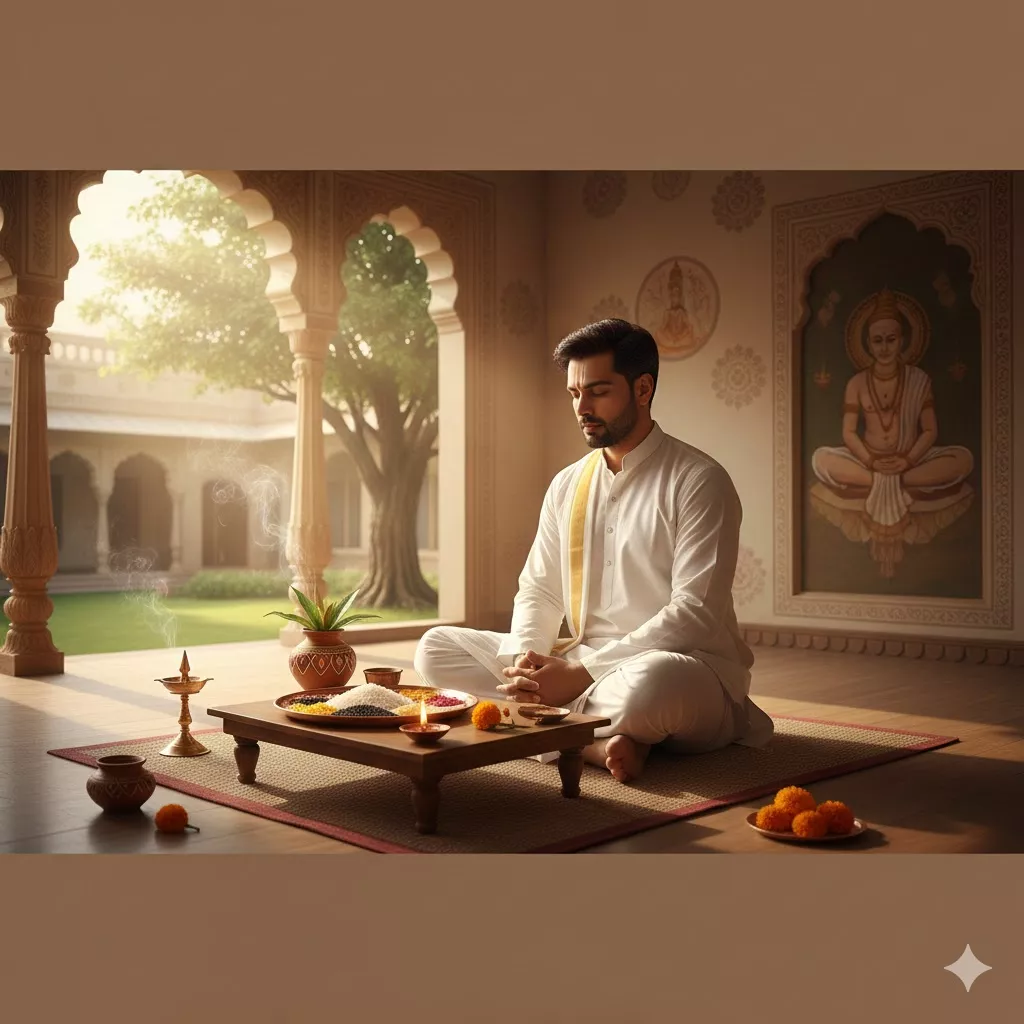
Essential Items for Home Shraddha
Ritual Items:
- Kusha grass (darbha)
- Black sesame seeds (til)
- Barley (jau)
- White flowers (especially jasmine)
- Incense and lamps
- Pure cow ghee
- Gangajal (holy water)
- Silver or copper vessels
Food Offerings:
- Rice and dal
- Seasonal vegetables
- Kheer (sweet rice pudding)
- Puris or rotis
- Fruits (banana, seasonal fruits)
- Honey and sugar
- Cow milk products
Donations (Dakshina):
- Money for Brahmins
- Clothes (white preferred)
- Umbrella and footwear
- Utensils
- Grains and pulses
Final Wisdom from Garuda Purana
The Garuda Purana beautifully summarizes ancestral worship:
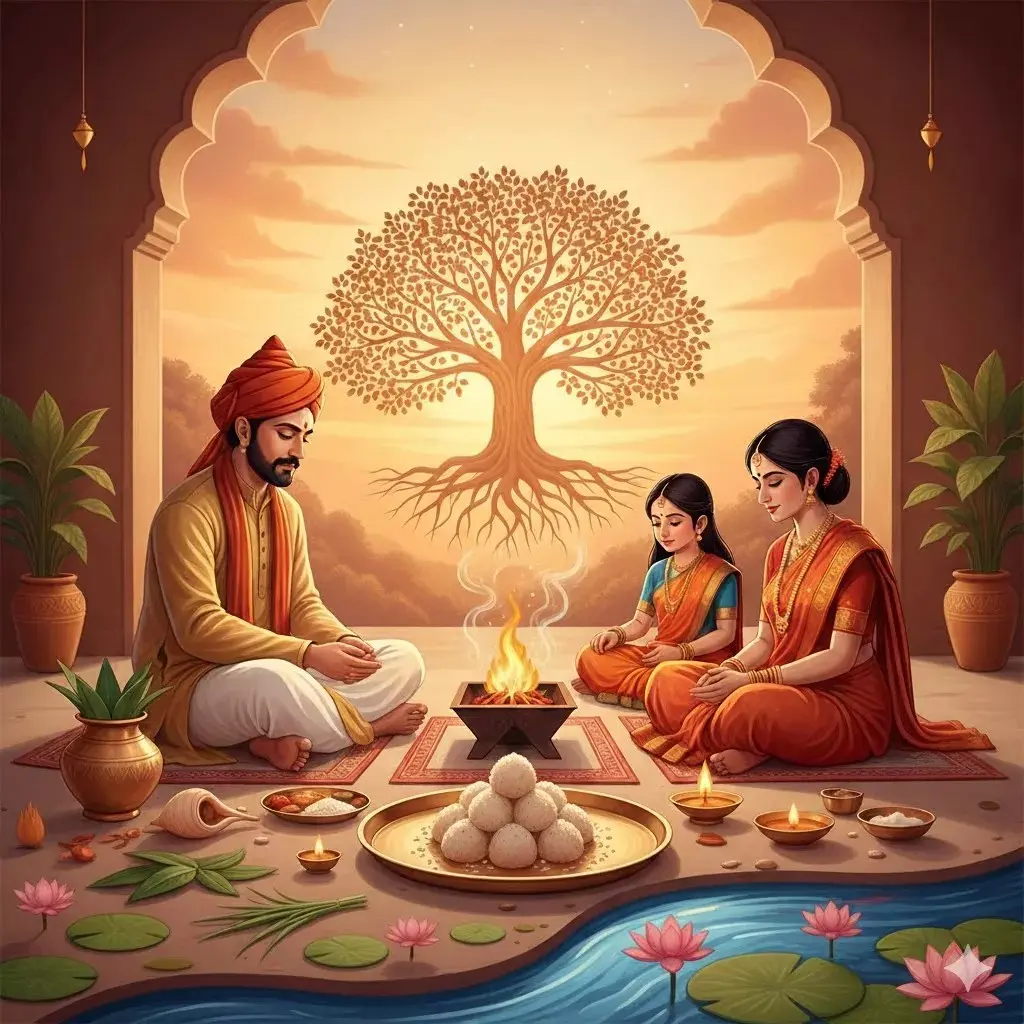
“Just as a tree cannot survive without roots, a family cannot prosper without honoring its ancestors. The living owe three debts (Rin): to Gods (Deva Rin), to Sages (Rishi Rin), and to Ancestors (Pitru Rin). Those who discharge these debts through proper rituals live in peace and prosperity.”
Key Takeaways:
- Prevention is better than cure: Regular, correct Shraddha prevents Pitru Dosha
- Quality over quantity: One sincere, proper ritual beats multiple careless ones
- Consult experts: Don’t hesitate to seek guidance from learned priests
- Faith and devotion: These matter more than elaborate arrangements
- Continuous practice: Make ancestral worship a lifelong commitment
- Teach next generation: Ensure children learn these sacred traditions
Take Action Today: Your Personalized Pitru Dosha Resolution Plan
Step 1: Assess Your Current Situation
- Have you performed Shraddha in past 3 years?
- Do you know your ancestors’ death dates?
- Are you experiencing Pitru Dosha symptoms?
Step 2: Immediate Actions (This Week)
- Start daily water offerings to ancestors
- Fix next Amavasya date for Tarpan
- Contact family elders for ancestral information
- Find qualified priest in your area
Step 3: Short-term Plan (1-3 Months)
- Perform proper Shraddha on next appropriate tithi
- Complete any pending death anniversary rituals
- Begin daily mantra recitation
- Schedule visit to sacred tirtha if possible
Step 4: Long-term Commitment (Ongoing)
- Never miss Pitru Paksha annual rituals
- Observe all Amavasya with Tarpan
- Teach children about ancestral duties
- Maintain family tree and records
- Regular charity in ancestors’ names
Connect with HinduTone for Spiritual Guidance
At HinduTone.com, we’re committed to making ancient wisdom accessible for modern lives. For more guidance on:
- Detailed Shraddha procedures
- Finding qualified priests in your city
- Astrological consultation for Pitru Dosha
- Sacred tirtha pilgrimage planning
- Monthly puja calendars and reminders
Explore more articles:
- [Complete Guide to Pitru Paksha 2026]
- [Garuda Purana Teachings on Life After Death]
- [Sacred Tirthas of India: Pilgrimage Guide]
- [Vedic Astrology and Ancestral Afflictions]
- [Hindu Funeral Rites: A Comprehensive Guide]
Conclusion: From Fear to Faith, From Dosha to Blessings
The Garuda Purana’s warnings about Shraddha mistakes aren’t meant to instill fear but to ensure we honor our ancestors properly and receive their blessings. Pitru Dosha isn’t a permanent curse—it’s a wake-up call to correct our neglect and restore the sacred bond with those who came before us.
When we perform Shraddha with correct tithi, pure offerings, sincere devotion, and proper procedures, we transform potential curses into powerful blessings. Our ancestors become our protectors, guiding us toward prosperity, health, and spiritual evolution.
Remember: Your ancestors are your roots. Strong roots ensure a flourishing tree.
Start your journey from fear to faith today. Honor your ancestors, follow the sacred traditions, and watch as obstacles transform into opportunities and Pitru Dosha dissolves into Pitru Anugraha (ancestral grace).
Disclaimer: This article is for educational and spiritual guidance purposes. For serious health, financial, or psychological issues, please consult appropriate medical, financial, or mental health professionals. Ritual practices should be performed under guidance of qualified priests. HinduTone.com respects all beliefs and traditions.
Related posts:
 Pushya Masam: The Most Auspicious Month for Pithru Tarpanam in Hindu Tradition
 The Contribution of Chaitanya Mahaprabhu in the Bhakti Movement
 Hindu Kings Who Ruled Akhand Bharat: A Historical Overview
 Chhatrapati Sambhaji Maharaj: A Forgotten Hero Every Hindu Needs to Remember
 Real-Life Examples of Instant Karma in Hindu Scriptures
 Ugadi 2025 Panchangam Predictions: What Does the New Year Hold for You?


 ︎
︎

