


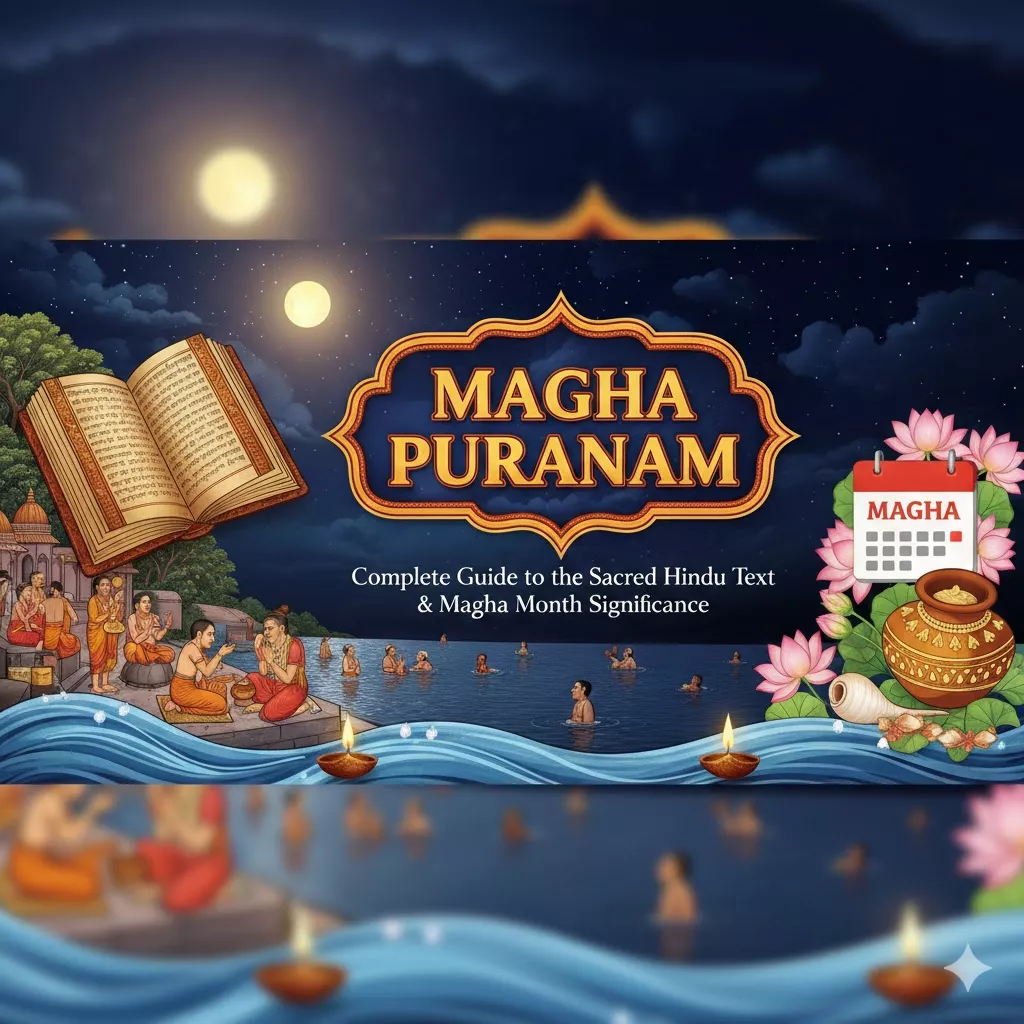
Magha Puranam: A Complete Guide for Hindu Americans – Embracing the Sacred Month in the Modern U.S. Context

Magha Puranam: A Complete Guide for Hindu Americans – Embracing the Sacred Month in the Modern U.S. Context
Introduction to Magha Puranam Magha Puranam is a revered Hindu devotional text that highlights the profound spiritual importance of Magha month (typically January–February in the Gregorian calendar). This scripture guides devotees on rituals, observances, and practices during this highly auspicious period, emphasizing holy bathing, charity, devotion, and ethical living. In Hindu tradition, merits (punya) earned in Magha are believed to be greatly amplified, offering a powerful window for spiritual growth, purification, and divine grace.
What is Magha Puranam? Magha Puranam is a sacred narrative focused on the religious activities recommended for Magha month. It details the immense spiritual rewards of acts like sacred bathing in holy waters, charitable giving, prayer, and righteous conduct. While the full text includes inspiring stories of devotion and transformation, its core message resonates universally: sincere practice during this month brings multiplied blessings.
Significance of Magha Month Magha holds deep importance in Hinduism due to:
- Cosmic Timing: The sun enters Capricorn (Makara Rashi), ushering in Uttarayana—the northward journey of the sun, seen as ideal for spiritual pursuits and positive energy.
- Divine Convergence: Scriptures describe deities, sacred rivers, and holy sites converging on Earth, making every act of devotion more effective.
- Ancestral Honor: It’s a prime time for Pitru Tarpana (offerings to ancestors) to bring peace to departed souls and blessings to the family.
Key Rituals and Observances from Magha Puranam
- Magha Snan (Holy Bathing) The central practice is early morning immersion in sacred waters, ideally at river confluences. Devotees chant mantras, pray to Surya (Sun God), and seek karmic cleansing.
- Daan (Charity) Giving food, clothes, blankets, grains, or money to the needy, Brahmins, cows, or the poor is highly praised, as it accumulates vast merit.
- Fasting and Discipline Optional fasts on days like Mondays (for Shiva), Thursdays (for Vishnu), or Saturdays (for Shani) involve simple sattvic foods like fruits or milk.
- Temple Worship Visiting temples for puja, abhishekam (ritual bathing of deities), flower offerings, and special prayers—especially to Vishnu and Shiva.
- Scripture Recitation Reading texts like the Bhagavad Gita, Vishnu Sahasranama, Shiva Purana, or sections of Magha Puranam itself fosters inner peace.
Important Days in Magha Month
- Magha Gupt Navratri: A nine-day devotion to Goddess Durga with fasting and prayers.
- Mauni Amavasya (New Moon): The holiest day for bathing and charity; many gather at sacred sites.
- Vasant Panchami: Honors Goddess Saraswati for knowledge and arts—ideal for students seeking blessings.
- Magha Purnima (Full Moon): Concludes the month with special baths and donations for great merit.
- Bhishma Ashtami: Remembers Bhishma Pitamah’s departure, with ancestral reverence.
Benefits of Observing Magha Practices Sincere participation offers:
- Cleansing of sins and past karma
- Divine grace and fulfillment of positive desires
- Improved health, prosperity, and family harmony
- Progress toward moksha (liberation)
- Peace for ancestors
- Merit comparable to major spiritual acts
Adapting Magha Observances for Hindus in the USA Living in the U.S., where sacred rivers aren’t readily accessible and daily life is fast-paced, many Hindu Americans creatively adapt these traditions while preserving their essence:
- Morning Bath Ritual: Take an early shower or bath at home, chanting mantras (e.g., Gayatri or Surya mantras) and visualizing holy rivers like the Ganga. Cold showers can add an element of tapasya (austerity) and offer modern health benefits like better circulation.
- Charity and Seva: Donate to local food banks, temples, or organizations supporting the needy (e.g., via Hindu American charities, Feeding America, or temple drives). Feeding the homeless or contributing to community causes mirrors traditional daan.
- Fasting and Diet: Follow sattvic meals—vegetarian, light foods—avoiding meat, alcohol, and excess. Many observe partial fasts or fruit-based days aligned with personal health.
- Home or Temple Worship: Set up a home altar for daily puja, meditation, or virtual/online temple streams. Attend local Hindu temples (common in cities with Indian communities) for group events, bhajans, or discourses.
- Scripture and Learning: Read or listen to Magha Puranam excerpts, Bhagavad Gita, or apps/podcasts on Hindu teachings. Join online study groups or temple classes.
- Community Engagement: Participate in temple-sponsored events, virtual satsangs, or family gatherings to chant and share stories.
Connection to Magh Mela and Kumbh Mela Magha month features the annual Magh Mela at Prayagraj’s Triveni Sangam (confluence of Ganga, Yamuna, and mythical Saraswati), drawing pilgrims for sacred dips. Every few years, it escalates to Ardh Kumbh or Maha Kumbh Mela—the world’s largest peaceful gathering. For U.S. Hindus, this inspires virtual participation (live streams) or planned pilgrimages, reinforcing global Hindu unity.
Scientific and Practical Notes Magha aligns with Uttarayana and winter, adding austerity to cold-water practices (beneficial for immunity and alertness). In the U.S., winter mornings provide a similar challenging yet rewarding context.
Stories from Magha Puranam The text shares uplifting tales, such as:
- A humble Brahmin gaining prosperity through sincere Magha devotion despite limited means.
- References to Bhagiratha’s efforts bringing the Ganga for ancestral liberation.
- A merchant’s life transformed by charity and righteousness in Magha.
Conclusion: Living the Spirit of Magha in America Magha Puranam reminds us that true spirituality lies in devotion, compassion, and discipline—not rigid ritual. For Hindu Americans, this month is a chance to reconnect with roots amid modern life, fostering inner growth, family bonds, and community service. Embrace it through heartfelt practice, and let its timeless wisdom guide your dharmic journey.
Frequently Asked Questions (FAQ) for U.S. Hindus Q: When is Magha month in 2026? A: It generally runs from early January to early February (e.g., approximately January 4–February 1 in North Indian calendars; dates vary slightly by tradition—check a local panchang or app).
Q: Can I observe without a river? A: Absolutely—home bathing with intention and mantras is fully valid and widely practiced in the diaspora.
Q: Is it open to all? A: Yes, anyone can participate, adapting to age, health, and lifestyle.
Q: Key donation ideas in the U.S.? A: Food, clothing, blankets to shelters; support for education or temple funds; volunteering time.
Q: Can families with kids join? A: Yes—simplify for children (e.g., story time, simple prayers) to pass on traditions.
This guide is for educational purposes. For personalized guidance, consult temple priests, spiritual mentors, or community elders. May your Magha observances bring peace, joy, and spiritual upliftment!
Related posts:
 The Power of Mantras in Healing and Spiritual Awakening
 Challenges Faced by Hinduism
 How Social Media Influencers Can Promote Hinduism Worldwide
 Mahavatar Babaji: The Timeless Yogi of the Himalayas
 Difference Between Indian Panchang & USA Ekadashi Dates – A Complete Guide for NRIs
 Dhanurmasa Pournami 2026: Spiritual Significance, Rituals & Devotional Importance


 ︎
︎

