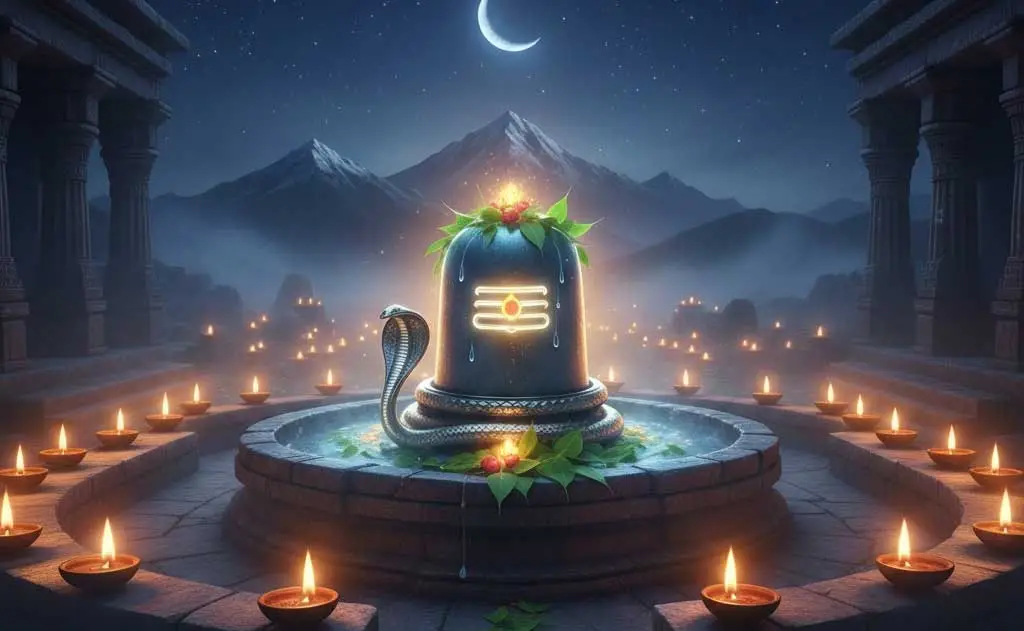
Mauni Amavasya 2026: Date, Vrat & Spiritual Benefits
Mauni Amavasya 2026: Date, Maun Vrat Rules, Holy Dip, and Spiritual Silence Benefits Mauni Amavasya, one of the most spiritually powerful new moon days in the…

Mauni Amavasya 2026: Date, Maun Vrat Rules, Holy Dip, and Spiritual Silence Benefits Mauni Amavasya, one of the most spiritually powerful new moon days in the…
Mauni Amavasya 2026: Date, Maun Vrat Rules, Holy Dip, and Spiritual Silence Benefits
Mauni Amavasya, one of the most spiritually powerful new moon days in the Hindu calendar, falls during the sacred month of Magha. This auspicious day combines the transformative energy of Amavasya (new moon) with the profound practice of maun (silence), creating a unique opportunity for inner purification and spiritual elevation.
Mauni Amavasya 2026 Date and Timing
Mauni Amavasya 2026 will be observed on Sunday, January 18, 2026. This Maghi Amavasya occurs during the Krishna Paksha (waning phase) of the Magha month, which is considered highly auspicious for spiritual practices and ancestral rituals.
The Amavasya Tithi typically begins on the evening of January 17 and extends into January 18, 2026. Devotees should consult local panchang for precise timings in their region to perform rituals during the most auspicious hours.
Why Mauni Amavasya is Special: Spiritual Significance
Mauni Amavasya holds a unique position among all Amavasya dates due to several profound reasons:
The Power of Magha Month
The month of Magha is dedicated to Lord Vishnu and is considered one of the holiest months in the Hindu calendar. Activities performed during this month are believed to yield multiplied spiritual benefits. The new moon day in this month amplifies these blessings further.
Silence as Spiritual Discipline
The practice of maun (complete silence) on this day is not merely about refraining from speech. It represents:
- Mind control and mental discipline: Silence helps calm the constant chatter of the mind
- Conservation of spiritual energy: Words carry energy, and silence preserves this vital force
- Inner reflection and self-awareness: Without external communication, attention naturally turns inward
- Connection with the divine: Silence creates space for divine communication and intuitive wisdom
Holy Bath Transforms to Amrit
According to Hindu scriptures, bathing in sacred rivers on Mauni Amavasya transforms the water into amrit (nectar of immortality). The confluence of spiritual energy on this day purifies not just the physical body but also the subtle energy bodies, washing away karma and sins accumulated over lifetimes.
Ancestral Blessings Through Pitru Tarpan
Amavasya is traditionally dedicated to honoring ancestors. On Mauni Amavasya, the pitru tarpan (offering water to ancestors) performed in silence carries special potency, bringing peace to departed souls and blessings to the living descendants.
Mauni Amavasya Rituals: Traditional Observances
1. Maun Vrat (Vow of Silence)
The centerpiece ritual of Mauni Amavasya is observing complete silence for the entire day or for specific hours.
How to Observe Maun Vrat:
- Begin silence from sunrise or from the previous midnight
- Avoid all verbal communication, including phone calls and voice messages
- Refrain from writing, gestures, or other forms of communication (strict observance)
- Some devotees maintain partial maun, speaking only when absolutely necessary
- Focus mental energy on divine contemplation rather than internal dialogue
Benefits of Silence Vrat:
- Enhanced concentration and mental clarity
- Stress reduction and emotional balance
- Deeper spiritual experiences during meditation
- Increased awareness of thoughts and speech patterns
- Conservation of vital energy (prana)
2. Brahma Muhurta Bath (Early Morning Sacred Dip)
Rising during Brahma Muhurta (approximately 1.5 hours before sunrise) and taking a holy bath is considered extremely auspicious.
Sacred Bathing Guidelines:
- Ideally, bathe in holy rivers like Ganga, Yamuna, or at the Triveni Sangam in Prayagraj
- If unable to visit sacred sites, add Ganga jal or sacred water to your bath at home
- Face east while bathing and chant mantras silently or mentally
- After bathing, offer water to the Sun God (Surya Arghya)
- Wear clean, preferably new or freshly washed clothes after the bath
3. Meditation and Spiritual Practices
With the mind quieted through silence, Mauni Amavasya is ideal for deep spiritual practices:
- Pranayama: Breath control exercises to purify nadis (energy channels)
- Dhyana: Extended meditation sessions for inner exploration
- Mantra Japa: Silent repetition of sacred mantras, especially Gayatri Mantra or Om
- Scripture Reading: Study of Bhagavad Gita, Upanishads, or other sacred texts
- Self-reflection: Journaling insights and contemplating life's purpose
4. Charity and Dana (Donations)
Giving on Mauni Amavasya multiplies the spiritual merit:
- Donate food, clothes, blankets to the needy, especially during cold Magha month
- Offer til (sesame seeds), jaggery, warm clothes, and grains
- Feed Brahmins, sadhus, and the poor
- Contribute to temples and spiritual organizations
- Provide food and water to birds and animals
5. Pitru Tarpan (Ancestral Offerings)
Honor your ancestors through traditional rituals:
- Offer water mixed with black sesame seeds and barley
- Perform tarpan facing south (direction of ancestors)
- Chant ancestral names and gotra while offering
- Request blessings for family wellbeing and spiritual progress
- Conduct rituals with sincere devotion and gratitude
Prayagraj Snan 2026: The Sacred Triveni Sangam Experience
Mauni Amavasya is particularly significant during Magh Mela and Kumbh Mela years at Prayagraj, where millions of pilgrims gather for the sacred snan (bath) at the Triveni Sangam, the confluence of Ganga, Yamuna, and the mystical Saraswati rivers.
Why Prayagraj is Special for Mauni Amavasya 2026
- The Triveni Sangam is considered the holiest bathing spot in India
- Bathing here on Mauni Amavasya is believed to liberate one from the cycle of rebirth
- The spiritual energy at the confluence during this time is unparalleled
- Thousands of saints, yogis, and spiritual seekers congregate, creating a powerful spiritual atmosphere
Planning Your Prayagraj Visit
If you're planning to visit Prayagraj for Mauni Amavasya 2026:
- Book accommodations well in advance as the city experiences massive pilgrim influx
- Arrive a day or two early to avoid last-minute rush
- Follow safety guidelines and stay with your group
- Respect the sanctity of the place and maintain cleanliness
- Participate in early morning bath for the most auspicious experience
- Attend satsangs and spiritual discourses by saints present during Magh Mela
Connection to Magh Mela and Kumbh Preparations
Mauni Amavasya falls during the Magh Mela period, which runs throughout the Magha month. This fair serves as a spiritual preparation and smaller-scale rehearsal for the grand Kumbh Mela.
Spiritual Significance of Magh Mela
- Entire month dedicated to spiritual practices and holy bathing
- Devotees take dips on all auspicious days, with Mauni Amavasya being paramount
- Saints and spiritual teachers offer wisdom and initiate seekers
- Creates a temporary spiritual city where worldly concerns fade away
Major Bathing Days During Magh Mela 2026
While Mauni Amavasya is the most significant, other important bathing dates include:
- Paush Purnima (beginning of Magh Mela)
- Makar Sankranti
- Mauni Amavasya (most important)
- Basant Panchami
- Maghi Purnima (conclusion of Magh Mela)
How to Observe Mauni Amavasya at Home: Practical Tips
Not everyone can visit sacred rivers or pilgrimage sites. Here's how to meaningfully observe Mauni Amavasya from your home:
Morning Routine
- Wake up during Brahma Muhurta (around 4:30-5:00 AM)
- Clean your home and puja space thoroughly
- Take a purifying bath with water mixed with Ganga jal, holy basil, or turmeric
- Light a lamp and incense in your puja room
- Begin your vow of silence with clear intention
Throughout the Day
- Maintain complete silence or minimal necessary communication
- Fast or eat simple sattvic food (fruits, milk, nuts, light meals without onion-garlic)
- Engage in continuous spiritual practices: meditation, mantra japa, scripture reading
- Avoid television, movies, and unnecessary phone usage
- Spend time in nature if possible, observing silence amidst natural beauty
- Perform pitru tarpan using simple home rituals or offering water at your altar
Evening Practices
- Light lamps at sunset (Sandhya Aarti)
- Offer prayers to your ishta devata (chosen deity)
- Express gratitude for the day's spiritual experiences
- Break your silence mindfully after sunset or next morning, first speaking sacred words
- Share prasad with family members
Creating Sacred Space at Home
Transform your home into a mini-temple for the day:
- Decorate with fresh flowers and rangoli
- Play devotional music or mantras softly in the background
- Burn sacred incense like sandalwood or frankincense
- Keep the atmosphere clean, calm, and conducive to meditation
- Involve family members in simplified rituals appropriate for all ages
Spiritual and Scientific Benefits of Mauni Amavasya Observance
Spiritual Benefits
- Karmic cleansing: Washing away negative karma accumulated over lifetimes
- Ancestral peace: Bringing liberation and peace to departed souls
- Spiritual merit: Accumulating punya (spiritual merit) for future wellbeing
- Divine grace: Attracting blessings from deities and cosmic forces
- Inner awakening: Accelerating spiritual evolution and self-realization
Mental and Emotional Benefits
- Mental clarity: Silence clears mental fog and enhances decision-making
- Emotional healing: Processing suppressed emotions in a safe inner space
- Stress reduction: Significant decrease in anxiety and mental turbulence
- Enhanced focus: Improved concentration abilities lasting beyond the observance
- Self-awareness: Deeper understanding of thought patterns and behavioral triggers
Physical Benefits
- Nervous system rest: Silence provides deep rest to the often-overstimulated nervous system
- Improved digestion: Fasting or light eating gives digestive system a break
- Better sleep: Spiritual practices and silence promote deeper, more restorative sleep
- Energy conservation: Not speaking conserves vital energy typically dispersed through words
- Detoxification: Holy bathing and fasting support physical cleansing processes
Social and Relational Benefits
- Improved communication: Awareness gained leads to more conscious, compassionate speech
- Better listening: Silence practice enhances ability to truly hear others
- Reduced conflicts: Understanding the power of words reduces unnecessary arguments
- Deeper relationships: Quality of interactions improves when communication becomes intentional
Mauni Amavasya Mantras and Prayers
While observing silence, you can mentally chant these powerful mantras:
For Inner Peace
Om Shanti Shanti Shanti
For Ancestral Liberation
Om Pitrubhyah Namah (Salutations to the ancestors)
Gayatri Mantra
Om Bhur Bhuvaḥ Swaḥ Tat Savitur Vareṇyaṃ Bhargo Devasya Dhīmahi Dhiyo Yo Naḥ Prachodayāt
For Spiritual Awakening
Om Namah Shivaya (Salutations to the auspicious one)
For Universal Peace
Sarve Bhavantu Sukhinah Sarve Santu Niraamayaah (May all beings be happy, may all beings be free from illness)
Common Questions About Mauni Amavasya
Can I communicate in emergencies?
Yes, if there's a genuine emergency affecting health or safety, breaking silence is acceptable. However, try to resume silence as soon as possible. True spiritual practice includes wisdom and compassion.
Should children observe complete silence?
Children can be encouraged to observe partial silence for shorter durations, like a few hours. Make it a positive, educational experience rather than a strict rule. Focus on teaching them the value of mindful communication.
What if I cannot fast?
Fasting is optional. Those with health conditions, pregnant women, elderly, and children should eat nutritious sattvic meals. The focus should be on silence and spiritual practices rather than physical austerity.
Can I work on Mauni Amavasya?
If possible, take the day off for focused spiritual practice. If you must work, maintain inner silence and mindfulness, speaking only when professionally necessary. The quality of your inner state matters more than external circumstances.
Conclusion: Embracing the Transformative Power of Silence
Mauni Amavasya 2026 offers a precious opportunity to step away from the noise of modern life and dive deep into the ocean of inner silence. Whether you choose to observe this sacred day at the Triveni Sangam in Prayagraj or in the quiet sanctuary of your home, the key is approaching it with sincere devotion and open heart.
The practice of silence on this powerful new moon day is not about suppressing expression but about discovering the profound wisdom that emerges when we stop filling every moment with words. In that sacred space of silence, we may hear the whispers of our own soul and the divine guidance that is always present but often drowned out by life's noise.
As you prepare for Mauni Amavasya 2026, remember that true spiritual practice is not about perfection but about sincere effort and intention. Every moment of silence, every act of charity, every prayer offered with devotion contributes to your spiritual evolution and the wellbeing of all beings.
May this Mauni Amavasya bring you inner peace, spiritual clarity, and the blessings of the divine and your ancestors. May your silence be filled with profound insights, and may your spiritual practices bear abundant fruit in your life journey.
Om Shanti Shanti Shanti
For more articles on Hindu festivals, rituals, and spiritual practices, visit www.hindutone.com
Frequently Asked Questions
When is Mauni Amavasya 2026?
Mauni Amavasya 2026 falls on January 18, 2026.
What is the significance of Mauni Amavasya?
Mauni Amavasya 2026: Date, Maun Vrat Rules, Holy Dip, and Spiritual Silence Benefits Mauni Amavasya, one of the most spiritually powerful new moon days in the Hindu calendar, falls during the sacred month of Magha. This auspicious day combines the transformative energy of Amavasya (new moon) with the profound practice of maun (silence), creating a unique opp
How is Mauni Amavasya celebrated?
Devotees observe it with puja, fasting or special offerings, visiting temples, chanting mantras, and gathering with family. Customs vary by region and tradition.
What should devotees do on Mauni Amavasya?
Take a sacred bath, perform the day's puja and charity (dana), observe any prescribed fast, and chant mantras with sincere devotion.
You might also like

Paush Purnima 2026: Date, Puja Vidhi & Benefits

Gita Jayanti 2026 Prasad Recipes — Tulsi-Honoring Sweets, Krishna's Favourites & December 20 Bhog Plate
Shani Deva Temples Worldwide & Must-Performed Rituals — Complete Devotee's Guide