Mount Kailash & Lake Mansarovar – Divine Union Explored
Mount Kailash and Lake Mansarovar: The Divine Union of Shiva's Abode and Brahma's Soul Mirror In the remote Trans-Himalayan region of Tibet, where earth…
Mount Kailash and Lake Mansarovar: The Divine Union of Shiva's Abode and Brahma's Soul Mirror
In the remote Trans-Himalayan region of Tibet, where earth reaches toward heaven and silence speaks louder than prayers, two sacred entities exist in divine harmony. Mount Kailash, the cosmic axis upon which Lord Shiva meditates in eternal samadhi, rises 6,638 meters into crystalline skies. At its feet lies Lake Mansarovar, a turquoise jewel born from the mind of Brahma, reflecting both the mountain's magnificence and the soul's deepest yearnings. Together, they form one of Hinduism's most profound pilgrimage destinations, where Shiva's transformative power and Brahma's creative purity converge to offer seekers the ultimate spiritual purification.
This is not merely a journey to a remote mountain and lake. The Kailash Mansarovar yatra represents a sacred covenant between devotee and divine, where every step becomes prayer, every breath becomes mantra, and every moment becomes an opportunity for the soul to shed lifetimes of accumulated karma.
Kailash: The Eternal Throne of Shiva and Parvati
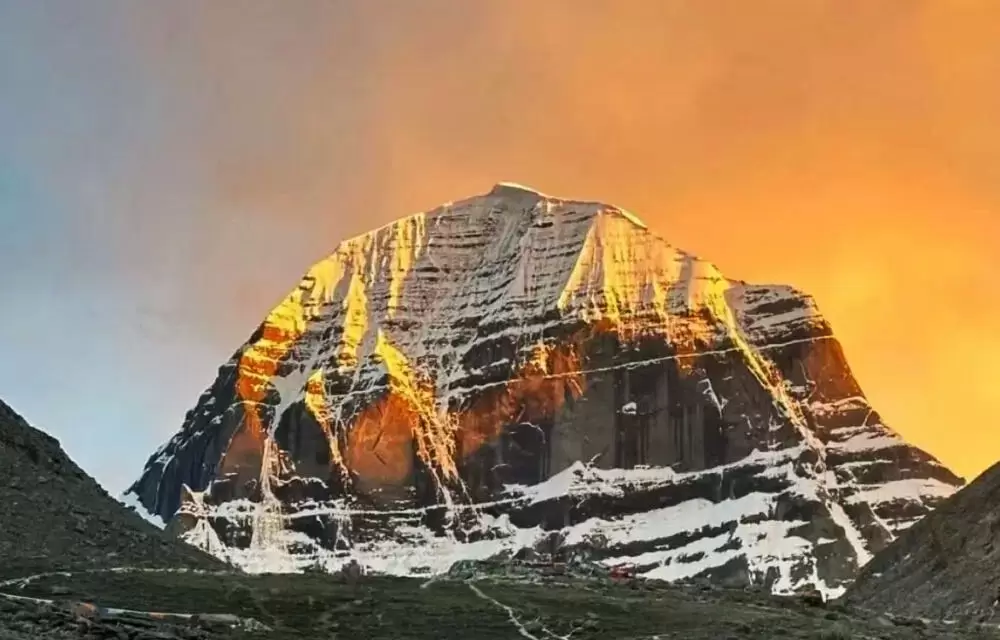
Mount Kailash is called Kang Rinpoche in Tibetan, meaning 'Precious Snow Mountain,' but to Hindus, it is far more than geological wonder. This is the actual dwelling place of Mahadeva and his consort Parvati, where cosmic consciousness abides in perpetual meditation. The Puranas describe Kailash as the center of the universe, the point where physical and metaphysical realities intersect.
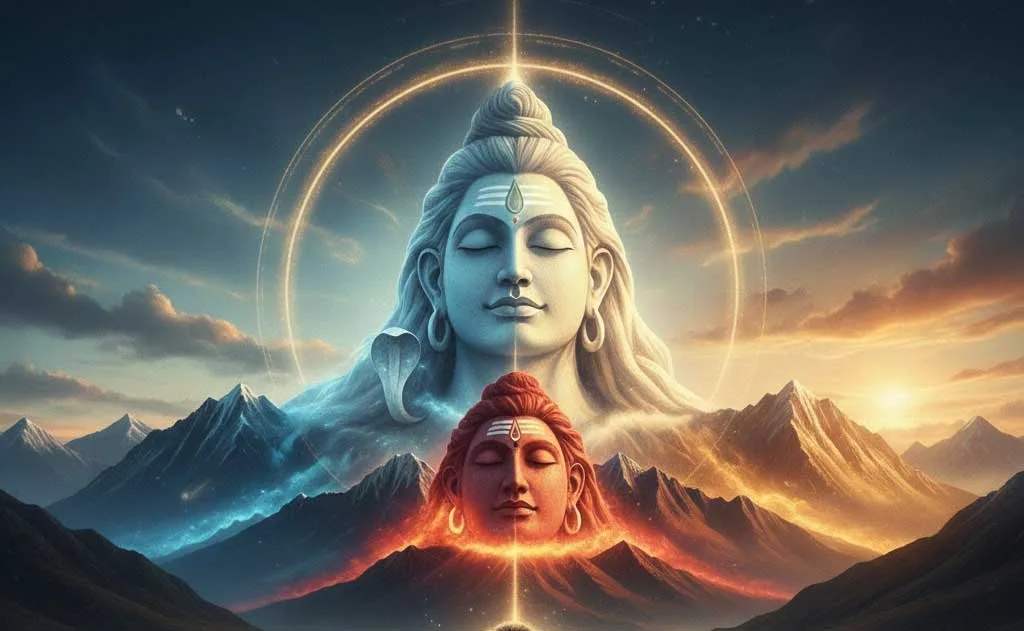
The mountain's distinctive pyramidal peak, with its four near-symmetrical faces aligned to the cardinal directions, appears almost supernatural in its geometric perfection. Pilgrims report that Kailash seems to change appearance throughout the day as light shifts across its flanks, sometimes appearing as a crystal throne, sometimes as a lingam emerging from the earth itself. This is where Shiva sits in lotus position, his matted locks containing the Ganga, his third eye closed in compassion, his trident marking the boundary between material and spiritual realms.
No human has ever climbed Kailash. Not because it is technically impossible, but because it is spiritually forbidden. The mountain protects its sanctity fiercely. Those who have attempted ascent have reported inexplicable obstacles, sudden storms appearing from clear skies, or overwhelming feelings that turned them back. This is Shiva's abode, not a conquest to be claimed but a presence to be honored from reverent distance.
Ancient texts speak of Kailash as one of the few places on Earth where the veil between dimensions grows thin. Rishis and yogis who achieved sufficient spiritual merit were said to receive direct darshan of Shiva here, witnessing the cosmic dance of creation and dissolution, hearing the eternal om resonating from the mountain's core. Even today, pilgrims speak of profound experiences during Kailash parikrama, moments where time seems to stop, where the boundary between self and Self dissolves.
Mansarovar: Brahma's Mind-Born Lake
While Kailash embodies Shiva's power of transformation and dissolution, Lake Mansarovar represents Brahma's creative consciousness, the purity of divine intention made manifest. The very name reveals its origin: 'Manas' means mind, and 'Sarovar' means lake. This is the lake born from Brahma's thought, created before he began the work of cosmic creation as a reservoir of pure consciousness.
At 4,590 meters elevation, Mansarovar is one of the world's highest freshwater lakes, covering approximately 320 square kilometers. But these geographical facts barely capture its spiritual essence. The lake's waters possess an otherworldly clarity and color, ranging from deep sapphire to turquoise to crystalline transparency depending on light and weather. Pilgrims describe it as liquid meditation, water that seems to possess consciousness, that responds to prayer and devotion.
According to sacred tradition, the Ganga herself was born from these waters. When Shiva released the celestial river from his locks, she first descended to Mansarovar, where she was purified in Brahma's consciousness before flowing down to sanctify the earth. This makes Mansarovar the grandmother of all tirthas, the original source of spiritual purification. When devotees bathe in Mansarovar, they are not simply washing their bodies but immersing themselves in the very essence of purity, in water that existed before the material universe took form.
The lake performs parikrama of Kailash in the form of water, eternally circumambulating the divine presence. This sacred geography creates a spiritual ecosystem where Shiva's transcendent power and Brahma's creative purity exist in perfect balance, where devotees can experience both the fierce grace of the destroyer and the gentle blessing of the creator.
The Sacred Tourist Experience: Where Journey Becomes Transformation
Those who embark on the Kailash Mansarovar yatra describe it as the most challenging and rewarding spiritual journey of their lives. This is not tourism in the conventional sense. The high altitude, remote location, basic facilities, and physical demands mean that every pilgrim must surrender comfort and control. This surrender is itself part of the purification process.
The first glimpse of Kailash typically occurs from a distance, the mountain appearing suddenly between valleys, its peak seeming to float above the landscape. Pilgrims report that this moment often brings tears, a spontaneous upwelling of devotion that bypasses intellect and speaks directly to the soul. Standing before Mansarovar for the first time produces a similar effect, the vast expanse of sacred water reflecting sky and mountain in pristine stillness.
The complementary nature of Kailash's power and Mansarovar's purity becomes evident in how pilgrims experience them. Kailash demands, challenges, tests. The parikrama around the mountain pushes physical and mental limits, forcing pilgrims to confront their attachments, fears, and ego. Mansarovar soothes, heals, restores. After the rigors of parikrama, bathing in the lake's sacred waters feels like a divine embrace, a confirmation that the spiritual work has been witnessed and honored.
Bathing Rituals for Sin Removal: Immersion in Divine Consciousness
The ritual bathing in Lake Mansarovar is not a casual dip but a sacred ceremony performed with specific intentions and mantras. Pilgrims typically bathe three times, each immersion representing the washing away of sins accumulated through thought, word, and deed. The water is glacially cold, even in summer, shocking the system and demanding complete presence in the moment.
Traditional practice involves offering prayers to Brahma, acknowledging the lake as his creation and consciousness. Many pilgrims recite the Gayatri Mantra while bathing, invoking the illuminating power of divine consciousness. Others chant Shiva mantras, recognizing that Mansarovar exists in service to Kailash, that Brahma's creation honors Shiva's presence.
The scriptures promise that bathing in Mansarovar removes sins from countless lifetimes, but pilgrims report something deeper than theoretical purification. Many describe feeling physically lighter after bathing, as though unseen burdens have been lifted. Some experience spontaneous emotional releases, crying or laughing without apparent cause, as deeply held tensions dissolve. Others report clarity of mind, the cessation of mental chatter, a profound silence that continues long after leaving the lake.
Drinking Mansarovar's water is considered equally purifying. Pilgrims fill bottles to bring home, sharing this sacred water with family members who could not make the journey, extending the blessing across space and time. The water is said to retain its spiritual potency indefinitely, carrying the consciousness of Brahma and the grace of the sacred geography into homes and hearts around the world.
Parikrama Synergy: The Path to Moksha
The Kailash parikrama, a 52-kilometer circumambulation of the sacred mountain, is considered one of Hinduism's most powerful spiritual practices. Completing even one circuit is said to erase the sins of a lifetime. Completing 108 circuits is believed to guarantee moksha, liberation from the cycle of birth and death. This is where the transformative power of Kailash reaches its peak intensity.
The journey crosses Dolma La Pass at 5,630 meters, a point of spiritual and physical crisis where many pilgrims experience breakthrough moments. Tibetan tradition holds that all who cross this pass die symbolically and are reborn purified. Hindus understand it as the threshold where ego dissolves and true Self emerges. The practice of leaving behind a personal item at Dolma La, symbolizing attachment being surrendered, is common among pilgrims of all faiths.
The synergy between Kailash parikrama and Mansarovar bathing creates a complete spiritual process. The parikrama breaks down, challenges, and transforms. It destroys the false self through physical ordeal, altitude stress, and the relentless demand to keep moving forward even when body and mind beg for retreat. Then Mansarovar receives, heals, and renews. The lake's purifying waters wash away what the mountain has broken loose, providing a sacred container for the transformation to complete itself.
Some pilgrims perform Mansarovar parikrama as well, a gentler 85-kilometer walk around the lake that takes three to four days. This circumambulation is said to honor Brahma and complement the fierce grace of Kailash parikrama with the nurturing presence of the lake's consciousness. Together, circling both mountain and lake creates a figure-eight pattern of devotion, a sacred geometry that mirrors the infinite path of spiritual evolution.
Historical Beliefs and Sacred Traditions
The sacredness of Kailash and Mansarovar extends across millennia of Hindu tradition. The Skanda Purana, Vishnu Purana, and numerous other ancient texts reference Kailash as Shiva's dwelling and describe Mansarovar's miraculous origins. The Ramayana mentions that Ravana attempted to lift Kailash to demonstrate his power, only to have Shiva press down with his toe, trapping the demon king until he sang songs of praise for forgiveness.
Historical records show that Hindu and Buddhist pilgrims have been traveling to Kailash and Mansarovar for over a thousand years, enduring incredible hardships to receive the blessings of this sacred geography. The journey was considered so auspicious that many elderly pilgrims would set out knowing they might not survive the trek, accepting the possibility of death during yatra as the ultimate blessing, ensuring liberation regardless of the outcome.
The belief that four great rivers originate from Kailash, flowing in the four cardinal directions to nourish the world, further establishes the mountain as a cosmic center. The Brahmaputra, Indus, Sutlej, and Karnali rivers all have sources near Kailash, quite literally making it the watershed of Asia. This geographical reality perfectly mirrors the spiritual understanding: from Shiva's abode, life-giving blessing flows to all corners of the world.
Practical Information: Planning Your Sacred Journey
Best Time to Visit: The Kailash Mansarovar yatra season runs from May to September, with June through early September being optimal. During these months, the mountain passes are navigable and weather conditions are most favorable, though pilgrims should still prepare for sudden storms, snow, and extreme temperature variations.
Routes and Access: Most pilgrims travel through Nepal via Kathmandu, crossing into Tibet at the Kyirong border. The Indian government organizes official Kailash Mansarovar Yatra groups through the Ministry of External Affairs. Alternatively, private tour operators offer both group and customized itineraries. The journey typically takes 12 to 20 days depending on route and acclimatization schedule.
Physical Preparation: This is a high-altitude journey requiring good physical fitness and mental resilience. Prospective pilgrims should begin cardiovascular training at least three months before departure. Walking 5 to 10 kilometers daily, stair climbing, and altitude simulation training if available will help prepare the body. Equally important is mental and spiritual preparation through meditation, mantra practice, and study of the sacred significance of Kailash and Mansarovar.
Essential Requirements: Valid passport, Chinese visa (group visa for organized tours), comprehensive travel insurance including emergency evacuation, medical certificate confirming fitness for high-altitude travel, and appropriate gear including warm clothing, sturdy trekking boots, sleeping bag rated for sub-zero temperatures, and sun protection.
Costs: Organized yatras through the Indian government typically cost between 1.8 to 2.5 lakh rupees. Private tours range from 2 to 4 lakh rupees depending on services and route. This includes transportation, basic accommodation, permits, and guide services but not personal equipment or insurance.
Health Considerations: Altitude sickness is the primary health concern. Proper acclimatization, staying hydrated, and ascending gradually are essential. Pilgrims with serious heart conditions, respiratory issues, or high blood pressure should consult doctors before attempting the yatra. Carrying a basic medical kit including altitude sickness medication is strongly advised.
The Journey Home: Carrying Kailash and Mansarovar Within
Those who complete the Kailash Mansarovar yatra return transformed. They carry within themselves the memory of standing before Shiva's throne, of bathing in Brahma's consciousness, of walking the path that countless enlightened beings have walked before them. The physical journey ends, but the spiritual journey continues, deepened and accelerated by the grace received at these most sacred sites.
The divine union of Kailash and Mansarovar teaches us that spiritual transformation requires both fierce discipline and gentle compassion, both the destroying of illusions and the nurturing of truth. Shiva's power breaks what must be broken. Brahma's purity heals what has been wounded. Together, they offer the complete path to liberation.
Whether you journey to these sacred places in body or hold them in your heart through devotion, Kailash and Mansarovar remain forever accessible to sincere seekers. They are not ultimately physical locations but states of consciousness, the mountain of unwavering awareness and the lake of pristine clarity that exist within every soul awaiting discovery.
Discover This Sacred Duo Through Hindutone
Explore more profound insights into Lord Shiva's sacred abodes, divine manifestations, and spiritual practices at Hindutone. Visit our comprehensive temple guides, pilgrimage resources, and devotional content to deepen your connection with the divine.
SEO Keywords
Kailash Mansarovar yatra, Mount Kailash pilgrimage, Lake Mansarovar spiritual significance, Shiva residence Kailash, Brahma sacred lake, Kailash parikrama moksha, Mansarovar bathing rituals, Kailash Mansarovar tour packages, how to visit Mount Kailash, best time for Kailash yatra, spiritual significance Mount Kailash Mansarovar, Shiva Parvati abode, Ganga origin Mansarovar, Kailash circumambulation benefits, Hindu pilgrimage Tibet, sacred mountain lake Tibet, Kailash Mansarovar experience, ultimate purification yatra, moksha pilgrimage India
Frequently Asked Questions
How high are Mount Kailash and Lake Mansarovar?
Mount Kailash rises 6,638 meters, while Lake Mansarovar sits at 4,590 meters and covers roughly 320 square kilometers. It is counted among the world's highest freshwater lakes.
Why has no one climbed Mount Kailash?
Hindus regard Kailash as Shiva's abode, so ascent is considered spiritually forbidden rather than technically impossible. It is meant to be honored from a reverent distance.
What does the name Mansarovar mean?
'Manas' means mind and 'Sarovar' means lake. As commonly told, the lake was born from Brahma's thought before he began cosmic creation.
How is the ritual bath in Lake Mansarovar performed?
Pilgrims typically bathe three times, representing sins of thought, word and deed. They offer prayers to Brahma, and many recite the Gayatri Mantra or Shiva mantras. The water is glacially cold even in summer.
How long is the Kailash parikrama and what is its highest point?
The parikrama is a 52-kilometer circumambulation of the mountain. It crosses Dolma La Pass at 5,630 meters, where pilgrims often leave a personal item to symbolize surrendering attachment.
What do the scriptures say about repeating the Kailash parikrama?
Tradition holds that one circuit erases the sins of a lifetime and 108 circuits lead to moksha. These are spiritual beliefs, not guarantees.
Share this with family and friends
Send it on WhatsApp, post it, or copy the link.
More from Hindutone
- What Does Sarva Mangala Mean? | Significance and Spiritual Meaning in Lalita Sahasranama
- Vat Savitri Vrat & Snana Yatra June 29 2026 – Complete Devotional Guide: Savitri’s Story, Rituals & Jagannath Significance
- Nirjala Ekadashi June 25 2026 – The King of Ekadashis: Complete Guide with Bhima’s Story, Rituals, Mantras & Benefits
- Parama Ekadashi June 11 2026 – Complete Devotional Guide: Date, Story, Rituals, Mantras & Benefits
- June 2026 Hindu Festival Calendar — Complete Dates, Vrat & Puja Guide for NRIs
You might also like
Mount Kailash & Mansarovar – Shiva’s Divine Abode
Importance of Rivers, Animals, Trees, and Mountains in Hindu Life
Mysteries of Mount Kailash: Unexplained Energies, Shiva Face, and Why It's the Ultimate Abode of Lord Shiva