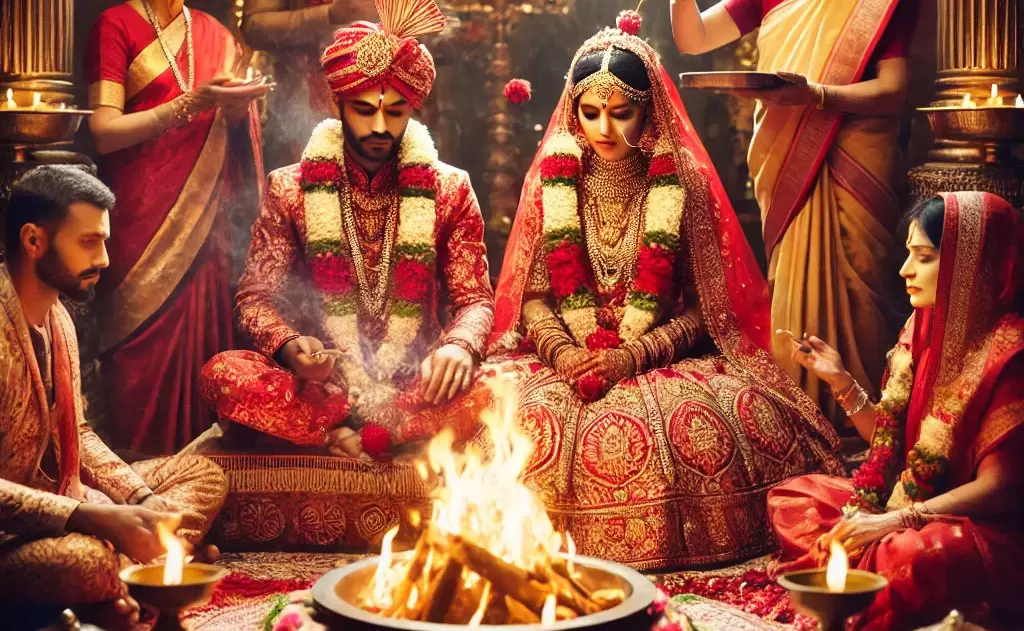
Valentine’s Day in India: Why Some Hindu Groups Call for a Boycott
Valentine's Day has become a widespread phenomenon in India, but for many Hindus, it represents an imported Western tradition that clashes with Sanatana Dharma…
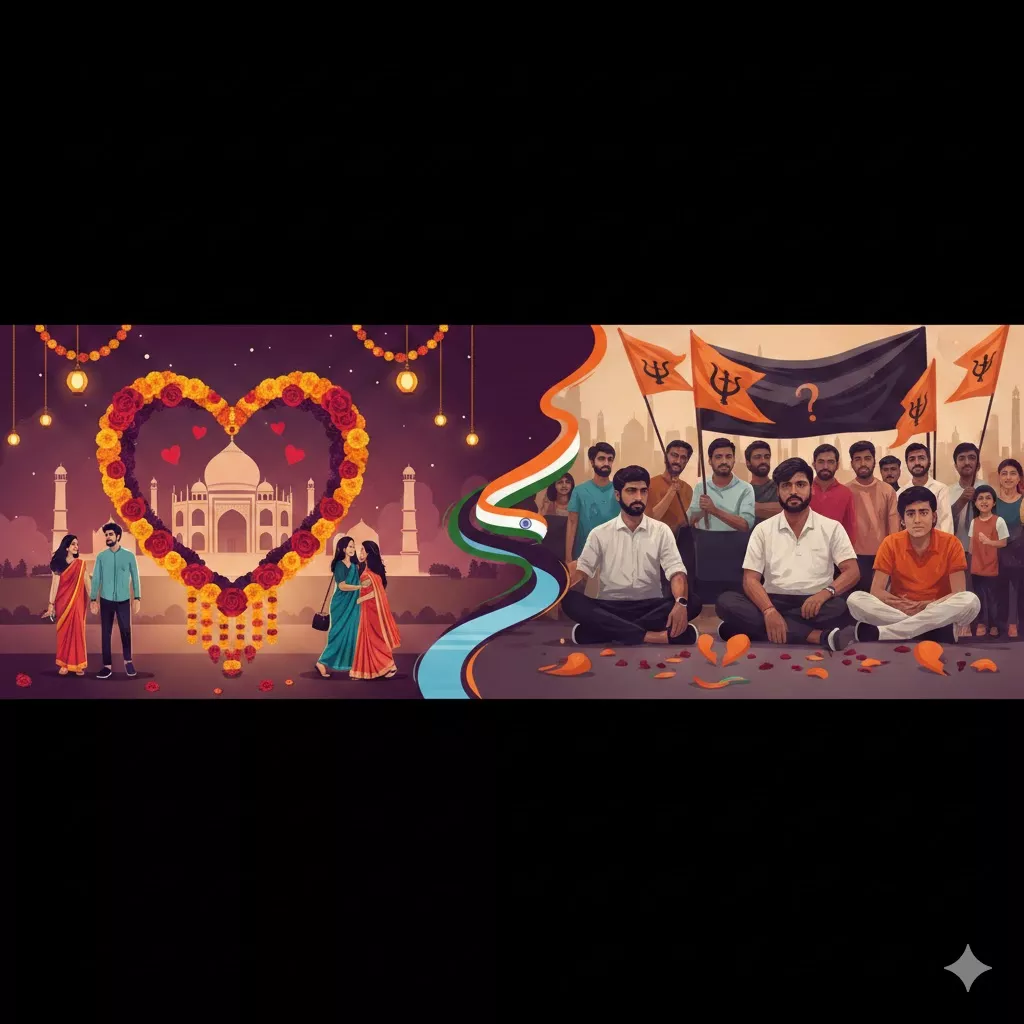
Valentine's Day has become a widespread phenomenon in India, but for many Hindus, it represents an imported Western tradition that clashes with Sanatana Dharma…
Valentine's Day has become a widespread phenomenon in India, but for many Hindus, it represents an imported Western tradition that clashes with Sanatana Dharma values, family-oriented society, and cultural sovereignty. Groups like Bajrang Dal, Vishwa Hindu Parishad (VHP), Hindu Mahasabha, and others have long opposed it, viewing it as a form of cultural imperialism that promotes consumerism, public displays of affection, premarital romance outside marriage norms, and moral decay among youth.
As Hindus, we must ask: Why allow a foreign "cult" of consumerism-driven romance to overshadow our rich heritage of divine love, devotion, and familial bonds? Here's why Hindus should actively boycott and discourage Valentine's Day culture in 2026 and beyond—to protect Hindu sanskriti and reclaim authentic expressions of prem (love).
1. Valentine's Day Is a Western Import, Not Rooted in Dharma
Valentine's Day originates from Christian saint traditions and Roman festivals, commercialized by global corporations into a day focused on chocolates, gifts, and romantic/sexual expressions. Hindu scriptures like the Kama Sutra, stories of Radha-Krishna, and Kamadeva emphasize love as part of dharma—balanced, sacred, and often devotional—rather than isolated "one-day" consumerism.
Critics from Hindu organizations argue it promotes lust over true love, public obscenity, and Western materialism that erodes Indian modesty and family values. In contrast, Hindu culture celebrates love through eternal festivals, not temporary imported holidays.
2. It Undermines Traditional Hindu Values and Family Structure
Sanatana Dharma prioritizes grihastha ashram (married life), arranged marriages guided by family and astrology, and controlled expressions of affection. Valentine's Day encourages dating culture, premarital intimacy, and individualism—often leading to what opponents call "love jihad" concerns or moral corruption.
Public displays (PDA) contradict norms of maryada (dignity) and lajja (modesty), especially for women. Protests highlight how it normalizes behaviors that conflict with Vedic ideals of self-control, brahmacharya in youth, and lifelong commitment.
3. Commercial Exploitation and Cultural Colonization
Multinational companies push Valentine's Day to boost sales of cards, flowers, jewelry, and experiences—turning love into a transaction. This mirrors broader Western cultural dominance that dilutes indigenous traditions.
Hindu nationalists see it as part of ongoing attempts to Westernize Indian youth, making them ashamed of their roots while embracing foreign consumerism. Boycotting it resists this subtle colonization and supports swadeshi (indigenous) values.
4. Real Incidents Show the Negative Impact
Recent events, including vandalism at college events in Indore (February 2026) by Bajrang Dal activists against alleged obscenity in Valentine's programs, and warnings in Patna with posters threatening couples, reflect ongoing resistance. These actions stem from a desire to protect youth from perceived exploitation and cultural erosion.
While methods vary, the core message remains: Valentine's Day fosters behaviors contrary to Hindu ethos.
Authentic Hindu Alternatives to Celebrate Love
Hinduism offers far richer, more meaningful ways to express prem:
- Radha-Krishna's Eternal Love — Meditate on divine romance through bhakti, especially during Janmashtami or Holi (linked to their playful love).
- Holi / Vasantotsava / Kaamotsav — Festival of colors celebrates spring, renewal, and the victory of love (Kamadeva's story), with joy for all—not just couples.
- Basant Panchami — Honors Saraswati and spring; some view it as a dignified Hindu equivalent to love and new beginnings.
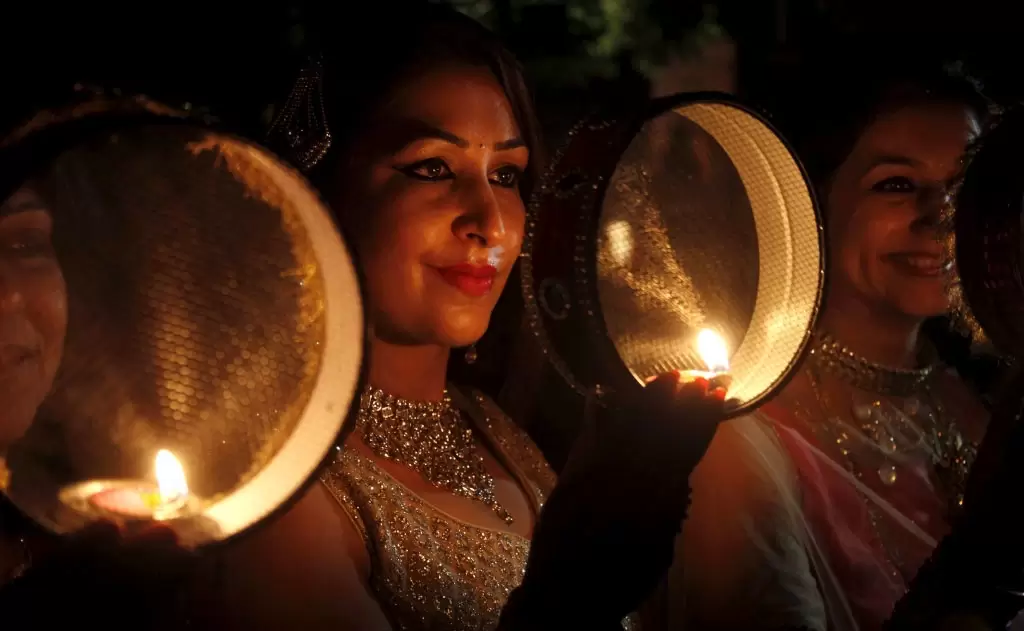
- Karwa Chauth — Wives fast for husbands' long life—profound marital devotion.
- Raksha Bandhan — Celebrates sibling love and protection.
- Daily Devotion — True love in Hinduism is bhakti toward family, society, and Bhagwan—no need for a single imported day.
These festivals are inclusive, spiritual, and rooted in dharma—unlike Valentine's superficial commercialism.
Call to Action: Boycott Valentine's Day, Embrace Sanatana Dharma
Hindus should collectively reject Valentine's Day celebrations—avoid buying gifts, skip themed events, and educate youth about our superior traditions. Promote awareness in schools, temples, and communities that true love flourishes in dharmic living, not Western imports.
By boycotting this "cult," we preserve Hindu identity, resist cultural erosion, and honor our eternal values of prem, seva, and samarpan.
What are your thoughts on protecting Hindu sanskriti from foreign influences? Share in the comments, and stay connected with Hindutone.com for more insights on dharma, culture, and current issues!
For More Devotional Journey, Follow
- Temples
/temples/ - Tirumala Updates
/tirumala/ - Sabarimala Yatra
/category/sabarimala-yatra/ - Pooja, Slokas & Mantras
/pooja-slokas-and-mantras/ - Hindu Gods
/hindu-gods/
Frequently Asked Questions
Which Hindu groups oppose Valentine's Day in India?
Groups such as Bajrang Dal, Vishwa Hindu Parishad (VHP) and Hindu Mahasabha have long opposed it. They view it as cultural imperialism promoting consumerism and public displays of affection.
Why do some Hindus call for a Valentine's Day boycott?
Supporters of the boycott see it as a Western import that clashes with Sanatana Dharma values, family structure and modesty. They also object to its commercialisation by global companies.
What incidents were cited in February 2026?
The incidents cited are vandalism by Bajrang Dal activists at a college event in Indore in February 2026, and posters in Patna warning couples. Supporters say these reflect a wish to protect youth, though methods vary.
What Hindu festivals are suggested as alternatives to Valentine's Day?
Suggested alternatives include Holi, Vasantotsava, Basant Panchami, Karwa Chauth, Raksha Bandhan and Radha-Krishna devotion around Janmashtami. Daily bhakti toward family and society is also named.
How does Hindu tradition view love and Kamadeva?
Kama Sutra, Radha-Krishna stories and Kamadeva are cited as showing love as part of dharma: balanced, sacred and often devotional. Holi is linked to Kamadeva's story and spring's renewal.
What does the boycott call ask Hindus to do?
It asks Hindus to avoid buying gifts, skip themed events and educate youth about Hindu traditions. Awareness is to be promoted in schools, temples and communities.
You might also like
Why Many Hindus Reject Valentine’s Day: Protecting Sanatan Dharma Values
Boycott Valentine’s Day 2026: Defending Sanatan Dharma & Bharatiya Values
Celebrating Love the Hindu Way: Alternatives to Valentine's Day