Sustainable Living Lessons from Hindu Scriptures: Embracing Zero-Waste Festivals and Eco-Friendly Puja Items
Hinduism, one of the world’s oldest spiritual traditions, offers timeless wisdom for sustainable living.
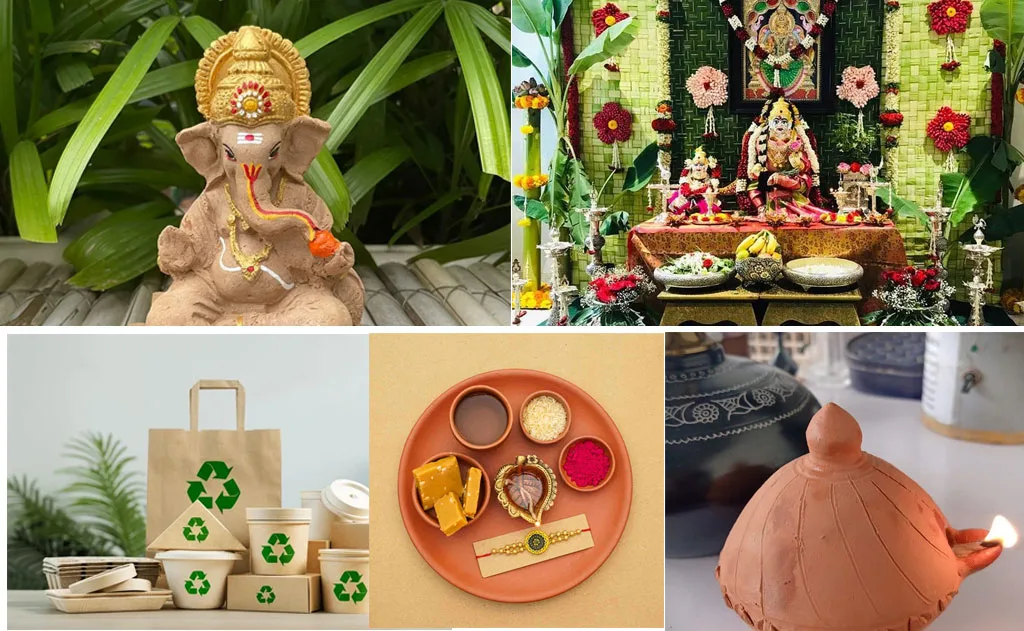
Hinduism, one of the world’s oldest spiritual traditions, offers timeless wisdom for sustainable living.
Hinduism, one of the world’s oldest spiritual traditions, offers timeless wisdom for sustainable living. Rooted in the reverence for nature, Hindu scriptures like the Vedas and Upanishads emphasize the interconnectedness of all life, promoting practices that align with environmental conservation. As modern challenges like climate change and waste pollution grow, these ancient teachings provide practical guidance for eco-conscious living, particularly through zero-waste festivals and eco-friendly puja items. This article explores how Hindu scriptures inspire sustainable practices and how you can adopt them for a greener lifestyle, optimized for www.hindutone.com.
The Essence of Sustainability in Hindu Scriptures
Hindu scriptures view nature as divine, with the Pancha Mahabhutas (five elements: earth, water, fire, air, and space) forming the foundation of life. The Atharvaveda’s Bhumi Suktam hymn venerates the Earth as a nurturing mother, urging humans to live in harmony with her. The Rig Veda highlights the importance of preserving air and water, while the Upanishads describe the interconnectedness of all beings with Brahman, the universal consciousness. These texts advocate Dharma—a duty to protect nature—and promote simple living to minimize environmental harm.https://earth.org/ancient-indian-wisdom-timeless-lessons-for-modern-sustainability/https://interfaithsustain.com/hindu-faith-statement-on-the-environment/
By integrating these principles, Hindus can honor their spiritual heritage while addressing modern environmental challenges. Sustainable practices like zero-waste festivals and eco-friendly puja rituals align with these teachings, ensuring traditions remain vibrant without harming the planet.
Zero-Waste Festivals: Celebrating with Mindfulness
Hindu festivals like Navratri, Diwali, and Ganesh Chaturthi are vibrant celebrations of devotion, but they can generate significant waste, from plastic decorations to non-biodegradable idols. Hindu scriptures inspire eco-friendly festival practices that minimize environmental impact while preserving spiritual essence. Here’s how to celebrate zero-waste festivals:
1. Use Biodegradable Idols
Traditionally, idols for festivals like Ganesh Chaturthi were made from natural clay, which dissolves harmlessly in water. Modern plaster of Paris (PoP) idols, however, pollute water bodies due to their non-biodegradable nature. Opt for clay idols, some embedded with seeds that grow into plants after immersion, fostering greenery.https://magicpin.in/blog/top-5-eco-friendly-durga-puja-ideas-sustainable-celebrations/https://toliday.in/blog/sustainable-navratri-eco-friendly-celebrations-and-practices/
2. Embrace Natural Decorations
Replace plastic streamers and synthetic rangoli colors with biodegradable alternatives like flowers, leaves, and organic dyes. For example, use turmeric, kumkum, or rice flour for rangoli, and decorate with banana leaves, jute, or bamboo. These materials decompose naturally, reducing landfill waste.https://www.poojn.in/post/15570/sustainable-puja-eco-friendly-practices-for-meaningful-ritualshttps://www.poojn.in/post/16500/eco-friendly-puja-sustainable-spirituality-practices
3. Reduce and Reuse
Hindu scriptures advocate simplicity, as seen in Gandhi’s life of minimalism and resourcefulness. Reuse decorations, opt for cloth banners, and use metal or wooden puja thalis instead of single-use plastics. Composting organic waste, like flowers and food offerings, creates nutrient-rich soil for gardens.https://www.hinduamerican.org/blog/10-key-hindu-and-jain-environmental-teachingshttps://toliday.in/blog/sustainable-navratri-eco-friendly-celebrations-and-practices/
4. Minimize Energy Consumption
The Bhagavad Gita emphasizes living in balance with nature. Replace energy-intensive halogen lights with LED or solar-powered lights for pandal decorations. Avoid firecrackers, which cause air and noise pollution, and opt for silent celebrations to respect the environment and community well-being.https://csrbox.org/Impact/description/Article_full_-The-Festival-Season-Brings-Pollution-and-Waste.-Here-Are-Tips-to-Celebrate-in-an-Eco-Friendly-Manne_129https://interfaithsustain.com/hindu-faith-statement-on-the-environment/
5. Community Initiatives
Engage your community in sustainable practices. Organize waste segregation workshops, as seen in Kolkata’s Durga Puja initiatives, or participate in eco-friendly immersion programs like Bengaluru’s Udhvasana Puja, which recycles or resells puja materials responsibly.https://timesofindia.indiatimes.com/city/bengaluru/eco-friendly-disposal-of-sacred-materials-a-new-initiative-in-bengaluru/articleshow/114096322.cmshttps://www.thehindu.com/news/national/other-states/promoting-sustainability-and-ecology-through-durga-pujas/article67446329.ece
By adopting these practices, festivals become a celebration of both devotion and environmental stewardship, aligning with the Hindu principle of Ahimsa (non-violence) toward all beings, including nature.
Eco-Friendly Puja Items: Honoring Tradition Sustainably
Daily puja rituals are integral to Hindu spirituality, but traditional items like plastic packaging and chemical-based products can harm the environment. Hindu scriptures encourage using natural, sustainable materials to honor the divine while protecting the Earth. Here are eco-friendly puja item alternatives:
1. Clay Idols and Diyas
Choose clay idols and diyas over plastic or metal versions. These biodegradable options dissolve naturally during immersion, preventing water pollution. Platforms like Poojn.in and PujaShoppe offer sustainable puja samagri, including clay idols and diyas.https://www.poojn.in/post/16500/eco-friendly-puja-sustainable-spirituality-practiceshttps://www.pujashoppe.com/blogs/news/eco-friendly-online-pooja-samagri-sustainable-alternatives-for-conscious-worshippers
2. Organic Incense and Camphor
Opt for natural dhoop and incense made from herbs and resins, free from harmful chemicals. Use organic camphor and cotton wicks sourced sustainably to reduce your carbon footprint and enhance the spiritual experience.https://www.pujashoppe.com/blogs/news/eco-friendly-online-pooja-samagri-sustainable-alternatives-for-conscious-worshippers
3. Biodegradable Packaging
Select puja samagri packed in paper, cloth, or jute instead of plastic. Reusable cloth bags for offerings, as offered by PujaShoppe, minimize waste and align with ethical practices.https://www.pujashoppe.com/blogs/news/eco-friendly-online-pooja-samagri-sustainable-alternatives-for-conscious-worshippershttps://brownliving.in/
4. Natural Offerings
Use organic flowers, fruits, and leaves grown without chemical pesticides. These offerings support local farmers, promote biodiversity, and decompose naturally, reducing environmental impact. Composting leftover flowers and leaves further enhances sustainability.https://www.poojn.in/post/15570/sustainable-puja-eco-friendly-practices-for-meaningful-ritualshttps://www.poojn.in/post/16500/eco-friendly-puja-sustainable-spirituality-practices
5. Upcycled Decorations
Create DIY puja decorations using leaves, seeds, or repurposed household items. Upcycling reduces waste and adds a personal, creative touch to rituals, reflecting the resourcefulness advocated in Hindu teachings.https://www.poojn.in/post/15570/sustainable-puja-eco-friendly-practices-for-meaningful-ritualshttps://www.thehindu.com/news/national/other-states/promoting-sustainability-and-ecology-through-durga-pujas/article67446329.ece
By choosing eco-friendly puja items, you honor the sanctity of rituals while reducing your environmental footprint, embodying the Vedic principle of living in harmony with the Pancha Mahabhutas.
Practical Tips for Sustainable Hindu Living
Beyond festivals and puja rituals, Hindu scriptures offer broader lessons for sustainable living:
- Plant-Based Diets: The emphasis on vegetarianism in texts like the Bhagavad Gita supports low-carbon, sustainable food choices. Incorporate grains, legumes, and spices, as practiced in ancient India, to reduce environmental impact.https://earth.org/ancient-indian-wisdom-timeless-lessons-for-modern-sustainability/https://billionbricks.org/blog/practicing-sustainable-living-in-daily-life-in-india/
- Waste Management: Ancient Indian practices used waste as compost for organic farming. Adopt home composting for kitchen and puja waste, and support initiatives like DisposeWell or Udhvasana Puja for responsible disposal.https://www.financialexpress.com/life/lifestyle-what-happens-to-your-puja-offerings-heres-an-initiative-to-dispose-of-ritual-residues-in-an-environment-friendly-way-1624902/https://timesofindia.indiatimes.com/city/bengaluru/eco-friendly-disposal-of-sacred-materials-a-new-initiative-in-bengaluru/articleshow/114096322.cms
- Water and Energy Conservation: The Rig Veda praises water as a life-giving force. Conserve water by using minimal amounts during rituals and adopting rainwater harvesting. Use energy-efficient appliances and solar power to align with sustainable living.https://toliday.in/blog/sustainable-navratri-eco-friendly-celebrations-and-practices/https://billionbricks.org/blog/practicing-sustainable-living-in-daily-life-in-india/
- Reverence for Nature: Daily practices like touching the floor to honor Devi or reciting mantras to revere rivers and trees foster a deep connection with nature, encouraging mindful consumption.https://www.hinduamerican.org/blog/10-key-hindu-and-jain-environmental-teachingshttps://www.dharmayug.com/blogs/english/eco-friendly-hindu-rituals-connecting-tradition-with-nature
Why Sustainable Living Matters Today
The environmental challenges of the 21st century—pollution, deforestation, and climate change—make the sustainable teachings of Hindu scriptures more relevant than ever. By embracing zero-waste festivals and eco-friendly puja items, Hindus can reduce their carbon footprint, preserve natural resources, and inspire others to adopt eco-conscious practices. These actions align with the Hindu concept of Karma, where mindful choices benefit both the individual and the planet.https://www.hinduamerican.org/blog/10-key-hindu-and-jain-environmental-teachingshttps://www.bbc.co.uk/news/uk-england-54978415
Shop Sustainable Puja Items at www.hindutone.com
At www.hindutone.com, we offer a wide range of eco-friendly puja samagri, from clay idols to organic incense and biodegradable packaging. Our products are sourced ethically, ensuring your rituals honor both tradition and the environment. Explore our collection to make your festivals and daily worship sustainable and spiritually enriching.
Conclusion
Hindu scriptures provide a blueprint for sustainable living, emphasizing reverence for nature and mindful resource use. By adopting zero-waste festival practices and eco-friendly puja items, you can celebrate your faith while protecting the planet. Let’s draw inspiration from the Vedas, Upanishads, and leaders like Gandhi to create a greener, more harmonious future. Visit www.hindutone.com to start your sustainable spiritual journey today!
Frequently Asked Questions
When is Sustainable Living Lessons from Hindu Scriptures?
Sustainable Living Lessons from Hindu Scriptures is observed on its traditional tithi in the Hindu lunar calendar; refer to the year's panchang for the exact date in your region.
What is the significance of Sustainable Living Lessons from Hindu Scriptures?
Hinduism, one of the world’s oldest spiritual traditions, offers timeless wisdom for sustainable living. Rooted in the reverence for nature, Hindu scriptures like the Vedas and Upanishads emphasize the interconnectedness of all life, promoting practices that align with environmental conservation.
How is Sustainable Living Lessons from Hindu Scriptures celebrated?
Devotees observe it with puja, fasting or special offerings, visiting temples, chanting mantras, and gathering with family. Customs vary by region and tradition.
What should devotees do on Sustainable Living Lessons from Hindu Scriptures?
Take a sacred bath, perform the day's puja and charity (dana), observe any prescribed fast, and chant mantras with sincere devotion.
You might also like
Shani Deva Temples Worldwide & Must-Performed Rituals — Complete Devotee's Guide

Gita Jayanti 2026 Prasad Recipes — Tulsi-Honoring Sweets, Krishna's Favourites & December 10 Bhog Plate

Maha Shivratri 2026 Vrat Recipes — Sabudana Khichdi, Singhada Halwa, Phalahara Foods Complete Fasting Guide