Yoga and Meditation for the Winter Mornings of Margasira: Awakening Devotion in Brahma Muhurta
Yoga and Meditation for the Winter Mornings of Margasira: Awakening Devotion in Brahma Muhurta The sacred month of Margasira (Margashirsha) holds a special…
Yoga and Meditation for the Winter Mornings of Margasira: Awakening Devotion in Brahma Muhurta The sacred month of Margasira (Margashirsha) holds a special…
Yoga and Meditation for the Winter Mornings of Margasira: Awakening Devotion in Brahma Muhurta
The sacred month of Margasira (Margashirsha) holds a special place in Hindu spirituality, as Lord Krishna himself declares in the Bhagavad Gita, "Among months, I am Margasira." This auspicious period, falling between mid-November and mid-December, coincides with the gentle transition into winter, when crisp mornings invite us to deepen our spiritual practice through yoga and meditation.
The Spiritual Significance of Margasira Mornings
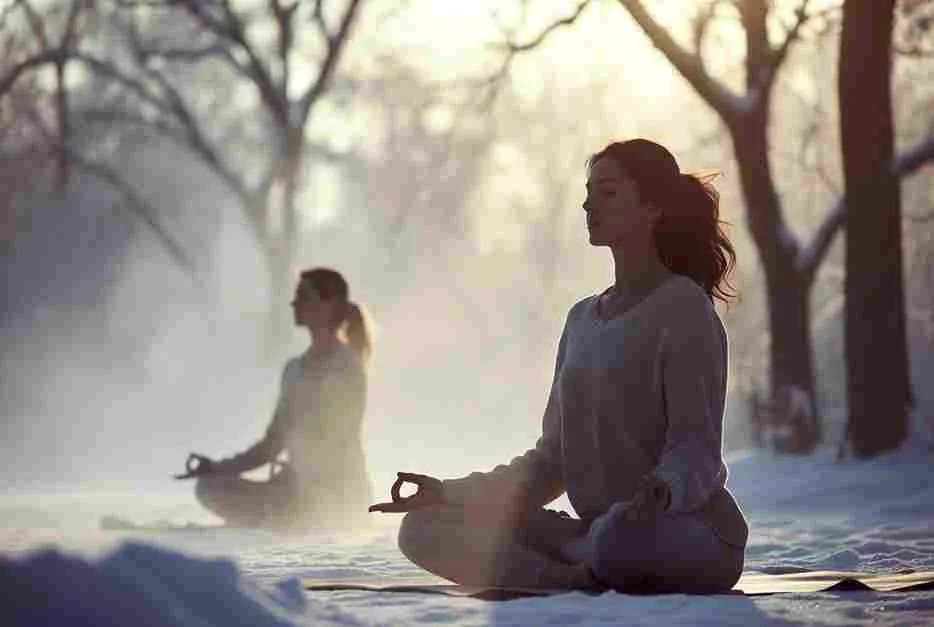
Margasira is traditionally associated with devotion, discipline, and divine connection. The early morning hours, particularly Brahma Muhurta (approximately 96 minutes before sunrise), are considered the most spiritually potent time of day. During this tranquil period, the veil between the material and spiritual worlds is thinnest, making it ideal for prayer, meditation, and yoga practice.
The cold winter mornings of Margasira present both a challenge and an opportunity. While the body may feel stiff and reluctant to leave the warmth of blankets, this is precisely when a dedicated practice can transform your entire day, awakening not just the body but also the spirit.
Understanding Winter's Effect on Body and Mind
According to Ayurveda, winter is dominated by Vata and Kapha doshas, which can lead to stiffness, sluggishness, and mental fog. The cold weather causes muscles to contract, joints to stiffen, and energy to turn inward. A thoughtful yoga sequence designed for winter mornings should:
- Generate internal heat (tapas) gradually
- Improve circulation and flexibility
- Clear mental lethargy
- Prepare the mind for devotional practice
- Honor the body's need for gentle awakening
Preparing Your Sacred Space
Before beginning your practice, create an environment conducive to both physical warmth and spiritual elevation:
Physical Preparation:
- Practice in a draft-free room with adequate warmth
- Use a thick yoga mat or blanket for insulation from cold floors
- Keep a shawl nearby for meditation
- Light a lamp or diya to symbolize inner illumination
- Burn incense like sandalwood or frankincense to purify the space
Mental Preparation:
- Set a clear intention (sankalpa) for your practice
- Offer your practice to the Divine
- Begin with gratitude for the gift of a new day
Gentle Yoga Sequence for Cold Margasira Mornings
This sequence is designed to be practiced slowly and mindfully, allowing your body to awaken naturally while building internal warmth.
1. Sukhasana with Pranayama (5-7 minutes)
Begin seated in a comfortable cross-legged position, wrapped in a shawl if needed.
Kapalabhati Pranayama (Skull Shining Breath):
- Perform 3 rounds of 30-50 pumps
- This breath practice generates immediate internal heat
- Clears mental fog and energizes the nervous system
Nadi Shodhana (Alternate Nostril Breathing):
- Practice for 5-10 rounds
- Balances the ida and pingala nadis (energy channels)
- Calms the mind and prepares for meditation
2. Seated Cat-Cow (Marjaryasana-Bitilasana Variation) - 2 minutes
Remain seated and place hands on knees. Move through gentle spinal flexion and extension, coordinating with breath. This warms the spine without requiring you to place hands on the cold floor immediately.
3. Neck and Shoulder Rolls (2 minutes)
- Gentle head rotations
- Shoulder shrugs and rolls
- Releases tension accumulated during sleep
- Improves circulation to the upper body
4. Surya Namaskar (Sun Salutations) - 5-7 minutes
Perform 3-5 slow, mindful rounds. Each round is an offering to Surya, the divine source of light and warmth.
Winter Modification:
- Move more slowly than usual
- Hold each posture for an extra breath
- Focus on deep, warming Ujjayi breath
- Listen to your body and avoid forcing stretches
5. Virabhadrasana I (Warrior I) - 1 minute each side
This powerful standing pose:
- Generates heat in the legs
- Opens the chest for deeper breathing
- Cultivates inner strength and determination
- Embodies the spiritual warrior's devotion
6. Trikonasana (Triangle Pose) - 1 minute each side
- Stretches the side body gently
- Improves circulation
- Grounds and centers the mind
7. Utkatasana (Chair Pose) - 30-60 seconds
- Builds significant internal heat
- Strengthens the entire body
- Develops mental focus and determination
8. Bhujangasana (Cobra Pose) - 3 rounds
- Opens the chest and heart center
- Stimulates abdominal organs
- Prepares the body for pranayama and meditation
9. Balasana (Child's Pose) - 2 minutes
- Rest and integrate
- Surrender to the Divine
- Allow the body to absorb the benefits of the practice
10. Matsyendrasana (Seated Spinal Twist) - 1 minute each side
- Wrings out toxins
- Energizes the spine
- Calms the nervous system
11. Paschimottanasana (Seated Forward Bend) - 2-3 minutes
- Gentle, introspective posture
- Calms the mind
- Prepares for meditation
12. Savasana (Corpse Pose) - 5-7 minutes
Cover yourself with a blanket. Allow complete relaxation while maintaining awareness. This is not sleep but conscious rest.
Meditation Practice for Devotional Connection
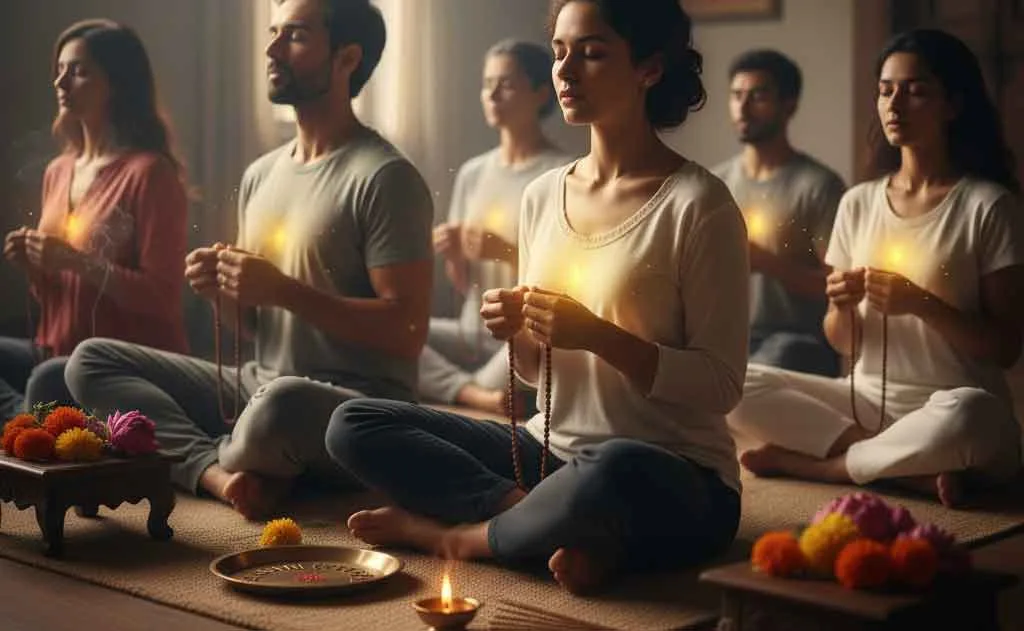
After your yoga sequence, transition into meditation while the body is warm and the mind is calm.
Setting Up for Meditation (2-3 minutes)
- Sit in Sukhasana, Padmasana, or on a chair with spine erect
- Wrap yourself in a shawl or meditation blanket
- Place hands in Anjali Mudra (prayer position) or Gyan Mudra
- Light a lamp before your chosen deity or sacred image
Meditation Technique: Bhakti Dhyana (Devotional Meditation)
Phase 1: Centering (3-5 minutes)
- Observe the natural breath
- Allow thoughts to settle like sediment in water
- Bring awareness to the heart center (anahata chakra)
Phase 2: Mantra Meditation (10-15 minutes)
Choose one of these sacred mantras appropriate for Margasira:
Om Namo Bhagavate Vasudevaya
- The Krishna mantra, particularly powerful in Margasira
- Chant mentally or softly, coordinated with breath
Om Sri Maha Lakshmiyai Namah
- Invokes divine abundance and grace
- Particularly beneficial during this season of Lakshmi worship
- Universal prayer for illumination
- Perfect for Brahma Muhurta practice
So'ham
- Simple awareness meditation meaning "I am That"
- Coordinates naturally with breath
Technique:
- Mentally repeat your chosen mantra with each breath
- If the mind wanders, gently return to the mantra
- Allow the mantra to become subtle and natural
- Feel the vibration in your heart center
Phase 3: Silent Contemplation (5-10 minutes)
- Allow the mantra to dissolve into silence
- Rest in pure awareness
- Experience the space between thoughts
- Remain open to divine presence
Phase 4: Gratitude and Intention (2-3 minutes)
- Offer gratitude for the practice
- Set a spiritual intention for the day
- Dedicate the merit of your practice to all beings
Closing Your Practice
Gently open your eyes. Sit quietly for a moment, observing how you feel. Bring your hands to Anjali Mudra at your heart center and bow in gratitude.
Creating a Sustainable Winter Morning Practice
Start Small: Begin with even 15-20 minutes if the full practice seems overwhelming. Consistency matters more than duration.
Honor Your Body: Winter mornings require extra gentleness. Never force stretches when muscles are cold.
Establish a Routine: Practice at the same time each morning, ideally during Brahma Muhurta (approximately 4:30-6:00 AM).
Adjust for Your Constitution: If you have high Vata (dry, cold, anxious), emphasize grounding poses and slower movements. If you have high Kapha (heavy, sluggish), include more energizing sequences.
Stay Warm: Keep layers nearby. It's better to start bundled and remove clothing as you warm up than to practice while cold.
The Spiritual Fruits of Consistent Practice
When you commit to morning yoga and meditation during Margasira, you align yourself with the natural rhythms of the season and the spiritual energies of this sacred month. Over time, you may notice:
- Deeper connection to your spiritual practice
- Increased mental clarity and focus
- Greater physical vitality despite cold weather
- Enhanced devotional feelings during prayer
- Improved resilience to winter ailments
- Profound inner peace and contentment
- Stronger willpower and discipline
Special Margasira Observances to Enhance Your Practice
Kartik Snan: Follow your practice with a warm bath or shower, offered as a devotional act.
Temple Visits: If possible, visit a temple after your morning practice, particularly on Thursdays during Margasira.
Tulsi Puja: After meditation, offer prayers to Tulsi (holy basil), which is especially sacred during this month.
Fasting: Consider observing partial or full fasts on special days, which deepen both physical and spiritual purification.
Conclusion: Embracing the Sacred Winter Dawn
The cold, dark mornings of Margasira invite us inward, to the warmth of our own divine essence. Through dedicated yoga and meditation practice, we don't just survive winter—we transform it into a season of profound spiritual growth.
Each morning that you roll out your mat before dawn, you participate in an ancient tradition honored by countless seekers before you. You become part of the eternal rhythm of devotion that has sustained Hindu spiritual practice for millennia.
As Lord Krishna reminds us, "Among months, I am Margasira." Let this sacred time be your invitation to awaken not just your body, but your deepest spiritual potential. In the stillness of winter mornings, in the quiet moments before the world awakens, you have the opportunity to touch the infinite.
Begin tomorrow. Your mat, your breath, and the Divine await you.
About This Practice: This yoga and meditation sequence honors traditional Hindu spiritual practices while incorporating time-tested yogic techniques for winter wellness. Whether you're an experienced practitioner or beginning your journey, approach each morning with devotion, patience, and reverence for the sacred gift of Margasira.
Om Shanti Shanti Shanti
Frequently Asked Questions
What is Yoga and Meditation for the Winter Mornings?
Yoga and Meditation for the Winter Mornings of Margasira: Awakening Devotion in Brahma Muhurta The sacred month of Margasira (Margashirsha) holds a special place in Hindu spirituality, as Lord Krishna himself declares in the Bhagavad Gita, "Among months, I am Margasira." This auspicious period, falling between mid-November and mid-December, coincides with th
What are the key points about Yoga and Meditation for the Winter Mornings?
The early morning hours, particularly Brahma Muhurta (approximately 96 minutes before sunrise), are considered the most spiritually potent time of day. During this tranquil period, the veil between the material and spiritual worlds is thinnest, making it ideal for prayer, meditation, and yoga practice.
Why does Yoga and Meditation for the Winter Mornings matter in Hinduism?
It reflects core values of Sanatana Dharma and offers practical and spiritual guidance that remains relevant across generations.
How can devotees apply Yoga and Meditation for the Winter Mornings in daily life?
By reflecting on its teaching, incorporating the related practices or observances into daily routine, and approaching it with sincere devotion and understanding.
You might also like
Utpanna Ekadashi: The Sacred Origin of Ekadashi Fasting
"Neti, Neti" in the Age of Social Media: A Sanatani Approach to Mental Health and Identity
Professional Life Applications: