Kumbha Sankranti 2025: Significance, Rituals, and Celebrations
Kumbha Sankranti marks the Sun's transition from Makar Rashi (Capricorn) to Kumbha Rashi (Aquarius) in the Vedic astrological system.

Kumbha Sankranti marks the Sun's transition from Makar Rashi (Capricorn) to Kumbha Rashi (Aquarius) in the Vedic astrological system.
Kumbha Sankranti marks the Sun's transition from Makar Rashi (Capricorn) to Kumbha Rashi (Aquarius) in the Vedic astrological system. It is one of the twelve Sankrantis celebrated throughout the year and holds great religious significance for Hindus. The festival usually falls in the eleventh month of the traditional Hindu calendar and aligns with the Gregorian calendar. In 2025, Kumbha Sankranti is observed on February 12th.
Significance of Kumbha Sankranti
In Vedic astrology, the movement of the Sun from one zodiac sign to another is known as Sankranti. Each Sankranti is believed to bring a shift in energy, making it an auspicious time for spiritual and charitable activities. Kumbha Sankranti is considered particularly important for cleansing one's sins and seeking divine blessings for a prosperous life.
On this day, devotees:
✔ Offer prayers to the Sun God.
✔ Donate food and clothes to those in need.
✔ Engage in various religious and spiritual activities.
✔ Giving alms (daan), especially to cows and the poor, is seen as a way to gain spiritual merit.
Rituals Observed During Kumbha Sankranti
1. Taking a Holy Bath
Devotees believe that taking a dip in sacred rivers on Kumbha Sankranti purifies their soul and washes away all sins. While the River Ganga is the most popular for such rituals, bathing in other holy rivers like the Yamuna, Shipra, and Godavari is also considered highly beneficial. Those unable to travel to these locations often perform rituals at local water bodies.
2. Offering Prayers to Goddess Ganga
Many devotees offer special prayers to Goddess Ganga, seeking her blessings to cleanse past wrongdoings and help them attain moksha (liberation). Devotion and dedication during the prayers are believed to bring peace and prosperity.
3. Charity and Donations
One of the most significant acts of devotion on Kumbha Sankranti is engaging in charity (daan). It is considered highly auspicious to:
✔ Offer food, clothing, and necessities to the poor.
✔ Donate to temples and religious institutions.
✔ Give offerings to cows, which hold spiritual significance in Hinduism.
Such acts are believed to attract blessings and positive energy for the giver.
Kumbha Mela and Kumbha Sankranti
Kumbha Sankranti also marks the beginning of the grand Kumbha Mela, the world’s largest spiritual gathering. Held every 12 years, millions of people from across the globe visit holy cities like:
📍 Prayagraj
📍 Haridwar
📍 Ujjain
📍 Nashik
During Kumbha Mela, the holy dip on Kumbha Sankranti is believed to hold immense power to cleanse the soul. The event attracts people from all walks of life, irrespective of gender or social status. The presence of sadhus (holy men), chanting hymns, and performing rituals enhances the spiritual energy of the occasion.
Celebrations Across India
While Kumbha Sankranti is celebrated all over India, it holds particular significance in the Eastern regions and cities near sacred rivers. The entire atmosphere in these areas becomes charged with spiritual energy, and streets are filled with joyous celebrations.
✔ Families come together to worship and perform rituals.
✔ People seek divine blessings for a prosperous year ahead.
A Time for Spiritual Growth and Renewal
Kumbha Sankranti is a period of spiritual renewal, where devotees:
✔ Reflect on their past deeds.
✔ Seek forgiveness and divine grace.
✔ Strive to lead a more righteous and fulfilling life.
The rituals performed during this time not only cleanse one's soul but also strengthen their connection with the divine.
✨ May this year's Kumbha Sankranti bring hope, joy, and devotion into the lives of all who celebrate it! ✨
Conclusion
Kumbha Sankranti holds immense religious and cultural importance for Hindus worldwide. From taking holy baths in sacred rivers to offering alms and participating in the Kumbha Mela, the festival is marked by acts of devotion and generosity.
Observing the rituals with sincerity can lead to a spiritually fulfilling life and bring one closer to attaining moksha (liberation).
Frequently Asked Questions
What is Kumbha Sankranti?
Kumbha Sankranti marks the Sun's transition from Makar Rashi (Capricorn) to Kumbha Rashi (Aquarius) in Vedic astrology. It is one of the twelve Sankrantis celebrated through the year.
When was Kumbha Sankranti in 2025?
Kumbha Sankranti in 2025 was observed on February 12th. In other years it follows the Sun's entry into Kumbha Rashi, so check the local panchang for the date.
What rituals are performed on Kumbha Sankranti?
Devotees take a holy dip in sacred rivers, pray to the Sun God and Goddess Ganga, and give daan such as food, clothes and offerings to cows and the poor.
Which rivers are used for the holy bath?
The Ganga is the most popular, but the Yamuna, Shipra and Godavari are also considered highly beneficial. Those who cannot travel perform the rituals at local water bodies.
How is Kumbha Sankranti connected to the Kumbha Mela?
Kumbha Sankranti marks the beginning of the Kumbha Mela, held every 12 years at Prayagraj, Haridwar, Ujjain and Nashik. The holy dip on this day is believed to cleanse the soul.
Can devotees abroad observe Kumbha Sankranti without visiting the Ganga?
Yes. Those unable to travel to sacred rivers can perform the rituals at local water bodies, offer prayers to the Sun God and Goddess Ganga, and give charity.
You might also like

Hinduism’s Global Stage: How Maha Kumbh 2025 Redefined Spiritual Tourism
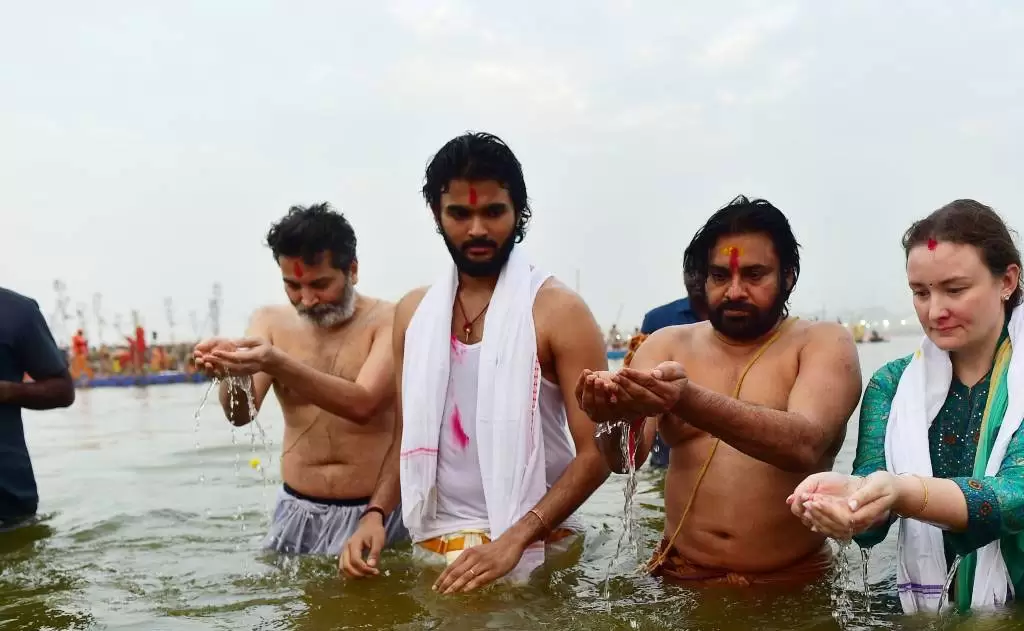
Maha Kumbh Mela 2025: Shri #PawanKalyan’s Holy Dip & Aarti at Triveni Sangam
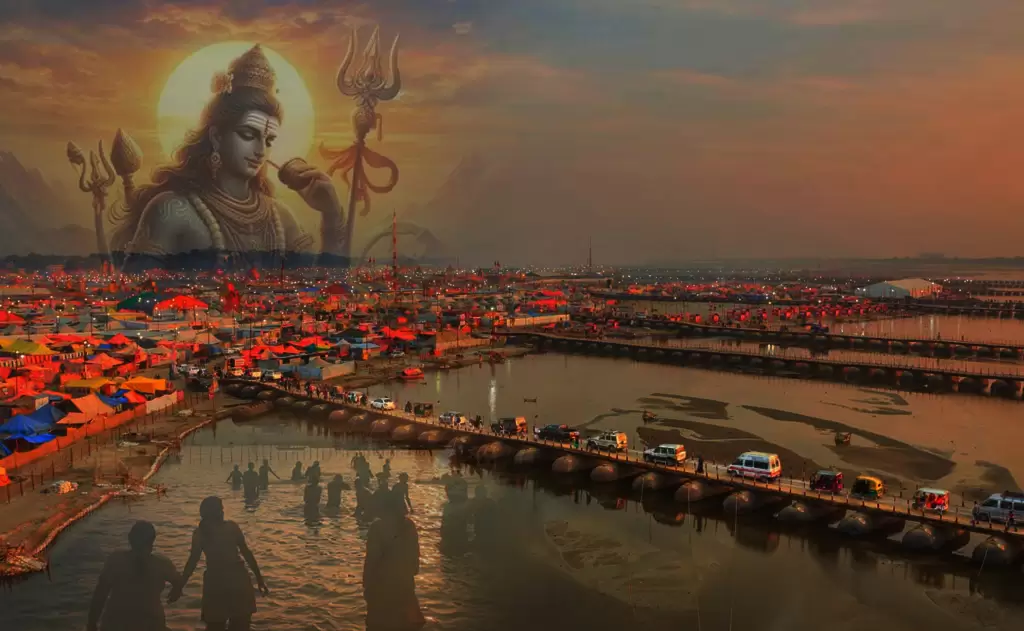
Kumbh Mela 2025: End Date, Holy Dip Opportunities, and Key Shahi Snan Dates