TTD Shirdi Sai Baba Controversy 2026: Complete Story, Srivani Trust Facts & Agama Shastras Explained
TTD Shirdi Sai Baba Controversy: Why It Happened and What It Really Means The recent clarification by Andhra Pradesh Endowments Minister Anam Ramanarayana Reddy on Srivani Trust funds has created significant discussion among devotees. Many headlines framed it as “TTD vs Shirdi Sai Baba,” but the actual issue is narrower and more technical.
TTD Shirdi Sai Baba Controversy: Why It Happened and What It Really Means
The recent clarification by Andhra Pradesh Endowments Minister Anam Ramanarayana Reddy on Srivani Trust funds has created significant discussion among devotees. Many headlines framed it as “TTD vs Shirdi Sai Baba,” but the actual issue is narrower and more technical.
This article gives you the complete factual story — from the 2012 Tirumala padukas incident to the 2026 Srivani Trust statement — along with the scriptural reasons behind TTD’s position. It is written from a devotional standpoint that respects both the eternal traditions of Tirumala and the deep faith millions have in Shirdi Sai Baba.
Who Was Shirdi Sai Baba?
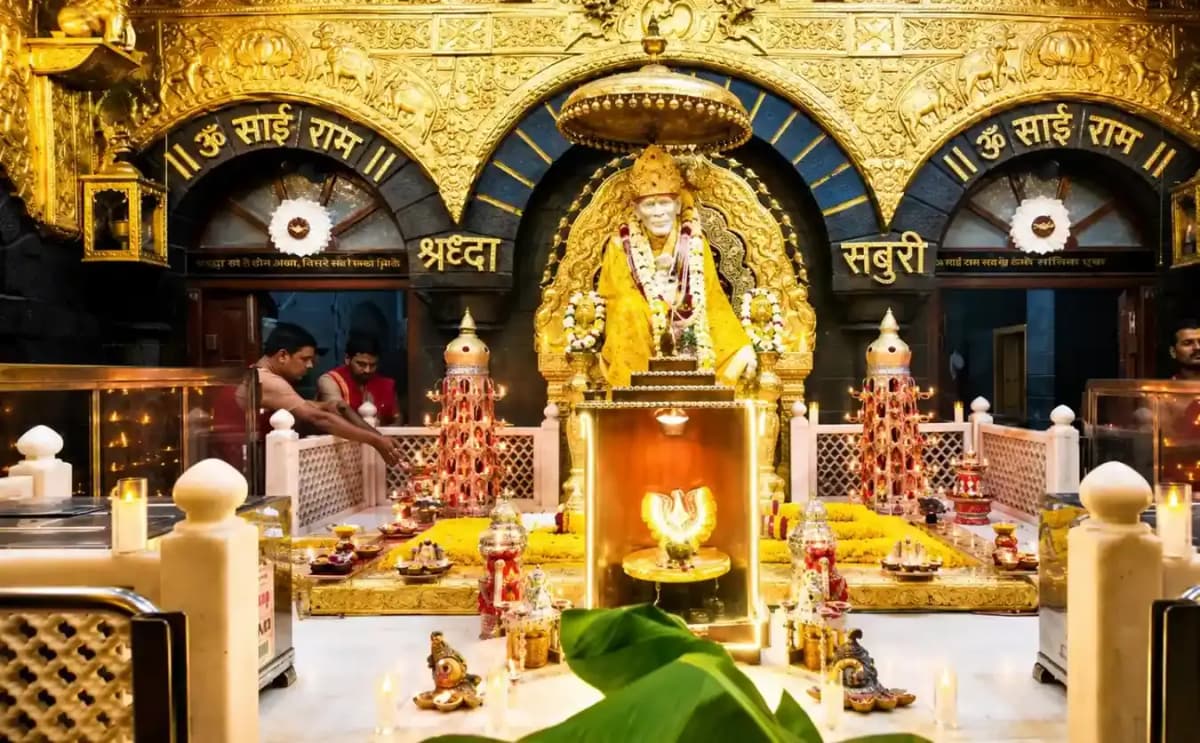
Shirdi Sai Baba appeared in the village of Shirdi, Maharashtra, around 1858 as a young ascetic. He lived in a mosque he named Dwarkamai, maintained a sacred fire (dhuni), and drew both Hindu and Muslim devotees through his simple life, miracles, and teachings.
His most famous message was “Sabka Malik Ek” (One Lord for all) and the practice of Shraddha (unwavering faith) and Saburi (patience). He performed Hindu rituals such as arati and gave spiritual guidance that resonated with Vedantic and bhakti traditions. After his mahasamadhi in 1918, a large temple complex developed around his samadhi in Shirdi.
Today, Shirdi Sai Baba is revered by millions of Hindus as a Sadguru. His devotees visit Shirdi in huge numbers and maintain altars in their homes. This widespread devotion is a fact. The current discussion is not about stopping that devotion.
Tirumala, TTD and the Agama Shastras
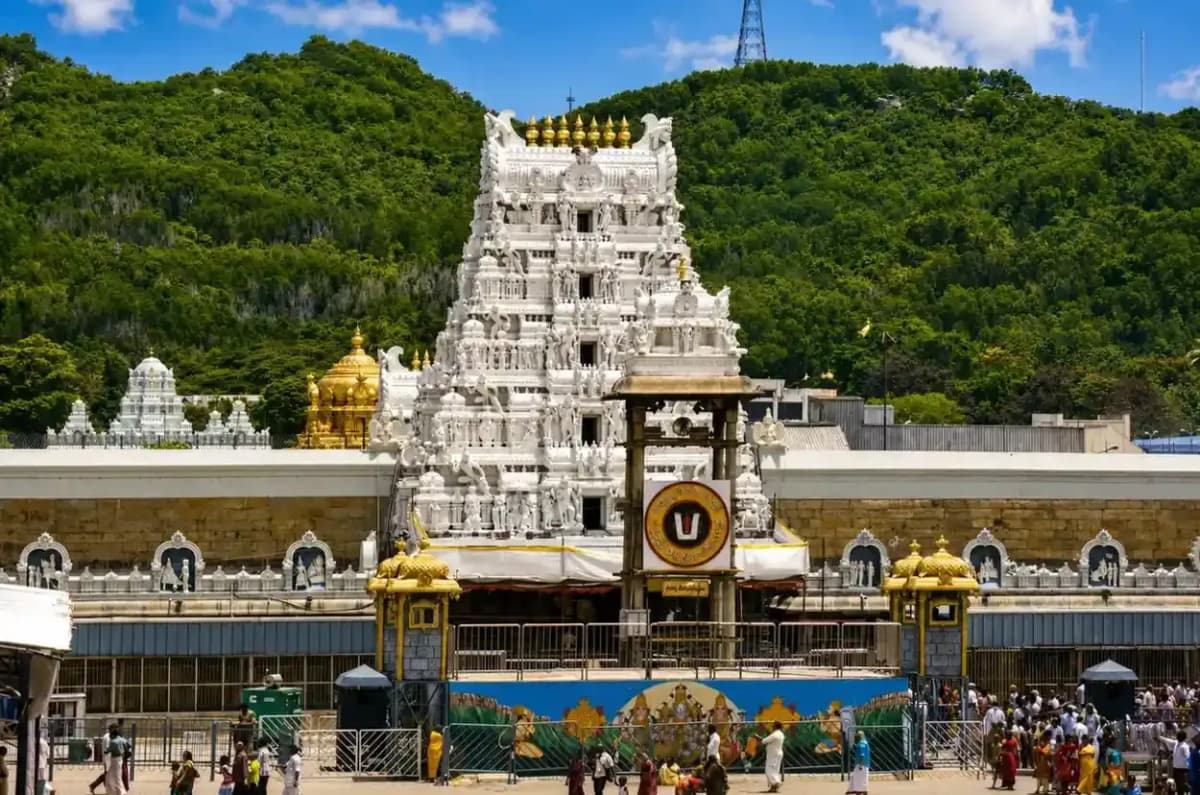
Tirumala Tirupati Devasthanams (TTD) manages the Sri Venkateswara Swamy Temple at Tirumala, one of the most important living Vaishnava temples in the world. The daily rituals, festivals, and rules for offerings are governed by ancient Vaikhanasa and Pancharatra Agamas.
These Agama Shastras are not recent inventions. They are scriptural texts that have defined how deities are installed, how priests perform worship, what offerings are acceptable, and how the sanctity of the temple space is maintained. TTD’s primary duty is to protect these traditions without dilution.
Srivani Trust (Sri Venkateswara Aalayala Nirmanam Trust) was created by TTD to:
- Build new Sri Venkateswara temples
- Renovate ancient and dilapidated Hindu temples
- Support temple construction especially in SC/ST/BC and weaker sections
The trust receives donations specifically for these traditional purposes. Its guidelines require that supported temples follow Vedic and Agamic standards for deity consecration and rituals.
The 2012 Tirumala Padukas Controversy
Tensions between popular saint devotion and strict temple protocols are not new.
In 2012, then TTD Trust Board Chairman facilitated bringing Shirdi Sai Baba’s silver padukas into areas connected with the Tirumala temple. While some saw it as a gesture of respect, many traditional devotees, religious scholars, and organizations objected strongly.
Their main concerns were:
- Violation of long-standing temple customs regarding footwear and symbolic items entering sacred zones
- Risk of setting a precedent that could affect the Agamic purity of Lord Venkateswara’s sanctum
- Introduction of elements not aligned with the specific Agama followed at Tirumala
The incident showed the practical difficulty of mixing saint devotion with the strict protocols of ancient Agamic temples.
2026 Srivani Trust Clarification: What the Minister Actually Said
During a press conference on Endowments Department work (including construction of thousands of temples), journalists asked a hypothetical question about whether Srivani Trust funds could be used for Shirdi Sai Baba temples.
Minister Anam Ramanarayana Reddy gave a clear, rule-based reply:
Srivani Trust funds are meant only for temples that follow traditional Vedic and Agama Shastras. Shirdi Sai Baba does not appear in the ancient Puranas and Dharmashastras as one of the primary deities for whom temples are consecrated under Agamic rules. Sai Baba temples generally operate under a different devotional framework and do not follow the same Agamic procedures for deity installation and daily worship. Therefore, these specific funds cannot be used for them.
Key facts that reduce the controversy:
- No Shirdi Sai Baba temple had applied for Srivani Trust funds.
- The minister answered a hypothetical question based on existing trust bylaws.
- Sai Baba temples across India are independently managed and receive generous direct support from devotees. They do not rely on TTD or Srivani funds.
The clarification protects the original purpose of devotee donations given specifically for traditional Hindu temple construction and renovation.
Why Agama Shastras Matter for Temple Funds
Temple hundi collections and donations at places like Tirumala come from devotees who expect their offerings to support the worship of Lord Venkateswara and the maintenance of Agamic traditions. Using those funds for structures that do not follow the same scriptural standards raises legitimate questions about proper use of resources.
This is not unique to Sai Baba temples. Ancient Agamic temples have always maintained clear boundaries about what constitutes proper worship inside their premises. Saints and gurus are deeply respected in Hinduism, but they usually have their own samadhis, ashrams, or dedicated temples rather than being placed inside ancient deity-specific Agamic sanctums.
TTD’s position is institutional protection of tradition, not opposition to any saint or his devotees.
Broader Context in Hindu Society
Similar discussions have taken place in other states. In Tamil Nadu, petitions reached the Madras High Court seeking removal of Shirdi Sai Baba idols from certain government-managed Hindu temples on the ground that they may not align with Agama principles followed in those temples.
These debates reflect a larger question in contemporary Hinduism:
How do we honor great saints while preserving the distinct scriptural identity of ancient temples?
Hinduism has always had space for both. We have ancient temples following Agamas for specific deities and we have vibrant saint-centered devotional movements. Both can thrive without conflict when their respective boundaries are respected.
What Shirdi Sai Baba Himself Taught
Shirdi Sai Baba’s core teachings emphasized inner faith, patience, service, and seeing the divine in everyone. He never asked his devotees to create conflict with traditional temples or to demand changes in Agamic practices.
A true follower of Sai Baba can:
- Visit Tirumala with full devotion to Lord Venkateswara
- Maintain a separate Sai Baba altar at home or visit Shirdi
- Support Sai temples directly through devotee contributions
This approach reflects the harmony Sai Baba himself promoted.
Common Questions About the TTD Shirdi Sai Controversy
Does the Srivani clarification mean TTD opposes Shirdi Sai Baba?
No. TTD manages the worship of Lord Venkateswara according to Agamas. The clarification is only about the specific rules of one trust created for traditional temple construction.
Can devotees still visit both Tirumala and Shirdi?
Yes. Millions of Hindus do exactly that. There is no restriction.
Why can’t Srivani funds be used for any temple?
Srivani Trust exists for a defined purpose — supporting temples that follow Vedic and Agamic traditions. Using the funds for other purposes would go against the intent of the devotees who donated.
Is this an attack on religious harmony?
The clarification is administrative and scriptural. Religious harmony is best served when each tradition is allowed to maintain its own integrity.
Final Devotional Perspective
Tirumala stands as the eternal abode of Lord Venkateswara, protected by centuries of Agamic tradition. Shirdi stands as the sacred samadhi place of a great Sadguru whose message of Shraddha and Saburi continues to guide countless devotees.
There is no need to create conflict between the two. Sanatana Dharma is vast enough to accommodate both ancient temple traditions and the living inspiration of realized saints.
Devotees who love Tirumala can continue to offer their prayers and donations with the confidence that TTD is protecting the sanctity of Lord Venkateswara’s worship. Devotees who revere Shirdi Sai Baba can continue their sadhana with the same faith and patience Baba taught.
May Lord Venkateswara bless all sincere devotees with peace and devotion.
Om Namo Venkatesaya | Om Sai Ram
You might also like
Shirdi Sai Baba Temple: Complete NRI & USA Devotee Guide 2026

Shirdi Sai Baba: Divine Mysteries & Soul-Stirring Miracles of the Faqir Who Was God
Tirumala News (September 2026): Gokulashtami Celebrations, ACB Arrest of TTD Deputy EO & Fake-Website Alert