Yogi Adityanath Profile: The Monk Behind Uttar Pradesh’s Leadership
Many think Uttar Pradesh Chief Minister wears Saffron cloth So a “monk"...!🤔 But the information that has been revealed about him is - a must read Yogi…
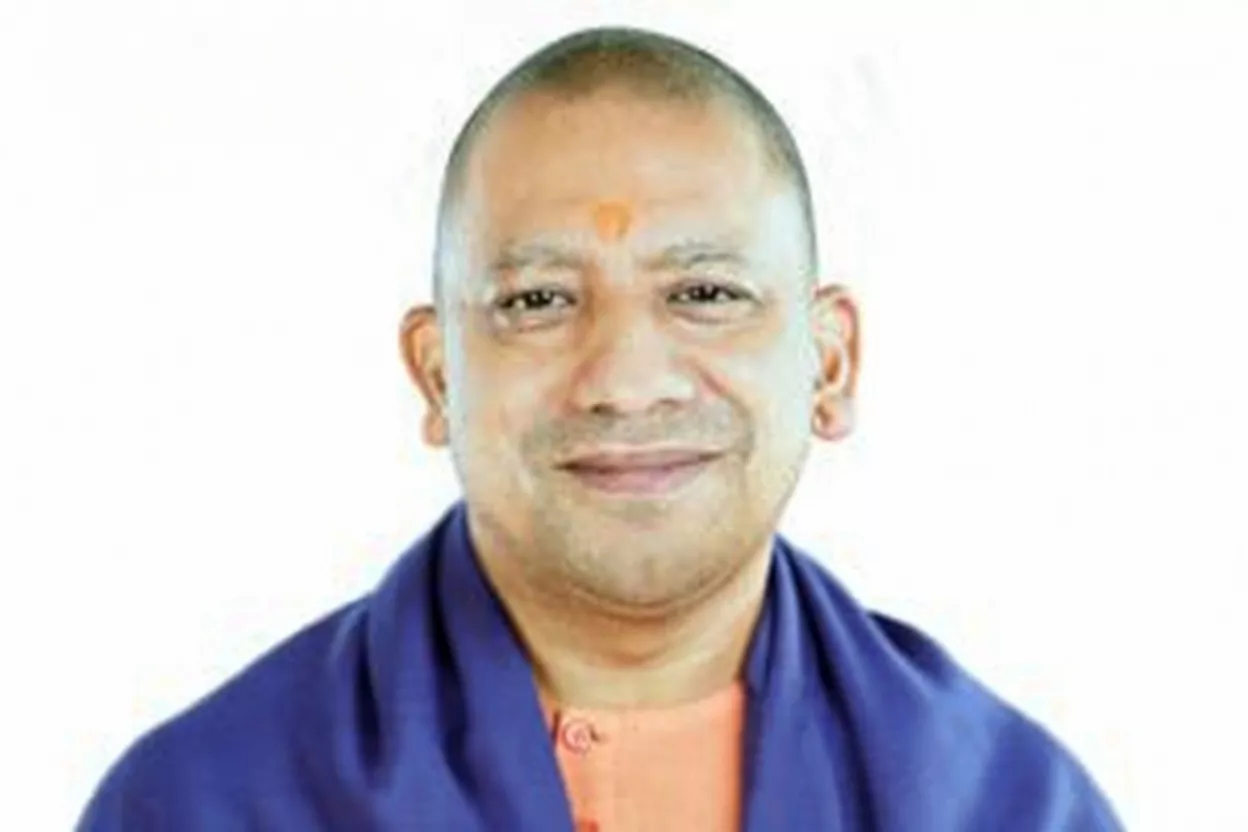
Many think Uttar Pradesh Chief Minister wears Saffron cloth So a “monk".
Many think Uttar Pradesh Chief Minister wears Saffron cloth So a “monk"...!🤔
But the information that has been revealed about him is - a must read
Yogi Adityanath (Ajay Mohan Bishta - real name) after taking sannyas
Yogi Adityanath Ji...🙏
Age-50 years...
Birthplace- Panchur village, Garhwal, Uttarakhand
Highest marks (100%) in history of Uttar Pradesh from HNB Garhwal University..🔥
Yogi Ji is a Mathematics student who has passed B..Sc Mathematics with gold medal.🔥
He is the spiritual leader of the oldest Gorkha regiment of the Indian Army.
- There is a large group of Yogi followers in Nepal who worship Yogi as a Guru...🚩
Amazing skill in martial arts. A record of defeating four people at once...!🤔
Famous swimmer of Uttar Pradesh. Crossed many great rivers..🔥
An accounting expert who also beats computers. Famous Mathematician Shakuntala Devi also praised Yogi Ji..🔥
Sleep only four hours a night. Wake up at 3:30 am everyday...🙏
Yoga, meditation, goshala, aarti, puja are the daily routine.Eat only twice a day...🙏
Completely vegetarian. Food includes tubers, roots, fruits and local cow's milk..
So far he has never been hospitalized for any reason..❤️
Yogi Adityanath is one of the best wildlife trainers in Asia. He is very fond of wildlife.
Yogi's family still lives as it was before he became an MP or Chief Minister.
Yogi returned home only once after taking Sannyas years ago.🚩
Yogi has only one bank account and no land or property in his name or any expenses...🙏
He spends on food and clothing from his salary and deposits the rest in the relief fund.
Sanatani Hindus this is Yogi Adityanath's profile.🚩
There is no AC or room cooler in Yogiji's bedroom, only a ceiling fan...
Yogi Ji sleeps on a wooden bed, spread with a blanket and a sheet, no Dunlop cushions and pillows.
This should be the profile of a true leader of India...🇮🇳🔥
Only such saints will make India a world leader again...🇮🇳🔥
This is just gave a personal description for Yogi Adityanath Ji...🙏
Bharat Mata Ki Jai...🚩
The Nath Sampradaya: The Ancient Monastic Order Yogi Adityanath Leads
Yogi Adityanath is the mahant — the chief spiritual head — of the Gorakhnath Math in Gorakhpur, Uttar Pradesh, one of the most historically significant monastic institutions in northern India. This math belongs to the Nath Sampradaya, a tradition traced back to the legendary yogi-saint Matsyendranath and his disciple Gorakhnath (Gorakshanatha), who flourished approximately between the 9th and 12th centuries CE. The Nath tradition is mentioned in texts such as the Hatha Yoga Pradipika and is closely linked to the practice of Kundalini awakening, pranayama, and the philosophy of Shaiva Siddhanta.
The Gorakhnath Math has for centuries served not only as a spiritual centre but also as a social institution — running schools, hospitals, and go-shalas (cow shelters). Mahants of this peetha have historically wielded both spiritual authority and community leadership across the Purvanchal region of Uttar Pradesh and extending into Nepal, where Gorakhnath is revered as a national deity. Yogi Adityanath was formally initiated into this lineage by his guru, Mahant Avaidyanath, from whom he inherited the gaddi (seat) of the math in 2014.
Sannyas Diksha: What It Means to Renounce the World in the Nath Tradition
When Ajay Mohan Bishta took sannyas diksha and became Yogi Adityanath, he underwent a profound ritual transformation rooted in Vedic and Shaiva tradition. In the Nath Sampradaya, initiation involves the piercing of the ears (kundal dharan) — earning initiates the title of Kanphata Yogi — along with the adoption of the guru's name suffix and formal renunciation of family ties, property, and worldly identity. The Brihadaranyaka Upanishad (III.5) and the Narada Parivrajaka Upanishad both describe the sannyasi as one who has transcended the four ashramas and lives solely for moksha and the welfare of others.
This renunciation is not merely symbolic. A Nath sannyasi is bound by strict codes: celibacy (brahmacharya), ahimsa in diet, daily worship of Lord Shiva, and complete financial transparency. The fact that Yogi Adityanath holds no personal property and maintains a single bank account is a direct expression of these monastic vows rather than a political posture. His return home only once after taking sannyas mirrors the ancient ideal articulated in the Manusmriti and Dharmashastra texts, where a sannyasi formally severs household bonds upon initiation.
The Gorakhnath Temple: Spiritual Seat and Its Significance in Hindu History
The Shri Gorakhnath Mandir in Gorakhpur is among the most venerated Shaiva pilgrimage sites in the Gangetic plain. Dedicated to Yogi Gorakhnath, who is regarded in the Nath tradition as an avatar or divine manifestation of Lord Shiva himself, the temple complex spans several acres and includes shrines, a dhuni (sacred fire kept continuously burning), a go-shala, and educational institutions. Devotees from Uttar Pradesh, Bihar, and the Terai region of Nepal visit in vast numbers, particularly during Makar Sankranti when a major fair is held.
Historically, the Gorakhnath peetha served as a centre of resistance during the medieval period, with Nath yogis playing documented roles in protecting regional culture and Hindu institutions during times of external pressure. The temple's influence in Nepal is particularly notable — the Gurkha royal dynasty of Nepal considered Gorakhnath their kul-devata (clan deity), which explains why Yogi Adityanath holds the position of spiritual leader to a significant community of devotees in Nepal, as referenced in his profile.
Discipline of Body and Spirit: How Classical Yoga Informs His Daily Sadhana
Yogi Adityanath's daily routine — rising at 3:30 AM, performing yoga and meditation, conducting aarti and puja, eating only twice a day, and sleeping on a plain wooden bed — is a direct application of the sadhana framework outlined in classical yoga texts. The Brahma Muhurta, the period approximately ninety minutes before sunrise, is prescribed in the Charaka Samhita and Ayurvedic tradition as the most auspicious time for spiritual practice, as the mind is naturally sattvic and free from rajasic disturbance at that hour.
The practice of eating simple sattvic food — tubers, roots, fruits, and cow's milk — aligns directly with the guidelines in Chapter 17 of the Bhagavad Gita, where Lord Krishna describes sattvic food as that which increases life, purity, strength, health, and happiness. The Hatha Yoga Pradipika (Chapter 1, verses 58–63) similarly prescribes mitahara (moderate, pure diet) as foundational to successful yoga practice. His reported avoidance of hospitalisation is consistent with Ayurvedic literature, which emphasises that disciplined daily routine (dinacharya) is the primary preventive medicine.
Five-Time Member of Parliament: The Political Journey Rooted in Seva
Before becoming Chief Minister of Uttar Pradesh in March 2017, Yogi Adityanath was elected to the Lok Sabha from the Gorakhpur constituency five consecutive times — first in 1998 at the age of 26, making him one of the youngest Members of Parliament elected in Indian history at the time. His tenure in Parliament was marked by vocal advocacy for Hindu cultural interests, cow protection legislation, and the development of the Purvanchal region, which had historically lagged behind western Uttar Pradesh in infrastructure and industry.
The Gorakhpur constituency has a deep historical and spiritual identity tied to the Gorakhnath Math, and the relationship between the math's mahant and the region's political representation stretches back to Mahant Digvijaynath and later Mahant Avaidyanath, both of whom also served as parliamentarians. Yogi Adityanath thus continues a tradition in which dharmic institutional leadership and public service are understood not as separate callings but as expressions of the same duty — what the Bhagavad Gita calls nishkama karma, selfless action performed without attachment to personal reward.
Wildlife and River Conservation: An Unexpected Dimension of His Sanatan Values
The article notes Yogi Adityanath's reputation as one of Asia's notable wildlife trainers and his deep affinity for animals and nature. This connection is firmly rooted in Sanatan Dharma's ecological ethics. The Atharva Veda (XII.1) contains the famous Prithvi Sukta, which regards the earth as a mother and enjoins humans to live in harmony with all living species. The Nath tradition, with its emphasis on the body as a microcosm of the universe, similarly cultivates reverence for all forms of life.
His passion for rivers also carries spiritual weight. The Ganga, which flows through Uttar Pradesh, is not merely a geographical feature in the Hindu worldview but a living goddess — Ganga Mata — described in the Devi Bhagavata Purana and the Skanda Purana as the most purifying of all sacred waters. The crossing of rivers attributed to him in his profile echoes the ancient tradition of tirtha yatra, where crossing a sacred river is an act of purification and devotion as much as physical endurance. Under his administration, Gorakhpur has seen increased attention to environmental projects connected to the Rapti and Rohini rivers.
Frequently Asked Questions
What is Yogi Adityanath's birth name and birthplace?
His birth name is Ajay Mohan Bishta, and he was born in Panchur village, Garhwal, Uttarakhand. He took sannyas and became Yogi Adityanath.
What is Yogi Adityanath's role at the Gorakhnath Math?
He is the mahant, the chief spiritual head, of the Gorakhnath Math in Gorakhpur. He was initiated by his guru Mahant Avaidyanath and inherited the gaddi, or seat, of the math in 2014.
What is the Nath Sampradaya?
It is a monastic tradition traced to the legendary yogi-saint Matsyendranath and his disciple Gorakhnath, who flourished roughly between the 9th and 12th centuries CE. It is linked to Kundalini awakening, pranayama and Shaiva Siddhanta.
What is Yogi Adityanath's daily routine?
He is reported to wake at 3:30 am, sleep about four hours and spend the day on yoga, meditation, goshala, aarti and puja. He eats only twice a day, a vegetarian diet of tubers, roots, fruits and local cow's milk.
When did Yogi Adityanath become Uttar Pradesh Chief Minister?
He became Chief Minister in March 2017. Before that he was elected to the Lok Sabha from Gorakhpur five consecutive times, first in 1998 at the age of 26.
Why is Yogi Adityanath followed by devotees in Nepal?
Gorakhnath is revered as a national deity in Nepal, and the Gurkha royal dynasty considered him their kul-devata. This is why Yogi Adityanath is described as spiritual leader to a significant community of devotees there.
You might also like
Shani Jayanti 2026: Date, Significance, Rituals & Powerful Mantras

Anti-Conversion Laws in India: Complete State-Wise Guide Every Hindu Must Know and Share in 2026
Even If Firms Lay Off 50% Workforce Due to AI, Business Will Increase: Says Microsoft VP – What It Means for India and Hindu Youth