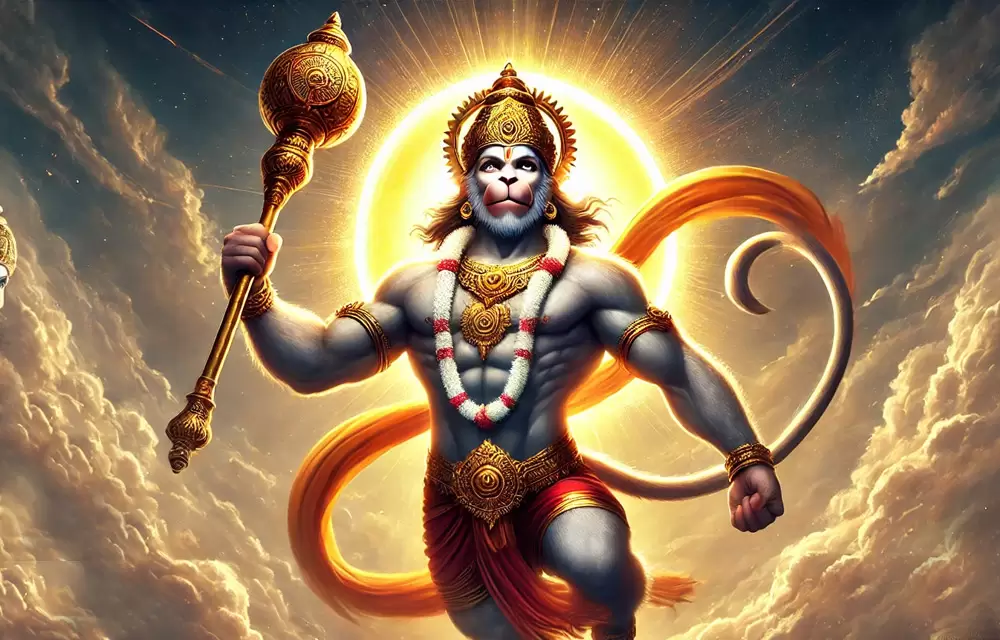
Lord Hanuman and Tuesday: 5 Powerful Reasons to Worship Bajrangbali
Tuesday, or Mangalvar, holds immense spiritual significance in Hinduism as the day dedicated to Lord Hanuman, the epitome of devotion, strength, and courage.

Tuesday, or Mangalvar, holds immense spiritual significance in Hinduism as the day dedicated to Lord Hanuman, the epitome of devotion, strength, and courage. Known as Bajrangbali, Hanuman is revered for his unwavering loyalty to Lord Rama and his ability to remove obstacles. Worshipping him on Tuesdays, influenced by the planet Mars and the fire element, brings transformative blessings. This SEO-optimized news post for www.nriglobe.com explores five compelling reasons to worship Lord Hanuman on Mangalvar, linking his divine birth, Mars’ influence, the fire element, the benefits of Hanuman Chalisa, and the power of red offerings like laddoos and flowers.
Updated complete guide: for step-by-step puja, verified mantras with meaning and fasting options, read Tuesday Hanuman puja, Mangalvar vrat and mantras, part of our Hindu days of the week series.
1. Hanuman’s Divine Birth and Tuesday’s Sacred Connection
Lord Hanuman, born to Anjana and Kesari through Lord Vayu’s blessings, is celebrated as the son of the wind god, embodying strength and agility. His birth is intricately linked to Tuesday, ruled by Mars (Mangal), the planet of energy, courage, and action. According to legend, Hanuman’s fiery spirit and boundless energy resonate with Mars’ dynamic influence, making Mangalvar the ideal day to seek his blessings. Worshipping Bajrangbali on Tuesdays channels this divine energy, helping devotees overcome challenges and gain vitality. Start your Mangalvar Hanuman puja with a sincere prayer to invoke his grace.
2. Mars’ Influence: Mitigating Mangal Dosha
Mars, the fiery red planet, governs Tuesday and influences courage, determination, and ambition. However, a malefic Mars in one’s horoscope can cause Mangal Dosha, leading to obstacles in marriage, career, or health. Worshipping Lord Hanuman on Tuesdays pacifies Mars’ negative effects. As Hanuman embodies Mars’ fiery strength, chanting the Tuesday Hanuman mantra, “Om Han Hanumate Namah,” or offering prayers at a Hanuman temple reduces dosha-related challenges. This practice brings peace, harmony, and success, making Mangalvar Hanuman puja a powerful astrological remedy.
3. Fire Element Symbolism: Igniting Inner Strength
The fire element, associated with Mars, symbolizes transformation, passion, and purification. Lord Hanuman’s fiery devotion, as seen when he set Lanka ablaze with his tail in the Ramayana, reflects this element’s intensity. His unyielding courage and ability to overcome adversity make him a beacon of inner strength. Worshipping Bajrangbali on Tuesdays, with offerings like red flowers or sindoor, aligns devotees with the fire element’s transformative power. This practice ignites courage, burns away negativity, and fosters resilience, as devotees chant, “Bajrangbali Ki Jai!”
4. Hanuman Chalisa: A Path to Divine Blessings
The Hanuman Chalisa, a 40-verse hymn composed by Tulsidas, is a spiritual treasure that extols Lord Hanuman’s virtues. Reciting it on Tuesdays during Mangalvar Hanuman puja amplifies its benefits, including:
- Protection from Evil: “Bhoot Pisaach Nikat Nahi Aavai, Mahavir Jab Naam Sunavai”—Hanuman’s name wards off negative energies and fears.
- Stress Relief: Chanting the Chalisa calms the mind, reducing anxiety and promoting mental clarity.
- Wish Fulfillment: Sincere recitation fulfills desires, such as success in endeavors or finding a life partner.
- Spiritual Growth: It deepens devotion, connecting devotees to Hanuman’s divine energy.
Recite the Hanuman Chalisa 11 or 108 times on Tuesdays after offering red laddoos or boondi as prasad to maximize blessings.
5. Power of Red Offerings: Laddoos, Flowers, and Sindoor
Red, the color of Mars and vitality, holds special significance in Hanuman worship. Offering red items during Mangalvar Hanuman puja enhances devotion and attracts divine grace:
- Red Laddoos: Besan or boondi laddoos, prepared with jaggery and ghee, are Hanuman’s favorite prasad, symbolizing sweetness and devotion. Share them with devotees after puja.
- Red Flowers: Offer red hibiscus or marigold flowers to honor Hanuman’s fiery energy and seek his blessings for strength.
- Sindoor: Applying sindoor to Hanuman’s idol, inspired by his act of covering himself with vermilion for Lord Rama, signifies complete surrender. This ritual invites prosperity and protection.
Incorporate these offerings into your Tuesday worship to deepen your spiritual connection and honor Bajrangbali’s divine presence.
How to Perform Mangalvar Hanuman Puja
To harness the full benefits of Tuesday worship, follow these simple steps:
- Purify Yourself: Bathe early and wear clean red or orange clothes.
- Set Up the Puja: Place Lord Hanuman’s idol or picture in a clean puja space. Light a ghee lamp and incense sticks.
- Offerings: Present red flowers, sindoor, and red laddoos. Offer betel leaves and a red cloth to the idol.
- Chant Mantras: Recite “Om Han Hanumate Namah” 108 times or the Hanuman Chalisa. Read the Sundarakanda from the Ramayana for added blessings.
- Aarti and Prasad: Conclude with Hanuman aarti and distribute prasad among family and the needy.
- Charity: Donate red cloth, food, or essentials to align with Hanuman’s selfless nature.
Why Worship Hanuman on Tuesdays?
Worshipping Lord Hanuman on Mangalvar aligns devotees with his divine qualities and Mars’ energy, offering:
- Relief from Mangal Dosha and planetary afflictions.
- Courage to face life’s challenges, inspired by Hanuman’s valor.
- Protection from negative energies and black magic.
- Fulfillment of desires, including health, wealth, and harmony.
As the Hanuman Chalisa says, “Jo Sat Baar Paath Kar Koi, Chhutahi Bandi Maha Sukh Hoi”—reciting it 100 times brings liberation and immense joy. A single Tuesday puja performed with faith can transform your life.
Conclusion
Lord Hanuman’s worship on Tuesdays is a sacred practice that connects devotees to his divine birth, Mars’ fiery influence, and the transformative fire element. By chanting the Hanuman Chalisa and offering red laddoos, flowers, and sindoor, you invite Bajrangbali’s blessings for strength, protection, and wish fulfillment. Make Mangalvar Hanuman puja a part of your spiritual journey to overcome obstacles and embrace divine grace.
Frequently Asked Questions
What is the Lord Hanuman and Tuesday?
Tuesday, or Mangalvar, holds immense spiritual significance in Hinduism as the day dedicated to Lord Hanuman , the epitome of devotion, strength, and courage. Known as Bajrangbali, Hanuman is revered for his unwavering loyalty to Lord Rama and his ability to remove obstacles.
How many times should the Lord Hanuman and Tuesday be chanted?
It is traditionally chanted 108 times using a rudraksha or tulsi mala. Even 11 or 21 sincere repetitions daily are considered beneficial — steady, focused practice matters more than the count.
What is the best time to chant the Lord Hanuman and Tuesday?
Dawn (Brahma Muhurta) after a bath is considered ideal, though it may be chanted any time with a calm, focused mind. Many devotees keep a fixed daily time to build consistency.
Who can chant the Lord Hanuman and Tuesday?
Anyone may chant it with faith and a pure mind, regardless of age, gender or background. Beginners benefit from first hearing the correct pronunciation and understanding its meaning.
What are the benefits of chanting the Lord Hanuman and Tuesday?
Devotees chant it to invoke Lord Hanuman's grace — for inner peace, protection, focus and spiritual progress.
Share this with family and friends
Send it on WhatsApp, post it, or copy the link.
More from Pooja, Slokas and Mantras
- Narmadashtakam (Sabindu Sindhu) by Adi Shankaracharya: Full Text in Sanskrit with Meaning
- Hari Stotram (Jagajjalapalam) by Swami Brahmananda: Full Text in Sanskrit with Meaning
- Ganeshashtakam (Yato Anantashakteh) from the Ganesha Purana: Full Text with Meaning
- Kashi Vishwanath Ashtakam (Gangataranga Ramaniya Jatakalapam): Full Text with Meaning
- Shivashtakam (Prabhum Prananatham Vibhum Vishvanatham): Full Text with Meaning
You might also like
Powerful Mantras for Students & Parents Before Joining School

Powerful Hindu Mantras for Purushottam Maas 2026: Vishnu Bhakti, Chanting Guide & Global Devotion

Hanuman Worship on Saturday: Powerful Rituals & Remedies for Shani Dosha