Kajji Kayalu Recipe
Karji Kayalu (also known as Karjikayi or Karanji) is a popular South Indian sweet, especially made during festivals like Diwali, Ganesh Chaturthi, and…
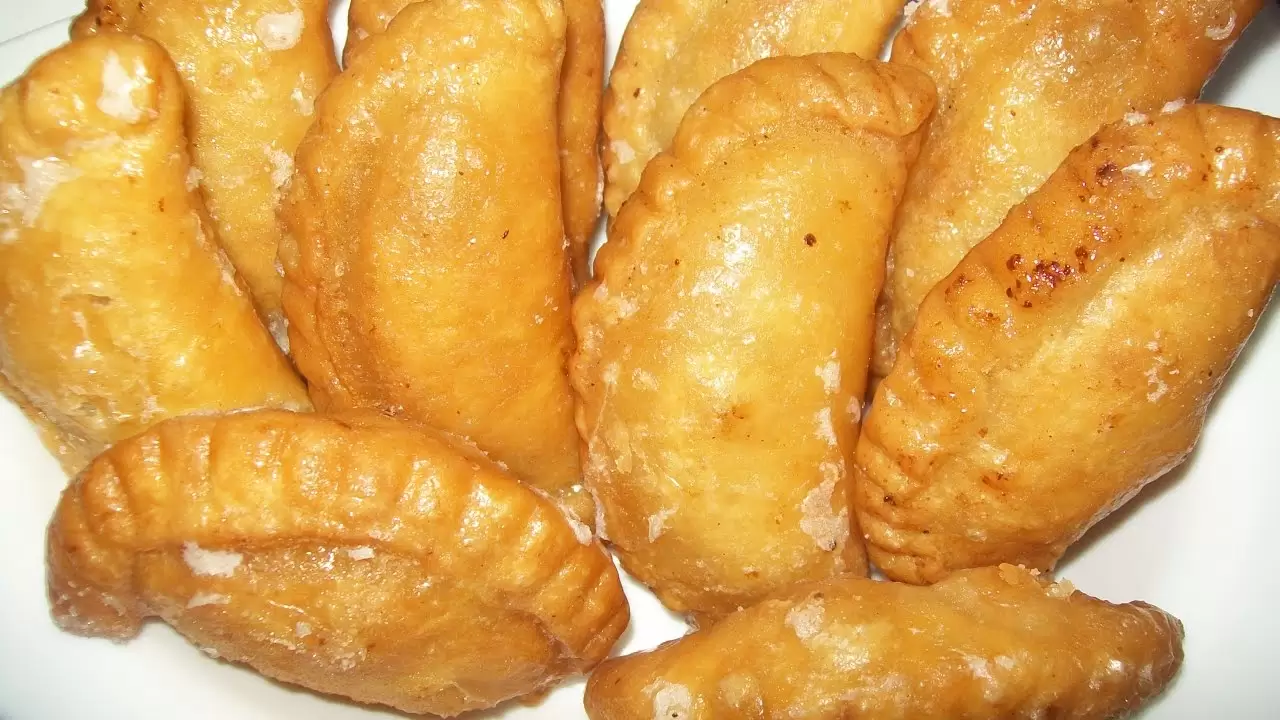
Karji Kayalu (also known as Karjikayi or Karanji) is a popular South Indian sweet, especially made during festivals like Diwali, Ganesh Chaturthi, and Navaratri. This deep-fried, crispy snack is stuffed with a delicious mixture of coconut, jaggery, and dry fruits, making it a favorite festive treat.
Here’s how you can make Karji Kayalu at home with simple ingredients.
Ingredients: For the outer shell:
1 cup all-purpose flour (maida) 1 tablespoon semolina (sooji/rava) 2 tablespoons ghee or oil A pinch of salt Water (for kneading) Oil (for deep frying)
For the filling:
1 cup grated coconut (fresh or dried) ½ cup jaggery, grated 2 tablespoons roasted gram dal (optional, for added crunch) 2 tablespoons dry fruits (chopped cashews, almonds, raisins) ½ teaspoon cardamom powder
Instructions:
Step 1: Prepare the Dough
In a mixing bowl, combine the all-purpose flour, semolina, and a pinch of salt. Add the ghee (or oil) and mix it into the flour mixture using your fingers until it resembles a crumbly texture. Gradually add water to the mixture and knead it into a smooth and firm dough. Cover the dough and let it rest for 30 minutes.
Step 2: Prepare the Filling
Heat a pan on low flame, add the grated coconut, and roast it for 2-3 minutes until it becomes aromatic. Add the grated jaggery to the roasted coconut, stirring continuously until the jaggery melts and combines well with the coconut. Add the roasted gram dal (optional), chopped dry fruits, and cardamom powder to the mixture. Mix well and cook for another 1-2 minutes. Remove the filling mixture from the heat and allow it to cool completely.
Step 3: Shape and Fill the Karji Kayalu
Divide the dough into small lemon-sized balls and roll each ball into a thin circle (about 3-4 inches in diameter). Place a tablespoon of the coconut-jaggery filling in the center of each rolled dough circle. Fold the dough over the filling to form a semi-circle and press the edges together to seal. You can use a fork to crimp the edges for a decorative pattern or pinch them manually for a traditional look.
Step 4: Fry the Karji Kayalu
Heat oil in a deep frying pan on medium heat. Once the oil is hot, gently slide the prepared Karji Kayalu into the oil and fry them in batches. Fry until they turn golden brown and crispy on both sides. Remove from oil and place them on a paper towel to drain excess oil.
Step 5: Serve and Enjoy
Allow the Karji Kayalu to cool completely before serving. They can be stored in an airtight container for up to a week.
Tips: Make sure the filling is completely cool before stuffing to avoid sogginess. Fry the Karji Kayalu on medium heat for even cooking. You can add poppy seeds (khus khus) to the filling for extra flavor.
Karji Kayalu is a delightful, crispy treat filled with a sweet and nutty filling, perfect for special occasions or just a snack to enjoy with family.
What is the sacred significance of Kajji Kayalu in Hindu festivals?
Kajji Kayalu holds a cherished place in the ritual food culture of Telugu-speaking households. During Ganesh Chaturthi, this sweet is offered as naivedyam to Lord Ganesha, who is traditionally associated with modaka and other coconut-jaggery preparations. The Ganesha Purana and folk traditions of Andhra Pradesh and Telangana both recognise coconut-and-jaggery sweets as especially pleasing to Vighneshvara, the remover of obstacles.
During Diwali, Kajji Kayalu is prepared as part of the broader tradition of making homemade sweets called 'Deepavali Palaharam,' a custom deeply embedded in Telugu domestic life. The act of preparing and distributing these sweets to neighbours, relatives, and guests is considered a form of anna-danam — the gifting of food — which is described in the Taittiriya Upanishad as 'Annam na parichakshita,' meaning food should never be disrespected or withheld.
How does Kajji Kayalu vary across South Indian regions and communities?
While the Telugu version is called Kajji Kayalu or Karji Kayalu, the same sweet appears across South and West India under different regional names. In Karnataka it is commonly called Karanji, in Maharashtra it is known as Gujiya or Karanji, and in Tamil Nadu a similar preparation is called Kozhukattai Puri or Somas. Each regional variant adjusts the filling — Maharashtrian Karanji often includes khoya and sugar, while the Telugu version stays truer to fresh or dried coconut and jaggery.
Even within Andhra Pradesh and Telangana, subtle community-level variations exist. Brahmin households of the Godavari delta region frequently add poppy seeds (khus khus) and a small measure of dry coconut to intensify the filling's aroma. In contrast, some Rayalaseema households use palm jaggery (tati bellam) instead of cane jaggery, lending the filling a distinct smoky-caramel depth that is unique to that geography.
Why are coconut and jaggery considered auspicious ingredients in Hindu cooking?
Coconut, known in Sanskrit as Narikela, is described in the Atharvaveda as a fruit of divine origin and is one of the Pancha-phala (five sacred fruits) offered during pujas. Breaking a coconut before any auspicious ceremony symbolises the surrender of the ego (the hard outer shell) to reveal the pure inner self. Using coconut in a festive sweet like Kajji Kayalu thus carries layers of symbolic meaning beyond mere flavour.
Jaggery, or Guda in Sanskrit, is prescribed as a sattvic sweetener in Ayurvedic texts including the Charaka Samhita. Unlike refined sugar, jaggery retains iron and mineral content from sugarcane and is considered warming and grounding in its qualities. The combination of coconut and jaggery creates what is called a 'Mithai Yoga' in traditional kitchen wisdom — a pairing where both ingredients enhance each other's digestibility as well as their ritual purity.
What tips ensure a perfectly crispy and non-oily outer shell for Kajji Kayalu?
The key to the signature crispiness of Kajji Kayalu lies in the ratio of fat to flour during dough preparation, a technique known as 'moyan' in Hindi or 'neyyi vesukonu' in Telugu. The ghee or oil must be rubbed thoroughly into the flour until the mixture holds its shape when pressed — this creates a layered, short-crust texture that resists absorbing excess oil during deep frying. Skipping or reducing the resting time of 30 minutes will produce a tough, chewy shell instead of a flaky one.
Oil temperature is equally critical. Frying at too high a temperature (above 180°C) will brown the outer shell before the dough is cooked through, while too low a temperature causes the shell to absorb oil and turn soggy. A steady medium flame, with oil maintained around 160–170°C, allows the Kajji Kayalu to fry evenly to a golden colour. Placing freshly fried pieces on an absorbent surface and allowing them to cool completely before storing in an airtight container will preserve their crunch for up to ten days.
Are there baked or healthier variations of Kajji Kayalu suitable for modern kitchens?
For those who wish to reduce oil consumption without sacrificing the festive spirit, Kajji Kayalu can be prepared in an air fryer or conventional oven. When baking, the dough should include a slightly higher proportion of ghee — roughly three tablespoons per cup of flour — to compensate for the absence of deep-frying oil, which naturally bastes the shell during cooking. Bake at 180°C for approximately 20–22 minutes, turning once halfway through, until the surface is uniformly golden.
Whole-wheat flour (atta) can replace all-purpose flour (maida) for a more nutritious shell, though the texture will be slightly denser and less flaky. The filling can also be made lighter by substituting grated fresh coconut for dry coconut and using dates paste instead of jaggery, a swap that lowers the glycaemic load while retaining sweetness. These adaptations allow families managing dietary restrictions to still participate in the tradition of preparing and sharing Kajji Kayalu during festival seasons.
How should Kajji Kayalu be stored and for how long does it stay fresh?
Properly made Kajji Kayalu, fried to a deep golden colour with a sealed edge, stores well at room temperature for seven to ten days when kept in an airtight steel or glass container. Exposure to moisture is the primary enemy of shelf life — even brief contact with humid air can soften the shell and cause the jaggery filling to ferment. Placing a small piece of food-safe silica gel or a dry bay leaf (tejpatta) inside the container is a traditional method used in Telugu households to absorb ambient moisture.
If fresh coconut is used in the filling rather than dried or desiccated coconut, the shelf life reduces significantly to three to four days, even at room temperature, because fresh coconut carries higher moisture content. For longer storage when using fresh coconut, refrigeration is advisable, although this will slightly soften the outer crust. Bringing refrigerated Kajji Kayalu to room temperature for 15–20 minutes before serving restores much of the original crispiness.
Frequently Asked Questions
What is Kajji Kayalu Recipe?
Karji Kayalu (also known as Karjikayi or Karanji) is a popular South Indian sweet, especially made during festivals like Diwali , Ganesh Chaturthi, and Navaratri. This deep-fried, crispy snack is stuffed with a delicious mixture of coconut, jaggery, and dry fruits, making it a favorite festive treat.
What ingredients are needed for Kajji Kayalu Recipe?
The traditional ingredients and step-by-step method are given in the recipe above; most are easily available at Indian grocery stores, including for NRI families abroad.
Can Kajji Kayalu Recipe be offered as naivedya?
Yes — it is prepared sattvically (without onion or garlic) and offered to the deity first as naivedya, then distributed as prasad.
Can I make Kajji Kayalu Recipe abroad?
Yes. All key ingredients are available at Indian grocery stores across the USA, UK, Canada and Australia, making it easy to prepare at home for the puja.
Share this with family and friends
Send it on WhatsApp, post it, or copy the link.
More from Recipes
- North Indian Diwali Sweets 2026: Mawa Gujiya, Mathri, Coconut Ladoo and Kaju Katli
- Maharashtrian Diwali Faral 2026: Bhajani Chakli, Shankarpali, Karanji and Besan Ladoo
- Tamil Deepavali Recipes 2026: Murukku, Adhirasam, Ribbon Pakoda and Rava Laddu
- Telugu Deepavali Recipes 2026: Ariselu, Kajjikayalu, Gavvalu and Chekkalu
- Kanya Pujan Prasad Recipe: Suji Halwa, Puri and Kale Chane for Ashtami and Navami 2026