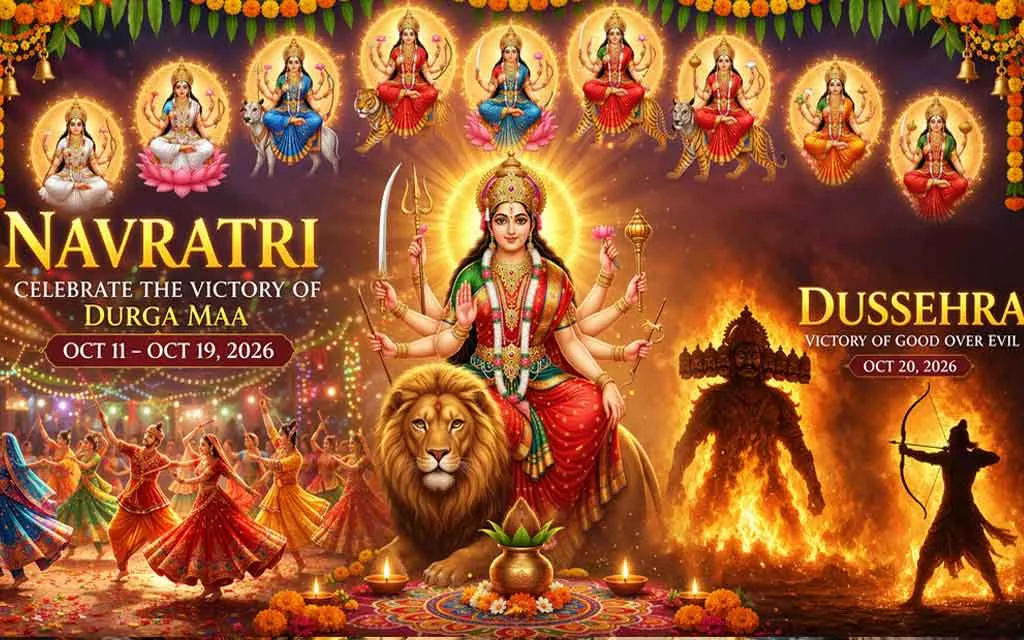
Ashwin Month: The Sacred Season of Divine Grace and Regional Celebrations
A Complete Devotional Guide for HinduTone.com Introduction to Ashwin Month Ashwin (also known as Ashwayuja in South Indian traditions) is the seventh month of…
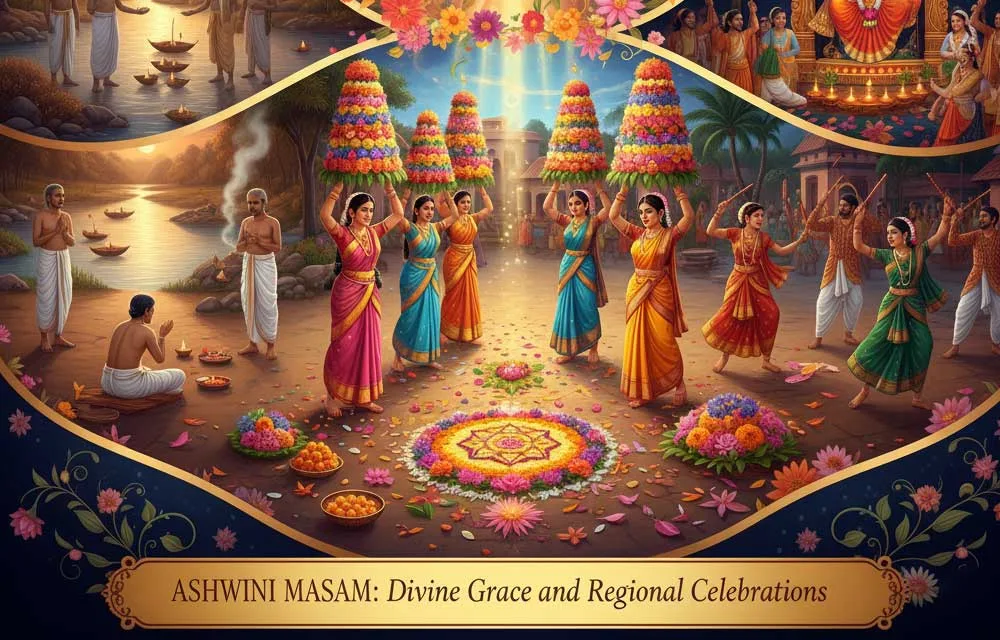
A Complete Devotional Guide for HinduTone.com
Introduction to Ashwin Month
Ashwin (also known as Ashwayuja in South Indian traditions) is the seventh month of the Hindu lunar calendar, typically falling between September and October in the Gregorian calendar. This sacred month marks the transition from the monsoon season to autumn, symbolizing spiritual purification and divine blessings.
The month derives its name from the Ashwini Nakshatra (constellation), representing healing, vitality, and new beginnings. It is considered one of the most auspicious months in the Hindu calendar, filled with significant festivals and spiritual observances.
Regional Names and Cultural Variations
North vs. South India: A Beautiful Diversity
Northern India (Hindi Belt):
- Name: Ashwin (आश्विन)
- Significance: Marks the post-monsoon harvest season
- Major Observances: Durga Puja, Dussehra, Karva Chauth
Southern India:
- Telugu: Ashwayuja (ఆశ్వయుజ)
- Kannada: Ashwayuja (ಆಶ್ವಯುಜ)
- Tamil: Puratasi (புரட்டாசி)
- Malayalam: Thulam (തുലാം)
Eastern India:
- Bengali: Ashwin (আশ্বিন)
- Significance: The month of Durga Puja celebrations
Western India:
- Gujarati: Ashwin, leading to Kartak Sud 1 (New Year)
- Marathi: Ashwin (आश्विन)
The Gujarati New Year Connection
Kartak Sud 1: A New Beginning
Following the conclusion of Ashwin month, Kartak Sud 1 (the first day of the bright fortnight of Kartik month) marks the Gujarati New Year, also known as Bestu Varas or Varsha Pratipada.
This unique timing makes Ashwin month particularly significant for Gujarati communities as it represents:
- Completion: The end of the old year with spiritual cleansing
- Preparation: Intensive prayers and festivities leading to the new year
- Prosperity: Business communities close their old account books and prepare new ones
Why This Timing?
Unlike other Indian New Years that often coincide with spring, the Gujarati New Year follows Diwali celebrations, symbolizing:
- Victory of light over darkness
- New beginnings after spiritual purification
- Alignment with the post-harvest prosperity season
Major Festivals and Observances in Ashwin
1. Navratri (Nine Nights of the Divine Mother)
Duration: First nine days of Ashwin
- Goddess Worship: Nine forms of Durga Mata
- Regional Variations:
- Gujarat: Garba and Dandiya Raas
- Bengal: Durga Puja with elaborate pandals
- South India: Golu displays and classical music concerts
2. Dussehra/Vijayadashami
Date: 10th day of Ashwin
- Significance: Victory of good over evil
- Celebrations: Ram Leela, Ravana effigy burning
- Regional Names: Dasara (South), Durgotsav (Bengal)
3. Karva Chauth (North India)
Date: Chaturthi of Krishna Paksha
- Observance: Married women's day-long fast for husband's longevity
- Rituals: Moon sighting, decorated karva (earthen pot)
4. Kojagari Purnima
Date: Full moon of Ashwin
- Significance: Lakshmi Puja for wealth and prosperity
- Regional Variations: Sharad Purnima celebrations
Spiritual Significance and Practices
Daily Devotional Practices
Morning Rituals:
- Sunrise Prayers: Chant Surya mantras facing east
- Tulsi Worship: Daily watering and circumambulation of Tulsi plant
- Scripture Reading: Recite Durga Saptashati or Ramayana
Evening Observances:
- Aarti: Light diyas and offer incense to family deities
- Mantra Chanting:
- Om Aim Hreem Kleem Chamundaye Vichche (Durga)
- Om Gam Ganapataye Namaha (Ganesha for obstacle removal)
Fasting and Dietary Guidelines
Recommended Fasts:
- Navratri Fast: Nine days of purifying diet
- Ekadashi Vrat: 11th day fasting (twice in the month)
- Monday Fasts: For Lord Shiva's blessings
Sattvic Diet Emphasis:
- Fresh fruits and vegetables
- Dairy products and nuts
- Avoid onion, garlic, and non-vegetarian food
- Consume light, easily digestible meals
Astrological and Cosmic Significance
Planetary Influences
- Sun's Position: Transition from Virgo to Libra
- Seasonal Change: Pitta to Vata dosha dominance in Ayurveda
- Spiritual Energy: Heightened cosmic vibrations for meditation
Best Times for Spiritual Practices
- Brahma Muhurta: 4:00-6:00 AM for meditation
- Sunset Hour: Ideal for family prayers and aarti
- Midnight: Especially powerful during Navratri for advanced practitioners
Traditional Recipes and Prasadam
Regional Specialties
North Indian:
- Kheer (Rice pudding with cardamom)
- Halwa varieties (Sooji, Gajar, Moong Dal)
- Dry fruits and nuts offerings
South Indian:
- Payasam (Coconut milk-based sweets)
- Sundal (Steamed legume preparations)
- Banana and jaggery offerings
Gujarati:
- Mohanthal (Gram flour fudge)
- Ghee-laden rotlis
- Seasonal fruit arrangements
Bengali:
- Khichuri and labra (Mixed vegetable curry)
- Sandesh and rasgulla
- Fish preparations during Durga Puja
Home Decoration and Sacred Preparations
Creating Sacred Spaces
Altar Decoration:
- Fresh marigold and rose flowers
- Clean white or red cloth coverings
- Brass diyas with pure ghee
- Incense holders with natural fragrances
Rangoli Patterns:
- Traditional motifs with rice flour or colored powders
- Lotus designs for Lakshmi worship
- Geometric patterns for Durga veneration
Cleansing Rituals
Physical Purification:
- Deep cleaning of home and prayer areas
- Washing and organizing sacred items
- Preparing fresh prayer accessories
Mental Preparation:
- Daily meditation and breathing exercises
- Reading sacred texts and spiritual literature
- Practicing gratitude and positive affirmations
Community Celebrations and Social Harmony
Inclusive Festivities
Inter-Community Participation:
- Neighborhood Durga Puja celebrations
- Shared cultural programs and food
- Collective service projects and charity
Environmental Consciousness:
- Eco-friendly celebration materials
- Natural colors and biodegradable decorations
- Community composting of organic waste
Modern Adaptations
Digital Age Devotion:
- Virtual aarti participation for distant families
- Online darshan of famous temples
- Social media sharing of devotional content
Urban Celebrations:
- Apartment complex community halls
- Workplace cultural programs
- Fusion of traditional and contemporary elements
Ashwin Month Prayer Collection
Daily Morning Prayer
Om Ashwinyau Devau Yajñasya Netarau
Twaritau Rathaah Pushkara Srajau
Hiranyavarnau Subhagau Suvarchasau
Tam No Ashwinau Swasti Kirtam
Translation: O Ashwin deities, leaders of sacred rituals, swift charioteers with lotus garlands, golden-hued, auspicious, and brilliant - may you both grant us well-being and prosperity.
Evening Gratitude Mantra
Ashwin Masam Pavitram Cha
Dharma Karma Surakshakam
Mata Durga Kripa Yuktam
Sarva Mangala Dayakam
Translation: The sacred month of Ashwin, protector of righteous actions, blessed with Mother Durga's grace, bestower of all auspiciousness.
Health and Wellness During Ashwin
Ayurvedic Guidance
Seasonal Transition Care:
- Increase warm, cooked foods
- Include warming spices (ginger, cinnamon, cardamom)
- Practice oil massage for Vata balancing
- Maintain regular sleep schedule
Spiritual Health:
- Daily pranayama (breathing exercises)
- Regular meditation practice
- Positive social interactions
- Gratitude journaling
Conclusion: Embracing the Divine Grace
Ashwin month serves as a beautiful bridge between the introspective monsoon season and the celebratory winter festivals. Whether you know it as Ashwin in North India, Ashwayuja in the South, or celebrate the approaching Gujarati New Year, this month offers profound opportunities for spiritual growth, community bonding, and cultural celebration.
The diversity in regional names and customs only enriches our understanding of India's magnificent cultural tapestry. From the elaborate Durga Puja pandals in Bengal to the energetic Garba nights in Gujarat, from the traditional Golu displays in Tamil Nadu to the solemn Karva Chauth observances in North India - every tradition adds its unique flavor to this sacred month.
As we prepare for the transition into Kartik month and the Gujarati New Year, let us embrace the lessons of Ashwin: purification, devotion, community harmony, and celebration of the divine feminine energy that nurtures and protects us all.
May this sacred month of Ashwin bring divine blessings, prosperity, and spiritual elevation to all devotees worldwide.
॥ हरि ॐ ॥
For more devotional content, festival guides, and spiritual insights, visit www.hindutone.com
Frequently Asked Questions
When does Ashwin month fall in the Hindu calendar?
Ashwin is the seventh month of the Hindu lunar calendar and typically falls between September and October. It marks the transition from the monsoon season to autumn.
What is Ashwin month called in South India, Bengal and Kerala?
Telugu and Kannada speakers call it Ashwayuja, Tamil speakers call it Puratasi, and in Malayalam it is Thulam. Bengali and Marathi traditions keep the name Ashwin.
Which major festivals are celebrated in Ashwin month?
Navratri on the first nine days, Dussehra or Vijayadashami on the 10th day, Karva Chauth in North India and Kojagari Purnima on the full moon. Bengal marks Durga Puja, and South India sets up Golu displays.
What fasting and dietary rules are followed during Ashwin?
Devotees keep the Navratri fast, Ekadashi vrat twice in the month and Monday fasts for Lord Shiva. A sattvic diet of fruits, vegetables, dairy and nuts is recommended, avoiding onion, garlic and non-vegetarian food.
How is Ashwin month linked to the Gujarati New Year?
Kartak Sud 1, the first day of the bright fortnight of Kartik, follows the end of Ashwin and is the Gujarati New Year, also called Bestu Varas. Business communities close old account books and open new ones.
What daily practices are suggested for Ashwin month?
Chant Surya mantras facing east at sunrise, water and circumambulate the Tulsi plant, and read the Durga Saptashati or Ramayana. In the evening, light diyas for aarti and chant Durga or Ganesha mantras.
Share this with family and friends
Send it on WhatsApp, post it, or copy the link.
More from Spirituality
- Chilkur Balaji 'Visa Balaji' Temple: The 11 and 108 Pradakshina Custom Explained for NRIs
- Ekagrata (One-Pointedness): Yoga Concentration and Samyama Glossary
- Complete MBBS Once in Life: The Spiritual Meaning of Mahabharata, Bhagavatam, Bhagavad Gita & Ramayana
- Sri Medha Dakshinamurthy Swami Dhyanam | Meditation Sloka for Intelligence, Eloquence & Self-Realization
- What Is True Poverty? | Dharma Is the Greatest Wealth | Sanatana Dharma
You might also like

Ashwin Month and Wellness: Spiritual Practices for Mind, Body, and Soul
Sharadiya Durga Navratri 2026 South Africa Guide: Dates, Day-Wise Puja Vidhi, Mantras, Colors, Fasting Rules & Complete Devotional Celebration for Indian Families in South Africa
Navratri Aarti Lyrics in Hindi and English (2026)