Blood Moon Eclipse Wows Millions in Global Night Sky Spectacle
September 8, 2025 – A breathtaking total lunar eclipse illuminated the night sky on September 7-8, 2025, transforming the full moon into a mesmerizing Blood…
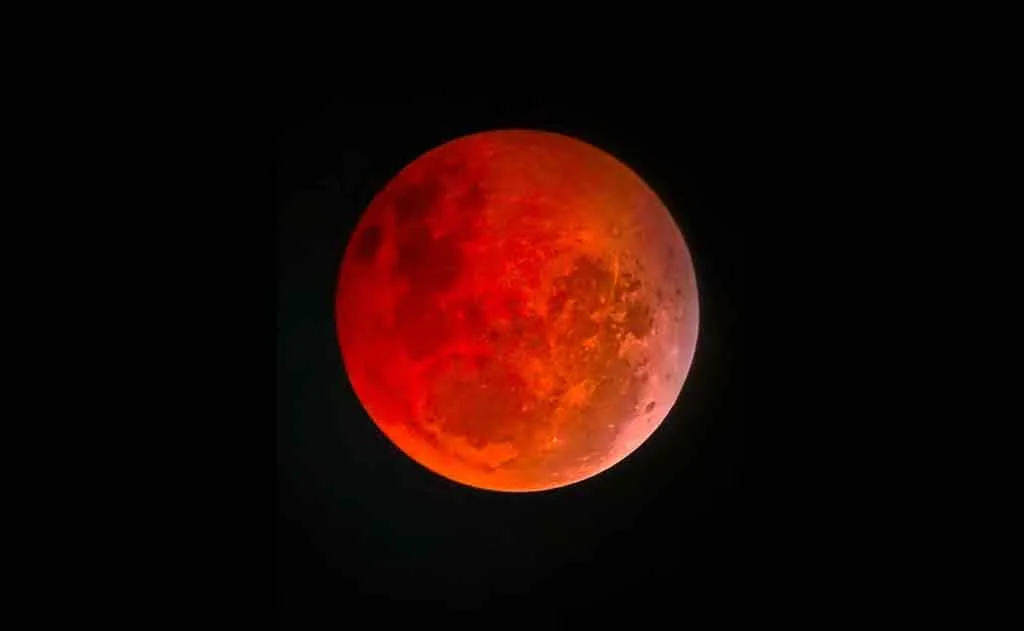
September 8, 2025 – A breathtaking total lunar eclipse illuminated the night sky on September 7-8, 2025, transforming the full moon into a mesmerizing Blood…
September 8, 2025 – A breathtaking total lunar eclipse illuminated the night sky on September 7-8, 2025, transforming the full moon into a mesmerizing Blood Moon that captivated millions across Asia, Europe, Africa, and Australia. The celestial spectacle, marked by the moon’s striking reddish hue, lasted approximately 82 minutes, offering skywatchers a rare opportunity to witness the cosmic dance of Earth, moon, and sun.
The Blood Moon, so named for its deep red or coppery glow, occurs during a total lunar eclipse when the Earth passes between the sun and the moon, casting its shadow over the lunar surface. This dramatic coloration is caused by Earth’s atmosphere scattering sunlight, allowing only the longer red wavelengths to reach the moon. For those in the prime viewing regions, the event unfolded during optimal nighttime hours, creating a stunning visual display that sparked awe and wonder.
Visible across vast swathes of the Eastern Hemisphere, the eclipse drew crowds in countries from India to Indonesia, France to South Africa, and Australia to the Middle East. In India, where lunar eclipses hold cultural and spiritual significance, many gathered for late-night viewings, combining scientific curiosity with traditional rituals. Social media platforms, particularly X, buzzed with activity as enthusiasts shared vivid photographs, time-lapse videos, and heartfelt reflections on the event. Posts highlighted not only the moon’s ethereal beauty but also its role as a reminder of humanity’s connection to the cosmos and the cyclical rhythms of nature.
Unfortunately, skywatchers in North America were unable to witness the spectacle, as the eclipse occurred during daylight hours in that region. However, the global excitement was palpable, with online streams and shared content allowing those in non-visible areas to partake in the experience virtually.
This Blood Moon was the second total lunar eclipse of 2025, following an earlier event in March. Unlike solar eclipses, lunar eclipses are safe to view with the naked eye, making them accessible to anyone with a clear view of the sky. Amateur astronomers and casual observers alike took advantage of the event, with many using telescopes or binoculars to capture the intricate details of the moon’s surface during totality.
Cultural interpretations of the Blood Moon varied widely. In some Asian traditions, eclipses are seen as omens or moments for introspection, while in African folklore, they often carry symbolic meanings tied to renewal. Across Europe, the event was celebrated as a stunning natural phenomenon, with astronomy clubs hosting viewing parties and educational talks. In Australia, where the eclipse coincided with clear spring skies, social media posts reflected a sense of unity as people marveled at the shared experience of gazing upward.
The September 7-8 Blood Moon was also notable for occurring near the Harvest Moon, the full moon closest to the autumnal equinox in the Northern Hemisphere. This connection added a layer of seasonal significance, evoking themes of gratitude and transition as communities prepare for the changing seasons.
As the moon emerged from Earth’s shadow, its familiar silver glow returned, but the memory of its crimson transformation lingered. For millions around the globe, the Blood Moon eclipse was not just a scientific event but a moment of collective wonder, reminding us of our place in the vast universe. With the next total lunar eclipse not scheduled until 2026, this spectacle will remain a cherished memory for those who witnessed it.
For more updates on celestial events and global news, stay tuned to www.nriglobe.com.
Frequently Asked Questions
When was the Blood Moon eclipse of 2025?
The total lunar eclipse took place on September 7-8, 2025, with totality lasting approximately 82 minutes. It was the second total lunar eclipse of 2025, after one in March.
Why does the moon turn red during a Blood Moon?
During a total lunar eclipse the Earth passes between the sun and the moon. Earth's atmosphere scatters sunlight so only the longer red wavelengths reach the lunar surface, giving the reddish glow.
Was the September 2025 eclipse visible in North America?
No. The eclipse occurred during daylight hours in North America, so viewers there could only follow online streams. It was visible across Asia, Europe, Africa and Australia.
Is it safe to watch a lunar eclipse with the naked eye?
Yes, unlike solar eclipses, lunar eclipses are safe to view with the naked eye. Telescopes or binoculars can add detail of the moon's surface during totality.
How is a lunar eclipse viewed in India?
In India lunar eclipses hold cultural and spiritual significance, and many people gathered for late-night viewings that combined scientific curiosity with traditional rituals. Some Asian traditions treat eclipses as omens or moments for introspection.
How was the Blood Moon linked to the Harvest Moon?
The September 7-8 eclipse occurred near the Harvest Moon, the full moon closest to the autumnal equinox in the Northern Hemisphere. This added themes of gratitude and seasonal transition.
You might also like

Chilkur Balaji 'Visa Balaji' Temple: The 11 and 108 Pradakshina Custom Explained for NRIs

Ekagrata (One-Pointedness): Yoga Concentration and Samyama Glossary

Complete MBBS Once in Life: The Spiritual Meaning of Mahabharata, Bhagavatam, Bhagavad Gita & Ramayana