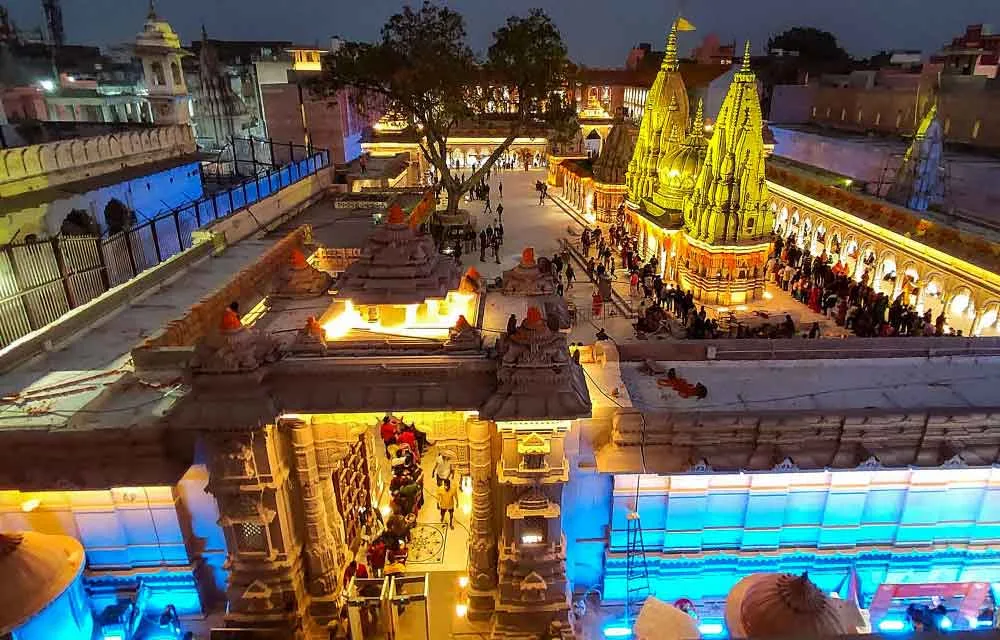
Secrets of Kashi's 5 Sacred Ghats You Must Visit
Varanasi, the eternal city of Kashi, holds within its ancient heart a spiritual treasure that has captivated pilgrims and seekers for millennia.
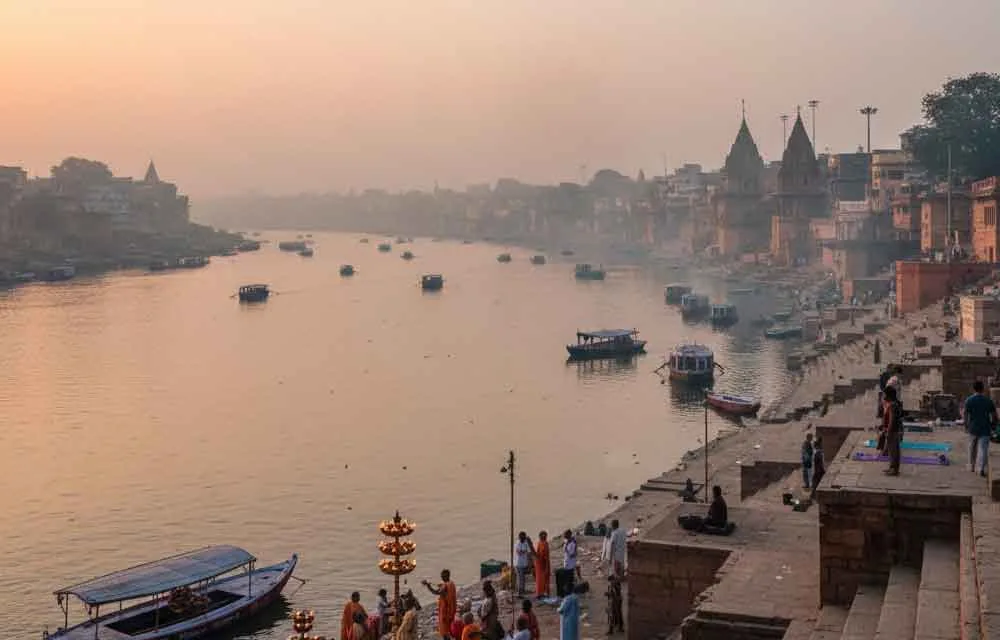
Varanasi, the eternal city of Kashi, holds within its ancient heart a spiritual treasure that has captivated pilgrims and seekers for millennia. Among the 88 ghats that line the sacred Ganges, five stand apart as beacons of divine energy, each carrying profound mythological significance and timeless rituals. These best ghats of Varanasi aren't merely stone steps leading to holy waters—they are portals where heaven touches earth, where karma dissolves, and where liberation beckons.
Understanding the Kashi ghats significance requires more than just a visit; it demands an immersion into their stories, their spiritual vibrations, and the sacred ceremonies that have unfolded here for thousands of years.
Panchganga Ghat: Where Five Rivers Converge in Mystical Union
The Divine Confluence
Panchganga Ghat represents one of the most mystically powerful spots in Kashi. Its name translates to "five rivers," and according to ancient scriptures, this is where five sacred rivers—Ganga, Yamuna, Saraswati, Kirana, and Dhutpapa—merge in an invisible confluence that transcends physical geography.
The Mythology Behind Panchganga
The Panchganga Ghat story is woven with divine intervention and cosmic significance. Legend holds that Lord Vishnu created this sacred spot with his Sudarshan Chakra. When the great sage Kabir, the medieval mystic poet-saint, was born from a virgin widow through divine will, he was placed in a basket and set afloat on the Ganges. The basket miraculously came to rest at Panchganga Ghat, where it was discovered by a Muslim weaver couple, Niru and Nima, who raised him.
Another powerful legend states that when Lord Vishnu performed penance at this location, five rivers appeared to bathe him. The ghat thus became sanctified by his divine presence, making it one of the holiest bathing spots in Kashi.
Spiritual Significance and Rituals
The spiritual energy at Panchganga is palpable, especially during the pre-dawn hours when devoted pilgrims perform sacred ablutions. Taking a dip here during auspicious occasions like Kartik Purnima, Makar Sankranti, or Ganga Dussehra is believed to wash away sins accumulated across lifetimes and grant moksha (liberation).
The ghat houses the beautiful Bindu Madhav Temple, dedicated to Lord Vishnu, though the original temple was demolished during Mughal rule. The current structure stands as a testament to Hindu resilience and faith. Pilgrims also visit the nearby Alamgir Mosque, built on the ruins of the ancient Bindu Madhav Temple, creating a unique confluence of religious history.
Key Practices at Panchganga:
- Morning boat rides offering breathtaking views of the sunrise over the sacred waters
- Ritual bathing believed to equal the merit of bathing at all five rivers simultaneously
- Evening prayers and deepdan (lamp offerings) that illuminate the ghat with divine light
- Special pujas during eclipses, which are considered highly auspicious at this location
Dashashwamedh Ghat: The King of All Ghats
The Celestial Horse Sacrifice
Dashashwamedh Ghat is the most vibrant and spiritually charged of all Varanasi ghats. Its name derives from "Dash" (ten) and "Ashwamedh" (horse sacrifice), commemorating a legendary event where Lord Brahma performed ten Ashwamedh yajnas simultaneously to welcome Lord Shiva back to Kashi after a period of absence.
Mythological Grandeur
According to the Kashi Khanda, when Lord Shiva returned to his beloved city after wandering, Lord Brahma wished to purify the ground and make it worthy of Shiva's divine feet. To achieve this sanctification, Brahma performed the most powerful Vedic ritual known to ancient India—not once, but ten times in succession. The immense spiritual energy generated by these sacrifices still permeates the ghat, making it the epicenter of Kashi's divine presence.
Another legend tells that Lord Vishnu performed penance here to seek Shiva's blessings, and the ghat was the site where celestial beings descended to witness this divine exchange.
The Legendary Ganga Aarti
The Dashashwamedh Ghat aarti is perhaps the most spectacular spiritual ceremony in modern India—a nightly ritual that transforms the ghat into a theater of divine devotion. Every evening, as dusk descends over the Ganges, seven young priests dressed in saffron robes perform synchronized worship using massive brass lamps, conch shells, incense, and flower offerings.
The Aarti Experience:
The ceremony begins at sunset (around 6:45 PM in winter, 7:00 PM in summer) and lasts for approximately 45 minutes. The priests stand on elevated wooden platforms, each representing different aspects of nature—earth, water, fire, air, and space. As the temple bells clang and devotional songs fill the air, they move in perfect harmony, creating circles of light that seem to merge earth with sky.
The aarti follows a specific sequence: first offering to the sun, then to fire (Agni), to water (Ganga), and finally to the entire universe. The sight of hundreds of oil lamps floating on the dark waters, carrying prayers and wishes, creates a mesmerizing spectacle that touches even the most skeptical hearts.
Thousands gather daily—pilgrims, tourists, sadhus, and locals—all united in reverence. The energy is electric yet profoundly peaceful, chaotic yet deeply ordered. This is not mere performance; it's a living tradition that has continued unbroken for centuries.
Practical Wisdom for Visitors
To truly experience the spiritual power of Dashashwamedh:
- Arrive at least an hour early to secure a good viewing spot
- Consider watching from a boat on the river for a panoramic perspective
- Participate by floating your own diya (lamp) on the Ganges after the ceremony
- Visit early morning (4-6 AM) when the ghat reveals its quieter, more introspective nature
Manikarnika Ghat: The Gateway to Moksha
The Eternal Cremation Ground
Manikarnika Ghat holds the most profound place in Hindu eschatology—it is the Mahashamshan, the great cremation ground where death itself is defeated. This ancient ghat has witnessed continuous cremations for over 3,000 years, with funeral pyres burning 24 hours a day, 365 days a year, without interruption.
The Sacred Earring of Parvati
The name "Manikarnika" comes from "Mani" (jewel) and "Karnika" (earring). According to legend, while Lord Shiva and Goddess Parvati were bathing in the sacred tank (kund) here, Parvati's earring fell into the water. When Shiva retrieved it using his trident, the spot became eternally blessed. The kund, which exists to this day, is believed to be filled with Shiva's sweat and Parvati's tears, making it one of the most sacred water bodies in Hinduism.
The Promise of Liberation
Hindu scripture declares that anyone cremated at Manikarnika Ghat attains instant moksha (liberation from the cycle of birth and death). Lord Shiva himself is believed to whisper the Taraka mantra into the ear of the dying, ensuring their soul's liberation. This profound belief has made Manikarnika the most coveted final destination for Hindus seeking release from samsara.
The Doms: Keepers of the Sacred Flame
The Dom Raja (king of the funeral workers) and his community have maintained the eternal flame at Manikarnika for countless generations. This fire, called the "Moksha Agni," is believed to have been burning continuously for over 3,500 years, never extinguished. All cremation pyres are lit from this sacred flame, ensuring the spiritual efficacy of the final rites.
Witnessing the Sacred Cycle
Visiting Manikarnika is a profound experience that confronts mortality head-on:
What You'll Observe:
- Funeral processions arriving with chants of "Ram Naam Satya Hai" (The name of Ram is truth)
- Bodies wrapped in colorful shrouds being ceremonially bathed in the Ganges before cremation
- Elaborate rituals performed by priests and family members
- The intense heat and smoke of multiple pyres burning simultaneously
- Sadhus meditating amid the cremations, practicing shamshan sadhana (cremation ground meditation)
The spiritual lesson is clear: at Manikarnika, death is not feared but celebrated as the ultimate transformation. The atmosphere is neither morbid nor depressing—instead, there's an acceptance of life's impermanence and a celebration of the soul's journey beyond the physical realm.
The Charanpaduka and Other Sacred Spots
Within the ghat complex lies the Charanpaduka—the footprints of Lord Vishnu, embedded in a marble slab. Legend says Vishnu stood here in meditation, his devotion so intense that his feet left permanent impressions in the stone. Nearby, the Manikarnika Kund is surrounded by temples, including shrines to Ganesh, Vishnu, and the presiding deity, Manikarnika Devi.
Assi Ghat: Where the Rivers Kiss
The Southern Sentinel
Assi Ghat marks the confluence of the Assi River with the Ganges and serves as the southernmost of Varanasi's major ghats. Its name comes from the Sanskrit word "Assi," meaning eighty, and carries multiple mythological interpretations.
The Slaying of the Demon Shumbha-Nishumbha
The most popular legend associated with Assi Ghat involves Goddess Durga. After slaying the demon Shumbha-Nishumbha, her sword (asi) fell at this spot, creating the Assi River. Another version states that eighty (assi) great sages performed penance here, lending the ghat its name and spiritual power.
Lord Shiva himself is said to have rested here after his cosmic tandav (dance of destruction), making it a place where divine energy converges with earthly peace.
The Shiva Lingam Under the Peepal Tree
The most distinctive feature of Assi Ghat is the enormous Shiva lingam located under a sprawling peepal tree. Devotees circumambulate this sacred symbol, offering water, milk, and bilva leaves. The morning aarti here, though smaller than Dashashwamedh's evening ceremony, carries its own intimate charm and draws locals who have worshipped here for generations.
The Cultural Heart of Modern Varanasi
Unlike the intensely ritualistic atmosphere of other ghats, Assi has evolved into a cultural hub:
Cultural Significance:
- Home to numerous ashrams, yoga centers, and meditation retreats
- Popular gathering place for students, scholars, and spiritual seekers
- Morning boat rides from Assi to Dashashwamedh offer the quintessential Varanasi experience
- Evening concerts featuring classical music and dance performances
- Vibrant cafes and restaurants serving vegetarian cuisine
The ghat becomes particularly lively during festivals like Kartik Purnima when thousands gather for holy dips, and during Dev Deepawali when the entire ghat is illuminated with countless earthen lamps.
The Morning Ritual: Subah-e-Banaras
Assi hosts the "Subah-e-Banaras" program—a cultural morning event featuring Vedic chants, yoga, and live devotional music. This initiative aims to preserve and promote Varanasi's spiritual heritage while making it accessible to younger generations and international visitors.
Harishchandra Ghat: The Testament to Truth
The Older Cremation Ghat
While Manikarnika dominates discussions of cremation in Kashi, Harishchandra Ghat holds its own sacred status as one of the two main cremation sites. Named after the legendary King Harishchandra, this ghat embodies the Hindu ideal of unwavering commitment to truth.
The Story of King Harishchandra
King Harishchandra's tale is among the most celebrated in Hindu dharma. To honor a promise made to Sage Vishwamitra, Harishchandra sacrificed his kingdom, sold his wife and son into slavery, and ultimately worked as a cremation ground attendant at this very ghat. His commitment to truth (satya) remained unshakeable even through the most devastating trials, including preparing his own son's body for cremation.
When his integrity was finally tested to its limit, the gods intervened, revealing the entire ordeal as a test of his dharmic resolve. Harishchandra, his wife Taramati, and son Rohitashwa were restored, and the king was immortalized as the epitome of truthfulness.
Spiritual Practices and Energy
The atmosphere at Harishchandra Ghat carries a different quality than Manikarnika—less crowded, more introspective. Many consider it the more authentic cremation experience, where spiritual seekers can contemplate mortality without the overwhelming sensory intensity of the larger ghat.
Key Aspects:
- Continuous cremations conducted with traditional rituals
- Less commercialized than Manikarnika, offering a more intimate experience
- The sacred tank where Harishchandra is said to have worked
- Ancient temples dotting the ghat, including shrines to Harishchandra himself
- Powerful site for meditation on impermanence and truth
The Philosophy of Shamshan Vairagya
Both Harishchandra and Manikarnika Ghats exemplify shamshan vairagya—the detachment that comes from witnessing death repeatedly. Sadhus often meditate at cremation grounds to internalize life's transient nature and accelerate their spiritual evolution. The ghats teach that in death's presence, worldly attachments dissolve, revealing the eternal nature of consciousness beyond the body.
The Deeper Spiritual Architecture of Kashi's Ghats
The Five Elements and Five Ghats
These five sacred ghats correspond to the five elements (panchabhutas) that constitute creation:
- Panchganga: Water (jal) - representing the confluence and fluidity of consciousness
- Dashashwamedh: Fire (agni) - the transformative power witnessed in the aarti
- Manikarnika: Earth (prithvi) - the ground that receives bodies and grants liberation
- Assi: Air (vayu) - the breath of life and spiritual energy
- Harishchandra: Space (akasha) - the void where truth alone remains
Timing Your Spiritual Journey
For maximum spiritual benefit, traditional wisdom suggests:
- Visit during Brahma Muhurta (3:30-5:30 AM) when divine energy is most accessible
- Kartik Purnima (October-November) for the most auspicious bathing
- Maha Shivaratri for intense spiritual practices at all five ghats
- Dev Deepawali (15 days after Diwali) when the ghats are illuminated with millions of lamps
Practical Guidance for Sacred Visits
Respectful Engagement:
- Dress modestly, covering shoulders and knees
- Remove shoes before entering temple areas within the ghats
- Seek permission before photographing cremation ceremonies (preferably avoid it)
- Maintain silence and reverence at cremation ghats
- Consider hiring a knowledgeable local guide to understand the deeper significance
- Participate in rituals authentically rather than as mere tourist attractions
Safety and Comfort:
- Be cautious of steep, slippery steps, especially during monsoon
- Beware of aggressive touts and "unofficial" priests demanding money
- Keep valuables secure in crowded areas
- Drink bottled water and be cautious about street food
- Book boat rides through reputable operators
The Living Tradition
What makes these five ghats truly extraordinary is that they are not archaeological sites or museums—they are living, breathing centers of faith where ancient traditions continue unbroken. Every morning, millions of devotees perform the same rituals their ancestors did thousands of years ago. Every evening, the same prayers are chanted, the same lamps are lit.
In an age of rapid change and digital disconnection, the best ghats of Varanasi offer something increasingly rare: continuity with the sacred past, direct experience of the divine present, and a glimpse of liberation's eternal future.
Whether you come as a pilgrim seeking moksha, a curious traveler exploring India's spiritual heart, or a seeker questioning life's deeper meanings, these five ghats will transform you. They strip away pretense, confront you with mortality, and offer—if you're open—a taste of the eternal consciousness that underlies all existence.
Kashi's ghats are not destinations; they are thresholds. Step across them consciously, and you step into the timeless dance of death and liberation, karma and moksha, the human and the divine.
May your journey to these sacred ghats bring you closer to the truth that Kashi has protected for millennia: that beneath the surface of our mortal existence flows an eternal stream of consciousness, waiting to carry us home.
Frequently Asked Questions
How many ghats does Varanasi have and which are most sacred?
Varanasi has 88 ghats along the Ganges. Panchganga, Dashashwamedh, Manikarnika and Assi are among the five that stand apart for their mythology and rituals.
What time does the Ganga Aarti at Dashashwamedh Ghat begin?
The aarti begins at sunset, around 6:45 PM in winter and 7:00 PM in summer, and lasts approximately 45 minutes. Arriving at least an hour early helps secure a good viewing spot.
Why is Manikarnika Ghat associated with moksha?
Hindu belief holds that anyone cremated at Manikarnika attains liberation, as Shiva is said to whisper the Taraka mantra to the dying. Funeral pyres burn there 24 hours a day, all year.
How did Dashashwamedh Ghat get its name?
The name combines Dash (ten) and Ashwamedh (horse sacrifice). As commonly told, Lord Brahma performed ten Ashwamedh yajnas to welcome Shiva back to Kashi.
What is special about Panchganga Ghat?
Its name means five rivers: Ganga, Yamuna, Saraswati, Kirana and Dhutpapa, said to meet in an invisible confluence. A dip on Kartik Purnima, Makar Sankranti or Ganga Dussehra is believed to wash away sins.
What is the best time to visit Dashashwamedh Ghat for a quieter experience?
Visit early morning, between 4 and 6 AM, when the ghat is quieter and more introspective. Watching from a boat or floating a diya after the aarti are other ways to experience it.
Share this with family and friends
Send it on WhatsApp, post it, or copy the link.
More from Spirituality
- Chilkur Balaji 'Visa Balaji' Temple: The 11 and 108 Pradakshina Custom Explained for NRIs
- Ekagrata (One-Pointedness): Yoga Concentration and Samyama Glossary
- Complete MBBS Once in Life: The Spiritual Meaning of Mahabharata, Bhagavatam, Bhagavad Gita & Ramayana
- Sri Medha Dakshinamurthy Swami Dhyanam | Meditation Sloka for Intelligence, Eloquence & Self-Realization
- What Is True Poverty? | Dharma Is the Greatest Wealth | Sanatana Dharma
You might also like
The Mystical Connection Between Ganga and Lord Shiva in Kashi
Death in Kashi: Why Moksha Is Guaranteed for the Departed

The Varanasi International Cricket Stadium, a groundbreaking project in the sacred city of Kashi