Can Hindus Eat Non-Veg During Sravana Masam? Understanding the Spiritual Significance
Sravana Masam and the Question of Eating Non-Veg: What Every Hindu Should Kn Sravana Masam (Shravan Month) is considered one of the most sacred months in the…
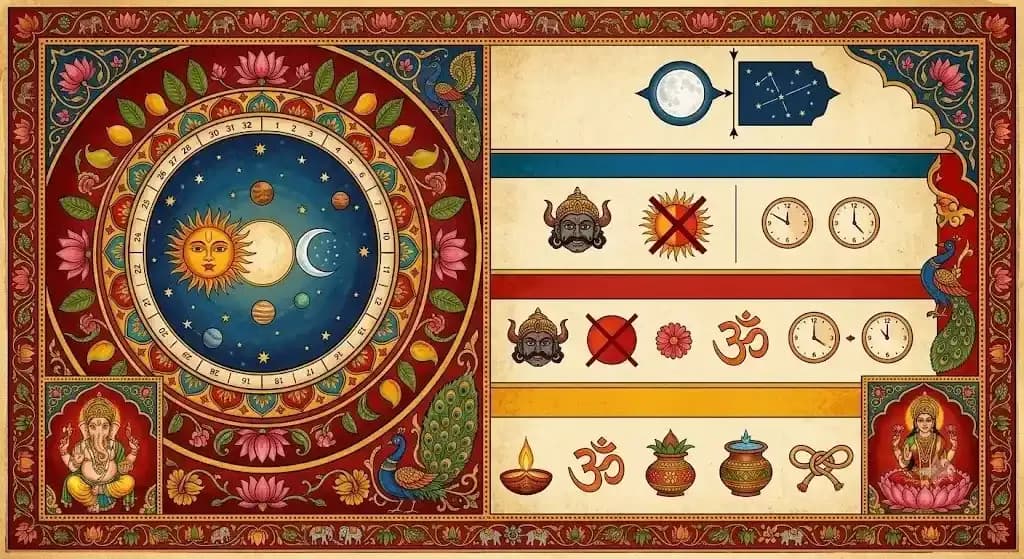
Sravana Masam and the Question of Eating Non-Veg: What Every Hindu Should Kn Sravana Masam (Shravan Month) is considered one of the most sacred months in the…
Sravana Masam and the Question of Eating Non-Veg: What Every Hindu Should Kn
Sravana Masam (Shravan Month) is considered one of the most sacred months in the Hindu calendar. Dedicated primarily to the worship of Lord Shiva, this auspicious period is marked by fasting, prayers, temple visits, and deep spiritual reflection. One question that frequently arises during this time is: “Can Hindus eat non-vegetarian food during Sravana Masam?” Let’s explore the spiritual, cultural, and health-based perspectives.
1. Spiritual Significance: A Month of Purity and Devotion
Sravana Masam is a time when positive cosmic energies are believed to be at their peak. Devotees focus on austerity, bhakti (devotion), and self-control. Consuming non-vegetarian food, which is considered tamasic (promoting lethargy and ignorance), is thought to disturb this spiritual discipline.
- Worship of Lord Shiva involves self-purification.
- Many perform rudrabhishekam and chant Om Namah Shivaya daily.
- Offering meat or consuming it during such a sacred time is seen as disrespectful by traditional followers.
2. Ayurvedic and Health-Based Reasons
According to Ayurveda, Sravana falls in the monsoon season, a time when the digestive system is naturally weaker.
- Non-veg food takes longer to digest, and improper digestion leads to toxins (ama).
- Monsoon also increases the risk of infections from meat and seafood.
- Hence, a sattvic diet (fresh, plant-based, and light) is recommended for better immunity and digestion.
3. Cultural and Regional Practices
Not all Hindus follow the same dietary customs, and practices may vary:
- In South India, especially in Andhra Pradesh, Telangana, Tamil Nadu, and Karnataka, strict vegetarianism is observed throughout the month.
- In North India, the Purnimant calendar observes Shravan starting earlier, and similar vegetarian practices are followed.
- Vaishnavites, Shaivites, and Smarthas generally abstain from non-veg in Sravana.
4. Exceptions and Modern Lifestyle Choices
While tradition strongly discourages non-veg during Sravana Masam, it’s important to note:
- Not every Hindu may observe this rule, especially those living abroad or with medical needs.
- Some modern families may avoid non-veg only on Mondays (Somvar Vrat), while others choose to be vegetarian the entire month.
- The choice to eat or abstain is personal, but being mindful of the spiritual essence is key.
5. How to Spiritually Cleanse If You Ate Non-Veg Unknowingly
If one consumes non-veg unknowingly or due to unavoidable circumstances:
- Offer prayers to Lord Shiva and seek forgiveness.
- Donate food to the needy or perform Annadanam.
- Resume vrat (fast) and avoid such foods for the remainder of the month.
Conclusion: Respecting the Sacredness of Sravana Masam
While there's no strict scriptural prohibition that universally bans non-veg in Sravana Masam, Hindu dharma emphasizes discipline, ahimsa (non-violence), and spiritual elevation. Avoiding non-vegetarian food during this holy month is not just a ritual—it's a symbolic gesture of inner purification and reverence to Lord Shiva.
What Does Scripture Actually Say About Diet During Sacred Months?
Classical Hindu texts draw a clear link between dietary purity and spiritual elevation. The Bhagavad Gita (Chapter 17, verses 8–10) classifies food into sattvic, rajasic, and tamasic categories. Foods that are heavy, putrid, or stale — a description that Ayurvedic commentators extend to meat, particularly during monsoon — are said to be dear to those in the mode of ignorance (tamas). Shravan, as a month of concentrated Shiva-bhakti, is understood as a time to consciously shift one's gunas toward sattva.
The Shiva Purana specifically extols the merit of fasting and austerity during Shravan Somavar (Monday fasts in Sravana), stating that those who observe these vratas with a pure body and mind attain Shivaloka. While the Purana does not provide an exhaustive food list, the principle of shaucha — both external cleanliness and internal purity of what one consumes — is treated as foundational to the vrata's efficacy. Commentators in the Shaiva Agama tradition have consistently interpreted this to mean the avoidance of flesh during the month.
Why Is Lord Shiva Especially Worshipped in Sravana Masam?
The month of Sravana holds a unique cosmological significance in relation to Lord Shiva. According to the Samudra Manthan narrative in the Bhagavata Purana and the Vishnu Purana, the churning of the cosmic ocean (Kshirasagara) produced the deadly poison Halahala. To protect all creation, Lord Shiva consumed this poison and held it in his throat — earning him the name Neelakantha (the blue-throated one). Tradition holds that this event occurred during the month of Sravana, which is why the month is inseparably associated with Shiva's supreme sacrifice.
To cool the divine throat of Neelakantha, devotees pour water — particularly Ganga jal — over Shivalingas throughout the month, a practice known as Jalaabhisheka. At Kashi Vishwanath Temple in Varanasi, Trimbakeshwar Jyotirlinga in Nashik, and Srikalahasti Temple in Andhra Pradesh, lakhs of devotees perform this abhisheka, especially on Shravan Mondays. The act of pouring cool, purifying water mirrors the inner aspiration of the devotee: to offer something cooling, clean, and selfless — qualities that align with a sattvic, non-violent diet.
How Do Vrat Traditions Within Sravana Masam Shape Dietary Choices?
Sravana Masam is dense with individual vrata observances, each carrying its own dietary codes. Sravana Somavar Vrat (Monday fasts) dedicated to Shiva, Mangala Gauri Vrat on Tuesdays observed by married women for the wellbeing of their husbands, Shravana Shukravar Vrat (Friday fasts) for Goddess Lakshmi, and Sravana Shanivar fasts for Lord Hanuman and Shani Deva all fall within this single month. Cumulatively, these vratas leave very few days in which unrestricted eating is even customarily expected.
Each vrata specifies not just fasting but the quality of food on non-fast days. The Vrataraja, a medieval Sanskrit text compiling vrata rules, prescribes that even on days when full fasting is not observed, a devotee undertaking a vrata should consume only havishyanna — a simple preparation of rice, ghee, rock salt, and certain permitted vegetables. This framework does not accommodate meat on vrata days. For households where multiple family members observe different vratas, the practical outcome is often a fully vegetarian kitchen throughout Sravana.
The Role of Monsoon Ecology in the Traditional Prohibition
Beyond scripture, the restriction on non-vegetarian food in Sravana has a grounded ecological logic rooted in the Indian monsoon cycle. Sravana (roughly mid-July to mid-August in most regional calendars) falls in the heart of the monsoon season. Fish and aquatic animals are in their breeding season during these months, and ancient Hindu communities observed this as a natural reason to avoid their consumption — an early form of conservation ethic embedded in religious practice.
The Charaka Samhita, the foundational Ayurvedic text, describes Varsha Ritu (monsoon season) as a period when Agni — the digestive fire — becomes significantly weakened (mandagni). Meat, being guru (heavy) in nature, places excessive demand on a compromised digestive system, leading to the accumulation of ama (undigested toxic residue). Ayurvedic physicians historically recommended a diet of easily digestible, warm, lightly spiced foods during this season. This medical wisdom became culturally encoded into the religious calendar, giving the Sravana food restriction both a devotional and a practical dimension.
Regional Temple Customs That Reinforce the Sattvic Observance
Many major temples across India observe special protocols during Sravana Masam that directly influence devotee behaviour. At the Tirumala Venkateswara Temple in Tirupati, which otherwise receives devotees of diverse dietary backgrounds, the month of Sravana sees an increase in strictly sattvic prasadam offerings and heightened emphasis on purity codes within the temple complex. Priests at Shaiva temples such as the Mallikarjuna Jyotirlinga at Srisailam conduct extended abhisheka ceremonies throughout the month, drawing pilgrims who observe dietary austerities as part of their pilgrimage vow.
In Maharashtra, the Shravan month coincides with a notable rise in pilgrimages to the Trimbakeshwar Temple and the Grishneshwar Jyotirlinga at Aurangabad (Chhatrapati Sambhajinagar). Pilgrims undertaking the Kavad Yatra — carrying Ganga jal or sacred water from rivers on decorated shoulder poles to pour on Shivalingas — observe strict vegetarianism, celibacy, and other austerities for the entire duration of their journey. This living tradition demonstrates that the dietary observance is not merely a private household choice but a publicly expressed communal commitment to ahimsa and shaucha during the holy month.
Is Abstaining From Non-Veg in Sravana an Absolute Rule or a Personal Sankalpa?
Hindu Dharma, as interpreted across its diverse schools, rarely operates through a single absolute command. The dietary practice in Sravana is best understood through the concept of sankalpa — a personal, solemnly stated resolve. When a devotee takes a vrata, they state their intention before God and the sacred fire, and the efficacy of the vrata is tied directly to how faithfully they honour that sankalpa. For most traditional households, the sankalpa at the start of Sravana explicitly includes avoidance of meat, alcohol, and certain root vegetables.
For those who are not bound by a formal vrata and belong to communities or regions where non-vegetarian food is part of daily subsistence, the tradition exercises nuance. The Dharmashastra tradition acknowledges apaddharma — adjusted conduct under conditions of necessity. What is universally agreed upon across Shaiva, Vaishnava, and Smarta traditions is that on specific peak-sanctity days — Shravan Mondays, Purnima, Pradosh, and Ashtami — abstinence is strongly recommended for all who seek spiritual benefit from the month. The degree of observance on other days becomes a matter of individual commitment, family tradition, and the depth of one's bhakti.
Frequently Asked Questions
When is Can Hindus Eat Non?
Can Hindus Eat Non is observed on its traditional tithi in the Hindu lunar calendar; refer to the year's panchang for the exact date in your region.
What is the significance of Can Hindus Eat Non?
Sravana Masam and the Question of Eating Non-Veg: What Every Hindu Should Kn Sravana Masam (Shravan Month) is considered one of the most sacred months in the Hindu calendar. Dedicated primarily to the worship of Lord Shiva , this auspicious period is marked by fasting, prayers, temple visits , and deep spiritual reflection.
How is Can Hindus Eat Non celebrated?
Devotees observe it with puja, fasting or special offerings, visiting temples, chanting mantras, and gathering with family. Customs vary by region and tradition.
What should devotees do on Can Hindus Eat Non?
Take a sacred bath, perform the day's puja and charity (dana), observe any prescribed fast, and chant mantras with sincere devotion.
You might also like
Shani Deva Temples Worldwide & Must-Performed Rituals — Complete Devotee's Guide
June 2026 Hindu Festival Calendar — Complete Dates, Vrat & Puja Guide for NRIs
Panchangam Today — June 5, 2026, Friday (Krishna Paksha Panchami with Shravana Nakshatra)