Hindu Priest Position
Sri Bhakta Anjaneya Temple, Frederick, MD 📍 Location: Sri Bhakta Anjaneya Temple, Frederick, MD 💼 Job Type: Full-Time 💰 Salary: Competitive, commensurate…
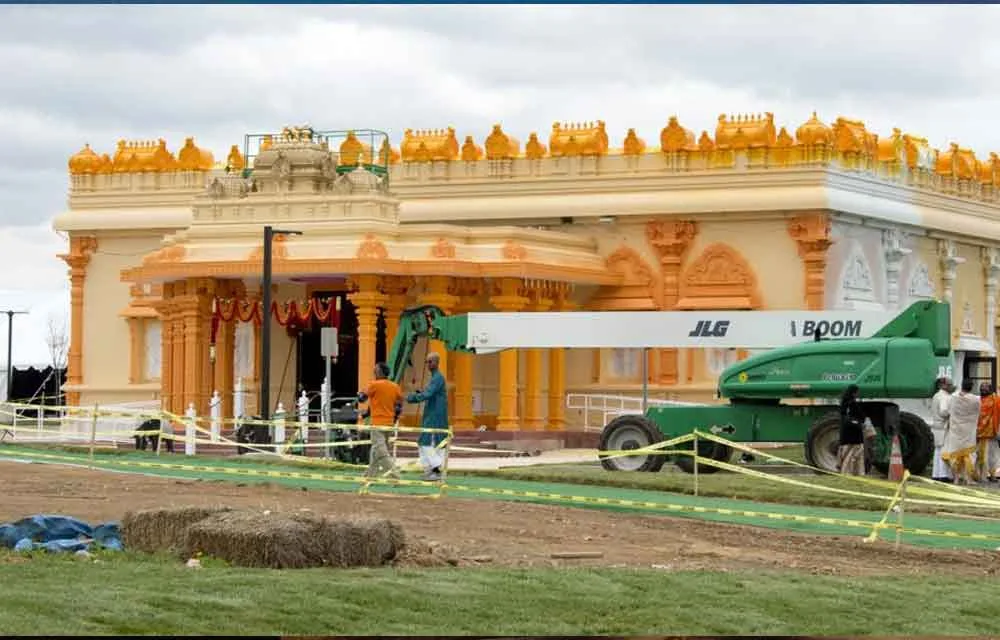
Sri Bhakta Anjaneya Temple, Frederick, MD 📍 Location: Sri Bhakta Anjaneya Temple, Frederick, MD 💼 Job Type: Full-Time 💰 Salary: Competitive, commensurate…
Sri Bhakta Anjaneya Temple, Frederick, MD
📍 Location: Sri Bhakta Anjaneya Temple, Frederick, MD 💼 Job Type: Full-Time 💰 Salary: Competitive, commensurate with experience ($40,000–$80,000 annually) 📅 Deadline: Open until filled
🙏 Job Overview
Sri Bhakta Anjaneya Temple in Frederick, Maryland, seeks a dedicated Hindu Priest to lead spiritual activities for our vibrant community. This full-time role emphasizes Vedic rituals, temple ceremonies, and spiritual guidance, with special devotion to Lord Hanuman.
If you are an ordained priest passionate about serving the Hindu community in the USA, join us to foster spiritual growth and cultural unity!
🔥 Key Responsibilities
- Daily Worship: Conduct pujas, archana, homams, and Vedic rituals for Lord Hanuman, Ganesha, Venkateswara, Shiva & other deities
- Major Festivals: Lead Hanuman Jayanti, Diwali, and significant religious events
- Life Sacraments: Perform weddings, naming ceremonies, and samskaras
- Spiritual Guidance: Provide compassionate counseling to devotees
- Temple Maintenance: Ensure sanctity of deities and premises
- Community Programs: Collaborate on cultural and educational initiatives
✅ Key Requirements
🌟 Why Join Us?
- Serve a devoted Hanuman-centered community
- Preserve authentic Vedic traditions in Maryland
- Supportive environment with spiritual leadership opportunities
- Make a lasting impact through worship & education
📋 How to Apply
Submit to: info@bhaktaanjaneya.org Subject: Hindu Priest Application –
Process: Rolling review → Interviews → Ritual demonstration
🏛️ About Our Temple
Sri Bhakta Anjaneya Temple is a spiritual hub in Frederick, MD, dedicated to Lord Hanuman and Hindu deities. We host daily worship, festivals, and programs serving the greater Washington, DC area.
📞 Contact Info Address: 6201 New Hampshire Ave NE, Frederick, MD 21703 Email: info@bhaktaanjaneya.org Phone: (301) 576-3570 Website: www.bhaktaanjaneya.org
🚀 Ready to lead our community in devotion to Lord Hanuman? Apply today and become part of our sacred mission!
What Does a Hindu Priest Actually Do in a Temple Setting?
A Hindu priest, known traditionally as a pujari or archaka, serves as the ritualistic intermediary between the deity and the devotee. In a temple dedicated to Lord Hanuman, this means performing the Pancha Kala Puja — a five-fold daily worship cycle that includes Thiruvanandal (early morning awakening), Kalasanthi (morning worship), Uchikalam (midday), Sayarakshai (evening), and Ardha Jamam (night). Each session involves specific offerings, recitations from the Vedas and Agamas, and proper consecration of water, flowers, incense, and food.
Beyond daily worship, the archaka at Sri Bhakta Anjaneya Temple is responsible for performing the sixteen Shodashopachara upacharas — the sixteen forms of service to the deity — which range from Avahana (invocation) to Visarjana (ceremonial release). Proficiency in Vaishnava, Shaiva, and Hanuman-specific liturgical texts such as the Sundara Kanda of the Valmiki Ramayana and the Hanuman Chalisa tradition is essential for authentically serving the multiple shrines within the temple complex.
Why Is Lord Hanuman Central to This Temple's Spiritual Identity?
Lord Hanuman, celebrated in the Valmiki Ramayana and the Ananda Ramayana as the supreme Bhakta (devotee) of Sri Rama, occupies a unique theological position in Sanatana Dharma. He is simultaneously a Chiranjeevi (immortal being), a Rudra avatar according to the Shiva Purana, and a symbol of Navavidha Bhakti — the nine forms of devotion. His Panchamukha (five-faced) form, enshrining Hanuman, Narasimha, Garuda, Varaha, and Hayagriva, is particularly venerated for protection and liberation.
The name 'Bhakta Anjaneya' directly invokes Hanuman's identity as the son of Anjana Devi, emphasizing his role as the ideal devotee rather than merely a deity of strength. This framing shapes the temple's worship culture — devotees come not only for blessings of courage and health but for guidance on the path of surrender and service (dasya bhakti). The priest's role here is therefore deeply pastoral: connecting worshippers to Hanuman's qualities of selfless service, celibacy, scholarship, and unwavering devotion to Rama.
What Qualifications and Training Does Vedic Priesthood Require?
Traditional Vedic priestly training occurs through a Gurukula system or through recognized institutions such as the Rashtriya Sanskrit Vidyapeetha or state-level Sanskrit academies in India. A qualified archaka is typically trained in one of the four Vedic shakhas (branches) — Rigveda, Yajurveda, Samaveda, or Atharvaveda — and must demonstrate proficiency in correct svara (tonal accent) during Vedic recitation, which carries significant liturgical authority.
For temple service in the Agamic tradition, particularly in South Indian temples serving communities in the diaspora, priests often hold training in either the Shaiva Agamas (28 in number, including texts like Kamika and Karana Agamas) or the Vaishnava Pancharatra Agamas. Competency in performing samskaras — the sixteen life-cycle sacraments from Garbhadana (conception) to Antyesti (last rites) — is mandatory for a full-time temple priest serving a residential community in the United States.
What Is the Significance of the Samskaras a Temple Priest Performs?
The word samskara derives from the Sanskrit root 'sam + kara,' meaning 'that which refines or perfects.' The Grihyasutras, particularly the Ashvalayana and Paraskara Grihyasutras, codify sixteen primary samskaras that mark every major threshold of human life. When a priest at Sri Bhakta Anjaneya Temple performs a Namakarana (naming ceremony) or Vivaha (Vedic wedding), he is not merely conducting a ceremony — he is activating specific Vedic mantras believed to purify the subtle body (sukshma sharira) and align the individual's life force with cosmic order (Rita).
In the diaspora context, the temple priest often becomes the sole custodian of these rituals for families who have no access to traditional village priests back in India. This places a significant responsibility on the archaka to adapt ceremonial timing and materials to local conditions while preserving scriptural integrity. The Dharmashastra literature, particularly the Manusmriti and Parashara Smriti, does provide provisions for desa (place) and kala (time) adaptations — a principle that informed Hindu priestly practice has always acknowledged.
How Does This Role Serve the Hindu Diaspora Community in Maryland?
The Washington, DC metropolitan area — encompassing Frederick, Maryland — is home to one of the largest and most diverse South Asian Hindu populations on the East Coast. For many families, the local temple is not merely a place of worship but the primary institution preserving language, classical arts, religious education (Balavihar programs), and intergenerational cultural identity. The priest at Sri Bhakta Anjaneya Temple functions as a community anchor, often counseling families through grief, guiding youth through spiritual questions, and conducting classes on the Ramayana, Bhagavad Gita, and Sanskrit chanting.
Hindu temples in the United States operate under a unique model where a single priest frequently must be fluent across multiple regional liturgical traditions — Telugu, Tamil, Kannada, Hindi, and Gujarati communities may all worship at the same temple. This demands not only ritual versatility but also genuine interpersonal sensitivity. The temple's salary range of $40,000–$80,000 reflects a growing recognition within American Hindu institutions that professional, trained priests deserve compensation commensurate with their expertise and the essential community services they provide.
What Does the Application and Selection Process Typically Involve?
Most American Hindu temples follow a three-stage selection process for priests: a documentary review of training credentials and experience, a personal or video interview with the temple's Board of Trustees and spiritual committee, and a live ritual demonstration. The demonstration typically involves performing a Ganapati puja or Abhishekam on-site so that committee members — often including experienced devotees and visiting senior priests — can assess the candidate's accuracy of mantra recitation, ritual procedure, and demeanor before the deity.
Sri Bhakta Anjaneya Temple's rolling application process (submitted to info@bhaktaanjaneya.org) reflects best practices among well-administered diaspora temples. Candidates are encouraged to include documentation of any Agama training, a list of samskaras they are qualified to perform, and references from previous temples or gurukulas. Fluency in Telugu is particularly advantageous given the temple's community base, though the ability to serve devotees across linguistic backgrounds will always strengthen an application.
Frequently Asked Questions
What is the salary for the Hindu priest job in Frederick, Maryland?
The full-time role at Sri Bhakta Anjaneya Temple lists a competitive salary commensurate with experience, in the range of $40,000–$80,000 annually. The deadline is open until filled.
How do I apply for the priest position at Sri Bhakta Anjaneya Temple?
Email your application to info@bhaktaanjaneya.org with the subject "Hindu Priest Application". The process is a rolling review, then interviews, then a ritual demonstration.
What does the ritual demonstration involve?
Candidates typically perform a Ganapati puja or Abhishekam on-site so the committee can assess mantra accuracy, ritual procedure and demeanor. The review usually follows a credentials check and an interview.
What does a temple priest do day to day?
The priest conducts pujas, archana, homams and Vedic rituals for deities such as Hanuman, Ganesha, Venkateswara and Shiva. The role also covers festivals like Hanuman Jayanti and Diwali, weddings, naming ceremonies, spiritual counseling and temple upkeep.
Is Telugu required for this priest role?
Fluency in Telugu is particularly advantageous given the temple's community base. Being able to serve devotees across linguistic backgrounds will also strengthen an application.
What should I include in my application?
Include documentation of any Agama training, a list of the samskaras you are qualified to perform, and references from previous temples or gurukulas.
You might also like
Hindu Priest Jobs New Zealand 2026 — Auckland, Wellington, Christchurch Vacancies & NZ Religious Worker Visa Guide
Hindu Priest Jobs Malaysia 2026 — Batu Caves, KL, Penang Vacancies & Tamil Hindu Career Guide
Hindu Priest Jobs Germany 2026 — Frankfurt, Munich, Berlin Pandit Vacancies & Visa Guide