Ayodhya’s Ram Mandir Gates to Be Named After Great Saints
A Divine Tribute to the Pillars of Sanatan Dharma In a spiritually resonant move, the Shri Ram Janmabhoomi Teerth Kshetra Trust announced on June 7, 2025, that…
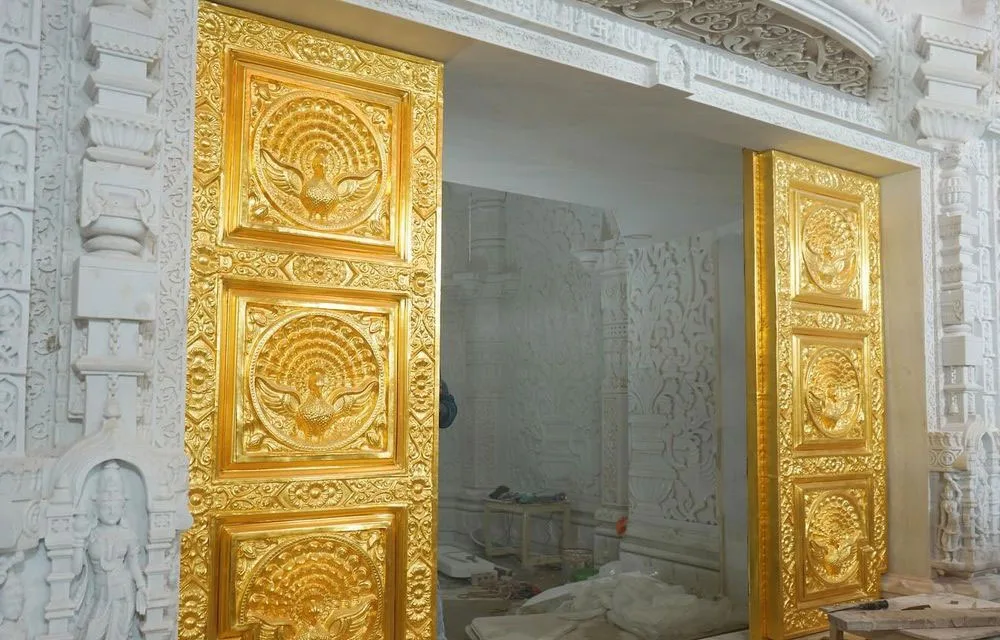
A Divine Tribute to the Pillars of Sanatan Dharma In a spiritually resonant move, the Shri Ram Janmabhoomi Teerth Kshetra Trust announced on June 7, 2025, that…
A Divine Tribute to the Pillars of Sanatan Dharma
In a spiritually resonant move, the Shri Ram Janmabhoomi Teerth Kshetra Trust announced on June 7, 2025, that the four main gates of the Ram Mandir in Ayodhya will be named in honor of legendary saints who shaped the philosophical foundation of Sanatan Dharma.
This symbolic gesture reaffirms the temple's role not just as a place of worship, but as a living monument to Bharat’s eternal spiritual heritage.
Likely Names of the Four Main Gates:
- Jagadguru Ramanujacharya Gate
- Adi Shankaracharya Gate
- Madhvacharya Gate
- Ramanandacharya Gate
These saints represent the diverse yet harmonious streams of Hindu thought—Advaita, Dvaita, Vishishtadvaita, and Bhakti—each a beacon guiding seekers through the spiritual landscape of India for over a millennium.
Spiritual Unity in Philosophical Diversity
The decision to name the temple gates after these four Acharyas is deeply symbolic. It sends a message of unity in diversity, celebrating the rich mosaic of Sanatan Dharma:
Jagadguru Ramanujacharya: Advocate of Vishishtadvaita Vedanta, which teaches that the soul and God are distinct yet inseparable—bound by divine love and devotion to Lord Vishnu.
Adi Shankaracharya: Founder of Advaita Vedanta, who illuminated the profound truth of non-duality—that the soul (Atman) and the absolute reality (Brahman) are one and the same.
Madhvacharya: Propounder of Dvaita Vedanta, emphasizing the eternal duality between the individual soul and God, particularly Lord Krishna, and the path of unwavering devotion.
Ramanandacharya: A pioneer of the Bhakti movement, who championed devotion to Lord Ram and opened the doors of spirituality to all sections of society, transcending caste and social divisions.
These names are yet to be officially confirmed, but the intent is clear: to anchor the Ram Mandir in both faith and philosophical wisdom.
The Ram Mandir: A Living Legacy of Devotion
Inaugurated on January 22, 2024, by Prime Minister Narendra Modi, the Ram Mandir stands as a symbol of national unity, cultural revival, and unshakable devotion.
Built in the traditional Nagara architectural style, the temple features exquisite sandstone carvings and spiritual motifs that narrate the timeless glory of Lord Ram.
As of March 2025, the temple is 96% complete, and the upcoming naming of the gates adds a deeper spiritual resonance to this architectural marvel. It embodies the eternal spirit of Dharma, Bhakti, and Jnana—righteousness, devotion, and knowledge.
According to News18 Hindi, the move will enhance the spiritual gravity of the temple complex, making Ayodhya an even more powerful pilgrimage center.
Ayodhya’s Grand Vision: From Pilgrimage to Cultural Capital
The Ram Mandir is at the heart of a larger vision for Ayodhya—transforming the ancient city into a global center of spiritual and cultural consciousness.
- Seven Sub-Temples are being built within the complex, honoring saints like Sant Tulsidas, the author of the Ramcharitmanas, whose temple is set to be inaugurated on Ram Navami (April 6, 2025).
- Over 16 crore devotees visited Ayodhya in 2024 alone, testifying to its growing spiritual magnetism.
- The temple complex features 50 LCD screens to display key events like the Surya Tilak on Ram Navami, ensuring no devotee misses the divine experience.
- Temple Timings: Open daily from 6 AM to 10 PM, offering darshan and spiritual engagement throughout the day.
More Than Architecture: A Spiritual Rebirth
Naming the temple gates is more than ceremonial—it’s a celebration of Bharat’s spiritual rebirth. As one user on X poignantly noted:
“This is not just architecture—it’s Bharat’s spiritual resurgence etched in stone and soul.”
These gates will stand for centuries as guardians of Dharma, welcoming devotees to not just witness history, but to live it—through prayer, philosophy, and purpose.
Conclusion: Honoring the Light-Bearers of Dharma
The Ram Mandir gates, named after Ramanuja, Shankara, Madhva, and Ramananda, will serve as eternal tributes to saints who have illuminated the path for countless seekers.
As Ayodhya rises to its rightful place on the global spiritual map, these gates will remind every devotee that true liberation lies in knowledge, surrender, and love for the Divine.
At HinduTone, we see this as more than a headline—it is a testament to Bharat’s dharmic resurgence.
Let these gates open not just to pilgrims—but to the awakening of collective consciousness.
Jai Shri Ram | Sanatan Dharma Ki Jai
How to Reach — Travel Guide — Ayodhya Sri Ram Janmabhoomi Mandir
✈️ By Flight
Maharishi Valmiki International Airport, Ayodhya (AYJ, ~10 km from Ram Mandir) opened in 2024 with daily flights from Delhi, Mumbai, Bengaluru, Ahmedabad, Kolkata. Lucknow CCS Airport (LKO, 150 km) is an alternative with wider connectivity.
🚂 By Train
Ayodhya Dham Junction (AY, ~3 km from Ram Mandir) is the main station, modernised in 2024. Major trains: Vande Bharat (New Delhi), Saryu Express, Ayodhya Express, Begampura Express. Ayodhya Cantt (3 km) is the second station.
🚌 By Bus
Ayodhya UPSRTC Bus Stand is ~2 km from the Ram Mandir. Frequent services from Lucknow (3 hrs, every 15 min), Varanasi (5 hrs), Gorakhpur (3 hrs), Allahabad/Prayagraj (5 hrs), Delhi (12 hrs Volvo overnight). Special yatri services run during festivals.
🚗 By Road / Car
On NH-330. From Lucknow (135 km), Varanasi (210 km), Gorakhpur (130 km), Prayagraj (170 km), Delhi (640 km). Inside Ayodhya, e-rickshaws and battery vehicles connect Ram Mandir, Hanuman Garhi, Kanak Bhavan and the ghats; cars park at designated lots outside the temple zone.
Best Places to Visit Near Ayodhya Sri Ram Janmabhoomi Mandir
Combine your darshan at Ayodhya Sri Ram Janmabhoomi Mandir with these well-known nearby attractions for a complete pilgrimage and travel experience:
Hanuman Garhi (1 km from Ram Mandir) — the hilltop fortress-temple of Lord Hanuman; tradition holds Hanuman darshan precedes Ram darshan.
Kanak Bhavan (500 m) — the gold-and-jewel palace gifted to Sita by Kaikeyi; one of the most beautiful temples in Ayodhya.
Ram Ki Paidi & Saryu Ghat (2 km) — the riverfront ghats where the Deepotsav festival lights lakhs of diyas.
Sita Ki Rasoi (within Ram Mandir complex) — symbolic kitchen of Mata Sita.
Treta Ke Thakur (1.5 km) — temple housing idols said to be from the Treta Yuga.
Nageshwarnath Temple (2 km) — Shiva temple founded by Lord Rama's son Kush.
Choti Devkali Mandir (1 km) — the Devi temple Sita worshipped on her wedding journey.
All distances are approximate; please verify on Google Maps and check current road, weather and local conditions before travelling. For latest darshan timings and special pilgrim arrangements, refer to the temple's official authority website.
Frequently Asked Questions
Where is Ayodhya’s Ram Mandir Gates to Be Named After Great located?
A Divine Tribute to the Pillars of Sanatan Dharma In a spiritually resonant move, the Shri Ram Janmabhoomi Teerth Kshetra Trust announced on June 7, 2025 , that the four main gates of the Ram Mandir in Ayodhya will be named in honor of legendary saints who shaped the philosophical foundation of Sanatan Dharma . This symbolic gesture reaffirms the temple's ro
Who is the presiding deity of Ayodhya’s Ram Mandir Gates to Be Named After Great?
The presiding deity is Lord Rama.
What are the timings and how do I reach Ayodhya’s Ram Mandir Gates to Be Named After Great?
Temples typically open early morning and evening; confirm current darshan timings before visiting. The nearest airport, railway station and road routes are covered in the guide above.
What is the best time to visit Ayodhya’s Ram Mandir Gates to Be Named After Great?
Major festival days and the cooler months are popular, though weekday mornings offer a calmer darshan. Plan around the temple's key festivals for the most vibrant experience.
You might also like

Shani Deva Temples Worldwide & Must-Performed Rituals — Complete Devotee's Guide

Divine Hindu Temple News, Festivals & Global Devotion in Jyeshtha Adhik Maas 2026

Sacred Hindu Festivals & Temple News: Divine Week — May 2026