


Somnath Temple: The First and Most Powerful Jyotirlinga – Rebuilt 17 Times Yet Eternal Protector
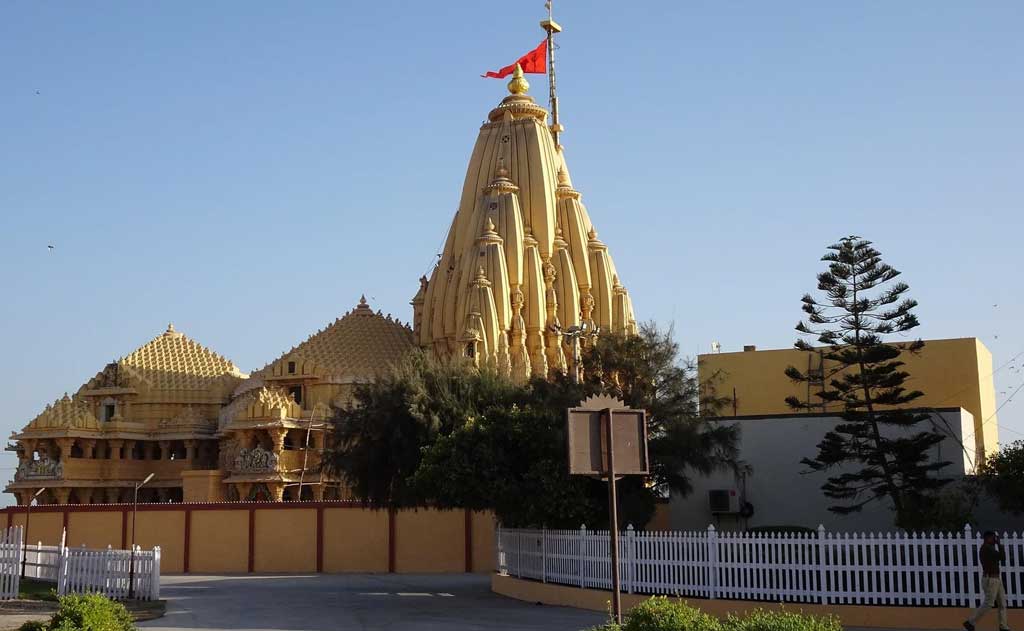
Nestled on the western shores of Gujarat in Prabhas Patan, near Veraval, the Somnath Jyotirlinga Temple stands as a timeless beacon of faith. As the first among the 12 sacred Jyotirlingas—where Lord Shiva manifested as an infinite pillar of radiant light—Somnath holds a profound place in Hindu spirituality. Known as the “Shrine Eternal,” it draws spiritual tourists seeking divine energy, inner strength, and protection from negativity. The temple’s location by the Arabian Sea creates an unforgettable experience: the rhythmic crash of waves against the shore merges seamlessly with the chants and bells of devotion, as if the ocean itself pays homage to Shiva’s divine presence.
The Mythical Origins: Protector of the Moon
The name Somnath translates to “Lord of the Moon” or “Lord of Soma,” rooted in a powerful legend from Hindu scriptures like the Shiva Purana. Long ago, the Moon God, Chandra (also called Soma), married the 27 daughters of Daksha Prajapati, representing the lunar constellations (nakshatras). However, Chandra favored only Rohini, neglecting the others. Enraged, Daksha cursed his son-in-law, causing the moon to lose its luster and gradually fade into darkness—a curse that explains the moon’s waxing and waning phases.
In despair, Chandra descended to this sacred site at Prabhasa (meaning “place of splendor”) with Rohini. He performed intense penance, bathing in the holy Saraswati River (part of the Triveni Sangam with the Hiran and Kapila rivers) and praying fervently to Lord Shiva. Moved by his devotion, Shiva appeared as a Jyotirlinga and relieved the curse partially: the moon would wane but always wax again, regaining its brilliance through divine grace. In gratitude, Chandra erected the first temple here, said to be made of gold, enshrining the Jyotirlinga as Somnath—the eternal protector of the moon.
This legend imbues Somnath with immense spiritual potency. Devotees believe worship here grants strength, prosperity, mental clarity, and protection from negative energies, much like how Shiva restored the moon’s light. For spiritual tourists, standing before the black stone lingam—adorned with a crescent moon symbol—feels like connecting to cosmic cycles of renewal and resilience.
A History of Destruction and Rebirth
Somnath’s history mirrors its divine essence: indestructible faith prevailing over adversity. Ancient texts and archaeological evidence suggest the site has been sacred since early centuries, with structures dating back potentially to the 1st millennium CE. The temple was rebuilt multiple times after invasions, with popular tradition holding it was destroyed and reconstructed 17 times—a testament to its enduring sanctity.
Notable destructions include raids by Mahmud of Ghazni in 1026 CE, who plundered its wealth, and later attacks by Alauddin Khilji, Zafar Khan, and even Aurangzeb in the 17th century. Each time, the temple fell, yet devotion rebuilt it stronger.
Post-independence, a pivotal chapter unfolded. In 1947, Sardar Vallabhbhai Patel, India’s first Deputy Prime Minister, visited the ruins and resolved to restore it as a symbol of national pride and cultural revival. With support from K.M. Munshi and others, the present temple was reconstructed in the traditional Māru-Gurjara (Chaulukya or Solanki) style. The pran-pratishtha (consecration) occurred on May 11, 1951, presided over by President Dr. Rajendra Prasad. This modern rebirth transformed Somnath into a living emblem of resilience, drawing millions who see it as proof that truth and dharma endure.
Majestic Architecture and Sacred Rituals
The current Somnath Temple exemplifies classic Hindu temple architecture with intricate carvings, a towering shikhara (spire), and honey-colored stone that glows warmly against the sea backdrop. The sanctum (garbhagriha) houses the revered Jyotirlinga, approached through mandapas with ornate ceilings and pillars. The design blends spiritual symbolism with aesthetic grandeur, creating an atmosphere of serenity and power.
Daily rituals immerse visitors in devotion. The temple opens early, with aartis at 7:00 AM (morning), 12:00 PM (midday), and especially the evening aarti around 7:00 PM—a highlight for spiritual tourists. As the sun sets, priests perform the aarti with lamps, bells, conch shells, and Vedic chants. The intense energy is palpable: the collective devotion, fragrant incense, and rhythmic hymns create a transcendent vibration. Standing amid this, with the Arabian Sea’s waves providing a natural symphony, many feel a surge of inner peace and empowerment—as if Shiva’s protective energy washes away negativity.
A nearby sound-and-light show narrates the temple’s history, adding educational depth. Special pujas like Rudrabhishek, abhishekam with milk and sandalwood (sourced from Haridwar), and offerings of flowers from Kashmir enhance the experience.
Prabhas Patan: The Sacred Surroundings
The temple lies in Prabhas Patan, an ancient tirtha kshetra rich in mythology. Explore the Triveni Sangam for a holy dip, believed to cleanse sins. Nearby sites include Bhalka Tirth, where Lord Krishna is said to have shed his mortal form, and the Prabhas Patan Museum, displaying ancient relics and sculptures from the temple’s past. The Arrow Pillar (Baan Stambh) marks the temple’s unique position, with an inscription noting no land between here and the South Pole—adding geographic mystique.
For spiritual tourists, Somnath offers more than darshan; it’s a journey of renewal. The sea’s eternal rhythm echoes Shiva’s timeless protection, reminding visitors that challenges pass, just as the moon waxes anew.
Why Visit Somnath? Embrace Inner Power
In a world of chaos, Somnath invites you to reconnect with divine strength. As the first Jyotirlinga, it radiates unparalleled energy—granting prosperity, courage, and shielding from negativity. The evening aarti’s intensity often leaves pilgrims transformed, carrying home a spark of Shiva’s light.
If you’re drawn to powerful Shiva temples in Gujarat or embarking on spiritual tourism in Somnath, this is essential. Plan your visit during cooler months (October–March) for comfort. For more inspiration, explore our guide to 10 Must-Visit Lord Shiva Temples: A Divine Journey Through India’s Sacred Sites or other Shiva-related articles on Hindutone.
Come to Somnath. Let the waves meet Shiva’s grace within you. Experience the eternal protector—rebuilt 17 times, yet forever standing. Your soul will thank you.
Related posts:
 Modernizing Hindu Temples Without Losing Tradition
 Mercury Temple Thiruvenkadu: Rituals, Offerings & Pilgrim Guide
 Rare Dhanurmasam Temples in Tamil Nadu, Andhra Pradesh & Telangana: A Sacred Pilgrimage Guide
 Top Vishnu Temples in the USA Celebrating Vaikuntha Ekadashi
 6 Sacred Temples Celebrating Vaikuntha Ekadashi in South Africa
 Sabarimala 2025 Highlights: Grand Mandala-Makaravilakku Season & Devotional Events


 ︎
︎

