Thousand Pillar Temple
History and Architecture of Thousand Pillar Temple. A magnificent example of architectural excellence during the reign of the great Kakatiya rule is the…
History and Architecture of Thousand Pillar Temple.
History and Architecture of Thousand Pillar Temple.
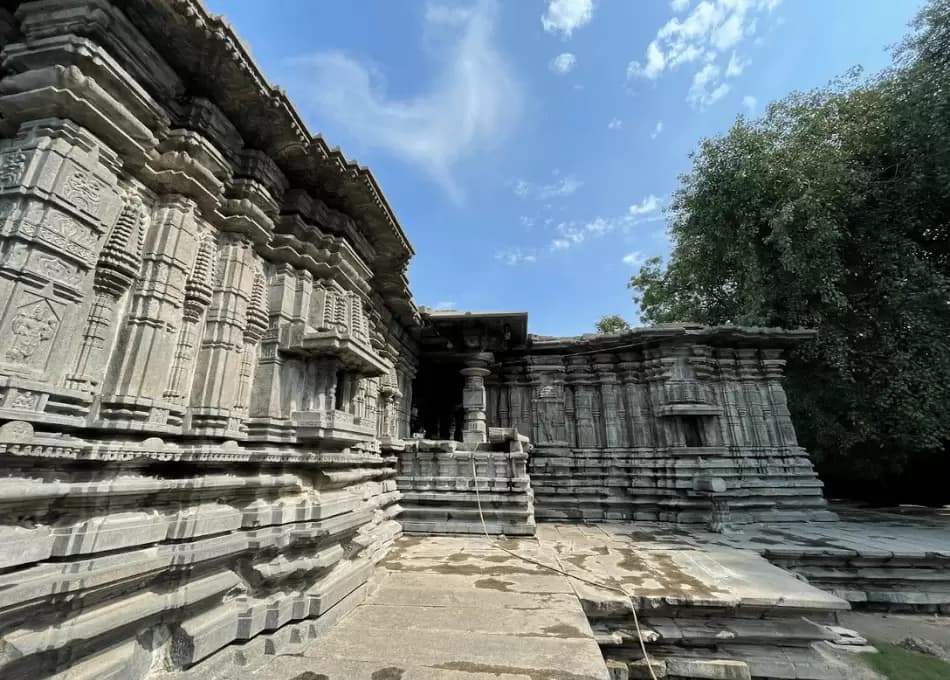
A magnificent example of architectural excellence during the reign of the great Kakatiya rule is the Thousand Pillar temple. It is a place not only for devotees but for every history lover and architecture lover. A must visit place in the Warangal district of Telangana. This architectural beauty attracts with its structural beauty as well as will leave you fascinated with its historical importance. This grand temple was built in the 12th century by King Rudra Deva and is dedicated to Lord Shiva. It is named “Sri Rudreshwara Swamy” Temple, it has been built in the style of Chalukyan architecture temples. As the name itself suggests, this temple boasts many beautifully carved pillars. Temple’s rock-cut elephant sculpture, a massive monolith of Nandi of Lord Shiva’s divine vehicle, complex carvings will leave one mesmerized with its beauty. This thousand pillar temple is now managed by the Archaeological Survey of India. The temple was renovated by Government of India in the year 2004 and has been declared as a protected monument for tourists and devotees. Another thing that makes the temple even more attractive is its good maintenance and cleanliness. One of the interesting aspects of the Thousand Pillar Temple is that here the third deity is not Lord Brahma, one of the Trinity. The Lord Surya or Sun God is being worshipped as the third deity of the trinity. Let us discuss the temples beautifully carved architecture. This thousand pillar temple is constructed during the period of 1163 AD which was the reign of King Rudradeva ruling this Warangal city. Thousand Pillar Temple is considered to be a triumph of Vishwakarma Sethupathi of the Kakatiya kingdom. This temple follows an architectural style similar to that of Chalukyan temples. This temple is said to be named after King Rudra Deva himself and hence it is called Sri Rudreshwara Swamy Temple. This temple was built taking the base of Hanamkonda hill and is dedicated to three deities namely Lord Shiva, Lord Vishnu and Lord Surya. There are three different temples, one for each worshipping deity which is called Trikutalayam mean three temples. The temple of Lord Shiva is facing the east direction while the other two temples are facing South and West respectively. The temples of Lord Vishnu and Lord Surya are connected to the main temple of Lord Shiva via a square-shaped mandapam in the middle. The entire structure of the 1000 Pillar Temple is in a star shape. Exceptionally carved pillars support the structure of the temple while pleasing sculptures add exquisiteness to the walls. Another factor that adds to the beauty of 1000 Pillar Temple is that the well-maintained garden that surrounds the temple. People can also find many small Shiva Lingams in the garden. This Thousand Pillar Temple suffered to ruins by the invasion of the Tughlaq Dynasty but stood still. In this article, we have discussed the history and architecture of the 1000 pillar temple. This amazing temple marks the best tourist spots in Telangana to be visited and worshipped. Do visit it with your family and friends at your weekends as it is of one to two hours journey from Hyderabad.
Why is Lord Surya worshipped instead of Lord Brahma at this temple?
In most Shaiva temples across India, the trinity of Brahma, Vishnu, and Shiva is venerated together. The Thousand Pillar Temple at Hanamkonda, however, breaks this convention by enshrining Lord Surya — the solar deity — as the third deity alongside Lord Shiva (Sri Rudreshwara Swamy) and Lord Vishnu. This unique theological choice reflects a syncretic tradition that was especially prominent in the Kakatiya court, where solar worship held royal significance.
The Kakatiyas traced their lineage and legitimacy partly through solar symbolism, and the inclusion of Surya in the sanctum reinforced the divine authority of the ruling dynasty. This practice finds scriptural support in texts such as the Saura Upanishad and the Surya-related hymns of the Rigveda (Mandala 1, Hymn 50), which extol Surya as the visible form of the Supreme. The three separate shrines facing east, north, and west are dedicated to these three deities, making each shrine independently accessible for worship.
What makes the star-shaped platform and pillar carvings architecturally extraordinary?
The Thousand Pillar Temple is built on a stellate — or star-shaped — platform known as a jagati, a hallmark of Kakatiya architectural planning. This geometric base creates a rhythmic series of projections and recesses that travel upward through the entire superstructure, giving the temple its characteristic dynamic visual energy. The same stellate plan is seen in other Kakatiya constructions such as the Ramappa Temple at Palampet, which was designated a UNESCO World Heritage Site in 2021.
The temple's 1,000 intricately carved pillars — from which it derives its popular name — are fashioned from black basalt and polished to a near-mirror finish, a technique that Kakatiya craftsmen mastered to an exceptional degree. Each pillar is carved with scrolling foliage, mythological figures, and geometric patterns without the use of mortar or binding agents, relying entirely on precision dry-fitting. The ceilings above clusters of these pillars form elaborate bracket-and-beam assemblies that distribute weight elegantly while creating visually stunning rosette patterns from below.
Who was King Rudradeva and what was his place in the Kakatiya dynasty?
King Rudradeva, also known as Prola II or Rudra I, ruled the Kakatiya kingdom approximately from 1158 CE to 1195 CE, making him one of the earliest and most consequential monarchs of the dynasty. He is credited with formally elevating the Kakatiyas from a feudatory power under the Western Chalukyas of Kalyani to an independent sovereign kingdom, establishing Warangal (then called Orugallu or Ekasila Nagaram) as the capital. The construction of Sri Rudreshwara Swamy Temple in 1163 CE stands as the most enduring monument of his reign.
Rudradeva was also a scholar and is believed to have authored the Sanskrit work Nitisara, a treatise on statecraft and ethics. His patronage of temple construction was not merely religious but also political — grand temple complexes served as centres of administration, learning, and economic activity in medieval Telangana. The temple's very name, Sri Rudreshwara, is a Sanskrit compound combining the king's own name 'Rudra' with 'Ishwara' (Lord Shiva), making the dedication simultaneously devotional and dynastic.
What is the significance of the Nandi monolith and the rock-cut elephant at the temple?
The massive Nandi sculpture at the Thousand Pillar Temple is carved from a single block of black granite, making it one of the larger monolithic Nandi figures in the Deccan region. In Shaiva theology, Nandi (Nandikeshvara) is the divine gatekeeper and primary devotee of Lord Shiva, described in detail in the Shiva Purana as the one through whom all prayers must first pass before reaching Shiva. The Nandi here faces the main sanctum of Sri Rudreshwara Swamy, maintaining the canonical orientation prescribed in Agamic temple-building texts (Agamas).
The rock-cut elephant sculptures at the base of the temple serve both aesthetic and symbolic purposes. Elephants (gaja) represent Ganesha's presence, auspiciousness, and royal power in Hindu iconographic tradition, and their placement at the base of temple walls — a motif called gajapitha — is described in the Manasara and Mayamata, ancient Sanskrit treatises on architecture (Vastu Shastra). At Hanamkonda, these elephants appear to support the entire structure symbolically, reinforcing the idea that the temple rests on a foundation of strength, prosperity, and divine protection.
How does the Thousand Pillar Temple relate to other Kakatiya heritage sites in Telangana?
The Thousand Pillar Temple at Hanamkonda is best understood as part of a broader constellation of Kakatiya monuments spread across what is now Telangana. The Warangal Fort, located a few kilometres away, contains the famous Kakatiya Kala Thoranam — the ornamental gateway that is now the official emblem of Telangana state. The Ramappa Temple (Sri Ramalingeswara Swamy Temple) at Palampet, built by Kakatiya general Recharla Rudra in 1213 CE during the reign of Ganapati Deva, shares the same Kakatiya architectural vocabulary of stellate platforms, polished basalt pillars, and bracket figures.
Together, these sites illustrate how the Kakatiya rulers systematically used temple construction as a means of territorial expression and cultural consolidation across the region. The Archaeological Survey of India has designated the Thousand Pillar Temple a centrally protected monument, and it appears on the itineraries of the Telangana Tourism Department's heritage circuits. Visiting the temple alongside the Warangal Fort and Ramappa Temple provides a comprehensive understanding of Kakatiya civilisation at its architectural and political peak between the 12th and 14th centuries CE.
Frequently Asked Questions
Where is Thousand Pillar Temple located?
History and Architecture of Thousand Pillar Temple. A magnificent example of architectural excellence during the reign of the great Kakatiya rule is the Thousand Pillar temple.
Who is the presiding deity of Thousand Pillar Temple?
The temple's presiding deity and its significance are described in the guide above.
What are the timings and how do I reach Thousand Pillar Temple?
Temples typically open early morning and evening; confirm current darshan timings before visiting. The nearest airport, railway station and road routes are covered in the guide above.
What is the best time to visit Thousand Pillar Temple?
Major festival days and the cooler months are popular, though weekday mornings offer a calmer darshan. Plan around the temple's key festivals for the most vibrant experience.
You might also like
Janmashtami 2026 in India: Date, Rituals & Top Temples to Visit
Angkor Wat: Divine Mysteries & Soul-Stirring Miracles of Lord Vishnu's Cosmic Temple
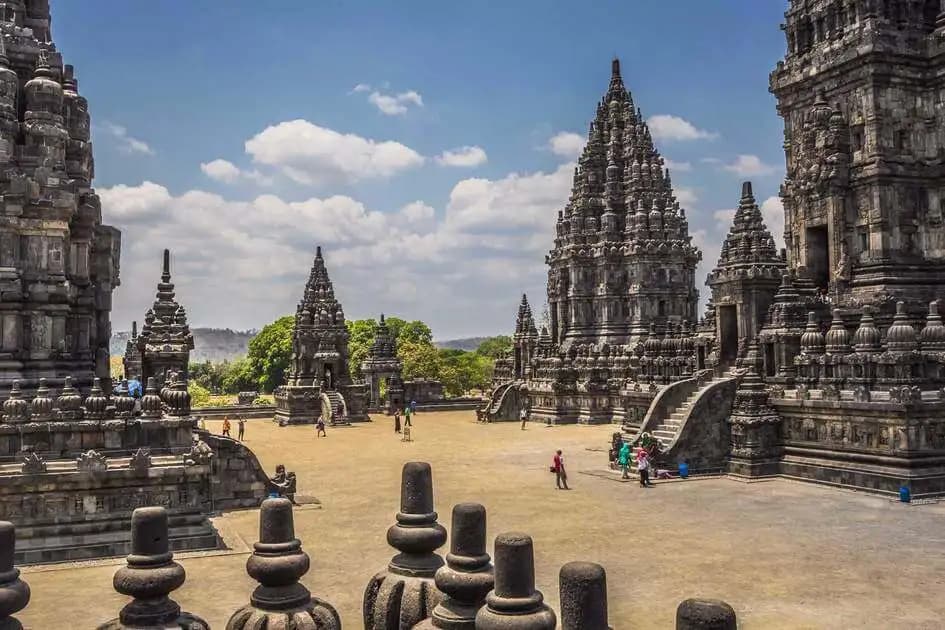
Prambanan: Divine Mysteries & Soul-Stirring Miracles of the Trimurti in Indonesia