Top 10 Saraswathi Devi Temples in India: Complete Pilgrimage Guide to Sharadamba, Koothanur, Basara, Pushkar & More
India’s most revered Saraswathi temples — Sharada Peeth at Sringeri, Koothanur in Tamil Nadu, Gnana Saraswathi at Basara, Pushkar, Panachikadu, Kullu, Maa Sharda Maihar, Hampi, Prayagraj’s Triveni Sangam and Uttara Kannada. Full pilgrimage guide with history, rituals, Vidyarambham & travel tips.

India’s most revered Saraswathi temples — Sharada Peeth at Sringeri, Koothanur in Tamil Nadu, Gnana Saraswathi at Basara, Pushkar, Panachikadu, Kullu, Maa Sharda Maihar, Hampi, Prayagraj’s Triveni Sangam and Uttara Kannada. Full pilgrimage guide with history, rituals, Vidyarambham & travel tips.
A pilgrimage guide by HinduTone Editorial · Updated May 21, 2026 · ~15 min read
Introduction: The Goddess of Knowledge & Wisdom
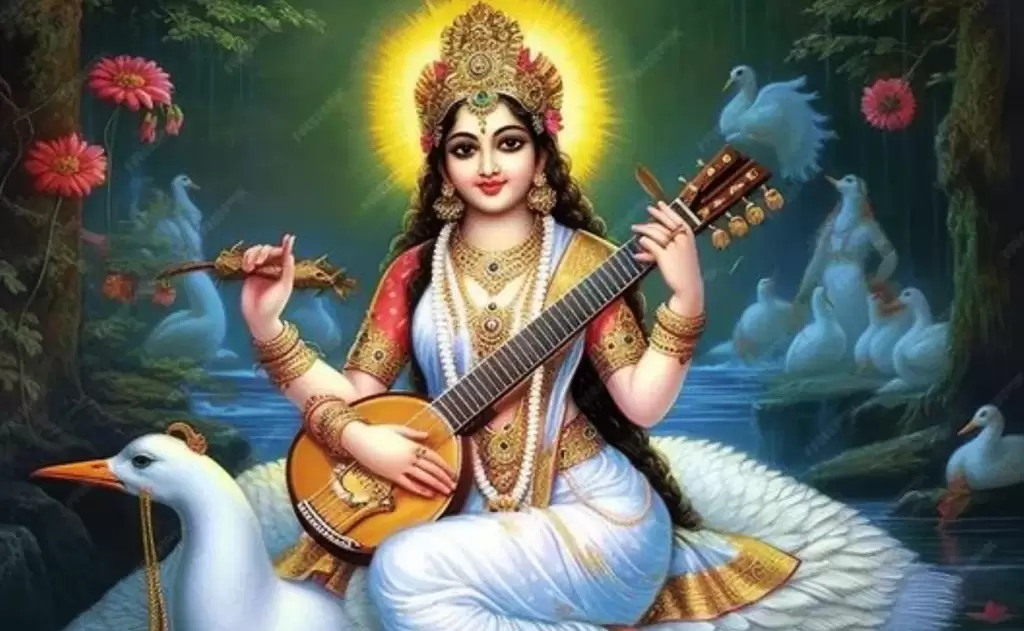
Goddess Saraswathi — also spelled Saraswati — is one of the most beloved and widely worshipped deities in the Hindu pantheon. Revered as the goddess of knowledge, education, wisdom, music, art, speech and learning, she is depicted seated on a white lotus, holding a veena (lute), a book of the Vedas and a mala (rosary) — symbols of creativity, spiritual wisdom and the pursuit of truth.
Saraswathi is part of the Tridevi — the holy trinity of Hindu goddesses — alongside Lakshmi (wealth) and Parvathi (power). Students, artists, musicians, scholars and seekers of all ages pray to her for intellect, eloquence and clarity of mind. Her festival, Saraswathi Puja (Vijayadasami), is celebrated with great devotion across India, especially during Navaratri.
“Ya Devi sarva bhuteshu vidyā-rūpeṇa saṁsthitā — Salutations to the Devi who abides in all beings as Vidya (knowledge).”
India is home to numerous ancient and magnificent temples dedicated to Goddess Saraswathi. Each of these sacred shrines carries centuries of history, mythology and spiritual energy. Whether you are a devotee planning a pilgrimage or a curious traveller, visiting these temples is a deeply enriching experience. In this guide we cover the top 10 Saraswathi Devi temples in India — their significance, history, best time to visit and key rituals.
Quick Reference: Top 10 Saraswathi Temples at a Glance
1. Sharda Peeth (Sharadamba) — Sringeri, Karnataka · best season Sep–Feb
2. Koothanur Saraswathi Temple — Koothanur, Tamil Nadu · Navaratri
3. Gnana Saraswathi Temple — Basara, Telangana · Navaratri
Advertisement4. Saraswathi Temple, Pushkar — Pushkar, Rajasthan · Oct–Mar
5. Panachikadu Saraswathi Temple — Kottayam, Kerala · Vijayadasami
6. Saraswathi Temple, Kullu — Bhuntar, Himachal Pradesh · May–Oct
7. Maa Sharda Temple — Maihar, Madhya Pradesh · Oct–Mar
8. Saraswathi Temple, Hampi — Hampi, Karnataka · Nov–Feb
9. Saraswathi Mandir, Prayagraj — Prayagraj, Uttar Pradesh · Magh Mela Jan–Feb
Advertisement10. Saraswathi Temple, Uttara Kannada — Uttara Kannada, Karnataka · Oct–Mar
The 10 Most Famous Saraswathi Devi Temples in India
1. Sharda Peeth — Sringeri, Karnataka
Sringeri, Chikmagalur District, Karnataka
The Sharadamba Temple at Sringeri is one of the most sacred Saraswathi Devi temples in India. Established by the great philosopher-saint Adi Shankaracharya in the 8th century CE, it is one of the four dhams (cardinal monasteries) he founded to revitalise Hinduism across the subcontinent.
The presiding deity, Sharadamba (a form of Saraswathi), is enshrined in a magnificently sculpted idol carved from crystal (Sphatika). The temple sits on the banks of the sacred Tunga River and is surrounded by lush hills, creating an atmosphere of serene spirituality. The Sringeri Math here remains an important centre of Advaita Vedanta scholarship to this day.
The Navaratri festival is extraordinarily grand — the deity is adorned in nine different forms across nine nights, drawing hundreds of thousands of pilgrims from across India.
Founded: 8th Century CE · Deity: Sharadamba (Saraswathi) · Best Season: Sep – Feb · Key Festival: Navaratri · Nearest City: Shimoga (100 km)
2. Koothanur Saraswathi Temple — Tamil Nadu
Koothanur Village, Papanasam, Thanjavur, Tamil Nadu
The Koothanur Saraswathi Temple is widely considered the most important Saraswathi Devi temple in Tamil Nadu and among the most visited in South India. The presiding deity here is Maha Saraswathi, depicted in a grand, majestic form seated on a lotus throne, holding a veena, book, lotus and japa mala.
What makes this temple extraordinarily special is that it is one of the very few temples in India where Saraswathi is the principal deity — not a subsidiary goddess. The temple receives millions of devotees, especially students appearing for board exams and competitive examinations, who come to seek the goddess’s blessings before and after their exams.
During Navaratri (Saraswathi Puja), the temple witnesses one of the largest pilgrimages in Tamil Nadu, with over 3 lakh devotees visiting on Vijayadasami day alone. The practice of Vidyarambham — initiating young children into the world of learning — is performed here with great reverence.
Deity: Maha Saraswathi · Best Time: Navaratri (Oct) · Nearest Town: Papanasam (8 km) · Special Ritual: Vidyarambham
3. Gnana Saraswathi Temple — Basara, Telangana
Basara, Nirmal District, Telangana
The Gnana Saraswathi Temple at Basara (also spelled Basar) is one of the most famous Saraswathi temples in India and a premier pilgrimage site in Telangana and Andhra Pradesh. According to legend, Sage Vyasa — the author of the Mahabharata — performed penance here, and the goddess Saraswathi herself appeared and blessed the sage on these holy banks of the River Godavari.
The presiding deity Gnana Saraswathi (Goddess of Wisdom) is flanked by Goddess Lakshmi and Kali — making this one of the rare temples enshrining the Tridevi together. The temple complex also houses an idol of Balasaraswathi (child form of the goddess), where parents bring their toddlers for the sacred Akshara Abhyasam (initiation into letters) ceremony.
The temple attracts particularly heavy footfall during Navaratri and on Vijayadasami, when students from Telangana, Andhra Pradesh, Maharashtra and Karnataka flock here.
Location: Godavari Riverside · Legend: Founded by Sage Vyasa · Special Ritual: Akshara Abhyasam · Best Time: Year-round · Nearest City: Nizamabad (70 km)
4. Saraswathi Temple — Pushkar, Rajasthan
Pushkar, Ajmer District, Rajasthan
Pushkar is one of the holiest cities in Hinduism — most famous for the only Brahma Temple in India. But nestled within this sacred town is a beautiful and historically significant Saraswathi Temple that draws thousands of devotees seeking the goddess’s blessings.
The mythology of Pushkar is deeply linked to Saraswathi. Legend holds that when Lord Brahma was performing a yagna (sacred fire ritual) and his consort Saraswathi was absent, he married Gayatri to complete the ceremony. An angered Saraswathi cursed the place — explaining why Brahma temples are rare elsewhere. This divine drama adds a layer of mythological significance that makes the Pushkar Saraswathi Temple a deeply meaningful pilgrimage stop.
The famous Pushkar Camel Fair (Kartik month) draws international tourists and pilgrims alike — making it an excellent time to visit both the Brahma and Saraswathi temples in one trip.
Mythology: Brahma–Saraswathi Legend · Best Time: Oct – Mar · Nearest City: Ajmer (15 km) · Combined Visit: Brahma Temple, Pushkar Lake
5. Panachikadu Saraswathi Temple — Kerala
Panachikadu, Kottayam District, Kerala
Hidden in the tranquil backwaters of Kottayam, the Panachikadu Saraswathi Temple is one of Kerala’s most cherished and ancient Saraswathi shrines. The deity here is known as Panachikadu Bhagavathi — a form of Saraswathi worshipped in the unique Tantric tradition of Kerala.
The temple follows the Kerala Tantra Vidhi (Tantric ritual system) in its daily puja traditions, which adds a distinctive spiritual character. The festival of Saraswathi Puja and Vijayadasami is celebrated with the revered Vidyarambham ceremony — when young children are formally introduced to the world of learning by tracing letters in a plate of rice, guided by the temple’s chief priest.
The serene surroundings of paddy fields and coconut groves make this temple a place of great peace and reflection. It is particularly popular among parents and students across Kerala.
Tradition: Kerala Tantric · Special Ritual: Vidyarambham · Best Time: Vijayadasami (Oct) · Nearest City: Kottayam (20 km)
6. Saraswathi Temple — Kullu / Bhuntar, Himachal Pradesh
Bhuntar, Kullu District, Himachal Pradesh
Nestled in the scenic Kullu Valley amid the Himalayan foothills, the Saraswathi Temple at Bhuntar is a serene mountain shrine that blends natural beauty with spiritual sanctity. It is one of the few dedicated Saraswathi temples in northern India.
The temple’s architecture reflects the distinctive Himachali wooden temple style — with richly carved wooden panels, slate-roofed pagoda-style structure and stone deity images that resonate with ancient Himalayan religious traditions. Devotees from Kullu, Manali and surrounding villages regularly offer prayers here, especially teachers and students.
The Kullu Dussehra Festival — a UNESCO-recognised international event — takes place in the Kullu Valley each October, making it an excellent time to visit the valley and the Saraswathi Temple as part of a broader Himachal pilgrimage.
Architecture: Himachali Wood Style · Best Time: May – Oct · Nearby: Kullu, Manali · Region: Kullu Valley, Himalayas
7. Maa Sharda Temple — Maihar, Madhya Pradesh
Maihar, Satna District, Madhya Pradesh
The Maa Sharda Temple at Maihar is one of the 51 Shakti Peethas and is counted among the most powerful Saraswathi shrines in India. The temple is perched atop the Trikuta Hill at a height of 600 feet above the town — accessible via a 1,063-step staircase or a ropeway.
The presiding deity, Maa Sharda, is a combined form of Saraswathi and Durga. The temple is associated with the legendary devotee Alha, a warrior poet from the Chandela period, who is said to have been granted immortality here after his deep devotion. Even today, there are accounts of fresh flowers being found at the temple gate each morning — attributed to Alha’s continuing daily worship.
The great sitar maestro Pandit Ravi Shankar was a devoted follower of Maa Sharda and regularly visited this temple, connecting his artistic genius to the goddess’s blessings.
Significance: 51 Shakti Peethas · Height: 600 feet (Trikuta Hill) · Access: 1063 steps / Ropeway · Nearest City: Satna (35 km) · Best Time: Oct – Mar
8. Saraswathi Temple — Hampi, Karnataka
Hampi, Vijayanagara District, Karnataka
The ruins of Hampi — a UNESCO World Heritage Site — are among the most spectacular ancient landscapes in India. The Vijayanagara Empire (14th–16th centuries) was a great patron of learning and the arts, and naturally, temples to Goddess Saraswathi were an important part of their religious architecture.
The Saraswathi Temple at Hampi stands within the broader Hampi ruins complex and reflects the exquisite Vijayanagara architectural style — with elaborate carvings, towering gopurams (temple towers) and intricate sculptures of the goddess. The temple celebrates the royal patronage of education and arts that the Vijayanagara kings were known for.
Visiting Hampi offers a unique blend of archaeology, spirituality and history — making it ideal for cultural pilgrims who wish to connect with India’s heritage while seeking the goddess’s blessings.
Era: Vijayanagara Empire · UNESCO: World Heritage Site · Best Time: Nov – Feb · Nearest City: Hospet (13 km)
9. Saraswathi Mandir — Prayagraj, Uttar Pradesh
Prayagraj (Allahabad), Uttar Pradesh
Prayagraj — the city at the confluence of the Ganga, Yamuna and the mythological Saraswathi rivers (the Triveni Sangam) — holds a special connection to the Goddess Saraswathi. According to Hindu scriptures, Goddess Saraswathi flows invisibly beneath the Sangam, making Prayagraj a site of profound spiritual significance for her devotees.
The Saraswathi Ghat and the dedicated Saraswathi temple at Prayagraj attract pilgrims throughout the year, with a particularly large gathering during the Magh Mela and the grand Kumbh Mela. Devotees offer prayers at the Sangam and then visit the temple to seek blessings for knowledge and wisdom.
This temple carries the added mythological weight of being near the point where the river Saraswathi is believed to merge underground — making it uniquely sacred among all Saraswathi pilgrimage sites.
Sacred River: Triveni Sangam · Major Festival: Kumbh Mela · Best Time: Magh Mela (Jan–Feb) · Significance: Saraswathi River Origin
10. Saraswathi Temple — Uttara Kannada, Karnataka
Uttara Kannada District, Karnataka
The forested hills and river valleys of Uttara Kannada in Karnataka are home to a beautiful and lesser-known Saraswathi temple that serves as a quiet retreat for scholars and seekers. Unlike the larger and more celebrated temples, this shrine offers an intimate and deeply personal experience of worship.
The temple follows ancient Vedic puja traditions and is managed by a lineage of priests who have maintained the rituals for centuries. The lush Western Ghats surrounding the temple create an atmosphere of natural splendour — rustling forests, flowing streams and cool mountain air that together feel like a living offering to the Goddess of Learning.
This temple is highly recommended for devotees seeking a meditative, uncrowded pilgrimage experience away from the larger, busier Saraswathi shrines.
Character: Quiet, Meditative · Tradition: Vedic Puja · Best Time: Oct – Mar · Landscape: Western Ghats
Why Visit Saraswathi Devi Temples?
Goddess Saraswathi temples are not merely places of worship — they are living centres of learning, creativity and spiritual empowerment. Here are the key reasons devotees seek her blessings:
Students & Scholars — pray for clarity, concentration and academic success.
Artists & Musicians — seek inspiration, creativity and mastery of their craft.
Teachers & Educators — ask for the ability to impart knowledge effectively.
Parents — bring children for Vidyarambham, the sacred first-learning ceremony.
Spiritual Seekers — connect with the divine feminine energy of wisdom and truth.
Best Time to Visit Saraswathi Temples
While these temples are open throughout the year, the most auspicious times to visit are:
Navaratri (September–October) — the nine-night festival dedicated to the divine mother. The 9th night (Saraswathi Puja) is especially significant.
Vijayadasami / Dasara (October) — the 10th day after Navaratri; ideal for Vidyarambham and Ayudha Puja.
Vasant Panchami (January–February) — a spring festival especially devoted to Saraswathi worship across North India.
Guru Purnima — a day to honour teachers and the lineage of knowledge.
Tips for Pilgrims Visiting Saraswathi Temples
Planning a pilgrimage to any Saraswathi Devi temple? Keep these practical tips in mind for a smooth and spiritually fulfilling visit:
Dress modestly — traditional Indian attire (saree, dhoti, kurta) is most appropriate and often expected.
Carry items for puja — flowers (white and yellow are favoured), fruits, coconut, camphor, incense sticks.
Saraswathi Puja often involves placing books, musical instruments and tools of one’s craft before the deity — a beautiful practice to participate in.
Arrive early on festival days, especially Vijayadasami — popular temples like Koothanur and Basara can see over 1 lakh visitors on this single day.
Observe silence or recite the Saraswathi Stotram during darshan for a more meditative experience.
Book accommodation well in advance if visiting during Navaratri or Kumbh Mela.
Frequently Asked Questions (FAQs)
Which is the most famous Saraswathi temple in India?
The Koothanur Saraswathi Temple in Tamil Nadu and the Gnana Saraswathi Temple at Basara in Telangana are among the most famous — both are dedicated temples where Saraswathi is the principal deity, attracting millions of devotees each year. The Sharadamba Temple at Sringeri (Karnataka), founded by Adi Shankaracharya, is also considered supremely sacred.
When is the best time to visit Saraswathi Devi temples?
The most auspicious time is during Navaratri (September–October), specifically on Saraswathi Puja day (9th day) and Vijayadasami (10th day). Vasant Panchami (January–February) is another excellent time, especially in North India. For a quieter visit with shorter queues, weekday mornings outside festival periods are ideal.
What is Vidyarambham and which temples perform it?
Vidyarambham (also called Ezhuthiniruthal) is the sacred initiation of young children into learning. A priest guides the child to trace the letters “Hari Sri Ganapataye Namah” in a plate of raw rice. It is performed on Vijayadasami day. Major temples that perform this include Koothanur (Tamil Nadu), Panachikadu (Kerala), Basara (Telangana) and Sringeri (Karnataka).
What is Saraswathi Puja and how is it celebrated?
Saraswathi Puja falls on the 9th day of Navaratri. Devotees place their books, tools, musical instruments and items of their craft before the goddess — symbolically offering their skills and seeking her blessing. Temples are decorated with flowers and lamps. Special prayers and abhishekam (ritual bathing of the deity) are performed. The following day (Vijayadasami) marks the resumption of studies and work.
Are Saraswathi temples open to all Hindus and non-Hindus?
Most Saraswathi temples in India welcome all devotees regardless of caste. Entry rules for non-Hindus vary by temple — some like Sringeri and Koothanur are open to all visitors, while a few temples managed by specific communities may have restrictions. It is advisable to check individual temple guidelines before visiting.
What is the significance of the Basara Saraswathi Temple?
The Gnana Saraswathi Temple at Basara is significant for several reasons: it was founded by Sage Vyasa, it houses all three goddesses (Saraswathi, Lakshmi and Kali) together, it stands on the sacred banks of the Godavari, and it is one of only two major dedicated Saraswathi temples in Telangana and Andhra Pradesh. The Akshara Abhyasam ceremony here is especially revered.
Conclusion
India’s Saraswathi Devi temples are more than places of worship — they are sanctuaries of wisdom, creativity and divine grace that have inspired generations of scholars, artists, musicians and spiritual seekers. From the mist-covered hills of Sringeri to the sacred Godavari banks of Basara, from the ancient ruins of Hampi to the mountain valleys of Himachal Pradesh, each temple tells its own story of devotion and divine connection.
Whether you are a student seeking clarity before an important exam, a parent initiating your child into the world of learning, an artist seeking inspiration or a spiritual seeker drawn to the goddess’s serene energy — a pilgrimage to any of these Top 10 Saraswathi Devi Temples in India is a journey that will touch your heart and nourish your soul.
“Saraswathi Namastubhyam, Varade Kamarupini — Vidyarambham Karishyami, Siddhir Bhavatu Me Sada.” — O Saraswathi, salutations to you, O goddess who grants boons — as I begin my studies, may success always be mine.
You might also like

Powerful Mantras for Students & Parents Before Joining School
Top 20 Shivalayams Outside India: The Ultimate Global Pilgrim’s Guide to Shiva Temples Worldwide
The Significance of Vasant Panchami and Its Connection to Kumbh Mela