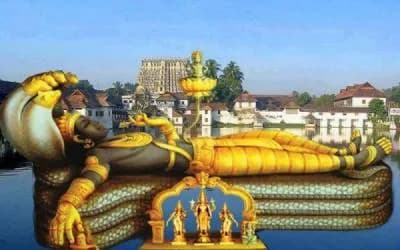
Unraveling the Symbolism of Hindu Temple Architecture: A Cosmic Journey Through Sacred Design
Hindu temples are far more than places of worship—they are sacred representations of the cosmos, meticulously designed according to ancient metaphysical…
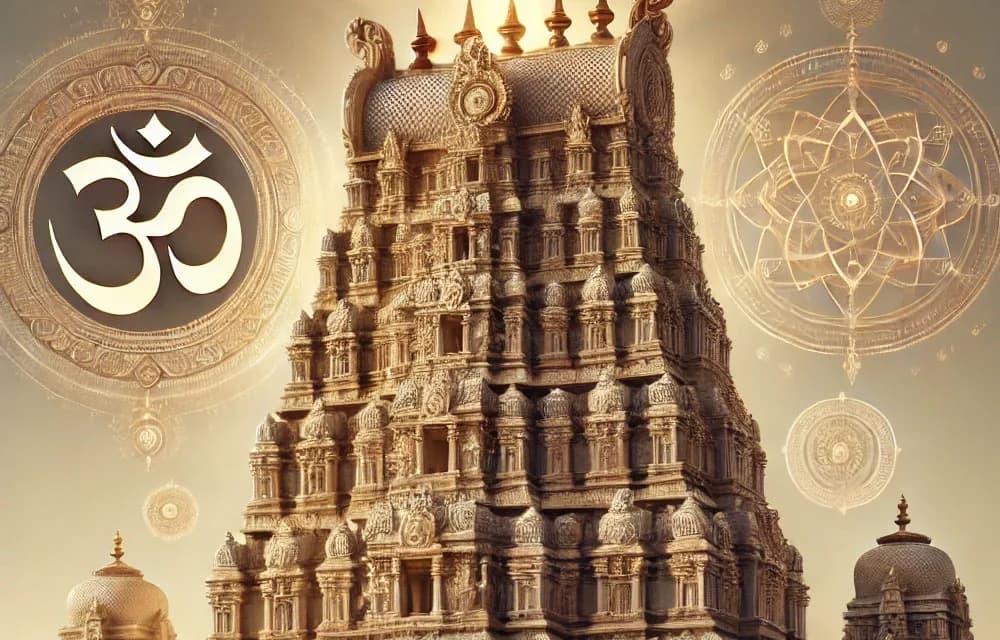
Hindu temples are far more than places of worship—they are sacred representations of the cosmos, meticulously designed according to ancient metaphysical…
Hindu temples are far more than places of worship—they are sacred representations of the cosmos, meticulously designed according to ancient metaphysical principles and sacred geometry. Every pillar, dome, and passage is a symbolic expression, crafted to guide the devotee from the material realm to the divine. By exploring the symbolism of Hindu temple architecture, we embark on a spiritual journey encoded in stone.
The Temple as a Cosmic Model
Hindu temple architecture reflects the cosmic order outlined in Sanatana Dharma, grounded in the ancient scriptures of Vastu Shastra and Agama Shastra. Temples are designed as microcosms of the universe, and as metaphors for the human body.
- Garbhagriha (Sanctum) – The spiritual heart of the temple, symbolizing the soul or divine essence.
- Shikhara / Vimana – Towering structures representing Mount Meru, the cosmic axis of the universe.
- Mandapas (Halls) – Architectural representations of the stages of human consciousness, guiding the devotee toward enlightenment.
Gopuram Significance: The Gateway to the Divine
In South Indian temples, the gopuram is a towering entrance gateway, richly decorated with deities, mythical creatures, and sacred symbols.
- Spiritual Symbolism – Acts as a threshold between the earthly and spiritual realms.
- Architectural Function – Serves as a landmark and visual anchor, drawing devotees toward the sacred center.
- Cultural Expression – Each sculpture narrates a dharmic tale, embodying ethical teachings and divine mythology.
North vs. South Indian Temple Architecture
Hindu temple styles vary across India, but all embody cosmic symbolism in unique regional forms.
North Indian (Nagara Style)
- Characterized by curvilinear shikharas (towers)
- Compact, vertical orientation
- Example: Kandariya Mahadeva Temple, Khajuraho
South Indian (Dravidian Style)
- Marked by pyramid-shaped vimanas and colossal gopurams
- Expansive complexes with concentric enclosures
- Example: Meenakshi Temple, Madurai
The Role of Mandapas and Pillars
Mandapas, or pillared halls, function as transitional zones for rituals, meditation, and communal gatherings.
- Symbolize the spiritual journey from the external world to inner stillness.
- Intricately carved pillars depict sacred stories, natural motifs, and geometric patterns—merging philosophy with artistry.
Shikhara and Vimana: Reaching Toward the Divine
The vertical elevation of the shikhara (North) or vimana (South) rising above the sanctum reflects spiritual ascent.
- Represents the spine in yogic traditions—channeling energy toward the divine.
- Crowned with a kalasha (pot-like finial), symbolizing fertility, abundance, and cosmic nectar.
Temple Tanks and Water Symbolism
No temple complex is complete without its sacred tank—a pool of water known as a pushkarini or kund.
- Embody purity, the cyclical nature of creation, and life's sacred flow.
- Used for ritual cleansing before darshan (viewing the deity), preparing the body and mind for divine communion.
Sculptural Symbolism and Iconography
The walls of Hindu temples are alive with intricate carvings—each one a spiritual lesson or mythic reflection.
- Deities, animals, dancers, and celestial beings animate temple surfaces with sacred stories.
- Invite deep contemplation of cosmic truths, dharma, and the divine self.
Conclusion: A Journey in Stone
Every element of Hindu temple architecture is layered with symbolism, guiding the devotee inward and upward—toward the eternal. Through gopurams, shikharas, mandapas, and sculpted stories, the temple becomes a living diagram of the cosmos and the human soul. Understanding this sacred architecture reconnects modern seekers to a timeless spiritual vision carved in stone.
FAQs
1. What does the gopuram symbolize in Hindu temples?
It represents the threshold between the earthly and divine realms, inviting the devotee into sacred space.
2. How are temples connected to cosmic principles?
Temple architecture mirrors the structure of the cosmos and the human body, guided by the doctrines of Vastu and Agama Shastra.
3. What is the difference between North and South Indian temple styles?
North Indian temples feature curving shikharas, while South Indian temples are known for their stepped vimanas and monumental gopurams.
4. Why are there water tanks in Hindu temples?
They represent ritual purification, life, and the sacred essence of water in spiritual practice.
5. How do pillars and carvings contribute to the spiritual experience?
They embody sacred narratives and spiritual motifs, serving as visual meditations for the devotee.
Frequently Asked Questions
Where is Unraveling the Symbolism of Hindu Temple located?
Hindu temples are far more than places of worship—they are sacred representations of the cosmos, meticulously designed according to ancient metaphysical principles and sacred geometry. Every pillar, dome, and passage is a symbolic expression, crafted to guide the devotee from the material realm to the divine.
Who is the presiding deity of Unraveling the Symbolism of Hindu Temple?
The temple's presiding deity and its significance are described in the guide above.
What are the timings and how do I reach Unraveling the Symbolism of Hindu Temple?
Temples typically open early morning and evening; confirm current darshan timings before visiting. The nearest airport, railway station and road routes are covered in the guide above.
What is the best time to visit Unraveling the Symbolism of Hindu Temple?
Major festival days and the cooler months are popular, though weekday mornings offer a calmer darshan. Plan around the temple's key festivals for the most vibrant experience.
You might also like
Janmashtami 2026 in India: Date, Rituals & Top Temples to Visit
Angkor Wat: Divine Mysteries & Soul-Stirring Miracles of Lord Vishnu's Cosmic Temple
Prambanan: Divine Mysteries & Soul-Stirring Miracles of the Trimurti in Indonesia