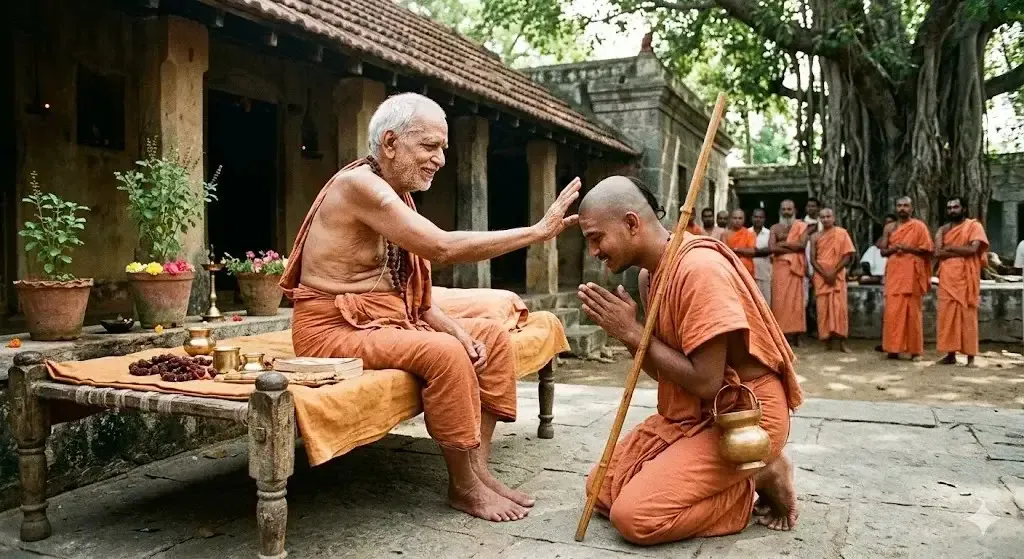
Ugadi 2026: Embracing the Spiritual Essence of Parabhava Hindu Year for Divine Growth
Introduction: Ugadi 2026 and the Dawn of Parabhava Nama Samvatsara Ugadi, the sacred Hindu New Year celebrated predominantly in Andhra Pradesh, Telangana,…
Introduction: Ugadi 2026 and the Dawn of Parabhava Nama Samvatsara Ugadi, the sacred Hindu New Year celebrated predominantly in Andhra Pradesh, Telangana,…
Introduction: Ugadi 2026 and the Dawn of Parabhava Nama Samvatsara
Ugadi, the sacred Hindu New Year celebrated predominantly in Andhra Pradesh, Telangana, Karnataka, and by Telugu and Kannada communities worldwide, marks the cosmic reset of time itself. Ugadi 2026 falls on March 19, 2026, heralding the beginning of Parabhava Nama Samvatsara according to the traditional lunar calendar. This auspicious day is not merely a calendar change; it is a spiritual threshold where the past dissolves, karma ripens, and divine grace invites the seeker into deeper self-awareness.
The Hindu New Year significance lies in its alignment with cosmic rhythms—when the Sun transitions and the Moon renews, symbolizing creation, sustenance, and transformation. The year Parabhava, often misunderstood as ominous due to its literal connotation of “defeat” or “humbling,” actually holds profound spiritual wisdom. It reminds devotees that surrender, humility, and devotion are pathways to divine growth.
In this devotional exploration, we will uncover the Parabhava year meaning, its spiritual lessons, Ugadi rituals, mantras for resilience, and scriptural narratives that illuminate how adversity becomes an instrument of grace. As we step into Ugadi 2026, Parabhava invites us not to fear challenges but to transcend ego and rediscover faith.
Understanding the Parabhava Year Meaning
In the 60-year cycle of Hindu Samvatsaras, Parabhava signifies a phase where the illusion of control weakens. On the surface, it suggests trials—setbacks in ambition, delays in material pursuits, and moments of inner conflict. Yet spiritually, Parabhava is a year of refinement.
The Deeper Symbolism
Parabhava teaches that defeat of ego is not loss but liberation. When pride dissolves, devotion flourishes. Scriptures emphasize that when human effort reaches its limit, divine intervention begins. Thus, Parabhava becomes a sacred reminder: true victory lies in surrender.
For devotees, this year urges:
- Strengthening faith during uncertainty
- Cultivating patience and humility
- Turning inward through prayer and bhakti
Rather than resisting circumstances, Parabhava asks us to align with dharma, trusting that every challenge carries a hidden blessing.
Ugadi 2026 Date and Astrological Significance
Ugadi 2026 date: March 19, 2026 marks the first day of the Chaitra month. Traditionally, this is when Brahma, the cosmic creator, is believed to have initiated creation. Hence, Ugadi is not only the Hindu New Year but also a celebration of cosmic renewal.
Astrologically, the Panchanga (Hindu almanac) recitation on Ugadi provides insights into:
- Rainfall patterns
- Agricultural prosperity
- Social harmony
- Spiritual trends for the year
During Parabhava, astrologers emphasize remedies, charity, and devotion to balance karmic turbulence. Ugadi thus becomes both a forecast and a spiritual roadmap.
Hindu New Year Significance: Why Ugadi Matters Spiritually
The Hindu New Year significance goes far beyond festivities. Ugadi teaches a timeless truth: life is a blend of sweetness and bitterness, joy and sorrow, success and failure. This philosophy is beautifully embodied in one sacred ritual—Ugadi Pachadi.
Ugadi is also a reminder that:
- Time is cyclical, not linear
- Every ending carries a beginning
- Divine order governs all transformations
In Parabhava year especially, Ugadi calls devotees to accept life’s dualities with grace, recognizing them as expressions of divine will.
Ugadi Pachadi: A Devotional Ritual of Life’s Truths
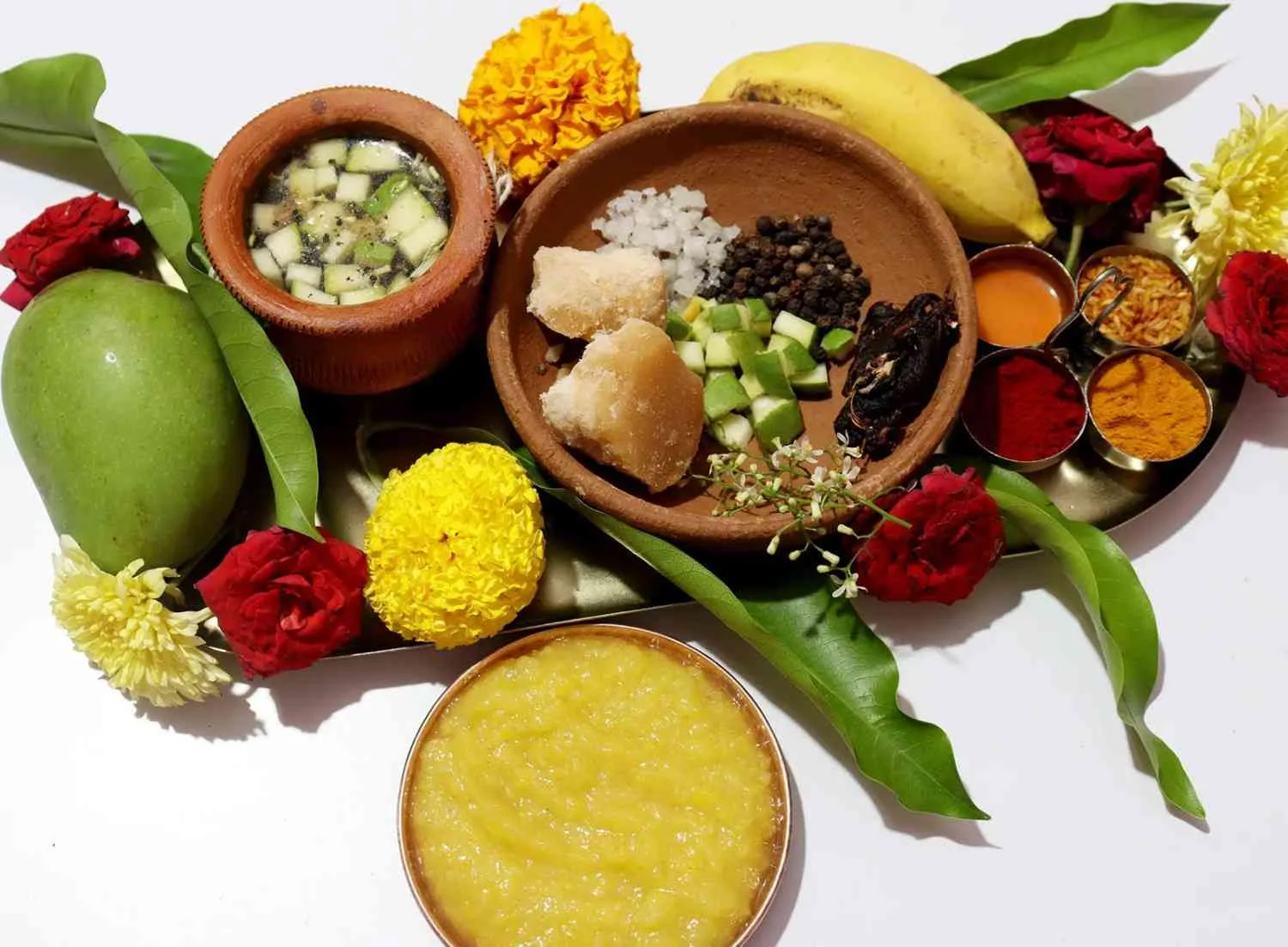
One of the most cherished Ugadi rituals is the preparation of Ugadi Pachadi, a unique mixture of six tastes:
- Neem flowers (bitterness) – sorrow and challenges
- Jaggery (sweetness) – happiness and blessings
- Green mango (tanginess) – surprises and change
- Tamarind (sourness) – emotional experiences
- Chili (spice) – anger and passion
- Salt (saltiness) – interest and balance
Spiritually, Ugadi Pachadi is a living sermon. It teaches that Parabhava year may bring bitter moments, but sweetness inevitably follows. By consuming Pachadi after prayers, devotees symbolically accept life in its entirety, surrendering outcomes to the divine.
Devotional Practices for Parabhava Year
1. Morning Ugadi Puja
Begin Ugadi 2026 with a purifying oil bath, wear fresh clothes, and decorate the home with mango leaf toranas. Light a lamp and invoke divine blessings for the year ahead.
2. Panchanga Shravanam
Listening to the Panchanga is considered highly auspicious, especially during Parabhava. It instills preparedness and faith, reminding devotees that foreknowledge is meant for spiritual readiness—not fear.
3. Charity and Seva
Parabhava emphasizes humility. Donating food, clothes, or offering seva at temples helps neutralize karmic burdens and invites divine compassion.
Mantras for Resilience and Inner Strength
Chanting mantras during Parabhava year strengthens the mind against adversity. Some powerful practices include:
- Vishnu Sahasranama – for protection, stability, and divine order
- Brahma Gayatri Mantra – for clarity, creativity, and renewal
- Om Namo Narayanaya – a mantra of surrender and peace
Regular japa, especially during early mornings, transforms fear into faith. In a year like Parabhava, mantras become spiritual armor.
Scriptural Stories: Overcoming Adversity Through Bhakti
Hindu scriptures abound with stories where apparent defeat led to divine victory:
Prahlada’s Unshakable Faith
Despite persecution, Prahlada’s unwavering devotion proved that surrender triumphs over tyranny. His life teaches that no external force can defeat true bhakti.
The Pandavas’ Exile
Years of hardship refined the Pandavas’ character, preparing them for righteousness and divine support. Parabhava echoes this lesson—delay is not denial.
Gajendra Moksha
When Gajendra the elephant surrendered completely, divine grace arrived instantly. This story reassures devotees that calling upon the divine in humility dissolves even the strongest karmic chains.
These narratives affirm that Parabhava is not about suffering but spiritual maturation.
Parabhava Year and Inner Transformation
Spiritually, Parabhava encourages:
- Letting go of ego-driven expectations
- Deepening meditation and prayer
- Accepting divine timing
Challenges faced during this year often reveal inner strength and hidden grace. What appears as loss externally becomes liberation internally.
For householders, Parabhava teaches balance. For seekers, it accelerates detachment. For devotees, it strengthens trust.
How to Live the Parabhava Year Consciously
To align with the energy of Parabhava:
- Begin every endeavor with prayer
- Practice gratitude daily
- Avoid arrogance and impulsive decisions
- Strengthen family and community bonds
When lived consciously, Parabhava transforms from a year of trials into a year of spiritual elevation.
A Devotional Prayer for Ugadi 2026
O Divine Creator and Sustainer,
As we step into Ugadi 2026 and the Parabhava year,
Humble our egos and strengthen our faith.
Grant us patience in adversity,
Wisdom in confusion,
And unwavering devotion in all circumstances.
May every challenge become a doorway to grace,
And every prayer lead us closer to You.
Bless us with peace, resilience, and divine growth.
Aum Shanti Shanti Shantiḥ.
Share Your Ugadi Experiences
As you welcome Ugadi 2026 on March 19, reflect on what Parabhava means in your spiritual journey. Have challenges ever deepened your faith? Has surrender brought unexpected blessings?
[image: ✨] Share your Ugadi rituals, Pachadi preparations, and devotional experiences in the comments.
[image: 🙏] Spread this message with family and friends to inspire conscious living during the Parabhava year.
May this Hindu New Year guide us all toward humility, devotion, and divine fulfillment. Happy Ugadi 2026! [image: 🌿]
Frequently Asked Questions
When is Ugadi 2026?
Ugadi 2026 falls on March 19, 2026.
What is the significance of Ugadi?
Introduction: Ugadi 2026 and the Dawn of Parabhava Nama Samvatsara Ugadi, the sacred Hindu New Year celebrated predominantly in Andhra Pradesh, Telangana, Karnataka, and by Telugu and Kannada communities worldwide, marks the cosmic reset of time itself. Ugadi 2026 falls on March 19, 2026 , heralding the beginning of Parabhava Nama Samvatsara according to the
How is Ugadi celebrated?
Devotees observe it with puja, fasting or special offerings, visiting temples, chanting mantras, and gathering with family. Customs vary by region and tradition.
What should devotees do on Ugadi?
Take a sacred bath, perform the day's puja and charity (dana), observe any prescribed fast, and chant mantras with sincere devotion.
You might also like

Gita Jayanti 2026 Prasad Recipes — Tulsi-Honoring Sweets, Krishna's Favourites & December 10 Bhog Plate
Maha Shivratri 2026 Vrat Recipes — Sabudana Khichdi, Singhada Halwa, Phalahara Foods Complete Fasting Guide
Shani Deva Temples Worldwide & Must-Performed Rituals — Complete Devotee's Guide