
Creating a Sacred Space in Your American Apartment: A Guide to Your Home Sandhya Mandir
Transform any corner of your apartment into a sanctuary for daily spiritual practice Introduction: Bringing the Temple Home In the bustling rhythm of American…
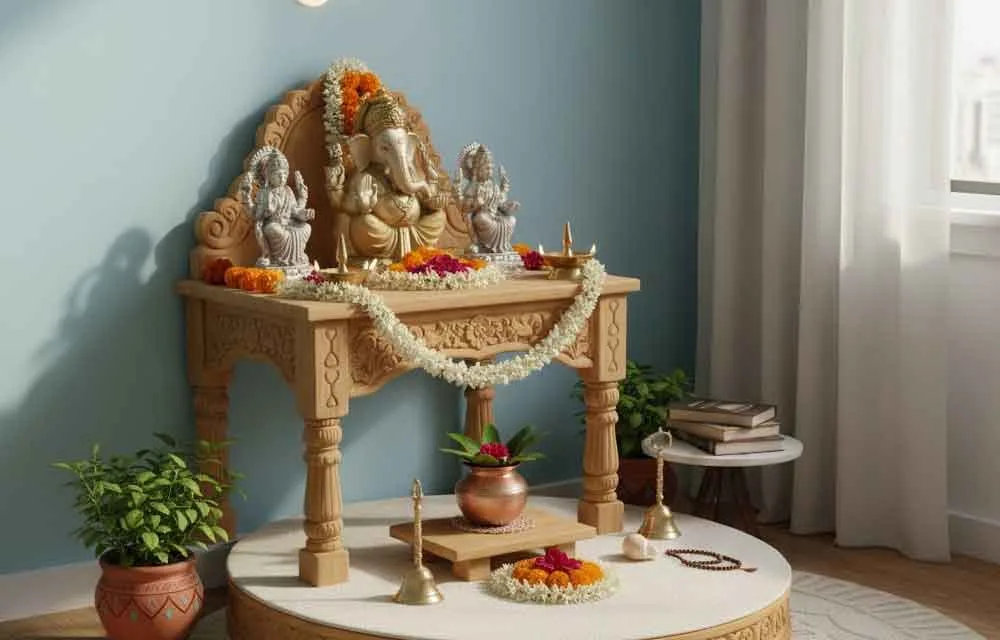
Transform any corner of your apartment into a sanctuary for daily spiritual practice Introduction: Bringing the Temple Home In the bustling rhythm of American…
Transform any corner of your apartment into a sanctuary for daily spiritual practice
Introduction: Bringing the Temple Home
In the bustling rhythm of American life, creating a dedicated space for spiritual practice can anchor your day and connect you to ancient traditions. Whether you live in a studio apartment in New York or a suburban home in California, establishing a home mandir (temple) doesn't require elaborate renovations or extensive space. What matters most is intention, consistency, and reverence.
This comprehensive guide will walk you through creating your own sandhya mandir—a sacred space for morning and evening prayers—perfectly suited to modern apartment living.
Understanding Your Sandhya Mandir
Sandhya refers to the twilight hours—dawn and dusk—traditionally considered the most auspicious times for spiritual practice. Your home mandir becomes a focal point for:
- Daily prayers (puja)
- Meditation and contemplation
- Mantra chanting
- Offerings to the divine
- Moments of gratitude and reflection
Unlike elaborate temple spaces, your home mandir can be simple yet profoundly meaningful.
Step 1: Choosing the Perfect Location
Ideal Placement Principles
According to Vastu Shastra (traditional Hindu architecture):
Best directions:
- Northeast (Ishanya): Most auspicious direction, associated with divine energy
- East: Where the sun rises, symbolizing new beginnings
- North: Associated with Kubera, the deity of wealth and prosperity
Practical considerations for apartments:
- A quiet corner away from high-traffic areas
- Clean, clutter-free space
- Away from bathrooms and bedrooms (if possible)
- Good natural light
- Adequate ventilation
Space-saving solutions:
- Corner of your living room
- Dedicated shelf in a bookcase
- Wall-mounted cabinet
- Repurposed closet with doors
- Top of a dresser or console table
Even a 2x2 foot area is sufficient for a meaningful home temple.
Step 2: Essential Elements of Your Mandir
Core Components
1. The Base Platform (Chowki or Patta)
- Small wooden platform or decorative cloth
- Elevates deities off the ground
- Creates defined sacred space
- Can be as simple as a brass tray
2. Deity Representations (Vigraha or Murti)
Choose based on your personal connection:
- Ganesha: Remover of obstacles, ideal for beginnings
- Lakshmi: Goddess of abundance and prosperity
- Shiva Lingam: Representation of cosmic consciousness
- Krishna or Rama: Avatars representing devotion and dharma
- Durga/Kali: Divine feminine energy and protection
- Hanuman: Strength, devotion, and service
You can use:
- Small metal or marble statues
- Framed pictures or prints
- Yantras (sacred geometry diagrams)
- Shaligram stones
3. Lighting
- Diya (oil lamp): Traditional clay lamp with ghee or oil
- LED diyas (practical for apartments with smoke detectors)
- Tea light candles
- Small electric lamp
4. Incense and Fragrance
- Incense sticks (agarbatti)
- Dhoop (cone incense)
- Camphor for aarti
- Essential oil diffuser with sandalwood or rose
5. Offering Vessels
- Small brass or copper plate (thali)
- Small bowls for water, flowers, and prasad
- Bell (ghanta) for invocation
- Spoon for offering water (achamani)
6. Decorative Elements
- Colorful cloth backdrop or wall hanging
- Flower garlands (fresh or artificial)
- Rangoli stickers or designs
- String lights for festivals
Step 3: Where to Buy Supplies Online (US)
Comprehensive Shopping Guide
For Murtis and Religious Items:
Amazon.com
- Search: "Hindu deity statues," "brass Ganesha," "marble Krishna"
- Wide selection, Prime shipping
- Price range: $15-$200
IndianStore.com
- Dedicated section for puja items
- Authentic imports from India
- Ships across the US
IndiaPlaza.com
- Religious items category
- Books, statues, puja kits
- Regular sales and discounts
iShopIndian.com
- Pooja supplies and groceries
- Fresh puja flowers (seasonal)
- Based in New Jersey, ships nationwide
TempleAndHome.com
- Specialized in home temple items
- Quality brass and marble pieces
- Custom temple units available
Etsy.com
- Search: "Hindu altar," "brass puja items," "Indian temple decor"
- Handmade and vintage options
- Support small businesses
For Incense and Puja Supplies:
VedicStore.com
- Traditional Indian incense
- Authentic dhoop and agarbatti
- Puja kits for beginners
MountainRoseHerbs.com
- Organic incense and resins
- Essential oils
- Natural beeswax candles
Local Indian grocery stores:
- Most cities with Indian communities have stores
- Fresh flowers, coconuts, fruits for offerings
- Personal guidance from store owners
For Temple Furniture:
IKEA
- Small shelving units (KALLAX, EKET)
- Wall-mounted cabinets
- Can be customized for puja space
HomeDepot/Lowe's
- Floating shelves
- Small corner cabinets
- Materials for DIY projects
Step 4: Setting Up Your Mandir
Step-by-Step Setup Process
Week 1: Preparation
- Cleanse the space thoroughly
- Physically clean the area
- Traditionally: wipe with water mixed with Ganga jal (holy water) or sea salt
- Clear negative energy with sage or camphor
- Measure and plan
- Measure your available space
- Sketch a simple layout
- Order supplies online
Week 2: Installation
- Set up the base
- Install shelving or place furniture
- Cover with clean, preferably new cloth (silk, cotton)
- Traditional colors: red, yellow, saffron, or white
- Arrange the deities
- Place Ganesha first if you have multiple deities (he's always worshipped first)
- Larger deities in back, smaller in front
- Ensure all faces are visible
- Leave space for offerings
- Organize accessories
- Place diya holder accessible for daily lighting
- Keep incense holder safe (consider a holder that catches ash)
- Arrange bells, water vessels, offering plates
- Add personal touches
- Photos of spiritual teachers or gurus
- Sacred texts (Bhagavad Gita, prayer books)
- Personal items with spiritual significance
- Fresh flowers in a small vase
Week 3: Consecration
- Perform Pratishtha (installation ceremony)
Simple home version:
- Choose an auspicious day (consult a panchang or lunar calendar)
- Early morning after bathing
- Light incense and diya
- Sprinkle water with flower petals on deities
- Chant: "Om Gan Ganapataye Namah" (108 times or as comfortable)
- Offer flowers, fruit, sweets
- Sit in meditation for a few minutes
- Ring the bell to conclude
Step 5: Daily Sadhana for Beginners
Morning Practice (15-30 minutes)
Upon waking (Brahma Muhurta ideal: 4-6 AM, but any morning time works):
- Cleanse yourself (5 minutes)
- Wash face and hands
- Rinse mouth
- Optional: shower
- Wear clean clothes
- Prepare the mandir (3 minutes)
- Light the diya
- Light incense
- Offer fresh water in a small bowl
- Add fresh flowers if available
- Opening invocation (2 minutes)
- Ring the bell three times
- Chant: "Om" three times
- Simple prayer: "Tvameva mata cha pita tvameva..."
- Deity worship (5 minutes)
- Offer water (achamana)
- Offer flowers
- Apply kumkum/tilak to deities
- Offer light (diya) in circular motion
- Ring bell while offering
- Mantra or prayer (10 minutes)
For beginners, choose one:
Gayatri Mantra (universal prayer):
Om Bhur Bhuvah Swaha
Tat Savitur Varenyam
Bhargo Devasya Dhimahi
Dhiyo Yo Nah Prachodayat
(Recite 3, 9, or 27 times)
Ganesha Mantra (removing obstacles):
Om Gam Ganapataye Namaha
(Recite 21 or 108 times)
Simple Gratitude Prayer: "Thank you for this new day, for my health, my family, my opportunities. Guide me to act with dharma today."
- Silent meditation (5 minutes)
- Sit comfortably
- Focus on breath or deity
- Let thoughts pass without attachment
- Closing (2 minutes)
- Take prasad (offer fruit, sweet, or sugar to deity, then consume)
- Touch feet of deities respectfully
- Prostrate (if comfortable) or bow with folded hands
- Chant: "Om Shanti Shanti Shanti"
Evening Practice (10-15 minutes)
At dusk (Sandhya time):
- Return to mandir
- Remove wilted flowers
- Add fresh water
- Light diya and incense
- Evening aarti (5 minutes)
- Light camphor or ghee diya
- Sing or play aarti (many YouTube versions available)
- Wave light in clockwise circles
- Common aarti: "Om Jai Jagdish Hare"
- Reflection (5 minutes)
- Review your day
- Acknowledge blessings
- Ask for forgiveness for any wrongs
- Set intention for next day
- Closing
- Offer prasad
- Ring bell
- Sit quietly for a moment
Weekly and Monthly Practices
Weekly:
- Thursday: Special day for Guru and Vishnu worship
- Tuesday: Honor Hanuman
- Friday: Lakshmi puja
- Thorough cleaning of mandir
- Wash cloth coverings
Monthly:
- Ekadashi (11th day after new/full moon): Fasting day, extended puja
- Purnima (full moon): Offer milk, white sweets
- Amavasya (new moon): Honor ancestors
Special festivals:
- Diwali: Elaborate Lakshmi puja
- Navaratri: Nine days of Durga worship
- Janmashtami: Krishna's birthday
- Ganesh Chaturthi: Ganesha festival
Tips for Apartment Living
Navigating Common Challenges
1. Smoke Alarms
- Use LED diyas instead of oil lamps
- Burn incense near open window
- Use essential oil diffusers as alternatives
- Inform landlord about your practices (usually not an issue)
2. Limited Space
- Vertical storage: wall-mounted shelves
- Collapsible or foldable altar
- Multi-purpose furniture
- Minimalist approach: one deity, few accessories
3. Privacy in Shared Spaces
- Use a decorative screen
- Cabinet with doors
- Beautiful fabric draping
- Schedule practice when roommates are away
4. Travel and Consistency
- Create a travel altar (small box with photos, mini deity)
- Use meditation apps for mantras
- Maintain practice mentally when physical space isn't available
5. Interfaith Households
- Communicate openly about your practice
- Invite family to learn (without pressure)
- Consider shared sacred space
- Respect others' comfort levels
Advanced Practices (As You Progress)
Deepening Your Sadhana
1. Establish a Sankalpa (intention)
- Set a specific spiritual goal
- Commit to 40 days (mandala) of consistent practice
- Journal your experiences
2. Study sacred texts
- Read one verse of Bhagavad Gita daily
- Explore Upanishads
- Join online satsangs or study groups
3. Offer seva (service)
- Volunteer at local temple
- Feed birds/animals
- Acts of kindness as worship
4. Expand mantras
- Learn deity-specific stotras
- Practice japa with mala beads
- Explore Vedic chanting
5. Seasonal sadhana
- Adjust practices with seasons
- Participate in virtual temple events
- Observe vrat (fasting) on special days
Creating Community
Connecting with Others
Local resources:
- Hindu temples in your area
- Yoga studios with kirtan nights
- Indian cultural centers
- University Hindu student associations
Online communities:
- Facebook groups for Hindu practices
- Reddit: r/Hinduism
- YouTube channels: Arsha Bodha Center, Chinmaya Mission
- Apps: Sri Mandir, Gita Daily, Vedic Calendar
Starting your own:
- Host monthly satsang at home
- Organize festival celebrations
- Create WhatsApp groups with like-minded friends
Maintaining Sacred Space
Daily Maintenance
- Clean surfaces daily
- Replace offering water daily
- Remove wilted flowers immediately
- Keep area dust-free
- Wash cloth coverings weekly
Energetic Maintenance
- Regular prayers keep energy positive
- Occasional deep cleaning with intention
- Rearrange seasonally for fresh energy
- Play devotional music (bhajans)
What to Avoid
- Never step over the mandir or deities
- Remove shoes before approaching
- Avoid eating non-vegetarian food in front of mandir
- Don't place mandir near bathroom walls
- Never let pets onto the altar area (though they can be present nearby)
Troubleshooting Common Concerns
"I keep forgetting to do daily puja"
- Set phone reminders
- Link practice to existing habit (after coffee, before breakfast)
- Start with just 5 minutes
- Be compassionate with yourself
"I don't know proper rituals"
- Sincerity matters more than perfect technique
- Learn gradually from YouTube, books, or local priests
- Simple prayers are perfectly valid
- Consult with family elders if available
"My family isn't Hindu"
- Frame it as meditation and mindfulness practice
- Share the philosophical aspects
- Invite respectful observation
- Emphasize universal values (gratitude, peace)
"I feel silly talking to statues"
- Remember: murtis are symbolic representations
- Focus on the consciousness they represent
- Think of it as directing your devotion
- Many traditions use visual aids for focus
Budget-Friendly Mandir Setup
Complete Setup Under $100
Option 1: Minimalist ($50-75)
- Small Ganesha statue: $15 (Amazon)
- Floating shelf: $15 (IKEA)
- LED diya: $10 (IndianStore)
- Incense variety pack: $8 (VedicStore)
- Brass plate and bell: $12 (online)
- Cloth covering: $5 (fabric store)
- Frame picture: $10 (print and frame)
Option 2: Traditional ($75-100)
- Two small brass deities: $40 (online)
- Wooden chowki/platform: $20 (IndianStore)
- Traditional diya and oil: $10
- Incense, camphor, kumkum set: $15
- Brass puja thali set: $15
- Decorative items: $10-20
DIY Options:
- Print high-quality images and frame them (free-$10)
- Repurpose existing furniture
- Use household items (small plates, candles)
- Create your own cloth backdrop
Conclusion: Your Journey Begins
Creating a home mandir is more than interior decoration—it's establishing a relationship with the divine in your daily life. Your sacred space will evolve as your practice deepens, reflecting your personal spiritual journey.
Remember these guiding principles:
Intention over perfection: Your sincere devotion matters infinitely more than elaborate setups or perfect Sanskrit pronunciation.
Consistency over intensity: Fifteen minutes daily is more powerful than an hour once a week.
Personal connection: Choose deities, prayers, and practices that resonate with your heart.
Flexibility: Adapt traditional practices to your modern life without guilt.
Growth mindset: Be a beginner, ask questions, make mistakes, and learn.
Your apartment mandir is a bridge between the ancient wisdom of Sanatana Dharma and contemporary American life. It's a daily reminder that spirituality isn't separate from everyday existence—it's woven into every moment, every breath, every action.
As you light your first diya in your new sacred space, you join millions of practitioners worldwide who maintain this beautiful tradition. You're not just creating a corner for prayer; you're cultivating inner peace, connecting with timeless wisdom, and bringing sacred energy into your home.
Om Lokah Samastah Sukhino Bhavantu May all beings everywhere be happy and free
Additional Resources
Books:
- "The Hindu Way: An Introduction to Hinduism" by Shashi Tharoor
- "The Bhagavad Gita" (translation by Eknath Easwaran)
- "Autobiography of a Yogi" by Paramahansa Yogananda
- "Daily Puja: A Beginner's Guide" by Swami Mukhyananda
YouTube Channels:
- Praveen Mohan (temple architecture and rituals)
- Arsha Bodha Center (Vedanta teachings)
- Bhajan Marg (devotional music)
- Temple Adventures (practical puja tutorials)
Apps:
- Sri Mandir (daily puja reminders, live temple darshan)
- Drik Panchang (Hindu calendar, festival dates)
- Gita Daily (verse a day)
- Insight Timer (meditation, including Hindu prayers)
Websites:
- HinduOnline.com (resources and articles)
- ChinmayaMission.org (classes and events)
- HinduAmericanFoundation.org (contemporary Hindu perspective)
May your home mandir bring you peace, clarity, and connection to the divine. Har Har Mahadev!
About HinduTone: We celebrate and explore Hindu philosophy, practices, and culture for modern practitioners. Whether you're continuing family traditions or newly drawn to Sanatana Dharma, we're here to support your spiritual journey.
Have you set up a home mandir? Share your experience in the comments below! Have questions? Reach out—we're here to help.
Frequently Asked Questions
Where is Creating a Sacred Space in Your American Apartment located?
Transform any corner of your apartment into a sanctuary for daily spiritual practice Introduction: Bringing the Temple Home In the bustling rhythm of American life, creating a dedicated space for spiritual practice can anchor your day and connect you to ancient traditions. Whether you live in a studio apartment in New York or a suburban home in California, e
Who is the presiding deity of Creating a Sacred Space in Your American Apartment?
The temple's presiding deity and its significance are described in the guide above.
What are the timings and how do I reach Creating a Sacred Space in Your American Apartment?
Temples typically open early morning and evening; confirm current darshan timings before visiting. The nearest airport, railway station and road routes are covered in the guide above.
What is the best time to visit Creating a Sacred Space in Your American Apartment?
Major festival days and the cooler months are popular, though weekday mornings offer a calmer darshan. Plan around the temple's key festivals for the most vibrant experience.
You might also like
Shani Deva Temples Worldwide & Must-Performed Rituals — Complete Devotee's Guide
Top 20 Sivalayam in USA: A Devotee's Guide to America's Most Sacred Shiva Temples (2026)

Sacred Hindu Festivals & Temple News: Divine Week — May 2026