
Sade Sati 2026: Which Rashis Are Under Sade Sati with Saturn in Meena, Ashtama Shani and What It Means
With Saturn transiting sidereal Meena (Pisces) through 2026, Sade Sati is running for Kumbha (final phase), Meena (peak) and Mesha (first phase), while Simha has Ashtama Shani and Dhanu Ardhashtama Shani. Here are the approximate transit dates, a table for all 12 Moon signs, what Sade Sati means traditionally and the devotional practices families follow, without fear.
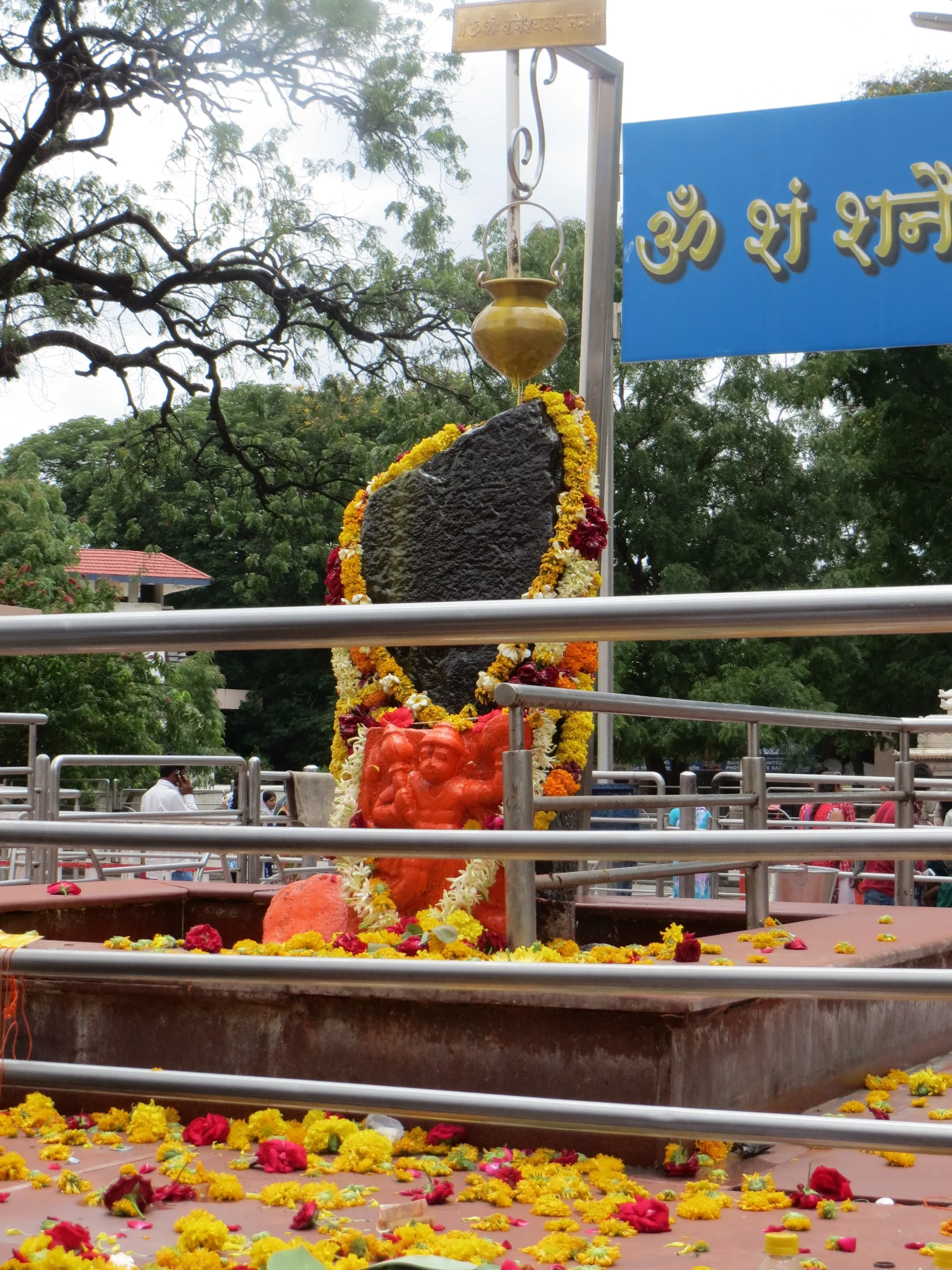
With Saturn transiting sidereal Meena (Pisces) through 2026, Sade Sati is running for Kumbha (final phase), Meena (peak) and Mesha (first phase), while Simha has Ashtama Shani and Dhanu Ardhashtama Shani. Here are the approximate transit dates, a table for all 12 Moon signs, what Sade Sati means traditionally and the devotional practices families follow, without fear.
Quick answer: Saturn (Shani) has been in sidereal Meena (Pisces) since 29 March 2025 (Drik Panchang) and stays there throughout 2026. So in 2026, Sade Sati is running for three Moon signs: Kumbha (final phase), Meena (peak phase) and Mesha (first phase). Simha has Ashtama Shani (Saturn in the 8th) and Dhanu has Ardhashtama or Kantaka Shani (Saturn in the 4th), as commonly reckoned. Saturn is expected to enter Mesha around June 2027, return briefly to Meena during its retrograde from about October 2027 to February 2028, and then move into Mesha again. Treat these as approximate ephemeris dates and confirm them in a panchang.
What Sade Sati is
Sade Sati means "seven and a half". In Vedic astrology it is the period when Saturn transits the 12th, 1st and 2nd signs from your natal Moon sign. Saturn takes about 29.5 years to circle the zodiac, so it spends roughly two and a half years in each sign; three signs make about seven and a half years. Most people go through Sade Sati two or three times in a lifetime.
Sade Sati is counted from the Moon sign (rashi), not the Sun sign and not the lagna. It uses the sidereal zodiac with the Lahiri ayanamsa as the common standard, so your Vedic Moon sign may be one sign earlier than in a Western horoscope.
Traditionally the period is divided into three phases of about two and a half years each:
- First phase (rising): Saturn in the 12th from the Moon. Traditionally associated with expenses, travel, relocation and letting go.
- Peak phase: Saturn over the Moon sign itself (janma Shani). Traditionally the most demanding for the mind and personal responsibilities.
- Final phase (setting): Saturn in the 2nd from the Moon. Traditionally associated with family, speech and finances, and with consolidation.
These are general themes from the tradition. Astrologers stress that the actual experience depends on the whole chart: where Saturn sits at birth, its strength, which houses it rules for your lagna, and the Vimshottari dasha running at the time.
Saturn's transit dates (approximate)
| Event | Approximate date | Note |
|---|---|---|
| Saturn enters sidereal Meena | 29 March 2025 | Drik Panchang date |
| Saturn in Meena | All of 2026 | No sign change during 2026 |
| Saturn enters Mesha | Around early June 2027 | Ephemeris estimate; confirm in a panchang |
| Retrograde return to Meena | Around October 2027 | Ephemeris estimate |
| Saturn re-enters Mesha | Around February 2028 | Ephemeris estimate; then stays in Mesha into 2029 |
Exact ingress times vary by a day or so between panchangs depending on the ayanamsa and calculation method. If a date matters for a family observance, check the panchang your family follows.
Sade Sati 2026: all 12 rashis
With Saturn in Meena, here is where Saturn falls from each Moon sign in 2026, and how the transit is commonly labelled. The phrases in the last column summarise traditional descriptions, not predictions for any individual.
| Moon sign (rashi) | Saturn from Moon | Status in 2026 | Traditional theme |
|---|---|---|---|
| Mesha (Aries) | 12th | Sade Sati, first phase (since March 2025) | Expenses, travel, letting go |
| Vrishabha (Taurus) | 11th | No Sade Sati | Traditionally favourable: gains, networks |
| Mithuna (Gemini) | 10th | No Sade Sati | Work and responsibilities in focus |
| Karka (Cancer) | 9th | No Sade Sati | Dharma, elders, long-term outlook |
| Simha (Leo) | 8th | Ashtama Shani | Patience, caution, inner work |
| Kanya (Virgo) | 7th | No Sade Sati | Partnerships in focus; some call this Kantaka too |
| Tula (Libra) | 6th | No Sade Sati | Traditionally favourable: overcoming obstacles |
| Vrishchika (Scorpio) | 5th | No Sade Sati | Children, studies, creativity in focus |
| Dhanu (Sagittarius) | 4th | Ardhashtama / Kantaka Shani | Home, property, peace of mind |
| Makara (Capricorn) | 3rd | No Sade Sati (ended March 2025) | Traditionally favourable: effort rewarded |
| Kumbha (Aquarius) | 2nd | Sade Sati, final phase | Family, speech, finances, consolidation |
| Meena (Pisces) | 1st | Sade Sati, peak phase | Self, health habits, responsibility |
In classical transit (gochara) rules, Saturn is said to give its best results in the 3rd, 6th and 11th from the Moon, which is why Makara, Tula and Vrishabha are often described as having a supportive Saturn in 2026. Some astrologers extend the term Kantaka Shani to Saturn in the 1st, 4th, 7th and 10th from the Moon; usage varies.
Rashi by rashi: the three Sade Sati signs
Kumbha rashi: final phase
Kumbha natives have been in Sade Sati since Saturn entered Makara in January 2020. With Saturn now in the 2nd from the Moon, the tradition speaks of the closing chapter: consolidating what was built, attention to family and speech, and careful handling of money. Sade Sati ends when Saturn finally leaves Meena, approximately February 2028 after the retrograde return. Monthly outlook: Kumbha Rashi October 2026 horoscope.
Meena rashi: peak phase
For Meena, Sade Sati began when Saturn first entered Kumbha in April 2022 (settling there from January 2023), and since March 2025 Saturn has been over the Moon sign itself. Traditionally this phase asks for routine, self-care and honest effort. It runs until Saturn leaves Mesha, roughly around 2030. Monthly outlook: Meena Rashi October 2026 horoscope.
Mesha rashi: first phase
Mesha's Sade Sati began on 29 March 2025 with Saturn entering Meena, the 12th sign from Mesha. The tradition associates this phase with expenditure, travel and endings that make room for new beginnings. Mesha's peak phase starts when Saturn enters Mesha around June 2027. Monthly outlook: Mesha Rashi October 2026 horoscope.
Simha (Ashtama Shani) and Dhanu (Ardhashtama Shani)
Saturn in the 8th from the Moon (Ashtama Shani) applies to Simha in 2026, and Saturn in the 4th (Ardhashtama or Kantaka Shani) to Dhanu, as commonly reckoned. Both are traditionally treated with the same calm, devotional approach as Sade Sati and last as long as Saturn stays in Meena. See the Simha Rashi October 2026 horoscope. When Saturn moves into Mesha, Ashtama Shani passes to Kanya and Ardhashtama to Makara.
What Sade Sati means traditionally, without the fear
Sade Sati has a fearsome reputation, much of it spread by people selling remedies. In the tradition itself, Shani Deva is the lord of karma and justice, not a villain. Saturn is associated with time, discipline, hard work, humility and service. His transit is commonly described as a period that tests and teaches: it rewards steady effort and honesty, and asks people to drop shortcuts and ego.
Several points are worth keeping in mind:
- Sade Sati is one transit among many. Astrologers weigh it against the full chart and the running dasha; a general article cannot tell you how it will go for you.
- For people with Saturn well placed in the birth chart, or for whom Saturn is a functional benefic (often said of Vrishabha and Tula lagnas), the period can be constructive.
- No astrological period guarantees illness, job loss, marriage trouble or financial outcomes. Health, career and money decisions belong with qualified professionals, not with a transit table.
- Different schools reckon details differently. Parashari practitioners, KP astrologers and regional traditions may use different ayanamsas or emphasise different factors.
Devotional practices commonly followed
Families traditionally respond to Sade Sati with devotion and discipline rather than fear. Commonly followed practices include:
- Saturday prayers to Shani: reciting the Shani Chalisa or a Shani stotra, and lighting a lamp with sesame (gingelly) oil, at home or at a Navagraha shrine.
- Hanuman worship: tradition holds that Hanuman's devotees are protected from Shani's harshness, so many recite the Hanuman Chalisa or the Sankat Mochan Hanuman Ashtak on Saturdays and Tuesdays. See also 11 Hanuman mantras to chant daily.
- Navagraha prayers: the Navagraha stotram honours all nine planets together.
- Charity and service: Saturn is associated with labourers, the elderly and the poor. Giving food, blankets, black sesame or time to those in need is the most traditional remedy of all.
- Saturn's own virtues: punctuality, honesty, patience and respect for those who serve you are often described as the best offering to Shani.
None of these needs a priest's fee or a gemstone. If anyone tells you Sade Sati requires an expensive ritual, it is reasonable to say no and simply pray.
For NRIs: checking your Moon sign
Many NRIs know their Western Sun sign but not their Vedic Moon sign. To find it, you need your birth date, exact time and place; a Vedic (sidereal) calculator using Lahiri ayanamsa will show your rashi and nakshatra. Your rashi is the sign containing your birth nakshatra. Saturn's transit dates are the same worldwide; only the clock time of the ingress changes with your time zone.
Also read: the Navagraha deities explained.
Frequently asked questions
Which rashis have Sade Sati in 2026?
Three Moon signs: Kumbha (Aquarius) in the final phase, Meena (Pisces) in the peak phase and Mesha (Aries) in the first phase. This holds for the whole of 2026, since Saturn stays in sidereal Meena all year.
Is Sade Sati counted from the Sun sign or the Moon sign?
From the Moon sign (rashi) in the sidereal Vedic chart. Your Western Sun sign is not used. Because of the ayanamsa, your Vedic Moon sign is often one sign earlier than your Western Moon sign, so check a Vedic chart or panchang-based calculator.
When does Sade Sati end for Kumbha rashi?
Sade Sati ends when Saturn leaves the sign after the Moon sign. For Kumbha, that is when Saturn leaves Meena: approximately June 2027, but Saturn returns to Meena during its retrograde from about October 2027 to February 2028, so the final exit is around February 2028. Confirm the exact dates in a panchang.
Does Sade Sati mean bad luck for seven and a half years?
No. In Vedic astrology Saturn's transit is read alongside the whole chart, the running dasha and Saturn's own strength. Traditionally it is described as a period that rewards patience, honest work and discipline. Many people achieve a great deal during Sade Sati.
What is Ashtama Shani?
Ashtama Shani is Saturn transiting the 8th sign from the Moon sign. In 2026, with Saturn in Meena, that applies to Simha rashi. It is traditionally treated with the same calm devotional approach as Sade Sati.
What are the traditional remedies for Sade Sati?
Devotional practices: reciting the Shani Chalisa or Shani stotra, Hanuman worship and the Hanuman Chalisa or Hanuman Ashtak on Saturdays, lighting a sesame-oil lamp, and charity such as food, black sesame, blankets or service to the elderly and needy. None of these require paid rituals or gemstones.
Editor's note (9 October 2026)
This guide was written in October 2026. Saturn's entry into Meena on 29 March 2025 is the Drik Panchang date; the 2027 and 2028 dates are approximate ephemeris estimates using the Lahiri ayanamsa and should be confirmed in a panchang. The rashi table follows common reckoning; terms like Kantaka Shani are used differently by different astrologers. Astrology is presented here as a traditional knowledge system, not as a source of guaranteed predictions. For personal questions, consult a qualified family astrologer, and for health, legal or financial matters, the appropriate professional.
Related guides
You might also like

9 October 2026 Friday Rashi Phalalu — Daily Horoscope for All 12 Zodiac Signs
7 October 2026 Wednesday Rashi Phalalu — Daily Horoscope for All 12 Zodiac Signs
6 October 2026 Tuesday Rashi Phalalu — Daily Horoscope for All 12 Zodiac Signs