Timeless Wisdom: 10 Main Learnings from the Bhagavad Gita to Illuminate Your Path
Nestled within the epic Mahabharata, the Bhagavad Gita—or "Song of the Lord"—unfolds as a profound dialogue between Prince Arjuna and Lord Krishna on the…

Nestled within the epic Mahabharata, the Bhagavad Gita—or "Song of the Lord"—unfolds as a profound dialogue between Prince Arjuna and Lord Krishna on the…
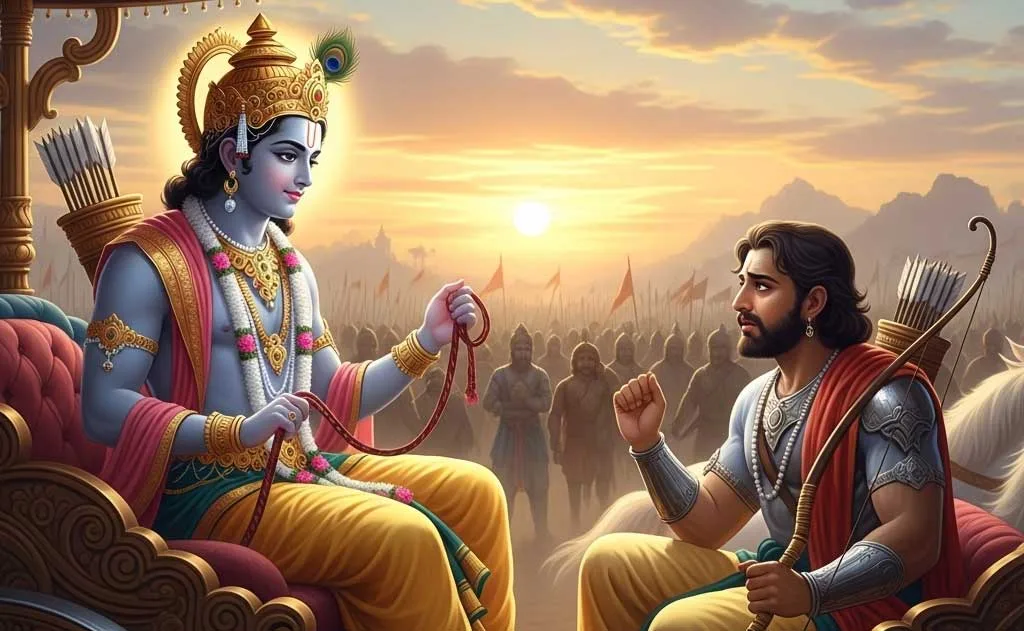
Nestled within the epic Mahabharata, the Bhagavad Gita—or "Song of the Lord"—unfolds as a profound dialogue between Prince Arjuna and Lord Krishna on the battlefield of Kurukshetra. Facing moral dilemmas and existential crises, Arjuna receives divine guidance that transcends time, offering a blueprint for ethical living, spiritual growth, and inner peace. Penned over 2,000 years ago, its verses remain a global touchstone for resilience amid chaos. In our hyper-connected yet anxious world, these teachings feel more urgent than ever. Today, let's distill 10 core learnings from the Gita, drawn from its timeless essence, to inspire your daily journey. Whether you're navigating career crossroads or seeking serenity, these nuggets of wisdom can be your compass.
1. Perform Your Duty Without Attachment to Results
At the heart of Karma Yoga lies the iconic verse: "You have a right to perform your prescribed duty, but you are not entitled to the fruits of action." Krishna urges selfless action—do your work diligently, but release the grip on outcomes. This detachment reduces stress and fosters focus, turning effort into effortless flow. In practice? Tackle that project without obsessing over promotions; the universe aligns when you act with pure intent.
2. Embrace the Impermanence of Change
Life's only constant is change, and the Gita reminds us: "Whatever happened was good, whatever is happening is going just right, whatever will happen will also be good." Clinging to the past or fearing the future breeds suffering; instead, flow with transitions like seasons. This mindset builds resilience, helping you pivot from setbacks to growth.
3. Conquer Your Mind to Master Life
The mind is your greatest ally or foe: "For him who has conquered the mind, the mind is the best of friends; but for one who has failed to do so, his very mind will be the greatest enemy." Through meditation and discipline, tame wandering thoughts to unlock clarity and purpose. Start small—five minutes of breath awareness daily—and watch anxiety dissolve.
4. Live in the Eternal Present
Dwelling on regrets or anticipations steals joy; the Gita teaches: "The past is behind, learn from it. The future is ahead, prepare for it. The present is here, live it." Mindfulness here isn't trendy—it's divine strategy. Savor your morning coffee or conversation fully; presence is the gateway to profound fulfillment.
5. Recognize the Immortality of the Soul
Beyond the body's fragility lies the eternal Atman: "Our true Self is beyond the body and untouched by change or destruction." Death is but a wardrobe change for the soul, easing fears of loss. This realization cultivates compassion, reminding us we're all sparks of the divine.
6. Practice Equality and Universal Respect
Krishna reveals: "The wise see with equal vision a learned and gentle priest, a cow, an elephant, a dog, and a dog-eater outcaste." Transcend divisions of caste, creed, or status to honor all existence. In a polarized era, this fosters empathy—treat the barista with the same reverence as your boss.
7. Seek Balance in the Dance of Opposites
Life's dualities—joy and sorrow, success and failure—demand equilibrium. The Gita advocates Sthitaprajna: steady wisdom amid flux. Balance work with rest, ambition with surrender; yoga isn't just poses—it's harmonious living.
8. Cultivate Devotion and Surrender
Bhakti Yoga shines through total surrender: "Abandon all varieties of dharma and just surrender unto Me." Love as the ultimate path dissolves ego, inviting grace. Whether through prayer or service, devotion transforms routine into reverence.
9. Fight Your Inner Battles Peacefully
Arjuna's war mirrors our struggles; Krishna advises: "Fight peacefully—honor existence without violence to the self." Confront challenges with non-attachment, not aggression. Mind your mind, and external conflicts lose their sting.
10. Pursue Self-Realization for True Joy
Ultimate liberation? Jnana Yoga's quest for the Self: "Seek self-realization to find joy within, not in fleeting externals." Peel away illusions to uncover your divine core—through study, reflection, or guru guidance. Joy isn't chased; it's revealed.
Why the Gita's Light Endures
These learnings aren't abstract philosophy; they're practical tools for a meaningful life, echoing from ancient verses to modern minds. As Krishna concludes, "Thus I have explained to you knowledge still more confidential. Deliberate on this fully, and then do what you wish." The Gita empowers choice—rooted in wisdom.
Which teaching resonates most with you right now? Drop it in the comments, or share how you've applied Gita wisdom lately. For more spiritual explorations, subscribe and join the conversation. Sarve Bhavantu Sukhinah—may all be happy and free.
Sources: Insights woven from sacred texts and contemporary reflections.
Frequently Asked Questions
What does the Gita say about performing duty without attachment?
The Gita's Karma Yoga verse says you have a right to perform your prescribed duty but not to the fruits of action. Krishna urges diligent work while releasing the grip on outcomes, which reduces stress and builds focus.
How does the Bhagavad Gita suggest controlling the mind?
It says the mind is the best of friends for one who has conquered it and the greatest enemy for one who has not. Meditation and discipline are the tools, and a small start such as five minutes of breath awareness daily is suggested.
What does the Gita teach about the soul and death?
The Gita teaches that the true Self, the eternal Atman, is beyond the body and untouched by change or destruction. Death is likened to a change of clothes for the soul, which eases the fear of loss.
Who speaks in the Bhagavad Gita and where is it set?
The Gita is a dialogue between Prince Arjuna and Lord Krishna on the battlefield of Kurukshetra, within the epic Mahabharata. Facing a moral dilemma, Arjuna receives guidance on ethical living and inner peace.
Which paths of yoga appear in these Gita teachings?
Karma Yoga is the path of selfless action, Bhakti Yoga is devotion and surrender to Krishna, and Jnana Yoga is the quest for self-realization. Sthitaprajna, steady wisdom amid life's dualities, is also highlighted.
How can Gita teachings be applied in modern daily life?
Do your work without obsessing over promotions, live fully in the present, practise brief daily meditation, and treat everyone with equal respect, from a barista to a boss. Balance work with rest and ambition with surrender.
You might also like
Bhagavad Gita's Guide to Overcoming Anxiety: Timeless Wisdom for Modern Mental Peace

Timeless Wisdom: What Hindu Americans Can Learn from the Bhagavad Gita

Spiritual Energy of the Margashirsha Month According to Bhagavad Gita