Bodrai Festival 2026 in Telangana: Rediscovering the Sacred Village Guardian Stone – A Must-Know Folk Tradition for NRIs
For Non-Resident Indians (NRIs) from Telangana living across the USA, UK, Canada, Australia, Gulf countries, and beyond, connecting with ancestral roots has…
For Non-Resident Indians (NRIs) from Telangana living across the USA, UK, Canada, Australia, Gulf countries, and beyond, connecting with ancestral roots has…
For Non-Resident Indians (NRIs) from Telangana living across the USA, UK, Canada, Australia, Gulf countries, and beyond, connecting with ancestral roots has never been more meaningful. While you may be familiar with grand festivals like Bonalu in Hyderabad, Bodrai (Bodrai Panduga or Boddu Raayi) offers a deeper, more intimate glimpse into rural Telangana’s ancient folk heritage.
This unique village festival is experiencing a strong cultural revival, making 2026 an exciting year to explore or virtually participate in this living tradition that symbolizes protection, prosperity, and the “birth” of a community.
What is Bodrai? Understanding the Sacred “Navel Stone”
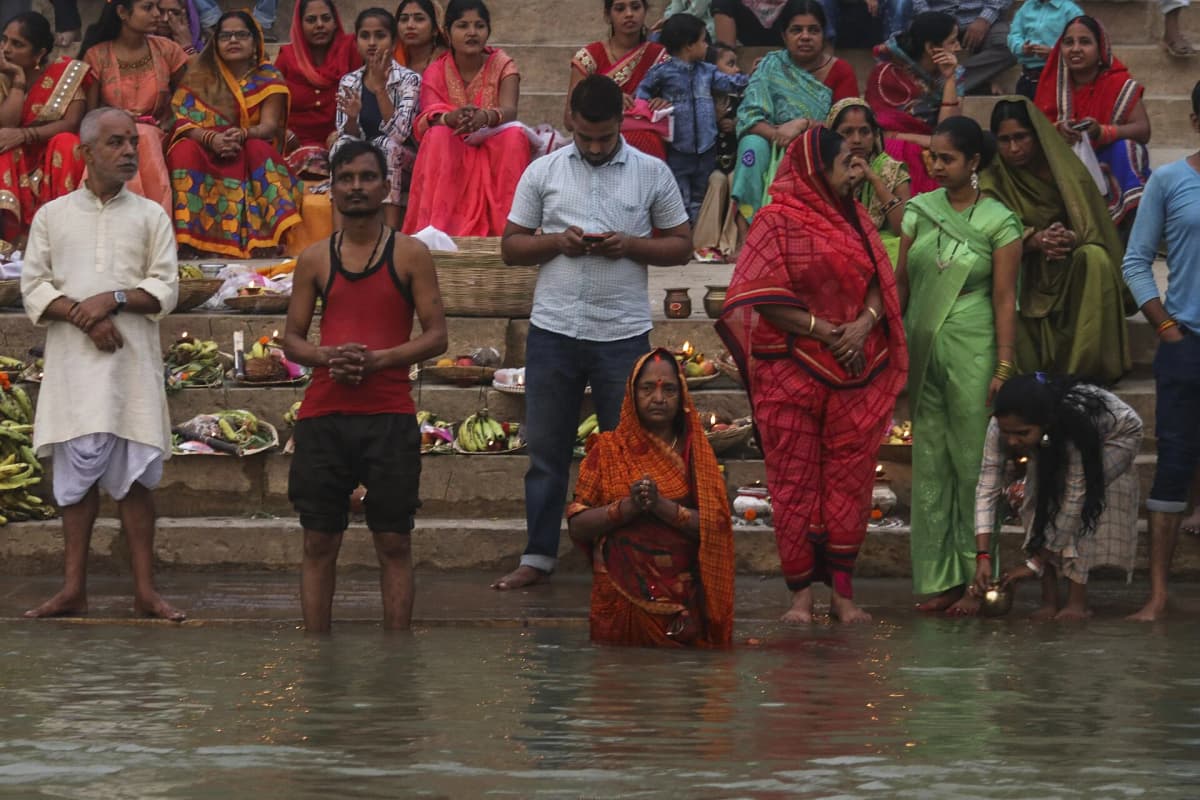
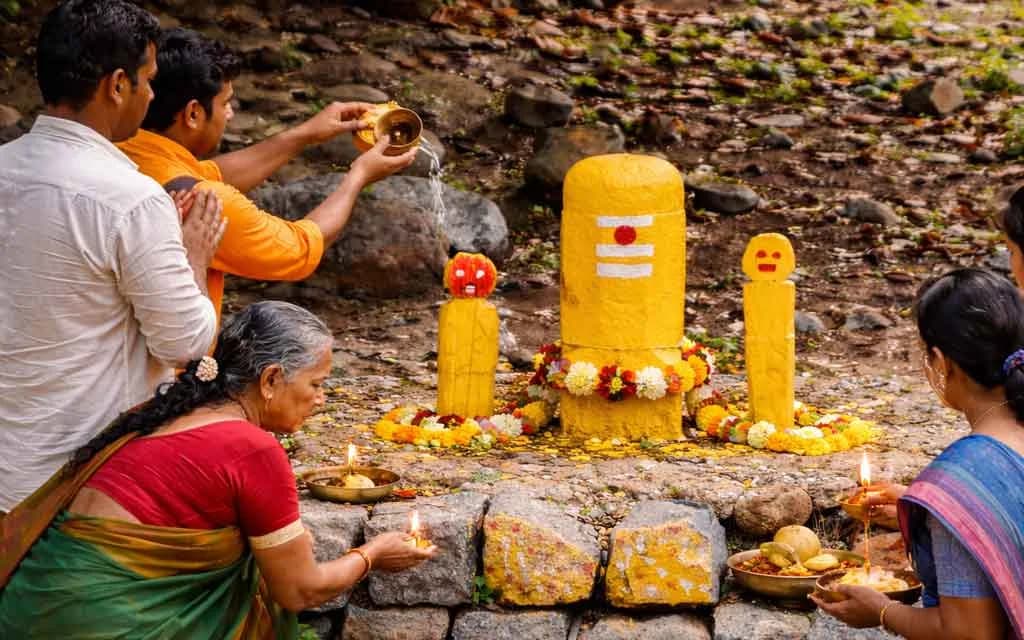
Bodrai literally means “Boddu” (navel or center) + “Raayi” (stone) in Telugu. It refers to a sacred stone pillar installed as the spiritual “navel” or foundational guardian before any new village settlement or construction begins.
- This stone is believed to protect the entire village from epidemics (such as cholera or smallpox in historical times), evil forces, natural calamities, and misfortune.
- It ensures good rainfall, fertile crops, healthy livestock, and overall community prosperity.
- The Bodrai is revered as a manifestation of Shakti (divine feminine energy), often linked to village goddesses like Mahankali, Pochamma, or Poleramma.
In traditional village planning, the Bodrai acts like the heart of the settlement — much more significant than a mere foundation stone. Villagers offer prayers to it on important occasions, including weddings. Newlyweds traditionally visit the Bodrai to seek blessings for a happy married life.
Bodrai vs Bonalu: Clear Differences (Important for NRIs)
Many NRIs confuse the two because both involve folk elements and village deities, but they are distinct:
- Bonalu: Urban-centric (mainly Hyderabad-Secunderabad), celebrated in Ashada Masam (July–August) with women carrying decorated Bonam pots to Mahankali temples, grand processions, Rangam (oracle), and state holiday. It is a thanksgiving to the Goddess for protection from plagues.
- Bodrai: Primarily rural village festival, usually held in May–June (pre-monsoon/summer). The focus is on the Bodrai stone pillar itself rather than a temple deity. It emphasizes village foundation, protection, and community bonding.
While some rituals like Bonam offerings and Pothuraju processions may overlap, Bodrai is more intimate, caste-and-community driven, and tied to the physical stone guardian of the village.
Historical Background and Recent Revival
Bodrai is an ancient Deccan tradition dating back centuries. Before building homes or starting a new hamlet, communities would ceremonially install the Bodrai stone as “Nabi Sila Pratishthanam” (consecration of the navel stone).
Over decades, urbanization caused many villages to neglect this practice. However, since around 2019–2023, a beautiful cultural renaissance has taken place. Villages such as Kondurg, Chilkur, Saroornagar, Fatehpur, Thanedarupally, and others have revived the tradition by cleaning ancient Bodrai stones or installing new ones with grand ceremonies — some after a gap of 150 years!
This revival reflects growing pride in Telangana’s indigenous folk culture and a desire to reconnect younger generations with ancestral roots.
How Bodrai Festival is Celebrated: Traditional Rituals
Bodrai celebrations typically last 3 days (sometimes longer) and are highly participatory:
- Day 1: Cleaning and purification of the Bodrai stone, anointing with turmeric, vermilion (kumkum), neem leaves, and flowers.
- Processions: Led by Pothuraju (a man dressed as the guardian deity with a whip and neem leaves), accompanied by dappu drums and folk music. Women carry Bonam pots on their heads.
- Offerings and Pujas: Sarees, bangles, rice, jaggery, and other items are offered. In traditional settings, symbolic rituals (including regulated animal offerings in some communities) are performed to ward off evil.
- Folk Arts & Community Feast: Dappu dances, Lambadi songs, and other rural performances. A grand community daawat (feast) with traditional Telangana dishes brings everyone together.
- Closing: Collective prayers for the village’s health, good harvest, and protection.
Newly married couples and families participate actively, strengthening social bonds.
Bodrai 2026: What NRIs Can Expect
Exact statewide dates do not exist because Bodrai is village-specific. Celebrations in 2026 are expected between May and June 2026, aligned with local auspicious timings.
- Many villages around Hyderabad outskirts (Saroornagar, Hayathnagar, Amberpet areas, etc.), Ranga Reddy, Warangal, and other districts will host events.
- In urban-adjacent areas like Amberpet (Mahankali Temple), small-scale Bodrai events may also occur alongside other festivals.
For NRIs:
- Virtual Participation: Families back home often live-stream processions, pujas, and Rangam-like rituals on WhatsApp, YouTube, or Instagram. Ask your relatives to share videos so you can join remotely and feel connected.
- Planning a Visit: If visiting India in summer 2026, coordinate with family or village elders to attend a Bodrai festival. It offers an authentic, less commercial experience compared to big-city events.
- Cultural Preservation: Many NRIs are supporting the revival by donating for new Bodrai installations or organizing awareness events in diaspora communities (e.g., Telangana Associations in the US, UK, or Dubai).
Why Bodrai Matters to the Global Telugu Diaspora
In a fast-paced world, Bodrai reminds us of simple yet profound values: community protection, gratitude to Mother Earth, and preserving roots. For NRIs raising children abroad, introducing them to Bodrai through stories, videos, or home-based mini-rituals (like offering prayers to a symbolic stone) helps pass on Telangana’s unique folk identity.
It is more than a festival — it is a living link to the villages your grandparents or parents came from.
Jai Bodrai! Jai Gram Devata! Jai Telangana!
This detailed guide is crafted especially for www.hindutone.com to help NRIs and global readers understand and appreciate this reviving Telangana tradition. Dates and programs vary by village — connect with your family village panchayat or local contacts for 2026 specifics. For the latest updates, follow Telangana cultural pages or news portals closer to May–June 2026.
Frequently Asked Questions
When is Bodrai Festival in Telangana 2026?
Bodrai Festival in Telangana is observed on its traditional tithi in the Hindu lunar calendar; refer to the year's panchang for the exact date in your region.
What is the significance of Bodrai Festival in Telangana?
For Non-Resident Indians (NRIs) from Telangana living across the USA, UK, Canada, Australia, Gulf countries, and beyond, connecting with ancestral roots has never been more meaningful. While you may be familiar with grand festivals like Bonalu in Hyderabad, Bodrai (Bodrai Panduga or Boddu Raayi) offers a deeper, more intimate glimpse into rural Telangana’s a
How is Bodrai Festival in Telangana celebrated?
Devotees observe it with puja, fasting or special offerings, visiting temples, chanting mantras, and gathering with family. Customs vary by region and tradition.
What should devotees do on Bodrai Festival in Telangana?
Take a sacred bath, perform the day's puja and charity (dana), observe any prescribed fast, and chant mantras with sincere devotion.
You might also like
June 2026 Hindu Festival Calendar — Complete Dates, Vrat & Puja Guide for NRIs
Shani Deva Temples Worldwide & Must-Performed Rituals — Complete Devotee's Guide
Hindu Festival Calendar 2026 — Complete Guide for NRIs (Dates, Tithis, Puja)