South Africa Diwali 2026 Celebrations: Complete Festival Guide
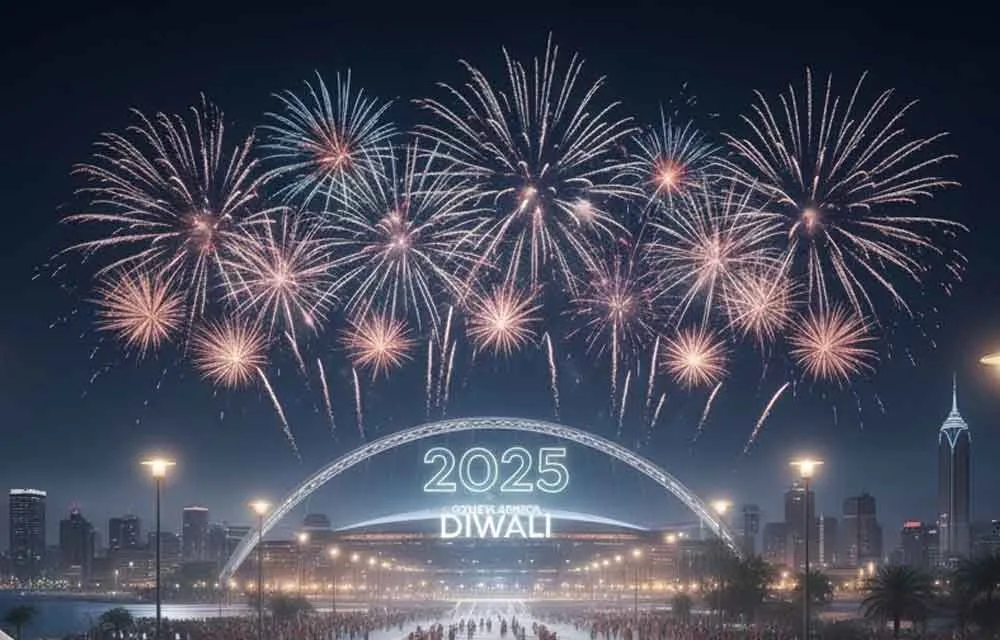
Diwali 2026 in South Africa falls on Sunday 8 November, about three weeks later than last year. Here are the five-day dates, local sunset times, rituals, food and tips for families in Durban, Johannesburg and Cape Town.
Diwali 2026 in South Africa falls on Sunday 8 November, about three weeks later than last year. Here are the five-day dates, local sunset times, rituals, food and tips for families in Durban, Johannesburg and Cape Town.
Quick answer: Diwali 2026 in South Africa is on Sunday 8 November 2026. The five days, according to Drik Panchang for South Africa, are Dhanteras on Friday 6 November, Narak Chaturdashi on the morning of Sunday 8 November, Diwali / Lakshmi Puja on Sunday 8 November, Govardhan Puja (Annakut) on Monday 9 November and Bhai Dooj on Tuesday 10 November. Because 2026 has an extra lunar month, Diwali falls about three weeks later than it did last year.
South Africa is home to one of the oldest and largest Indian communities outside Asia, and Diwali is one of its most important festivals. This guide covers the 2026 dates, how families in Durban, Johannesburg, Pretoria and Cape Town observe the five days, traditional South African Indian festive food, and how to find 2026 community programmes.
Diwali 2026 dates in South Africa
| Day | Festival | Date in South Africa (2026) |
|---|---|---|
| 1 | Dhanteras (Dhantrayodashi) | Friday 6 November |
| 2 | Narak Chaturdashi (Chhoti Diwali) | Sunday 8 November (morning) |
| 3 | Diwali / Lakshmi Puja | Sunday 8 November (evening) |
| 4 | Govardhan Puja / Annakut | Monday 9 November |
| 5 | Bhai Dooj | Tuesday 10 November |
In South Africa the Narak Chaturdashi tithi is observed on the morning of 8 November, so the early oil bath and the evening Lakshmi Puja fall on the same day. Many families simply treat Saturday 7 November as their preparation day for cleaning, rangoli and cooking.
Diwali is not a public holiday in South Africa, and shops and offices keep normal hours. With the main day on a Sunday in 2026, most families will be able to do the evening puja and visit the temple without taking leave. Govardhan Puja and Bhai Dooj fall on working days, so plan those meals for the evening.
Lakshmi Puja timing: local sunset
Lakshmi Puja is done in the Pradosh Kaal, the period that begins at local sunset. Do not use a muhurat printed for India; it does not apply to South African time. Local sunset times for 2026 are:
| City | Sunset on Dhanteras (Fri 6 Nov) | Sunset on Diwali (Sun 8 Nov) |
|---|---|---|
| Durban | 6:21 PM | 6:23 PM |
| Johannesburg | 6:27 PM | 6:29 PM |
Lakshmi Puja is done in the Pradosh Kaal after local sunset. Confirm the exact muhurat for your city on Drik Panchang or with your temple priest. Families in Cape Town, Pretoria, Pietermaritzburg and other towns should check their own local sunset.
Diwali and the South African Indian story
The first indentured labourers from India arrived in Natal on 16 November 1860 to work on the sugarcane farms. Their descendants, together with later passenger Indian migrants, built temples, schools and cultural societies that have kept Hindu festivals alive for more than 160 years. Today the community numbers roughly 1.5 million people of Indian origin, with the strongest presence in KwaZulu-Natal (especially Durban and its surrounding towns), significant communities in Gauteng (Johannesburg and Pretoria) and a smaller but active community in the Western Cape.
Diwali has also become part of South Africa's wider multicultural life. Neighbours of every background are invited for sweets, schools often explain the festival to pupils, and public Diwali festivals regularly draw visitors from outside the Hindu community.
Community celebrations in Durban, Gauteng and Cape Town
In past years the South African Hindu Maha Sabha (SAHMS) and other community bodies have organised large public Diwali festivals in Durban and Gauteng, typically with cultural performances, food stalls, bazaars and diya-lighting ceremonies. Cape Town has also hosted public Diwali events. Dates, venues and formats change from year to year, so for 2026 please check directly with SAHMS, your local temple and your community association for confirmed programmes. We will not list 2026 events until organisers announce them.
Whatever the venue, a typical public Diwali festival in South Africa includes:
- Classical and folk dance: Bharatanatyam, Kathak, Kuchipudi, Odissi, Garba and Bhangra
- Devotional music: bhajans, kirtans and aarti, alongside Bollywood and fusion performances
- Ramayana enactments and children's plays about the return of Rama
- Market stalls with saris, kurtas, jewellery, brass puja items, diyas and rangoli powders
- Food stalls with samoosas, breyani, bunny chow and Indian sweets
- Diya lighting and, where permitted, organised fireworks displays
The five days of Diwali at home
Day 1: Dhanteras (Friday 6 November)
Dhanteras honours Goddess Lakshmi and Lord Dhanvantari, the physician of the gods. Families buy something new, traditionally gold, silver or a steel or brass utensil, light the first diya at the entrance in the evening and finish the deep cleaning of the home. Read more in our Dhanteras 2026 guide.
Day 2: Narak Chaturdashi (Sunday 8 November, morning)
Narak Chaturdashi remembers Krishna's victory over the demon Narakasura. The custom is an early oil bath (abhyanga snan) before sunrise, followed by new clothes and a small lamp in the evening. In South Africa this falls on the same day as Lakshmi Puja in 2026. See our Naraka Chaturdashi 2026 guide.
Day 3: Diwali / Lakshmi Puja (Sunday 8 November, evening)
The main day. After sunset, families perform Lakshmi and Ganesha puja at the home altar, light rows of diyas in every room and at the doorway, and share sweets with family and neighbours. Business families traditionally close their old account books and seek blessings for the new financial year. Temples hold special evening aartis and distribute prasad. Our Lakshmi Puja 2026 guide has the full step-by-step vidhi.
Day 4: Govardhan Puja / Annakut (Monday 9 November)
Devotees remember Krishna lifting Govardhan hill to shelter the people of Vrindavan. Temples prepare a mountain of food offerings (Annakut, sometimes 56 or 108 dishes, the Chhappan Bhog) that is later shared as prasad. Gujarati families also mark their New Year on this day. See Govardhan Puja 2026.
Day 5: Bhai Dooj (Tuesday 10 November)
Sisters apply tilak to their brothers' foreheads and pray for their well-being; brothers give gifts and promise protection. Because it falls on a working day in 2026, many families hold the meal in the evening. Read our Bhai Dooj 2026 guide.
Preparing your home
- Deep-clean and declutter the house in the week before Dhanteras
- Draw rangoli at the entrance using coloured powder, rice flour or flower petals
- Hang a toran of marigolds and mango leaves over the main door
- Set up the puja altar with Lakshmi and Ganesha murtis or pictures, a kalash, flowers, fruit, sweets and coins
- Buy clay diyas, cotton wicks, ghee or oil, camphor and incense in advance from your local Indian store or temple shop
- Prepare sweets and savouries over the preceding days so the main evening is free for puja
South African Indian Diwali food
South African Indian cooking has its own flavour, shaped by more than a century and a half of local life. A typical Diwali spread mixes classic mithai with distinctly local favourites.
Sweets
- Ladoos: besan, motichoor, coconut and rava
- Barfi: milk, coconut, kaju and pista
- Gulab jamun, jalebi, rasgulla and peda
- Mysore pak and other ghee-rich gram flour sweets
- Local favourites such as milk-based sweetmeats and coconut ice made the family way
Savouries
- Samoosas (the South African spelling and style) with potato, pea or mince filling
- Chilli bites and dhaltjies (lentil and vegetable fritters)
- Chakli, sev, gathiya and namakpare
- Pakoras and bhajias
Mains
Vegetarian homes often serve dal, vegetable curries, puri and roti on the puja day itself, while many families cook breyani, mutton or chicken curry for the wider family gathering later in the weekend. Accompaniments include sambals, lime and mango pickles, raita and papadums.
Visiting the temple
- Remove shoes before entering and dress modestly
- Expect large crowds on the evening of Sunday 8 November; arrive early
- Check your temple's notice board or social media one to two weeks ahead for 2026 puja times
- Accept prasad with the right hand or both hands
- Avoid flash photography during aarti and follow the temple's photography rules
Fireworks, safety and an eco-friendly Diwali
Fireworks remain part of Diwali for many South African families, but rules on where and when they may be set off are set by local municipalities. Follow your municipality's by-laws, supervise children at all times, keep a bucket of water or an extinguisher nearby, and be considerate of neighbours, the elderly and pets. Many communities now prefer a single organised display to individual crackers.
- Use clay diyas and natural cotton wicks instead of plastic decorations
- Choose LED string lights and solar garden lights for outdoor decoration
- Make rangoli with rice flour, turmeric and flower petals
- Share leftover sweets and food with charities, children's homes and old age homes
- Join or organise a post-festival clean-up in your area
Diwali for children, youth and elders
Diwali is the best time of year to pass traditions on. Let children help draw rangoli, paint diyas and arrange the altar, and tell them the stories of Rama's return to Ayodhya and Krishna's victory over Narakasura. Teenagers can help with community seva, serving food or setting up at the temple. Elders are the keepers of family recipes and puja customs; set aside time for them to teach the next generation, and make sure they have comfortable seating and transport for temple visits.
Moderation helps everyone enjoy the five days: balance the sweets with fresh fruit and water, share the cooking and cleaning among the family, and leave space for quiet prayer as well as celebration.
Frequently asked questions
When is Diwali 2026 in South Africa?
Diwali (Lakshmi Puja) is on Sunday 8 November 2026. Dhanteras is Friday 6 November, Govardhan Puja is Monday 9 November and Bhai Dooj is Tuesday 10 November, according to Drik Panchang for South Africa.
Why is Diwali so much later in 2026?
The Hindu calendar adds an extra lunar month (Adhik Maas) roughly every three years to stay in step with the seasons. 2026 has one, so Diwali and the festivals around it fall about three weeks later than they did last year.
What time should Lakshmi Puja be done in Durban or Johannesburg?
Lakshmi Puja is done in the Pradosh Kaal after local sunset. On 8 November 2026 sunset is about 6:23 PM in Durban and 6:29 PM in Johannesburg. Confirm the exact muhurat for your city on Drik Panchang or with your temple priest.
Is Diwali a public holiday in South Africa?
No. Diwali is not a public holiday in South Africa and businesses keep normal hours. In 2026 the main day falls on a Sunday, which makes family puja and temple visits easier.
Where can I find Diwali 2026 events in South Africa?
Check with the South African Hindu Maha Sabha, your local temple and community associations in Durban, Gauteng and Cape Town for 2026 programmes, dates and venues. We do not list 2026 events until organisers confirm them.
Editor's note (4 October 2026)
This guide has been fully revised for 2026. Festival dates follow Drik Panchang for South Africa, and sunset times are local times for Durban and Johannesburg. We have removed last year's event listings, venues and dates; please confirm 2026 programmes directly with the South African Hindu Maha Sabha, your temple or your community association. Shubh Deepavali!
Related guides
You might also like
Gita Jayanti 2026 Prasad Recipes — Tulsi-Honoring Sweets, Krishna's Favourites & December 20 Bhog Plate
Maha Shivratri 2026 Vrat Recipes — Sabudana Khichdi, Singhada Halwa, Phalahara Foods Complete Fasting Guide
Hindu Festival Calendar 2026 — Complete Guide for NRIs (Dates, Tithis, Puja)