The Energy of Diwali 2026: How Lighting Diyas Boosts Positive Vibrations
Diwali 2026, the Festival of Lights, is not just about celebrations, sweets, and fireworks—it carries deep spiritual meaning.
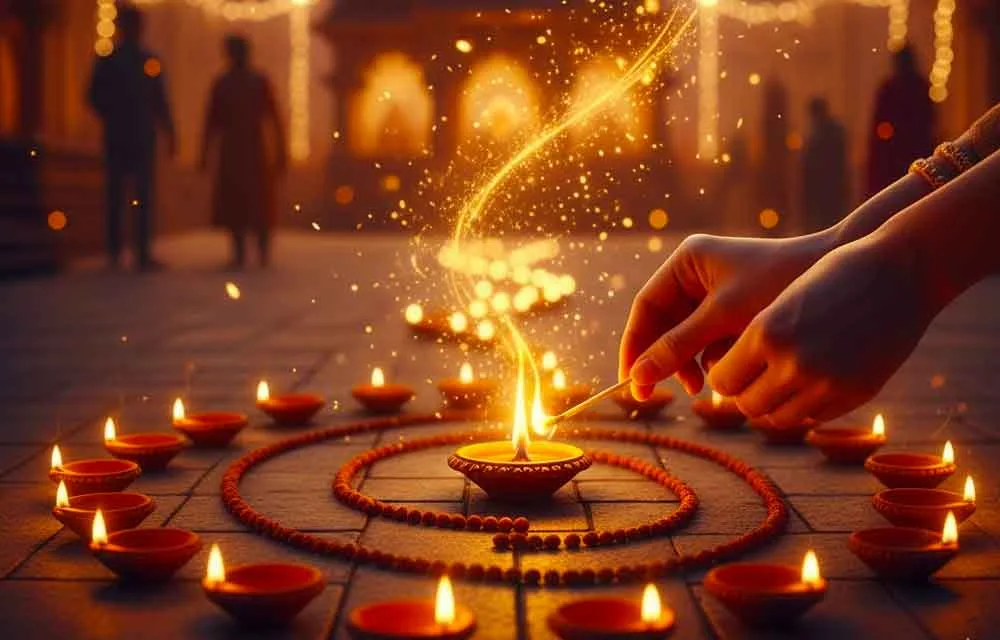
Diwali 2026, the Festival of Lights, is not just about celebrations, sweets, and fireworks—it carries deep spiritual meaning.
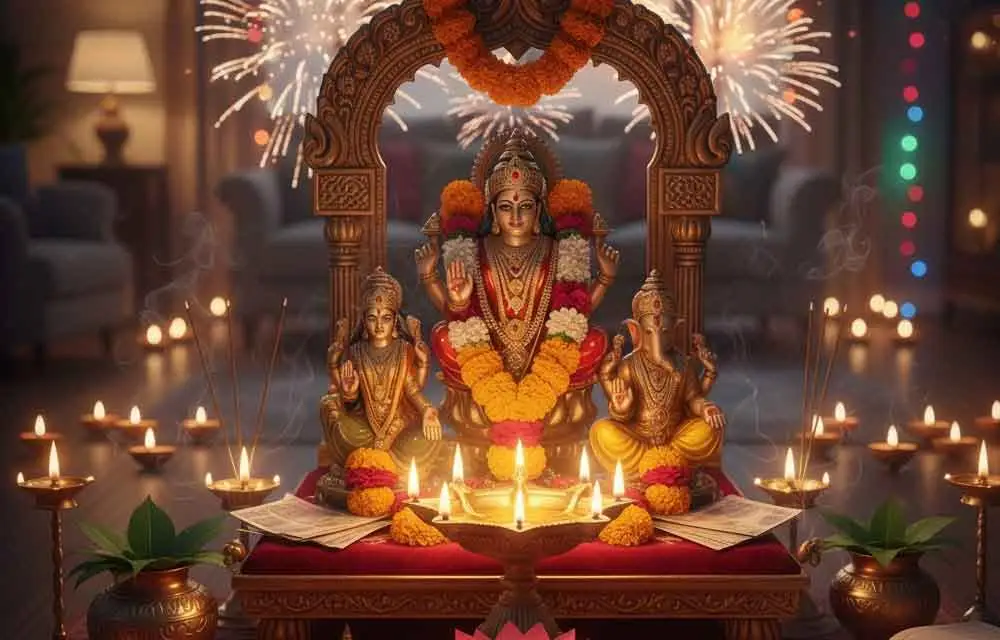
Diwali, the Festival of Lights, is not just about celebrations, sweets, and fireworks—it carries deep spiritual meaning. Among the most powerful traditions of Diwali is the lighting of diyas (oil lamps). Beyond their beauty, diyas hold the power to cleanse negative energy, uplift the spirit, and create an aura of positivity.
In this article, we will explore the science, spirituality, and symbolism behind lighting diyas and how they boost positive vibrations during Diwali.
Why Diyas Are Lit on Diwali
Lighting diyas has been part of Hindu culture for thousands of years. According to Hindu scriptures:
- Victory of Light over Darkness: Diyas symbolize the triumph of knowledge over ignorance and good over evil.
- Welcoming Goddess Lakshmi: Diyas are lit to invite Maa Lakshmi, the Goddess of Wealth and Prosperity, into homes.
- Spiritual Illumination: The flame represents the soul (Atman)—pure, eternal, and divine.
The Energy of Fire and Vibrations
According to Vastu Shastra and Ayurveda, fire has the ability to:
- Eliminate negative energy and purify the surroundings.
- Increase positivity through heat and light vibrations.
- Stimulate spiritual awareness, bringing calmness and focus to the mind.
When we light a diya, the ghee or oil inside releases positive ions, cleansing the atmosphere and uplifting vibrations.
Science Behind Diyas and Positivity
Modern science also explains the energy benefits of diyas:
- Heat & Light Energy – The diya’s flame produces gentle infrared radiation, which creates a soothing atmosphere.
- Aromatic Oils – Using sesame oil, mustard oil, or ghee generates natural fragrance, which reduces stress.
- Meditative Effect – Gazing at a diya flame helps in concentration, similar to the meditation practice of Trataka.
Best Practices for Lighting Diyas During Diwali
To maximize positive energy during Diwali 2026, follow these tips:
- Use Pure Oils or Ghee: Ghee is considered the most sacred and emits the highest positive vibrations.
- Place Diyas in the North-East: This direction attracts prosperity and divine blessings.
- Light an Odd Number of Diyas: Traditionally, 11, 21, or 51 diyas are lit for auspiciousness.
- Keep Diyas Burning All Night: Continuous light removes negative forces and ensures positivity.
- Decorate With Rangoli and Flowers: This enhances the energy field around the diya.
Spiritual Benefits of Lighting Diyas
- Invokes blessings of Maa Lakshmi and Lord Ganesha.
- Creates harmony and peace in relationships.
- Removes Vastu doshas (imbalances in energy).
- Enhances meditation, gratitude, and spiritual growth.
Conclusion
Diwali is not just a festival—it is an energy reset for our homes and hearts. Lighting diyas spreads light, warmth, and positivity, removing darkness from our surroundings and minds. This Diwali 2026, let every diya you light become a symbol of hope, happiness, and spiritual awakening.
So, when you light a diya, remember—it’s not just a ritual, but a powerful way to invite peace, prosperity, and divine energy into your life.
What Do the Vedas and Puranas Say About Sacred Fire and Light?
The reverence for flame in Hindu tradition is rooted in the Rigveda itself, where Agni — the deity of fire — is invoked in the very first hymn: 'Agnim īḷe purohitaṃ yajñasya devam ṛtvijam' (Rigveda 1.1.1). Agni is not merely a physical element but a divine intermediary who carries offerings to the celestial realms and purifies all that he touches. This foundational status of fire explains why the diya, however modest in size, is treated as a sacred object and not simply a decorative one.
The Skanda Purana specifically mentions that lighting a lamp with pure ghee during Kartika Amavasya — the moonless night on which Diwali falls — dissolves accumulated karmic impurities and attracts the grace of Goddess Mahalakshmi. The Padma Purana further describes how the light of a diya dispels Tamasic energy (the quality of dullness and ignorance) and awakens Sattvic energy (the quality of clarity and purity) in the environment and in the worshipper's own mind. These scriptural references confirm that the act of lighting a diya is, at its core, a Vedic yajna performed on a household scale.
How Does the Oil or Ghee Used in a Diya Affect Its Spiritual Potency?
Classical Ayurvedic texts, including the Ashtanga Hridayam, classify different oils according to their Dosha-balancing properties, and this classification directly informs diya tradition. Pure cow's ghee is held to be Sattvic in nature, meaning it promotes mental clarity, devotion, and peace. When ghee burns, it releases butyric acid and other short-chain fatty acids into the air in extremely small quantities, which Ayurvedic practitioners associate with a purifying and calming effect on the respiratory system and the mind.
Sesame oil (til ka tel) holds a special place during Diwali because sesame is sacred to Lord Yama, the deity governing the cycle of life and death. Lighting sesame-oil diyas is believed to honor the ancestors (Pitrs) and seek their blessings, an important spiritual dimension of Diwali that complements the Lakshmi puja. Mustard oil diyas are traditionally placed at thresholds and corners to ward off negative energies, especially on the night of Narak Chaturdashi, the day before Diwali proper. Each oil thus carries its own vibration and ritual purpose, making the choice of medium a thoughtful spiritual decision rather than a mere practical one.
Which Direction and Placement of Diyas Matters Most, and Why?
Vastu Shastra divides the home into directional zones governed by different deities and energies. The North-East (Ishanya kona) is ruled by Lord Shiva and is considered the zone of divine wisdom and spiritual receptivity — placing diyas here opens the household to higher consciousness. The South direction is associated with Yama and the realm of ancestors; a single diya placed facing South on Diwali night is a traditional act of remembrance and protection for the soul's journey after death.
The threshold of the main door (Dwara) receives special attention: diyas placed on both sides of the entrance form a symbolic gateway of light that invites Goddess Lakshmi and prevents negative energies from entering. The tulsi plant courtyard (Tulsi Vrindavan), present in many traditional homes, is another critical location — a diya placed before the tulsi during Kartika month is mentioned in the Skanda Purana as generating merit equivalent to a pilgrimage. Practically, lighting multiple small diyas at even intervals along windowsills and steps ensures that no dark corner remains, since darkness in Vastu thought is not merely aesthetic but energetically significant.
What Is the Practice of Trataka, and How Does Gazing at a Diya Deepen Meditation During Diwali?
Trataka — meaning 'to gaze steadily' — is one of the Shatkarmas (six purificatory practices) described in the Hatha Yoga Pradipika. The practitioner fixes an unwavering gaze on a single point of light, most traditionally a lamp flame, without blinking until the eyes water. This practice systematically trains the mind to withdraw from external distractions, a preparatory step toward deeper states of dhyana (meditation). During Diwali, when homes are filled with multiple diyas, practitioners find the atmosphere uniquely conducive to Trataka because the quality of the light — soft, warm, and flickering — naturally draws the eye inward.
Even for those who do not follow a formal yoga discipline, sitting quietly before a diya for five to ten minutes while observing the flame can shift brainwave activity from the busy Beta state toward the calmer Alpha state, which is associated with relaxed alertness and creative thinking. The Chandogya Upanishad uses the lamp metaphor to describe the Atman: 'The light that shines beyond this heaven... that is the same light that shines within a person' (3.13.7). Conscious gazing at a diya flame during Diwali is therefore not a passive act but an active inquiry into the nature of the self.
How Do Different Regions of India Adapt the Diya Tradition, Reflecting Local Scriptural Emphasis?
In Varanasi (Kashi), Diwali evening begins with the Dev Deepawali rehearsal ritual at the Dashashwamedh Ghat, where rows of earthen diyas are set afloat on the Ganga. The act draws from the belief recorded in the Kashi Khanda of the Skanda Purana that a lamp offered to the sacred river during Kartika liberates seven generations of one's lineage. The spectacle is inseparable from the city's identity as the abode of Lord Vishwanath and the crossing-point between the mortal and divine worlds.
In Tamil Nadu, the festival of Karthigai Deepam — closely related in spirit to Diwali — culminates with the lighting of the great beacon atop the Annamalai hill at Tiruvannamalai, representing Lord Shiva as the pillar of infinite light described in the Shiva Purana. In West Bengal and Odisha, diyas are lit specifically to guide the spirits of ancestors during Bhoot Chaturdashi, adding a distinct ancestral-reverence layer to the festival's energy. In Gujarat and Maharashtra, the arrangement of diyas forms intricate Rangoli patterns on courtyards, integrating visual sacred geometry with the vibration of fire to create what traditional practitioners call a Mandala of Light — a consecrated space that amplifies collective prayer and intention.
Related 2026 guides
- Diwali 2026: dates, Lakshmi Puja muhurat & 5-day guide
- Lakshmi Puja muhurat 2026 in 30 Indian cities
- Lakshmi Puja vidhi 2026: step-by-step
- Dhanteras 2026
- Diwali 2026 5-day calendar at a glance
Share the Diwali 2026 blessing
Every diya we light this Diwali 2026 is a quiet act of devotion. Its small flame stands for the inner light of the soul, pure and steady, and for the victory of light over darkness that Diwali celebrates. As commonly told, Maa Lakshmi is drawn to homes filled with lamps, gratitude and harmony. Let the glow of your diyas lift the mood of your home and your heart, and pass that positive energy on by sharing a blessing with your family today.
Deepa shloka: the lamp prayer
शुभं करोति कल्याणम् आरोग्यं धनसम्पदा। शत्रुबुद्धिविनाशाय दीपज्योतिर्नमोऽस्तु ते॥
Shubham karoti kalyanam arogyam dhana-sampada, shatru-buddhi-vinashaya deepa-jyotir namostu te.
Meaning: I bow to the light of the lamp, which brings what is auspicious and good, health and prosperity, and destroys ill-will. Many families recite it as they light the evening diya.
Lakshmi mantra for Diwali
ॐ श्रीं महालक्ष्म्यै नमः॥
Om Shreem Mahalakshmyai Namah.
Meaning: Salutations to Mahalakshmi. Shreem is the seed syllable traditionally associated with Lakshmi.
Diwali 2026 messages to share
🪔 May every diya in our home spread warmth, harmony and positive energy among us. Wishing my dear family a joyful, peaceful Diwali 2026! ✨ Share on WhatsApp
🙏 To my beloved parents and elders: may the light of the diya fill your days with good health, calm and happiness. Your blessings are my greatest light. 🪔 Share on WhatsApp
✨ Happy Diwali, dear friend! May the glow of your diyas chase away every worry and fill your home with laughter, hope and good vibes. 🌸 Share on WhatsApp
🪔 Warm Diwali wishes to you and your team. May this festival bring fresh energy, clear focus and success built on sincere effort. 🙏 Share on WhatsApp
🌸 May Maa Lakshmi enter your home on the path of glowing diyas and bless it with grace, harmony and contentment this Diwali. 🪔🙏 Share on WhatsApp
🙏 As Ayodhya glowed with lamps to welcome Lord Rama home, may your home glow with love, faith and the joy of good over evil. Happy Diwali! 🪔✨ Share on WhatsApp
A short Diwali prayer
Maa Lakshmi and Lord Ganesha, as I light this diya, I offer you my gratitude. Let its flame clear away heaviness and doubt from my home and my mind. Fill our family with health, calm and understanding for one another. Lord Ganesha, remove the obstacles I place in my own path. Maa, teach me right effort, patience and a generous heart, so that the light I receive I may share.
Use the share buttons on this page to send these blessings to your family and friends.
Frequently Asked Questions
When is Diwali 2026 and when should diyas be lit?
Diwali (Lakshmi Puja) falls on Sunday, November 8, 2026, in India and also in the USA, UK, Canada, Australia, UAE and Singapore. Diyas are lit in the evening of Diwali, and many families keep them burning through the night.
Why are diyas lit on Diwali?
Diyas symbolise the victory of light over darkness, knowledge over ignorance and good over evil. They are also lit to welcome Goddess Lakshmi into the home, and the flame is seen as a symbol of the Atman, the pure and eternal soul.
Which oil is best for Diwali diyas: ghee, sesame or mustard oil?
Pure cow's ghee is considered the most sacred and Sattvic choice. Sesame oil diyas are traditionally lit to honour the ancestors, as sesame is linked to Lord Yama, while mustard oil diyas are placed at thresholds and corners to ward off negative energies.
Where should diyas be placed at home on Diwali according to Vastu?
Vastu Shastra favours the North-East (Ishanya) corner and both sides of the main entrance to welcome Goddess Lakshmi. Many families also place a single diya facing South for the ancestors, one before the tulsi plant, and small diyas along windowsills and steps so no corner stays dark.
How many diyas should be lit on Diwali?
Traditionally an odd number of diyas is lit for auspiciousness, commonly 11, 21 or 51. Many households add Rangoli and flowers around the diyas to enhance the festive atmosphere.
You might also like
Gita Jayanti 2026 Prasad Recipes — Tulsi-Honoring Sweets, Krishna's Favourites & December 20 Bhog Plate
Maha Shivratri 2026 Vrat Recipes — Sabudana Khichdi, Singhada Halwa, Phalahara Foods Complete Fasting Guide
AI Image Prompts for Diwali 2026 — Best Gemini, ChatGPT, Midjourney & Stable Diffusion Templates for Hindu Festival Visuals