Festivals in Phalguna Masam 2026
Phalguna Masam (also called Phalgun Maas or Falgun month) is the final month in the Hindu lunar calendar (Purnimanta system, common in North India), running…
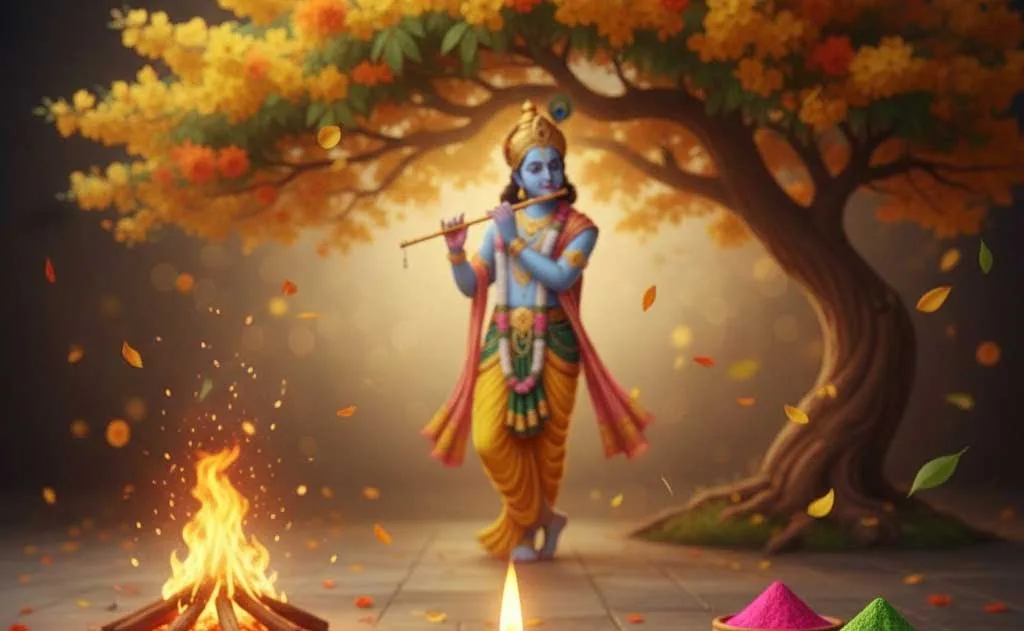
Phalguna Masam (also called Phalgun Maas or Falgun month) is the final month in the Hindu lunar calendar (Purnimanta system, common in North India), running approximately from February 2/3, 2026, to March 3, 2026. In South India (Amanta system, followed in Telugu calendars including Hyderabad, Telangana), it starts around February 18, 2026, and ends in mid-March.
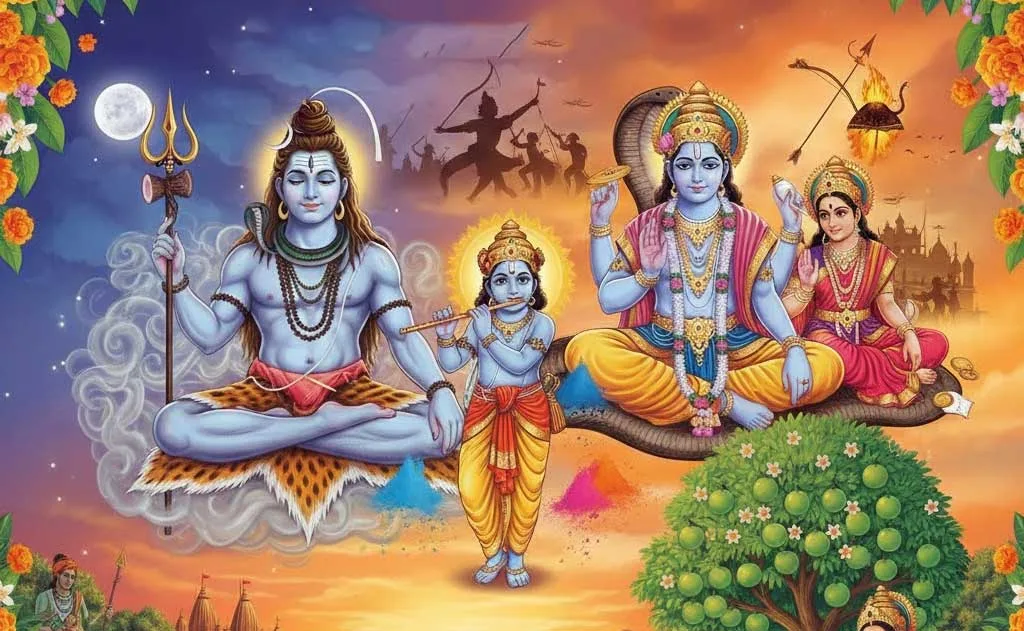
The month is rich in spiritual observances, with major festivals focused on devotion to Lord Shiva, Lord Vishnu, ancestral rites, and the joyful arrival of spring.
Major Festivals in Phalguna Masam 2026
Here are the key festivals and significant observances (dates based on standard North Indian Purnimanta Panchang; South Indian dates may shift slightly for some tithis):
- Maha Shivaratri
- Date: February 15, 2026 (Sunday)
- The grandest festival of the month, observed on Krishna Paksha Chaturdashi.
- Celebrates Lord Shiva's cosmic role, his marriage to Parvati, and the night of awakening. Devotees perform rigorous vrat, night-long jagran, abhishekam with bilva leaves, milk, and honey, and chant "Om Namah Shivaya."
- A night for overcoming ignorance, sins, and seeking spiritual enlightenment.
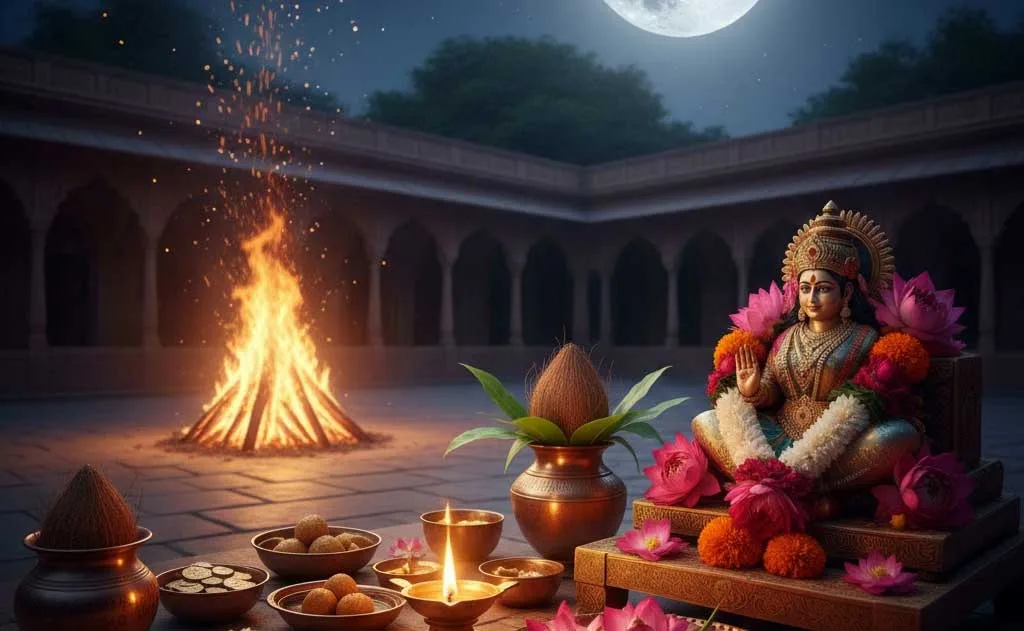
- Holika Dahan (Chhoti Holi)
- Date: March 3, 2026 (Tuesday evening)
- Bonfire ritual symbolizing the burning of evil (Holika's story with Prahlada). Often coincides with Phalguna Purnima and a lunar eclipse in some sources.
- Holi (Rangwali Holi / Dhulandi)
- Date: March 4, 2026 (Wednesday)
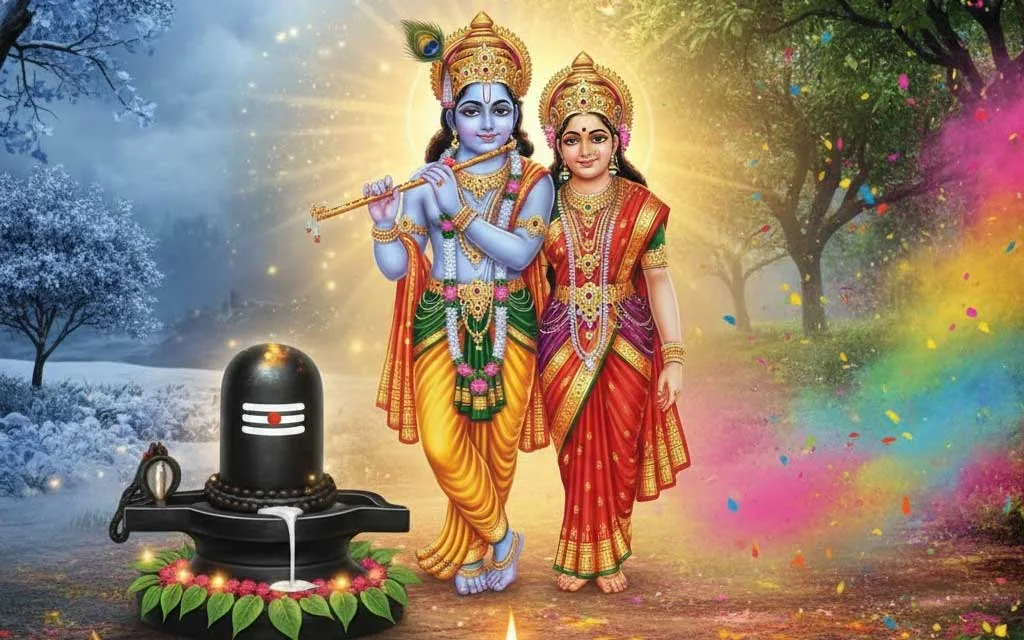
- The festival of colors, celebrating Radha-Krishna's love, spring's arrival, victory of good over evil, and forgiveness. People play with gulal/colors, throw water, exchange sweets, and gather in communities.
Other Important Observances & Vrats in Phalguna 2026
- Sankashti Chaturthi – February 5, 2026 (Thursday): Moon-sighting fast for Lord Ganesha to remove obstacles.
- Janaki Jayanti (Sita Jayanti) – February 9, 2026 (Monday): Birthday of Goddess Sita.
- Vijaya Ekadashi – February 13, 2026 (Friday): Vishnu fast for victory and success.
- Phalguna Amavasya – Around February 17–18, 2026 (Tuesday/Wednesday, often Bhomvati Amavasya in some years): Ideal for Pitru Tarpan (ancestral offerings) and karmic cleansing.
- Ratha Saptami – Around February 27, 2026: Worship of Surya Dev for health and vitality (Sun God in chariot form).
- Phalguna Purnima – March 3, 2026 (Tuesday): Full moon day, linked to Holi; also marks charity and spiritual merit.
Phalguna is ideal for Ekadashi vrat, daily Shiva/Vishnu puja, charity (dana), and sattvic living to purify karma and welcome renewal.
In Hyderabad (Telangana), follow your local Telugu Panchang for precise tithi timings, as South Indian traditions emphasize Amanta reckoning—major events like Maha Shivaratri and Holi align closely nationwide.
May the divine energy of Phalguna bring you joy, devotion, and blessings! [image: 🌸] [image: 🕉️]
Why is Phalguna Masam considered the most auspicious month for Lord Shiva's worship?
Phalguna holds a singular place in Shaiva tradition because the entire month is dedicated to intensified Shiva upasana, not merely the single night of Maha Shivaratri. The Shiva Purana (Vidyeshvara Samhita) states that abhishekam performed on any Monday of Phalguna with panchamrita — milk, curd, ghee, honey, and sugar — yields merit equivalent to performing the Ashvamedha yagna. Temples such as the Kashi Vishwanath Jyotirlinga in Varanasi and the Mallikarjuna Jyotirlinga in Srisailam, Andhra Pradesh, receive exponentially larger numbers of pilgrims throughout this month.
The association between Phalguna and Shiva is also cosmological. Traditional commentators link the constellation Uttara Phalguni, which gives the month its name, to the presiding deity Aryaman (a form of solar energy), and interpret this solar-lunar junction as the moment when Shiva's grace (anugraha shakti) flows most freely toward devotees. Fasting on Pradosha Vrat, which falls twice a month on Trayodashi tithi, is considered especially powerful when it occurs within Phalguna, as the twilight hour (pradosha kala) is believed to be the time Shiva dances the Ananda Tandava.
What is the scriptural story behind Holika Dahan and its connection to Bhakta Prahlada?
The narrative of Holika Dahan is preserved in detail in the Bhagavata Purana (Seventh Skandha). Hiranyakashipu, a powerful asura king who had obtained a boon making him nearly indestructible, commanded universal worship of himself rather than Lord Vishnu. His own son Prahlada, a steadfast devotee of Vishnu, refused. After multiple failed attempts to kill Prahlada, Hiranyakashipu enlisted his sister Holika, who possessed a fireproof cloak, to sit in a bonfire with Prahlada on her lap. By divine will, the cloak flew off Holika and wrapped itself around Prahlada, and Holika was consumed by the flames.
The Phalguna Purnima bonfire thus commemorates not merely the destruction of a demoness but the theological truth that sincere bhakti is an indestructible shield. The ritual lighting of the Holika Dahan fire must be done during the Bhadra-free pradosha period according to panchang guidelines — a detail still carefully observed by priests in cities like Mathura, Vrindavan, and Pushkar. Families traditionally circle the fire (parikrama), offer raw coconut and wheat grains, and pray for protection from negativity in the coming year.
How is Holi celebrated differently across India's major regions and temple traditions?
In Vrindavan and Mathura, Holi spans nearly a week and centres entirely on Radha-Krishna leela. The Banke Bihari Temple in Vrindavan holds a celebrated 'Phool Wali Holi' where flowers are showered instead of chemical colours, drawing tens of thousands of pilgrims each year. In Barsana (Nandgaon area), the famous 'Lathmar Holi' re-enacts the playful confrontation between Krishna and the gopis, with women symbolically striking men with decorated sticks — a tradition rooted in accounts found in the Brahma Vaivarta Purana.
In the South, Holi (called Kamadahana or Kama Dahanam) carries a different mythological focus: the burning of Kamadeva by Shiva's third eye after Kama interrupted Shiva's meditation, and Kama's subsequent revival through Rati's grief and Parvati's intercession. Temples in Tamil Nadu observe Panguni Uthiram (which falls close to this season) with related themes of divine union. In Bengal, the festival is called Dol Purnima and coincides with the birthday of Sri Chaitanya Mahaprabhu (born Phalguna Purnima, 1486 CE), making it a doubly sacred day for Vaishnavas who celebrate with kirtan processions carrying the deity's image (dola utsava).
Communities in Rajasthan and Gujarat extend Holi celebrations with traditional folk music (Holi ke geet), and women sing specific Phalguna ragas that are reserved only for this month — a practice that reflects how deeply the season is woven into classical music theory, where Raga Bahar and Raga Hindol are considered the natural expressions of the Phalguna-Vasanta mood.
What is Janaki Jayanti and why does it fall in Phalguna?
Janaki Jayanti, observed on Phalguna Shukla Navami (February 9, 2026), commemorates the appearance of Goddess Sita, also called Janaki (daughter of King Janaka) and Vaidehi. The Valmiki Ramayana describes how Sita emerged from the earth while King Janaka was ploughing a sacred field during a yajna — hence she is also called Bhudevi's daughter in folk tradition. The Navami tithi of Shukla Paksha is specifically identified with this event in regional panchangs of Mithila (modern Bihar) and Telangana.
Devotees observe a day-long fast, recite the Sundara Kanda of the Ramayana, and offer white flowers to Sita's image. The Sita Samahit Sthal temple in Sitamarhi, Bihar, and the Sri Sita Ramachandra Swamy Temple in Bhadrachalam, Telangana, hold special utsavams on this day. Theologically, Sita represents Shakti in her most patient, dharmic form — her jayanti in Phalguna is seen as a counterpoint to Maha Shivaratri: if Shivaratri celebrates Shiva-Parvati union through tapas, Janaki Jayanti celebrates divine feminine grace through surrender and dharma.
What is the significance of Vijaya Ekadashi and Phalguna Amavasya in 2026?
Vijaya Ekadashi falls on Krishna Paksha Ekadashi of Phalguna (February 13, 2026) and is considered one of the most powerful among the 24 Ekadashis of the year. Its name, 'Vijaya' (victory), comes directly from its Puranic origin story: before the Lanka war, the sage Bakadalbhya advised Lord Rama to observe this fast to ensure victory over Ravana. This account, preserved in the Padma Purana (Uttara Khanda), makes Vijaya Ekadashi especially important for devotees seeking courage, clarity, and success in difficult endeavours.
Phalguna Amavasya (New Moon day, falling around February 17–18, 2026, depending on the regional panchang) is observed as a Pitru Tarpana day — an opportunity to offer water and sesame seeds (jal-tarpan with til) to departed ancestors. The Mahabharata and several Dharmashastra texts prescribe that Amavasya of every month is sacred for Pitru karma, but the Phalguna Amavasya carries additional weight because it immediately precedes the spring equinox season, traditionally understood as a transitional point when the boundary between the worlds of the living and the ancestors is considered more permeable. Pilgrimage to rivers such as the Godavari at Nashik or the Triveni Sangam at Prayagraj on this day is believed to multiply the merit of tarpana.
How does Phalguna Masam mark the arrival of Vasanta Ritu and its importance in Hindu thought?
Phalguna is the second month of Shishira Ritu (the cool-dewy season) in the six-season (shadritu) system of the Hindu calendar, and its latter half overlaps with the opening of Vasanta Ritu (spring). The Bhagavad Gita (Chapter 10, verse 35) contains Lord Krishna's declaration: 'Among the seasons I am Kusumakara (the flower-bearing, i.e., spring),' indicating that spring holds the highest spiritual resonance of all seasons. The blossoming of palasha (flame-of-the-forest) and mango trees during Phalguna is traditionally read as nature's own form of worship.
In Ayurveda, Phalguna signals the Vasanta ritucharya — the seasonal regimen for spring — during which accumulated Kapha from winter begins to liquefy. Classical texts such as the Ashtanga Hridayam prescribe lighter foods, herbal preparations including trikatu (ginger, black pepper, long pepper), and increased physical activity during this transition. Spiritually, the energy of renewal and rejuvenation that characterises spring is mirrored in the festival cycle itself: Shivaratri prompts inward awakening, and Holi expresses the outward, joyful release of that renewed life energy into the community.
Frequently Asked Questions
When does Phalguna Masam 2026 start and end?
In the Purnimanta system common in North India it runs roughly from February 2/3 to March 3, 2026. In the South Indian Amanta system, used in Telugu calendars, it starts around February 18 and ends in mid-March.
What are the main festivals in Phalguna Masam 2026?
Maha Shivaratri on February 15, Holika Dahan on March 3 and Holi on March 4, 2026, based on the North Indian Panchang. Vrats such as Vijaya Ekadashi (February 13) and Sankashti Chaturthi (February 5) also fall in this period.
How did Holika Dahan begin, as commonly told?
As commonly told in the Bhagavata Purana, Hiranyakashipu's sister Holika sat in a bonfire with Prahlada on her lap. Her fireproof cloak flew onto Prahlada and Holika burned, symbolising that sincere bhakti protects.
Why is Vijaya Ekadashi observed?
Vijaya Ekadashi falls on 13 February 2026. As commonly told, the sage Bakadalbhya advised Lord Rama to observe it before the Lanka war to ensure victory over Ravana, so devotees fast for courage and success.
What is done on Phalguna Amavasya?
Phalguna Amavasya, around February 17-18, 2026, is observed for Pitru Tarpan: offering water and sesame seeds to departed ancestors. The exact timing depends on the regional panchang.
How should Telugu devotees in Hyderabad follow Phalguna dates?
Follow the local Telugu Panchang for precise tithi timings, since South Indian tradition uses Amanta reckoning. Major events like Maha Shivaratri and Holi align closely across the country.
Share this with family and friends
Send it on WhatsApp, post it, or copy the link.
More from Festivals
- Vasant Panchami 2027 (Saraswati Puja, Basant Panchami, Sri Panchami): Date, Panchami Tithi, Puja Muhurat by City, Vidhi and Story
- Holi 2027: Date, Holika Dahan Muhurat City-Wise, Bhadra Timings, Puja Vidhi and Holi Abroad
- Makar Sankranti 2027: Date, Punya Kaal Timings City-Wise, Bhogi, Pongal, Kanuma, Lohri and Uttarayan
- Dev Deepawali 2026 Varanasi: Date, Purnima Time, Ganga Aarti, Story, Puja Vidhi and Deep Daan
- Kartik Purnima 2026: Date, Purnima Time, Snan, Deep Daan, Puja Vidhi and Significance