Essential Rituals Before Ganesh Nimmajanam: A Complete Guide to Sacred Ceremonies
Ganesh Nimmajanam, also known as Ganesh Visarjan, marks the sacred conclusion of the beloved Ganesh Chaturthi festival.
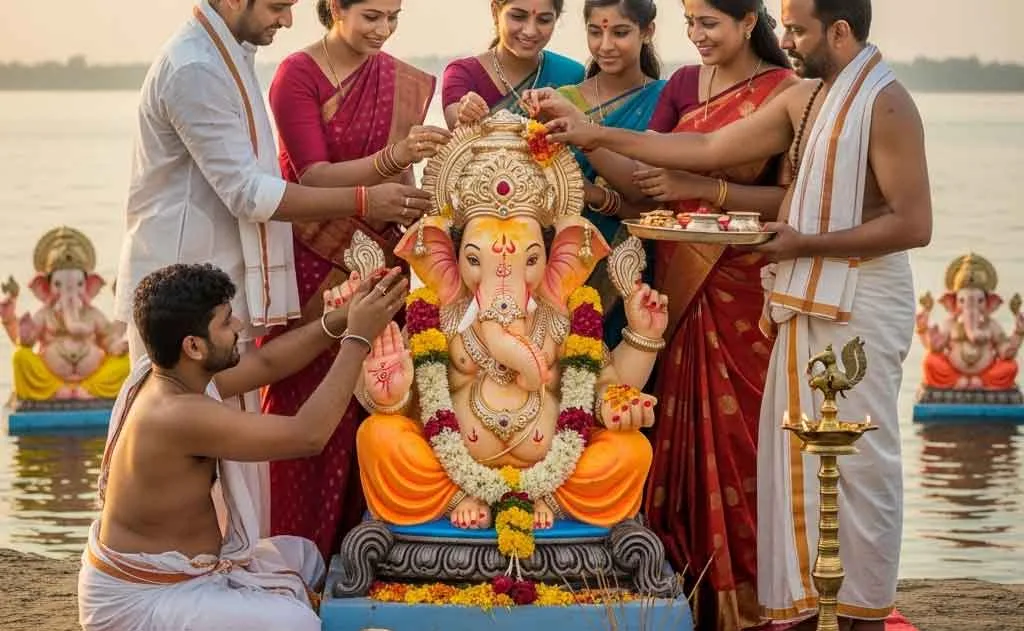
Ganesh Nimmajanam, also known as Ganesh Visarjan, marks the sacred conclusion of the beloved Ganesh Chaturthi festival.
Ganesh Nimmajanam, also known as Ganesh Visarjan, marks the sacred conclusion of the beloved Ganesh Chaturthi festival. This deeply spiritual ceremony involves the immersion of Lord Ganesha's idol in water, symbolizing his return to Mount Kailash to be with his parents, Lord Shiva and Goddess Parvati. However, before this momentous ritual takes place, devotees must perform several important ceremonies to ensure the proper farewell of Bappa. Understanding these pre-nimmajanam rituals is crucial for maintaining the sanctity and spiritual significance of this ancient tradition.
Why Pre-Nimmajanam Rituals Matter
The rituals performed before Ganesh Nimmajanam serve multiple spiritual purposes:
- Seeking Final Blessings: These ceremonies provide one last opportunity to receive Lord Ganesha's divine grace
- Expressing Gratitude: Devotees thank Bappa for his presence and blessings during the festival
- Spiritual Preparation: The rituals prepare both the deity and devotees for the sacred departure
- Cultural Preservation: Maintaining these traditions keeps our rich heritage alive for future generations
Essential Rituals Before Ganesh Nimmajanam
1. Final Aarti and Prayers (Antim Aarti)
The final aarti is one of the most emotional and significant rituals before nimmajanam:
Procedure:
- Light diyas (oil lamps) and incense sticks around the Ganesh idol
- Offer fresh flowers, particularly red hibiscus and marigolds
- Chant "Ganpati Bappa Morya, Mangal Murti Morya"
- Sing traditional aartis like "Sukh Karta Dukh Harta" and "Ganesh Aarti"
- Family members and devotees gather to participate collectively
Significance: This final worship session allows devotees to pour their hearts out in devotion and seek Lord Ganesha's continued blessings for prosperity and obstacle removal.
2. Offering of Panchamrit and Modak
Panchamrit Preparation:
- Mix equal parts of milk, yogurt, honey, ghee, and sugar
- Add a few drops of Ganga jal (holy water) if available
- Offer this sacred mixture to Lord Ganesha
Modak Distribution:
- Prepare or arrange fresh modaks (Lord Ganesha's favorite sweet)
- Offer 21 modaks to the deity
- Distribute prasad among all devotees present
3. Uttarpuja and Thanksgiving Ceremony
This special thanksgiving ritual expresses gratitude for all the blessings received:
Steps to Follow:
- Place fresh flowers and garlands on the idol
- Offer coconut, betel leaves, and fruits
- Light camphor and perform the final aarti
- Recite prayers thanking Lord Ganesha for his benevolent presence
- Seek forgiveness for any mistakes made during the festival
4. Sankalp (Sacred Resolution)
Before beginning the nimmajanam process, devotees must make a sankalp:
Elements of Sankalp:
- State your name, gotra (family lineage), and current date
- Express gratitude for Lord Ganesha's presence in your home
- Seek permission for the nimmajanam ceremony
- Request continued protection and blessings for the family
- Promise to welcome Bappa again next year with equal devotion
5. Removal of Decorations and Sacred Items
Careful Dismantling:
- Remove decorations mindfully and with respect
- Collect flowers, garlands, and other biodegradable offerings separately
- Store reusable decorative items for next year
- Handle everything associated with the deity with reverence
6. Purification Rituals (Shuddhi Karma)
Cleansing the Sacred Space:
- Sprinkle holy water around the puja area
- Clean the platform where the idol was placed
- Apply fresh turmeric and kumkum
- Light incense to purify the atmosphere
Special Mantras for Pre-Nimmajanam Ceremonies
Primary Ganesh Mantra
"Om Gam Ganapataye Namaha"
Chant this mantra 108 times during the final prayers.
Departure Prayer
"Vakratunda Mahakaya Suryakoti Samaprabha
Nirvighnam Kuru Me Deva Sarva Karyeshu Sarvada"
Gratitude Mantra
"Ganadhyakshaya Namaste Vighneshvaraya Dhimahi
Gurave Gam Ganapataye Mangalam Bhavatu"
Regional Variations in Pre-Nimmajanam Rituals
Maharashtra Traditions
- Dhol-Tasha Pathak: Musical processions before the final ceremony
- Collective Community Prayers: Societies and mandals organize group rituals
- Special Bharud: Devotional songs specific to the farewell
Andhra Pradesh and Telangana Customs
- Kalyanam Ceremony: A symbolic marriage ceremony for Ganesha
- 108 Names Recitation: Chanting Ganesha's 108 names (Ashtottara Shatanamavali)
- Naivedya Offering: Special feast preparations for the deity
Tamil Nadu Practices
- Vinayagar Chaturthi Vratam: Special fasting and prayer rituals
- Kola Urundai: Offering of special rice balls
- Temple-Style Worship: Following Agama shastra procedures
Items Required for Pre-Nimmajanam Rituals
Essential Puja Items
- Fresh flowers (hibiscus, marigold, lotus)
- Incense sticks and dhoop
- Camphor and diyas
- Holy water and panchamrit ingredients
- Fresh fruits and coconut
- Modaks and other sweets
- Red cloth and new clothes for the deity
Optional but Beneficial Items
- Sacred ash (vibhuti)
- Sandalwood paste
- Betel leaves and nuts
- Gold or silver ornaments for decoration
- Traditional musical instruments
Timing and Auspicious Moments
Best Times for Pre-Nimmajanam Rituals
- Morning Hours: Between 6 AM to 10 AM for positive energy
- Evening Time: After sunset for the final aarti
- Auspicious Days: Check the Hindu calendar for favorable muhurat
Duration Guidelines
- Allow at least 2-3 hours for complete rituals
- The final aarti should last minimum 30 minutes
- Take time for personal prayers and family participation
Common Mistakes to Avoid
Ritual Errors
- Rushing through the ceremonies
- Forgetting to seek permission before nimmajanam
- Not involving all family members in the final prayers
- Skipping the thanksgiving rituals
Practical Mistakes
- Not arranging proper transportation for the idol
- Forgetting to collect prasad for distribution
- Not preparing for eco-friendly immersion
- Inadequate planning for the procession route
Benefits of Proper Pre-Nimmajanam Rituals
Spiritual Benefits
- Complete Blessings: Ensures you receive Lord Ganesha's full grace
- Karmic Balance: Proper farewell maintains positive spiritual energy
- Family Harmony: Collective participation strengthens family bonds
- Cultural Connection: Deepens understanding of Hindu traditions
Practical Advantages
- Organized Process: Systematic approach reduces last-minute confusion
- Memorable Experience: Creates lasting spiritual memories
- Community Bonding: Brings neighbors and friends together
- Environmental Consciousness: Encourages responsible celebration
Eco-Friendly Considerations
Sustainable Practices
- Use natural, biodegradable decorations
- Choose clay idols over Plaster of Paris
- Collect flowers and organic offerings for composting
- Plan for artificial pond immersion where possible
Environmental Responsibility
- Avoid plastic decorations and non-biodegradable materials
- Use natural colors for rangoli and decorations
- Encourage community sharing of resources
- Promote awareness about water body conservation
Preparing Children for the Ceremony
Educational Aspects
- Explain the significance of each ritual to young family members
- Involve children in flower offerings and simple prayers
- Share stories about Lord Ganesha's wisdom and compassion
- Teach traditional songs and mantras
Emotional Preparation
- Help children understand that nimmajanam is a celebration, not a sad goodbye
- Emphasize that Lord Ganesha will return next year
- Encourage them to make personal prayers and wishes
- Create positive associations with the tradition
Post-Ritual Preparations for Nimmajanam
Final Arrangements
- Confirm transportation and route planning
- Gather family and friends for the procession
- Prepare flowers and eco-friendly materials for immersion
- Ensure safety measures for children and elderly participants
Documentation and Memories
- Capture photographs of the final rituals
- Record family prayers and special moments
- Preserve some prasad as blessed food
- Plan for next year's celebration
Conclusion
The rituals performed before Ganesh Nimmajanam are not mere customs but profound spiritual practices that honor our beloved Bappa and ensure his graceful departure. By following these traditional ceremonies with devotion and understanding, we maintain the sacred connection between the divine and earthly realms. These pre-nimmajanam rituals transform what could be a moment of sadness into a celebration of Lord Ganesha's eternal presence in our lives.
Remember, the true essence of these rituals lies not in their perfect execution but in the sincere devotion and gratitude we offer to Lord Ganesha. As we prepare for Bappa's departure, we carry his blessings forward into our daily lives, knowing that his wisdom and protection remain with us always.
Ganpati Bappa Morya, Mangal Murti Morya!
For more authentic Hindu traditions and festival guides, visit HinduTone.com - your trusted source for spiritual wisdom and cultural knowledge.
Frequently Asked Questions
When is Essential Rituals Before Ganesh Nimmajanam?
Essential Rituals Before Ganesh Nimmajanam is observed on its traditional tithi in the Hindu lunar calendar; refer to the year's panchang for the exact date in your region.
What is the significance of Essential Rituals Before Ganesh Nimmajanam?
Ganesh Nimmajanam, also known as Ganesh Visarjan, marks the sacred conclusion of the beloved Ganesh Chaturthi festival. This deeply spiritual ceremony involves the immersion of Lord Ganesha's idol in water, symbolizing his return to Mount Kailash to be with his parents, Lord Shiva and Goddess Parvati.
How is Essential Rituals Before Ganesh Nimmajanam celebrated?
Devotees observe it with puja, fasting or special offerings, visiting temples, chanting mantras, and gathering with family. Customs vary by region and tradition.
What should devotees do on Essential Rituals Before Ganesh Nimmajanam?
Worship Lord Ganesha, perform the day's puja and offerings, observe the fast where prescribed, and chant the associated mantras with devotion.
You might also like

Jyeshtha Masam 2026: Dates, Significance, Festivals, Mantras, and Danas – Complete Guide
Gita Jayanti 2026 Prasad Recipes — Tulsi-Honoring Sweets, Krishna's Favourites & December 10 Bhog Plate
Maha Shivratri 2026 Vrat Recipes — Sabudana Khichdi, Singhada Halwa, Phalahara Foods Complete Fasting Guide