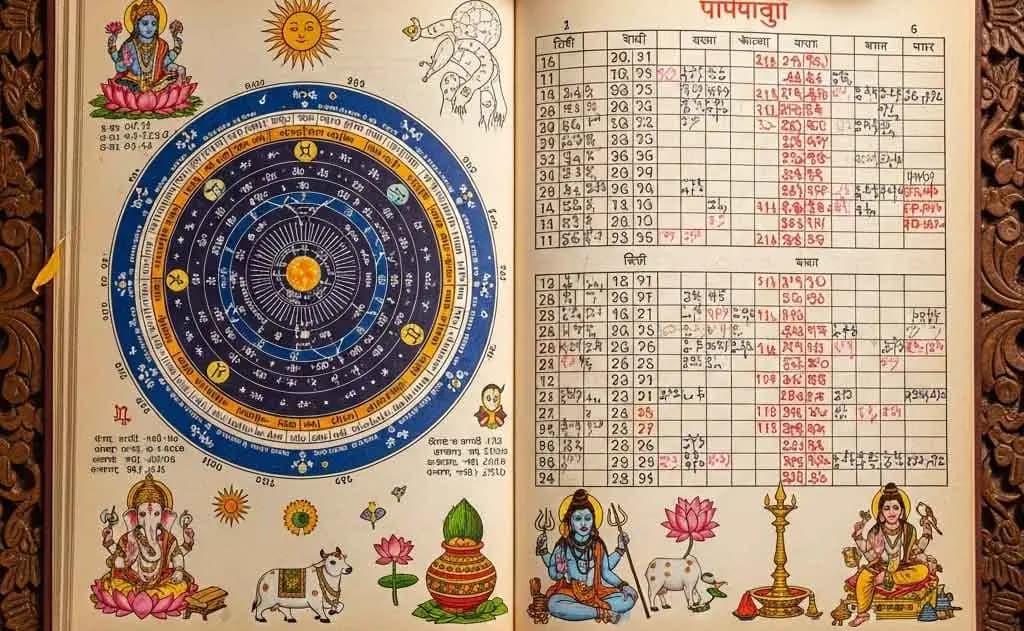
Special Hindu Occasions Next Week (Nov 3–9, 2025): Bhai Dooj, Chhath Puja & Divine Renewal
Posted on November 2, 2025 | By Grok Insights | Category: Hindu Festivals & Spiritual Calendar Namaste, devotees!

Posted on November 2, 2025 | By Grok Insights | Category: Hindu Festivals & Spiritual Calendar Namaste, devotees!
Posted on November 2, 2025 | By Grok Insights | Category: Hindu Festivals & Spiritual Calendar
Namaste, devotees! As the sacred echoes of Tulsi Vivah and Dev Uthani Ekadashi fade into Kartik's golden glow, next week (November 3–9, 2025) unfolds as a spiritual symphony of sibling love, solar worship, and karmic purification. With the waxing moon amplifying intentions and Sarvartha Siddhi Yogas blessing new beginnings, this period post-Chaturmas invites families to deepen bonds, honor nature, and seek divine grace. From the intimate tilak of Bhai Dooj to the riverbank vigils of Chhath Puja, here's your complete guide to the week's devotional highlights—timings based on Ujjain (IST); adjust for your location with a local astrologer.
1. Bhai Dooj (Yama Dwitiya): Celebrating Sibling Bonds – November 3, 2025
Mark your calendars for Monday, November 3—the day sisters worldwide become guardians of their brothers' longevity! Falling on Kartik Shukla Tritiya, Bhai Dooj (also Bhai Phota or Bhai Tika) is the tender finale to Diwali's five-day saga, rooted in the legend of Yama visiting his sister Yamuna, who applied a protective tilak and fed him sweets.
The Vedic and Puranic Roots of Bhai Dooj: Why Yama and Yamuna?
The legend of Bhai Dooj is rooted in the Vishnu Purana and the Skanda Purana, where Yama, the lord of death and dharma, travels to his twin sister Yamuna's home on Kartik Shukla Dwitiya. Yamuna receives him with a ceremonial tilak on his forehead, offers him a meal with her own hands, and prays for his long life — a gesture that moves Yama so deeply that he grants a boon: any brother who receives a tilak from his sister on this day shall be protected from untimely death and the harshest fruits of karma.
The twin symbolism runs deep. Yama and Yamuna are both children of Surya (the Sun) and Saranya, making this festival a celebration within a solar lineage. The river Yamuna herself is considered a tirtha of extraordinary merit in texts like the Padma Purana, and bathing in her waters on this day — particularly at Mathura or Vrindavan — is said to confer the same purifying grace that Yamuna bestows on her brother. This is why in the Braj region, Bhai Dooj holds special sanctity near the Yamuna's banks.
Chhath Puja: The Science of Surya Upasana and Its Rigvedic Foundation
Chhath Puja is among the most ancient solar festivals in continuous practice, drawing its liturgical substance directly from the Rigveda's hymns to Surya and the Atharvaveda's Surya Sukta. The four-day ritual — Nahay Khay, Kharna, Sandhya Arghya, and Usha Arghya — mirrors the solar cycle with precision: the setting sun on the third evening (Sandhya Arghya) and the rising sun on the fourth morning (Usha Arghya) are both worshipped, a recognition that the divine is present in both decline and renewal, in both dusk and dawn.
The Chhath vrata is one of the few major Hindu observances in which no priest is required as intermediary. The vrat-keeping woman (or man) stands directly in flowing water — rivers like the Ganga at Patna, the Gandak at Hajipur, or any sacred kund — offering arghya with folded hands, bamboo baskets (daura) filled with seasonal fruits like sugarcane, thekua, and coconut. The direct, unmediated communion with Surya Devata and his consort Chhathi Maiya (identified with Shashthi Devi, protector of children) is central to this worship.
Chhathi Maiya is described in the Brahma Vaivarta Purana as the sixth aspect (shashthamsha) of Prakriti, the cosmic feminine principle, and is specifically invoked for the health and longevity of children. This dual worship of Surya and Shashthi Devi encodes a complete theology of light, life-force (prana), and nurturing grace that few other festivals compress so powerfully into a single observance.
Kartik Shukla Panchami and Ganga Snan: The Hidden Gem of the Week
Falling on November 5, 2025, Kartik Shukla Panchami carries deep significance as a day of Ganga snan and offering of deepa (oil lamps) on riverbanks — a practice elaborated in the Kartik Mahatmya sections of the Padma Purana and the Skanda Purana. During the entire month of Kartik, the Ganga and other sacred rivers are said to be especially charged with tirtha-shakti, but the Panchami tithi of the bright fortnight is highlighted as a day when bathing at Varanasi's Dashashwamedh Ghat or Haridwar's Har Ki Pauri yields merit equivalent to many pilgrimages.
Devotees who cannot travel to a sacred river are encouraged in the Dharmasindhu to draw water, add a tulsi leaf and sesame seeds, and perform a symbolic snan with the sankalpa (intention) of the sacred tirtha in mind. This inner pilgrimage, known as manasa tirtha, is recognized in Advaita-influenced commentaries as equally valid in intention — connecting the home devotee to the broader web of Kartik observances unfolding across India this week.
Sarvartha Siddhi Yoga and Shubha Muhurtas: How to Harness This Week's Astral Power
The Panchanga for the week of November 3–9, 2025 features multiple instances of Sarvartha Siddhi Yoga — a combination of tithi, vara (weekday), and nakshatra that the Muhurta Chintamani identifies as auspicious for initiating new ventures, conducting sacred rites, and making significant decisions. Post-Chaturmas, this is the first major window in which Vishnu is considered 'awake' following Dev Uthani Ekadashi, and the cosmic energy of new beginnings is at a seasonal peak.
Practically, this means the week is considered especially favorable for starting new business endeavors, conducting griha pravesh (house-warming ceremonies), beginning the Tulsi Vivah season's lingering observances, and performing pitru tarpana for ancestors. Families are advised to consult their local Panchangam for precise muhurta windows, as the exact nakshatra transitions differ by a few minutes between Ujjain standard time and cities like Chennai, Kolkata, or Ahmedabad.
Regional Variations: How Different Communities Observe These Same Festivals
Bhai Dooj is celebrated with distinct regional character across India. In Maharashtra it is called Bhau Beej, and in Bengal it is Bhai Phota — where sisters draw an elaborate pattern with sandalwood paste, kajal, and dhaan (paddy) on their brother's forehead while reciting the invocation: 'Bhaiyer kopale dilam phota, yamey yamunaye korlo matha.' In Nepal, particularly in the Kathmandu Valley, the festival extends into Bhai Tika with a complex ritual including the seven-colored tika made from yoghurt, oil, and vermilion, performed in family courtyards.
Chhath Puja, though most strongly associated with Bihar, Jharkhand, and eastern Uttar Pradesh, has traveled with migrant communities to Mumbai's Juhu Beach, Delhi's Yamuna banks, and even to diaspora communities in Mauritius, Trinidad, and Suriname. Each location adapts the outer form while preserving the core: standing in open water, facing the sun, and offering arghya with the bamboo soop. This universality of the sun and the directness of the ritual are precisely what allow Chhath to transcend regional boundaries without losing its integrity.
Practical Sadhana for the Week: Simple Observances for Every Household
Even devotees who cannot travel to a tirtha or observe a full vrata can meaningfully participate in the spiritual current of this week. Lighting a deepa (preferably of sesame oil, as prescribed in Kartik Mahatmya) before the Tulsi plant at dusk each evening aligns one's home with the month's prevailing grace. Reciting the Aditya Hridayam from the Valmiki Ramayana — the hymn Sage Agastya teaches Rama before battle — on the mornings of Chhath Puja days is a traditional way to honor Surya Devata wherever one is.
For Bhai Dooj, the essential elements are the tilak (applied with roli and rice), a shared meal cooked by the sister, and a heartfelt prayer for the brother's wellbeing — the Yama Dwitiya Sankalpa can be as simple as 'May my brother be protected, long-lived, and righteous, as Yama was blessed by Yamuna.' The outer form matters less than the purity of intention and the activation of familial love (snehabhakti) which the Bhagavata Purana places among the highest forms of divine expression in daily life.
Frequently Asked Questions
When is Special Hindu Occasions Next Week (Nov 3–9, )?
Special Hindu Occasions Next Week (Nov 3–9, ) falls on November 2, 2025.
What is the significance of Special Hindu Occasions Next Week (Nov 3–9, )?
Posted on November 2, 2025 | By Grok Insights | Category: Hindu Festivals & Spiritual Calendar Namaste, devotees! As the sacred echoes of Tulsi Vivah and Dev Uthani Ekadashi fade into Kartik's golden glow, next week (November 3–9, 2025) unfolds as a spiritual symphony of sibling love, solar worship, and karmic purification .
How is Special Hindu Occasions Next Week (Nov 3–9, ) celebrated?
Devotees observe it with puja, fasting or special offerings, visiting temples, chanting mantras, and gathering with family. Customs vary by region and tradition.
What should devotees do on Special Hindu Occasions Next Week (Nov 3–9, )?
Take a sacred bath, perform the day's puja and charity (dana), observe any prescribed fast, and chant mantras with sincere devotion.
You might also like
June 2026 Hindu Festival Calendar — Complete Dates, Vrat & Puja Guide for NRIs
Shani Deva Temples Worldwide & Must-Performed Rituals — Complete Devotee's Guide
Gayatri Jayanti 2026: Date, Gayatri Mantra, Puja Vidhi & Significance