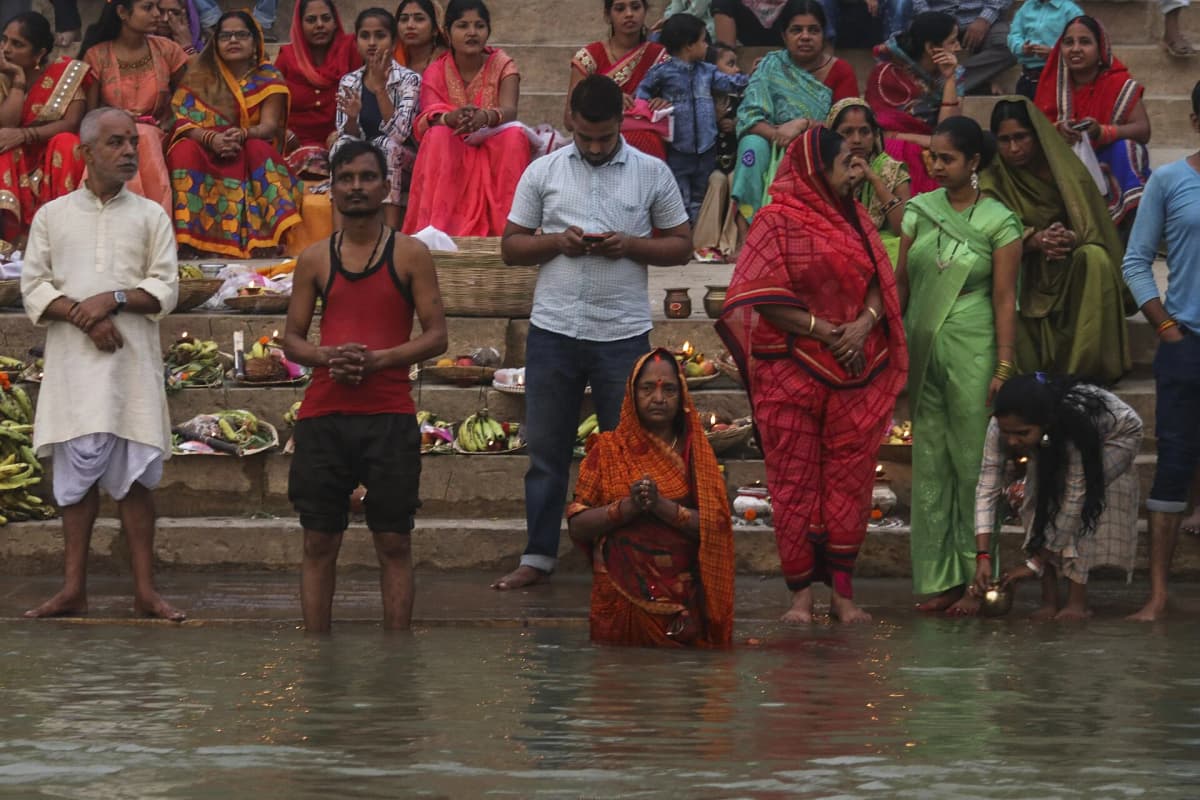
Karthika Masam Monday Rituals: Complete State-wise Guide for India
Introduction: Karthika Somavar - The Most Sacred Monday Observance Karthika Masam Mondays, known as Karthika Somavar or Karthik Somwar, represent the most…
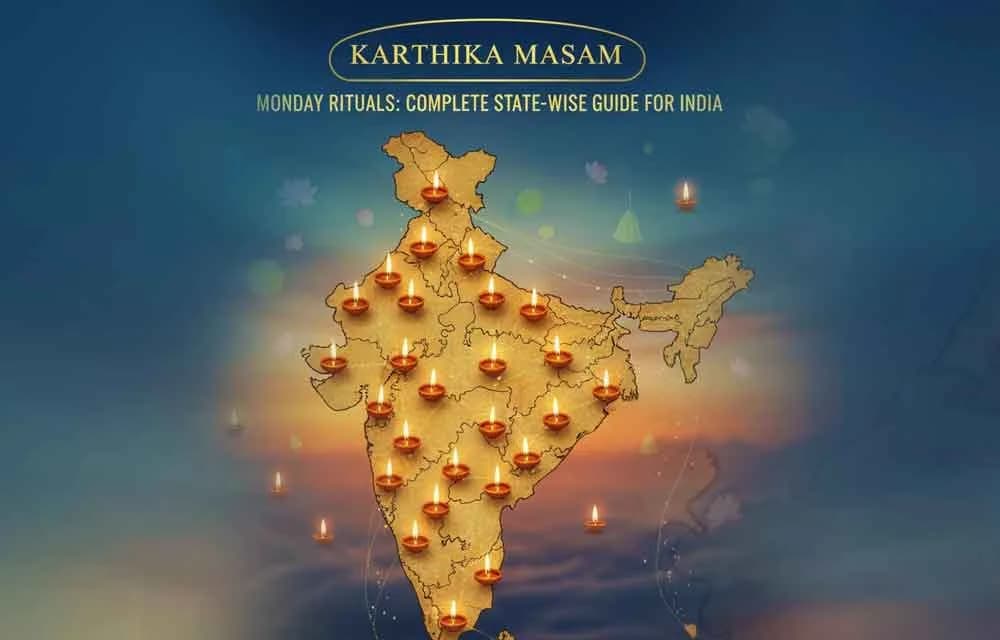
Introduction: Karthika Somavar - The Most Sacred Monday Observance Karthika Masam Mondays, known as Karthika Somavar or Karthik Somwar, represent the most…
Introduction: Karthika Somavar - The Most Sacred Monday Observance
Karthika Masam Mondays, known as Karthika Somavar or Karthik Somwar, represent the most auspicious combination for Lord Shiva worship in the Hindu calendar. When the sacred Karthika month converges with Monday (Somavar), dedicated to Lord Shiva, the spiritual potency multiplies a thousandfold. Across India, from the snow-capped Himalayas to the southern tip of Kanyakumari, millions of devotees observe this holy vrat with deep devotion.
This comprehensive guide provides state-wise, region-specific information on rituals, famous Shiva temples, local traditions, and timings for observing Karthika Monday across India.
Pan-Indian Significance of Karthika Somavar
The Supreme Blessing of Shiva
According to the Skanda Purana and Shiva Purana, observing Monday fast during Karthika Masam grants:
- Immediate blessings from Lord Shiva and Mother Parvati
- Destruction of sins accumulated over births
- Fulfillment of desires - marriage, children, wealth, knowledge
- Liberation (Moksha) - the ultimate spiritual goal
- Protection from planetary afflictions and negative energies
- Family prosperity and domestic harmony
Who Observes Karthika Somavar?
- Unmarried women seeking ideal life partners
- Married women for husband's longevity and family welfare
- Devotees seeking spiritual advancement
- Those with Shani dosha or astrological afflictions
- Seekers of material prosperity and career success
- Anyone wishing to please Lord Shiva
Essential Karthika Monday Rituals (Common Across India)
1. Pre-Dawn Preparation (Brahma Muhurta)
Timing: 1.5 hours before sunrise (approximately 4:30-5:00 AM across most of India in November)
Morning Routine:
- Wake up during Brahma Muhurta
- Evacuate and clean body
- Oil bath (preferably with sesame oil)
- Wear fresh, clean clothes (white, rudraksha brown, or saffron preferred)
- Clean the pooja room and prepare the sacred space
2. Rudrabhishekam (Sacred Bath to Shiva Lingam)
Required Items:
- Shiva Lingam (stone, crystal, or brass)
- Clean water/Gangajal
- Raw milk (cow's milk preferred)
- Fresh curd/yogurt
- Pure honey
- Cow's ghee
- Sugar or jaggery
- Bilva (Bel) leaves - mandatory for Shiva worship
- White flowers (datura, jasmine, lotus, or white roses)
- Dhatura flowers and fruits (where available)
- Sandalwood paste, kumkum, vibhuti (sacred ash)
- Rudraksha mala
- Copper/brass vessels for abhishekam
- Panchamrita ingredients
Abhishekam Procedure:
- Water Abhishekam: Pour pure water chanting "Om Namah Shivaya"
- Milk Abhishekam: Pour raw milk from the top of lingam
- Yogurt Abhishekam: Apply fresh curd
- Honey Abhishekam: Pour pure honey
- Ghee Abhishekam: Offer melted cow's ghee
- Sugar/Jaggery Water: Mix and pour
- Panchamrita: Combined offering of all five
- Final Water Cleansing: Wash with clean water or Gangajal
Chant during each offering:
ॐ नमः शिवाय शिवाय नमः ॐ
Om Namah Shivaya Shivaya Namah Om
3. Bilva Patra Offering (Most Important)
Offer bilva leaves in sets of three (representing Trishul - trident):
Bilva Patra Mantra:
त्रिदलं त्रिगुणाकारं त्रिनेत्रं च त्रिआयुधम्।
त्रिजन्मपापसंहारं एक बिल्वं शिवार्पणम्॥

Tridalam Trigunakaaram Trinetram Cha Triayudham
Trijanmapapasamhaaram Eka Bilvam Shivarpanam
Meaning: "I offer this three-leafed bilva to Shiva, who has three eyes, three weapons, and three qualities, and who destroys sins of three births."
4. Sixteen Steps Worship (Shodashopachara)
- Dhyana - Meditation on Shiva's form
- Avahana - Invocation
- Asana - Offering seat
- Padya - Washing feet
- Arghya - Water offering for hands
- Achamana - Sipping water
- Snana - Abhishekam bath
- Vastra - Offering clothes (symbolically)
- Yagnopavita - Sacred thread
- Gandha - Sandalwood paste, vibhuti
- Pushpa - Flower offerings
- Dhupa - Incense
- Deepa - Lamp lighting
- Naivedya - Food offering
- Tambula - Betel leaves
- Aarti & Pradakshina - Circumambulation
5. Mantra Japa and Meditation
Minimum Chanting:
- Om Namah Shivaya: 108 times (1 mala)
- Maha Mrityunjaya Mantra: 108 times
- Shiva Chalisa or Tandava Stotram: Once
For Enhanced Benefits:
- 1008 repetitions of primary mantra
- Reading Shiva Purana chapters
- Lingashtakam recitation
6. Fasting Protocols
Complete Fast (Nirjala):
- No food or water from sunrise to next sunrise or sunset
- Breaking fast only after evening pooja
Partial Fast (Phalahar):
- Fruits, milk, water allowed
- Once-a-day meal after sunset
Sattvic Fast:
- Only vegetarian, sattvic food
- No grains, onion, garlic, salt
- Single meal after prayers
7. Evening Rituals
Sandhya Pooja (Sunset Worship):
- Light lamps (ghee or sesame oil)
- Evening aarti
- Bhajan singing
- Prasadam distribution
- Breaking of fast with Shiva prasadam
Powerful Mantras for Karthika Monday
1. Panchakshari Maha Mantra
ॐ नमः शिवाय

Om Namah Shivaya
Benefit: Universal mantra for all Shiva worship. Grants liberation.
2. Maha Mrityunjaya Mantra
ॐ त्र्यम्बकं यजामहे सुगन्धिं पुष्टिवर्धनम्।
उर्वारुकमिव बन्धनान् मृत्योर्मुक्षीय माऽमृतात्॥

Om Tryambakam Yajamahe
Sugandhim Pushti Vardhanam
Urvarukamiva Bandhanan
Mrityormukshiya Maamritat
Benefit: Conquers death, disease, fear. Grants health and longevity.
3. Shiva Gayatri Mantra
ॐ तत्पुरुषाय विद्महे महादेवाय धीमहि।
तन्नो रुद्रः प्रचोदयात्॥

Om Tatpurushaya Vidmahe Mahadevaya Dhimahi
Tanno Rudrah Prachodayat
Benefit: Enhances wisdom and spiritual knowledge.
4. Rudra Mantra
ॐ नमो भगवते रुद्राय

Om Namo Bhagavate Rudraya
Benefit: Removes enemies, obstacles, and negativity.
5. Shiva Tandava Stotram (First Verse)
जटाटवीगलज्जलप्रवाहपावितस्थले।
गलेऽवलम्ब्य लम्बितां भुजङ्गतुङ्गमालिकाम्॥

Jatatavigalajjalapravahapavitasthale
Galeavalambya lambitam bhujanggatungamalikam
This famous stotra describing Shiva's cosmic dance should be recited with devotion.
6. Shiva Ashtakam
प्रभुं प्राणनाथं विभुं विश्वनाथं।
जगन्नाथनाथं सदानन्दभाजाम्॥

Prabhum Prananatham Vibhum Vishwanatham
Jagannathanatham Sadanandabhaajam
State-wise Guide: Temples, Traditions & Timings
NORTH INDIA
Delhi & NCR (Gurgaon, Noida, Faridabad)
Famous Shiva Temples:
- Kalkaji Mandir - South Delhi
- Ancient Shiva temple
- Monday crowds: Very heavy
- Best time: 4:00 AM - 7:00 AM or after 8:00 PM
- Rudrabhishekam: 5:30 AM daily
- Gauri Shankar Temple - Chandni Chowk
- Historic temple near Red Fort
- 800-year-old Shiva Lingam
- Monday timing: 5:00 AM - 10:00 PM
- Birla Mandir (Laxmi Narayan Temple) - Connaught Place
- Dedicated Shiva shrine
- Clean, well-maintained
- Timing: 4:30 AM - 9:00 PM
- Chattarpur Temple - South Delhi
- Second largest temple in India
- Grand Monday celebrations
- Timing: 5:00 AM - 11:00 PM
- ISKCON Temple - East of Kailash
- Monday evening programs
- Kirtan and bhajan sessions
Noida/Greater Noida:
- ISKCON Noida - Sector 33
- Shiv Mandir - Sector 22
- Kailash Parvat Temple - Sector 26
Gurgaon:
- Sheetla Mata Mandir - Old Gurgaon
- ISKCON Gurgaon - DLF Phase 1
- Multiple colony temples
Sunrise Time: ~6:40 AM (November) Brahma Muhurta: ~5:10 AM Evening Aarti: 6:00-7:00 PM
Where to Buy Pooja Items:
- Chandni Chowk - Kinari Bazaar area
- Hanuman Mandir Market - Connaught Place
- Lajpat Nagar - Central Market
- Local colony markets - Most have pooja stores
Special NCR Traditions:
- Group chanting at colony parks (morning)
- Pandal programs in housing societies
- Community prasad distribution
- Bhandara (free food) at major temples
Uttar Pradesh
VARANASI (Kashi)
The spiritual capital of Shiva worship. Karthika Somavar in Varanasi is supremely auspicious.
Most Sacred Temples:
- Kashi Vishwanath Temple - Must visit
- Most sacred Jyotirlinga
- Online booking recommended for Karthika Mondays
- Timing: 3:00 AM - 11:00 PM
- Mangala Aarti: 3:00 AM
- Special abhishekam all day
- Kal Bhairav Temple - Must visit
- Deity of Kashi
- Unique alcohol offering tradition
- Timing: 5:00 AM - 9:00 PM
- Sankat Mochan Hanuman Temple
- Significant Monday presence
- Durga Temple (Durga Kund)
- Associated with Shiva worship
Varanasi Tradition:
- Ganga Snan: Bath in Ganges at dawn mandatory
- Panchamukhi Ganesh: Visit before Kashi Vishwanath
- Annapurna Temple: Visit for prasad
- Ganga Aarti: Attend evening aarti at Dashashwamedh Ghat
- Bhang: Traditional (legal) offering and prasad
MATHURA-VRINDAVAN
Major Temples:
- Banke Bihari Temple - Vrindavan
- Prem Mandir - Vrindavan (magnificent)
- ISKCON Vrindavan - Grand Monday programs
AYODHYA
Temples:
- Ram Janmabhoomi Temple - New grand temple
- Multiple ancient Shiva temples
- Hanuman Garhi
PRAYAGRAJ (Allahabad)
Sacred Spots:
- Triveni Sangam - Confluence bath highly auspicious
- Bade Hanuman Ji Temple
- Multiple Shiva temples near ghats
LUCKNOW
Temples:
- Mankameshwar Temple - Ancient Shiva temple
- Chandrika Devi Temple
- Multiple modern temples
Sunrise Time: ~6:30 AM Brahma Muhurta: ~5:00 AM
Punjab & Haryana
AMRITSAR, PUNJAB
Temples:
- Durgiana Temple - Hindu equivalent of Golden Temple
- Shiva Temple - Inside Durgiana complex
- Various Gurudwaras also have Hindu sections
CHANDIGARH
Famous Temples:
- Mata Mansa Devi Temple - Panchkula (nearby)
- Chandi Mandir - Chandigarh-Panchkula border
- ISKCON Chandigarh - Sector 36
KURUKSHETRA, HARYANA
Sacred Sites:
- Brahma Sarovar - Holy tank
- Bhadrakali Temple
- Sannihit Sarovar
Sunrise Time: ~6:50 AM Brahma Muhurta: ~5:20 AM
Regional Traditions:
- Community langars at Gurudwaras after fasting
- Punjabi-style prasad (kada prasad)
- Group bhajan mandalis
Rajasthan
JAIPUR
Major Temples:
- Galtaji Temple (Monkey Temple) - Ancient Shiva shrine
- Moti Dungri Ganesh Temple - With Shiva shrine
- Garh Ganesh Temple - Hilltop temple
- Birla Mandir - Lakshmi Narayan Temple
PUSHKAR
Sacred City:
- Brahma Temple - World's few Brahma temples
- Holy Pushkar Lake - Snan on Monday
- Multiple Shiva temples around lake
UDAIPUR
Temples:
- Jagdish Temple - Grand Vishnu temple with Shiva shrine
- Eklingji Temple - 22 km from Udaipur, family deity of Mewar rulers
AJMER
Sites:
- Dargah Sharif (Sufi shrine, interfaith visits)
- Multiple Hindu temples
Sunrise Time: ~6:45 AM Brahma Muhurta: ~5:15 AM
Rajasthani Traditions:
- Desert community gatherings
- Traditional Rajasthani bhajans
- Elaborate prasad with ghevar, mawa
Himachal Pradesh & Uttarakhand
HIMACHAL PRADESH
SHIMLA:
- Jakhu Temple - Hilltop Hanuman temple
- Kali Bari Temple
- Tara Devi Temple
MANALI:
- Hidimba Devi Temple
- Manu Temple
- Vashisht Hot Springs Temple
DHARAMSHALA:
- Mix of Hindu temples and Buddhist monasteries
UTTARAKHAND (Devbhoomi - Land of Gods)
HARIDWAR:
- Har Ki Pauri - Most sacred ghat
- Monday evening Ganga aarti unmissable
- Timing: Aarti at sunset (around 6:00 PM)
- Morning bath: 5:00 AM onwards
- Mansa Devi Temple - Cable car access
- Chandi Devi Temple - Hilltop
- Daksheshwar Mahadev Temple - Site of Daksha Yajna
RISHIKESH:
- Neelkanth Mahadev Temple - 32 km from Rishikesh
- Where Shiva drank poison
- Must-visit during Karthika Somavar
- Timing: 6:00 AM - 7:00 PM
- Trimbakeshwar Temple
- Parmarth Niketan - Evening Ganga aarti
KEDARNATH & BADRINATH:
- Char Dham shrines (closed in November due to snow)
- Devotees visit accessible Shiva temples
Sunrise Time: ~6:30-7:00 AM (higher altitudes later) Brahma Muhurta: ~5:00-5:30 AM
Mountain Traditions:
- Pahari folk songs for Shiva
- Simple mountain prasad (madua roti, jhangora)
- Community bhandara in village temples
WEST INDIA
Maharashtra
MUMBAI:
Famous Shiva Temples:
- Mahalaxmi Temple - Significant Shiva shrine
- Siddhivinayak Temple - Ganesh temple with Shiva worship
- Babulnath Temple - Ancient Shiva temple
- Walkeshwar Temple - Near Banganga Tank
- Mumbadevi Temple - City's patron goddess
Suburban Mumbai:
- Vajreshwari Temple - Thane district
- Ambernath Shiva Temple - Ancient (1060 CE)
- Elephanta Caves - Ancient Shiva sculptures
PUNE:
Major Temples:
- Omkareshwar Temple - On Shaniwar Wada road
- Parvati Temple - Hilltop, panoramic views
- Chaturshringi Temple
- Dagdusheth Halwai Ganesh Temple
NASHIK:
Sacred City:
- Trimbakeshwar Temple - One of 12 Jyotirlingas
- 28 km from Nashik
- Extremely crowded on Karthika Mondays
- Timing: 5:30 AM - 9:00 PM
- Book abhishekam in advance
- Kalaram Temple - Ancient Ram temple
- Sita Gufa - Cave temple
- Godavari Ghats - Holy river bath
SHIRDI:
- Sai Baba Temple - Though Sai Baba temple, Monday is significant
- Many devotees visit for overall blessings
AURANGABAD:
- Grishneshwar Jyotirlinga - Near Ellora Caves (30 km)
- Ellora Caves - Kailash Temple (ancient Shiva temple carved from rock)
Sunrise Time: ~6:35 AM Brahma Muhurta: ~5:05 AM
Maharashtrian Traditions:
- Mahaprasad: Elaborate vegetarian meal
- Abhanga singing: Devotional songs
- Warkari tradition: Pilgrimage culture
- Coconut offering: Breaking coconut before deity
Gujarat
AHMEDABAD:
Temples:
- Akshardham Temple - Gandhinagar (grand)
- Hutheesing Jain Temple - Also has Hindu sections
- Jagannath Temple - Ahmedabad
- ISKCON Ahmedabad
SOMNATH:
Somnath Temple - One of 12 Jyotirlingas
- First among Jyotirlingas
- On Arabian Sea coast
- Destroyed and rebuilt multiple times
- Current structure: 1951
- Monday timing: 6:00 AM - 9:00 PM
- Evening aarti with sea backdrop: Spectacular
- Book accommodation in advance for Karthika Mondays
DWARKA:
- Dwarkadhish Temple - Krishna temple
- Nageshwar Jyotirlinga - 17 km from Dwarka
JUNAGADH:
- Girnar Mountain - Ancient temples
Sunrise Time: ~6:45 AM Brahma Muhurta: ~5:15 AM
Gujarati Traditions:
- Farsan prasad: Special Gujarati snacks
- Dhokla, fafda offering
- Community singing: Gujarati bhajans
- Monday markets: Special pooja item markets
Goa
Major Temples:
- Mangeshi Temple - Ponda (Shiva temple)
- Shanta Durga Temple - Ponda
- Mahalsa Temple - Mardol
Sunrise Time: ~6:25 AM Brahma Muhurta: ~4:55 AM
Goan Hindu Traditions:
- Unique blend of Konkan and Goan culture
- Special coconut-based prasad
- Coastal temple architecture
SOUTH INDIA
Karnataka
BENGALURU (BANGALORE):
Famous Temples:
- Bull Temple - Basavanagudi
- Massive Nandi statue
- Monday special: Extended hours
- Timing: 6:00 AM - 8:30 PM
- ISKCON Bangalore - Rajajinagar
- Grand temple, excellent facilities
- Monday programs: Abhishekam, bhajan
- Timing: 7:00 AM - 1:00 PM, 4:00 PM - 8:30 PM
- Gavi Gangadhareshwara Temple - Gavipuram
- Ancient cave temple
- Unique sun ray phenomenon
- Dodda Ganapathi Temple - Basavanagudi
- Banashankari Temple
MYSURU (MYSORE):
Temples:
- Chamundeshwari Temple - Chamundi Hills
- Hilltop temple, must climb
- Monday: Very crowded
- Timing: 7:30 AM - 9:00 PM
- Mysore Palace Temple - Inside palace complex
MANGALORE:
Coastal Temples:
- Mangaladevi Temple
- Kadri Manjunath Temple - Ancient Shiva temple
- Kudroli Gokarnanatha Temple
UDUPI:
- Udupi Krishna Temple - Famous Vaishnavite temple
- Multiple Shiva shrines nearby
GOKARNA:
- Mahabaleshwar Temple - Powerful Shiva Lingam
- Beach town, peaceful environment
- Perfect for Karthika Monday observance
Sunrise Time: ~6:15 AM Brahma Muhurta: ~4:45 AM
Karnataka Traditions:
- Holige/Puran Poli: Sweet flatbread prasad
- Kosambari: Lentil salad offering
- Payasa: Various types of sweet pudding
- Kannada bhajans and kirtans
Tamil Nadu
CHENNAI:
Major Temples:
- Kapaleeshwarar Temple - Mylapore
- Ancient Shiva temple
- Dravidian architecture
- Monday: Extremely crowded from 5 AM
- Timing: 5:30 AM - 12:30 PM, 4:00 PM - 9:00 PM
- Parthasarathy Temple - Triplicane
- Ashtalakshmi Temple - Besant Nagar
- Vadapalani Murugan Temple
MADURAI:
Meenakshi Amman Temple
- One of India's grandest temples
- Shiva as Sundareshwarar
- Monday: Special abhishekams
- Timing: 5:00 AM - 12:30 PM, 4:00 PM - 10:00 PM
- Evening ceremony: Don't miss
RAMESHWARAM:
Ramanathaswamy Temple - Jyotirlinga
- Island town
- 22 holy water tanks (Theerthams)
- Mandatory bath in all 22 tanks
- Monday: Pilgrims perform extensive rituals
- Timing: 5:00 AM - 1:00 PM, 3:00 PM - 9:00 PM
- Stay 2-3 days for proper darshan
CHIDAMBARAM:
- Nataraja Temple - Cosmic dancer Shiva
- Unique temple architecture
- Akasha Lingam (space element)
THANJAVUR:
- Brihadeeshwara Temple - UNESCO site
- Grand Chola architecture
- Massive Nandi statue
KANCHIPURAM:
- Kamakshi Amman Temple
- Ekambareswarar Temple - One of Pancha Bhoota Sthalams
- Ancient silk city with multiple temples
Sunrise Time: ~6:00 AM Brahma Muhurta: ~4:30 AM
Tamil Traditions:
- Vibhuti prasad: Sacred ash prominent
- Kolam: Elaborate rangoli at temple and home entrances
- Pongal offering: Ven pongal, sakkarai pongal
- Carnatic music: Temple bhajans
- Thiruvasagam recitation: Tamil Shaivite hymns
Kerala (God's Own Country)
THIRUVANANTHAPURAM:
Temples:
- Padmanabhaswamy Temple - Vishnu temple with strict dress code
- Attukal Bhagavathy Temple
- Pazhavangadi Ganapathy Temple
KOCHI (COCHIN):
Temples:
- Ernakulam Shiva Temple
- Chottanikkara Bhagavathy Temple
- Malayatoor Church - Pilgrimage site
THRISSUR:
Temples:
- Vadakkunnathan Temple - Ancient Shiva temple
- Over 1000 years old
- Kerala-style architecture
- Mural paintings
- Monday: Special neyvilakku (ghee lamp)
- Guruvayur Temple - Krishna temple (45 km away)
SABARIMALA:
- Lord Ayyappa temple
- Season: November-January
- Mixed Shaivite-Vaishnavite tradition
Sunrise Time: ~6:05 AM Brahma Muhurta: ~4:35 AM
Kerala Traditions:
- Sadya: Traditional vegetarian feast on banana leaf
- Nivedyam: Special offerings like Ada, payasam
- Oil lamps: Elaborate vilakku lighting
- Kerala-style aarti: Unique local customs
- Theyyam and ritual arts: In Malabar region
Andhra Pradesh & Telangana
HYDERABAD (TELANGANA):
Major Temples:
- Birla Mandir - Naubat Pahad
- White marble temple
- Panoramic city views
- Monday: 7:00 AM - 12:00 PM, 3:00 PM - 9:00 PM
- Chilkur Balaji Temple - "Visa Balaji"
- 28 km from city
- No commercialization
- Free entry, no prasad sale
- Keesaragutta Temple - 40 km
- Ancient Shiva temple on hilltop
- Sanghi Temple - Modern architectural marvel
VIJAYAWADA (ANDHRA PRADESH):
Temples:
- Kanaka Durga Temple - Indrakeeladri Hill
- Amaravati Temple - 30 km away
- Mangalagiri Temple
TIRUPATI:
Sri Venkateswara Temple (Balaji)
- Richest temple in world
- Monday: Less crowded than weekends (relatively!)
- Book darshan online: www.tirumala.org
- Timing: 24 hours (various darshan types)
SRISAILAM:
Mallikarjuna Jyotirlinga
- One of 12 Jyotirlingas
- On Krishna River
- Dense forest surroundings
- Monday: Special abhishekams
- Combined with Shakti Peetham (Bhramaramba Devi)
ANNAVARAM:
- Satya Narayan Swamy Temple
Sunrise Time: ~6:10 AM Brahma Muhurta: ~4:40 AM
Telugu Traditions:
- Pulihora: Tamarind rice offering
- Laddu prasadam: Famous Tirupati style
- Vada garland: Medu vada offerings
- Harati: Telugu-style aarti
- Telugu Annamacharya keertanas
EAST INDIA
West Bengal
KOLKATA (CALCUTTA):
Famous Temples:
- Kalighat Temple - Shakti Peetham
- One of 51 Shakti Peethas
- Monday: Special for Shiva-Kali worship
- Timing: 5:00 AM - 2:00 PM, 5:00 PM - 10:30 PM
- Dakshineswar Kali Temple
- Ramakrishna's temple
- 12 Shiva temples in complex
- Peaceful Ganges riverside
- Timing: 6:00 AM - 12:30 PM, 3:00 PM - 8:30 PM
- Birla Mandir - Kolkata
- Belur Math - Ramakrishna Mission headquarters
TARAPITH:
- Tara Ma Temple - Tantric Shakti Peetham
- Monday: Significant for Shiva-Shakti worship
- 264 km from Kolkata
Sunrise Time: ~5:50 AM Brahma Muhurta: ~4:20 AM
Bengali Traditions:
- Bhog: Elaborate prasad with Bengali sweets
- Sandesh, rosogolla: Famous Bengali offerings
- Khichuri-bhaja: Rice and lentil with fried items
- Durga-Shiva worship: Combined tradition
- Rabindra Sangeet: Devotional songs by Tagore
- Dhunuchi naach: Incense dance
Odisha
BHUBANESWAR (Temple City of India):
Major Temples:
- Lingaraj Temple - 11th century masterpiece
- Largest temple in Bhubaneswar
- Non-Hindus not allowed inside (can view from platform)
- Monday: Massive crowds
- Timing: 5:00 AM - 9:00 PM
- Mukteswara Temple - Architectural gem
- Rajarani Temple - "Love Temple"
- Parasurameswara Temple - Oldest in Bhubaneswar
PURI:
Jagannath Temple - One of Char Dham
- Vaishnavite temple but associated with Shiva
- Monday: Pilgrims visit associated Shiva temples
- Beach town, spiritual atmosphere
- Timing: Various darshan schedules
KONARK:
Sun Temple (UNESCO World Heritage Site)
- Not functional temple but monument
- Architectural marvel
- Visit nearby active temples
Sunrise Time: ~5:45 AM Brahma Muhurta: ~4:15 AM
Odia Traditions:
- Mahaprasad: Sacred food from Jagannath Temple
- Khichdi: Offering to Lord Jagannath
- Poda pitha: Traditional cake offering
- Odissi dance: Classical temple dance
- Geeta Govinda: Sanskrit devotional text
Bihar & Jharkhand
PATNA (BIHAR):
Temples:
- Mahavir Mandir - Near Patna Junction
- Hanuman temple, Monday significant
- One of richest temples
- Patan Devi Temple
- Vishnupad Temple - Gaya (100 km)
GAYA:
- Vishnupad Temple - Lord Vishnu's footprint
- Mahabodhi Temple - Buddhist site (nearby Bodh Gaya)
- Important for ancestral rituals
DEOGHAR (JHARKHAND):
Baidyanath Jyotirlinga Temple
- One of 12 Jyotirlingas
- Monday: Extremely crowded
- Kanwar Yatra: Annual pilgrimage
- Timing: 4:00 AM - 3:30 PM, 6:00 PM - 9:00 PM
- Book accommodation in advance
Sunrise Time: ~6:00 AM Brahma Muhurta: ~4:30 AM
Bihari/Jharkhandi Traditions:
- Sattu prasad: Roasted gram flour
- Khichdi-kadhi: Traditional offering
- Litti-chokha: Regional food
- Chhath Puja influence: Sun worship tradition
- Bhojpuri bhajans
Assam & Northeast
GUWAHATI (ASSAM):
Major Temples:
- Kamakhya Temple - Nilachal Hills
- One of 51 Shakti Peethas
- Most powerful tantric site
- Monday: Special for Mother Goddess
- Timing: 5:30 AM - 1:00 PM, 2:30 PM - 5:30 PM
- Evening darshan: 5:30 PM - 9:00 PM
- Umananda Temple - Peacock Island (Brahmaputra)
- Shiva temple on river island
- Ferry ride required
- Monday: Popular pilgrimage
- Navagraha Temple - "Temple of Nine Planets"
- Hilltop temple
- Astrological significance
SIVASAGAR:
- Ancient Ahom kingdom capital
- Multiple historical temples
Sunrise Time: ~5:40 AM Brahma Muhurta: ~4:10 AM
Assamese Traditions:
- Xarai ceremony: Traditional aarti
- Pitha offerings: Rice cakes
- Tamul-paan: Betel nut offering
- Bihu influence: Festive culture
- Assamese devotional songs
CENTRAL INDIA
Madhya Pradesh
UJJAIN:
Mahakaleshwar Jyotirlinga - One of 12 Jyotirlingas
- Only Jyotirlinga facing south (Dakshinamurti)
- Bhasma Aarti: 4:00 AM - Most unique ritual
- Ashes from cremation ground used
- Book online: www.shrimahakaleshwar.com
- Extremely popular, book weeks in advance
- Monday: Extra special
- Regular timing: 5:00 AM - 11:00 PM
- Karthika Somavar: Extended hours
OMKARESHWAR:
Omkareshwar Jyotirlinga - Island shaped like Om
- On Narmada River
- Peaceful, spiritual environment
- Parikrama (circumambulation) around island: 7 km
- Monday: Special boat rides to temple
- Timing: 5:00 AM - 10:00 PM
INDORE:
- Khajrana Ganesh Temple
- Gateway to Omkareshwar (77 km)
BHOPAL:
- Birla Mandir - Arera Hills
- Bhojpur Temple - 28 km (ancient Shiva temple)
Sunrise Time: ~6:25 AM Brahma Muhurta: ~4:55 AM
MP Traditions:
- Narmada river significance: Holy dip
- Poha-jalebi: Popular prasad
- Bada offering: Lentil fritters
- Bundeli/Malwi folk songs
Chhattisgarh
RAIPUR:
Temples:
- Mahant Ghasidas Memorial Museum area temples
- Champaran - 70 km (birthplace of Vallabhacharya)
- Rajim - 45 km (multiple ancient temples)
Sunrise Time: ~6:00 AM Brahma Muhurta: ~4:30 AM
ISLAND TERRITORIES
Andaman & Nicobar Islands
PORT BLAIR:
- Small Hindu community
- Wandoor Beach area temples
- Simplified Monday observances
Sunrise Time: ~5:30 AM Brahma Muhurta: ~4:00 AM
Lakshadweep
- Predominantly Muslim population
- Limited Hindu presence
- Visiting Hindus observe in accommodation
Regional Prasad Varieties Across India
North India
- Halwa-Puri (Punjab, Delhi)
- Aloo-Puri (UP, Bihar)
- Kheer (Universal)
- Churma ladoo (Rajasthan)
- Gajar halwa (North)
West India
- Modak (Maharashtra)
- Puran Poli (Maharashtra)
- Mohanthal (Gujarat)
- Dhokla (Gujarat)
- Shrikhand-Puri (Gujarat, Maharashtra)
South India
- Puliyogare (Tamarind rice)
- Kesari bath (Semolina sweet)
- Coconut burfi (Karnataka, Kerala)
- Pongal (Tamil Nadu)
- Payasam (All South states - multiple varieties)
- Appam (Kerala)
East India
- Khichuri-Labra (Bengal)
- Sandesh (Bengal)
- Chhena poda (Odisha)
- Malpua (Bihar, Odisha)
Karthika Monday Fast - Complete Schedule
Morning (4:30 AM - 8:00 AM)
4:30 AM - Wake up (Brahma Muhurta) 4:45 AM - Bath and fresh clothes 5:15 AM - Pooja room preparation 5:30 AM - Begin Rudrabhishekam 6:15 AM - Mantra japa (108 times minimum) 6:45 AM - Morning aarti 7:00 AM - Meditation 7:30 AM - Temple visit (if going) 8:00 AM - Return home, normal activities
Daytime (8:00 AM - 6:00 PM)
- Continue "Om Namah Shivaya" mentally throughout day
- Read Shiva Purana or spiritual texts
- Light lamp in pooja room at intervals
- Maintain silence or minimal talking
- Avoid negative thoughts, anger, arguments
- Stay in sattvic environment
Evening (6:00 PM - 8:00 PM)
6:00 PM - Evening bath 6:15 PM - Light lamps (5, 7, or 11 lamps) 6:30 PM - Evening pooja and aarti 7:00 PM - Bhajan singing or listening 7:30 PM - Final offering and prayers 7:45 PM - Break fast with prasadam 8:00 PM - Simple sattvic meal
What to Avoid on Karthika Monday
Prohibited Activities
- Non-vegetarian food - Absolute no
- Alcohol and smoking - Strictly forbidden
- Onion and garlic - Tamasic foods
- Sexual activity - Maintain celibacy
- Anger and harsh words - Control emotions
- Gossiping and lies - Speak truth only
- Gambling or speculation - Avoid material pursuits
- Cutting nails and hair - Traditional restriction
- Sleeping during day - Stay awake and alert
- Watching inappropriate content - TV, movies, etc.
Foods to Avoid While Fasting
- All grains (if strict fast)
- Salt (for some traditions)
- Store-bought packaged foods
- Fried items (for some)
- Heavy spices
Special Karthika Monday Observances
First Monday (Pratham Somavar)
- Sankalpa (vow) taken for entire month
- Most important to maintain
- Begin with pure intentions
- Visit major temple if possible
Second Monday (Dwitiya Somavar)
- Continue with increased devotion
- Invite friends/family for group worship
- Organize bhajan session
Third Monday (Tritiya Somavar)
- Charity and donation day
- Feed the poor
- Distribute clothes
- Donate to temples
Fourth Monday (Chaturtha Somavar)
- Intensify spiritual practices
- Increased mantra japa
- Extended meditation
- Read complete Shiva Purana chapters
Fifth Monday (Panchama Somavar - if applicable)
- Grand conclusion
- Elaborate pooja
- Community bhandara
- Seeking final blessings
Benefits of Karthika Monday Vrat
Spiritual Benefits
- Direct communion with Shiva Consciousness
- Kundalini awakening and chakra activation
- Third eye opening (Ajna Chakra)
- Past life karma dissolution
- Spiritual protection from negative forces
- Inner peace and equanimity
- Moksha preparation - Liberation path
Material Benefits
- Marriage for unmarried - Ideal life partner
- Husband's longevity - For married women
- Children - Blessing of healthy offspring
- Wealth and prosperity - Financial stability
- Success in endeavors - Career advancement
- Victory over enemies - Protection from adversaries
- Property and assets - Material acquisitions
Health Benefits
- Disease removal - Especially chronic ailments
- Mental peace - Depression, anxiety relief
- Physical vitality - Increased energy
- Detoxification - From fasting
- Improved immunity - Through spiritual practice
Astrological Benefits
- Shani Dosha removal - Saturn affliction
- Rahu-Ketu pacification - Nodal planets
- Mars affliction - Manglik dosha
- General horoscope strengthening
- Negative planetary periods mitigation
Stories and Legends
The Story of Kamadeva's Destruction
When Shiva was in deep meditation after Sati's death, the gods sent Kamadeva (god of love) to break his meditation so he would marry Parvati. Shiva opened his third eye and burned Kamadeva to ashes. Later, through Parvati's request, Shiva restored Kamadeva as a bodiless entity.
Moral: Monday worship can help in controlling desires and achieving spiritual focus.
The Story of the Poor Brahmin
A poor Brahmin observed Karthika Monday fast with pure devotion despite having nothing to offer. Lord Shiva, pleased with his sincerity, appeared and granted him wealth, knowledge, and spiritual liberation.
Moral: Devotion matters more than elaborate offerings.
The Moon and Shiva
The moon (Chandra) committed a sin and was cursed to fade completely. He prayed to Lord Shiva, who placed him on his head. Since then, the moon waxes and wanes. Monday (Somavar) is named after the moon (Soma) and dedicated to Shiva.
Moral: Shiva accepts all who come with sincere repentance.
Modern Adaptations for Urban Indians
For Working Professionals
Morning Routine (6:00 AM - 8:00 AM):
- Quick 30-minute pooja before work
- Mental mantra chanting during commute
- Carry fruit or milk for phalahar
- Use lunch break for temple visit or meditation
Evening Routine (7:00 PM - 9:00 PM):
- Complete pooja after returning home
- Use recorded aarti if alone
- Break fast with simple home food
For Students
- Early morning pooja before study
- Carry sattvic lunch
- Use study breaks for mantra japa
- Evening temple visit with friends
- Group study of spiritual texts
For Housewives
- Involve entire family in worship
- Teach children about traditions
- Prepare special prasad
- Organize neighborhood bhajan group
- Most conducive for complete observance
For Senior Citizens
- Extended morning pooja time
- Temple visits with community
- Longer meditation sessions
- Sharing stories with grandchildren
- Spiritual reading and contemplation
Essential Pooja Items Checklist
Must-Have Items
- Shiva Lingam or picture
- Copper/brass kalash (water pot)
- Bilva leaves (fresh)
- White flowers
- Milk, curd, honey, ghee, sugar
- Gangajal or clean water
- Kumkum, turmeric, sandalwood
- Incense sticks and holder
- Ghee lamp and cotton wicks
- Camphor
- Fruits for offering
- Bell (ghanta)
- Rudraksha mala
- Clean cloth for deity
- Plate for offerings
Optional But Beneficial
- Dhatura flowers/fruits
- Cannabis seeds (bhang - where legal)
- Vibhuti (sacred ash)
- Akshat (rice grains)
- Betel leaves and nuts
- Coconut
- Traditional oil lamp
- Shiva yantra
- Prayer books
- Audio system for bhajans
Children's Involvement
Age-Appropriate Activities
Toddlers (2-5 years):
- Ring the bell
- Offer flowers
- Simple "Om Namah Shivaya" chanting
- Watch aarti
Children (6-12 years):
- Light lamps (supervised)
- Learn basic mantras
- Help in prasad preparation
- Story time about Shiva
- Simple drawing/coloring of Shiva
Teenagers (13-18 years):
- Lead portions of pooja
- Read from scriptures
- Organize family worship
- Social media documentation (appropriately)
- Volunteer at temple
- Understand philosophical aspects
Community Activities
Temple Programs
- Group abhishekam
- Bhajan mandali
- Spiritual discourses
- Free prasad distribution
- Cultural programs
Home-Based
- Neighborhood gathering
- Potluck sattvic meal
- Combined chanting sessions
- Children's activity corner
- Elders sharing experiences
Online/Virtual
- Live streaming for distant family
- WhatsApp group coordination
- Sharing recipes and tips
- Virtual darshan arrangements
- Online donations to temples
Weather and Seasonal Considerations
November Weather Across India
North India: Cool, pleasant (15-25°C)
- Perfect for early morning rituals
- Light warm clothing for temple visits
South India: Moderate (20-28°C)
- Pleasant morning weather
- Might be rainy in coastal areas
East India: Cool and humid (18-26°C)
- Morning mist common
- Carry umbrella
West India: Warm days, cool nights (20-30°C)
- Comfortable overall
- Hydrate well during fasting
Adjustments for Different Climates
Cold Regions:
- Indoor water offerings
- Warm prasad items
- Heated pooja room
- Warm fasting foods (kheer, halwa)
Hot Regions:
- Early morning rituals essential
- Light, cooling prasad
- Adequate hydration during phalahar
- Evening temple visits preferable
Conclusion: The Eternal Monday of Karthika
Karthika Masam Mondays represent a golden opportunity for every Hindu to connect deeply with Lord Shiva, the compassionate destroyer of evil and bestower of all boons. From the mighty Himalayas where Shiva resides in Kailash, to the sacred Jyotirlingas spread across India, to the humblest home altar - everywhere His presence is felt with equal intensity on these blessed Mondays.
The beauty of this tradition lies in its accessibility. Whether you're performing elaborate Rudrabhishekam in a grand temple or offering simple water and bilva leaves at your home shrine, what matters is the purity of your devotion, the sincerity of your heart, and the consistency of your practice.
As you observe these sacred Karthika Mondays, remember:
- Devotion over perfection - Your sincere effort matters more than elaborate rituals
- Consistency over intensity - Regular simple worship beats occasional grand ceremonies
- Inner transformation - The goal is not just external ritual but inner purification
- Family involvement - Make it a bonding experience across generations
- Community spirit - Connect with fellow devotees for collective spiritual elevation
May Lord Shiva, the eternal ascetic who resides in cremation grounds yet rules the universe, who wears serpents yet is called Ashutosh (easily pleased), who drank poison to save creation yet is called Neelakantha (blue-throated), bless all devotees who observe Karthika Monday vrat with devotion.
May your homes be filled with peace, your hearts with joy, your lives with prosperity, and your souls with spiritual wisdom.
ॐ नमः शिवाय | हर हर महादेव | जय भोलेनाथ!
Om Namah Shivaya | Har Har Mahadev | Jai Bholenath!
Quick Reference Guide
All India Timings (November)
12 Jyotirlingas for Karthika Monday Pilgrimage
- Somnath - Gujarat
- Mallikarjuna - Andhra Pradesh (Srisailam)
- Mahakaleshwar - Madhya Pradesh (Ujjain)
- Omkareshwar - Madhya Pradesh
- Kedarnath - Uttarakhand (Closed in November)
- Bhimashankar - Maharashtra
- Kashi Vishwanath - Uttar Pradesh (Varanasi)
- Trimbakeshwar - Maharashtra (Nashik)
- Vaidyanath - Jharkhand (Deoghar)
- Nageshwar - Gujarat (Dwarka)
- Rameshwaram - Tamil Nadu
- Grishneshwar - Maharashtra (Aurangabad)
Dedicated to all Shiva devotees across India who keep the sacred traditions alive through their unwavering faith and devotion.
समाप्तम् | Samaaptam | Complete
Frequently Asked Questions
When is Karthika Masam Monday Rituals?
Karthika Masam Monday Rituals is observed on its traditional tithi in the Hindu lunar calendar; refer to the year's panchang for the exact date in your region.
What is the significance of Karthika Masam Monday Rituals?
Introduction: Karthika Somavar - The Most Sacred Monday Observance Karthika Masam Mondays, known as Karthika Somavar or Karthik Somwar , represent the most auspicious combination for Lord Shiva worship in the Hindu calendar. When the sacred Karthika month converges with Monday (Somavar), dedicated to Lord Shiva, the spiritual potency multiplies a thousandfol
How is Karthika Masam Monday Rituals celebrated?
Devotees observe it with puja, fasting or special offerings, visiting temples, chanting mantras, and gathering with family. Customs vary by region and tradition.
What should devotees do on Karthika Masam Monday Rituals?
Take a sacred bath, perform the day's puja and charity (dana), observe any prescribed fast, and chant mantras with sincere devotion.
You might also like
Karthika Masam 2026: Dates, Rituals, Vrat, Festivals & North vs South India Guide
Shani Deva Temples Worldwide & Must-Performed Rituals — Complete Devotee's Guide
June 2026 Hindu Festival Calendar — Complete Dates, Vrat & Puja Guide for NRIs