A Guide to Celebrating Navratri in Gujarat: Garba, Dandiya, and More
Gujarat transforms into a vibrant tapestry of colors, music, and devotion during Navratri, making it one of the most spectacular festivals in India.
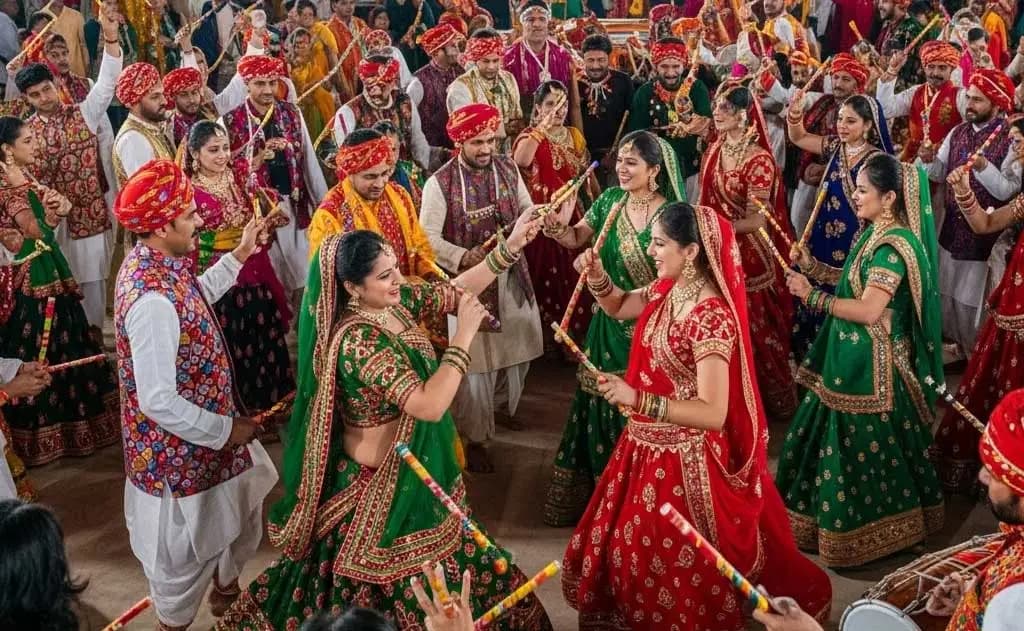
Gujarat transforms into a vibrant tapestry of colors, music, and devotion during Navratri, making it one of the most spectacular festivals in India.
Gujarat transforms into a vibrant tapestry of colors, music, and devotion during Navratri, making it one of the most spectacular festivals in India. The state's unique celebration of the nine-night festival dedicated to Goddess Durga has become globally renowned for its energetic Garba and Dandiya dances, traditional music, and deeply rooted spiritual significance. Whether you're planning to experience Navratri in Gujarat for the first time or want to understand the deeper cultural meanings behind this magnificent celebration, this comprehensive guide will take you through every aspect of Gujarat's most beloved festival.
From the rhythmic beats of dhol and nagada to the swirling colors of chaniya cholis, Navratri in Gujarat is not just a festival—it's a way of life that brings together millions of people in joyous celebration of faith, culture, and community. Let's explore the magic that makes Gujarat's Navratri celebration truly extraordinary.
The Spiritual Foundation of Gujarati Navratri
Before diving into the festivities, it's essential to understand that Navratri in Gujarat is fundamentally a spiritual celebration. The festival honors Amba Mata (another form of Goddess Durga), who is considered the divine mother and protector. Each night represents the worship of different aspects of the Divine Feminine, and the celebrations reflect this profound spiritual connection.
The Nine Forms of Goddess Durga Celebrated:
- Day 1 - Pratipada: Shailputri (Daughter of Mountains)
- Day 2 - Dwitiya: Brahmacharini (Unmarried Form)
- Day 3 - Tritiya: Chandraghanta (Bell-shaped Moon)
- Day 4 - Chaturthi: Kushmanda (Creator of Universe)
- Day 5 - Panchami: Skandamata (Mother of Kartikeya)
- Day 6 - Shashti: Katyayani (Warrior Goddess)
- Day 7 - Saptami: Kaalratri (Dark Night)
- Day 8 - Ashtami: Mahagauri (Extremely Fair)
- Day 9 - Navami: Siddhidatri (Granter of Wishes)
The tenth day, Vijaya Dashami or Dussehra, marks the victory of good over evil and concludes the festival with immersion ceremonies.
Garba: The Sacred Circle Dance
Origins and Spiritual Significance
Garba derives from the Sanskrit word "Garbha" meaning womb, symbolizing life and the feminine creative energy. The circular formation of Garba represents the cycle of time, from birth to death and rebirth, while the dancers move around a central lamp or image of the Goddess, symbolizing the divine light at the center of existence.
The Sacred Garba Circle
The Garba circle holds deep spiritual meaning:
- Clockwise Movement: Represents the cyclical nature of time and the journey of life
- Central Deity: The Goddess placed at the center represents the divine source of all creation
- Collective Energy: The unified movement of hundreds or thousands of dancers creates a powerful spiritual vibration
- Devotional Expression: Every step, clap, and turn is a form of prayer and surrender to the divine
Traditional Garba Steps
Basic Garba Steps for Beginners:
1. Be Tali (Two Claps):
- Move in a circle with simple stepping
- Clap hands twice in rhythm with the music
- Most basic and commonly performed Garba
2. Tran Tali (Three Claps):
- Similar movement with three claps instead of two
- Slightly more complex rhythm
- Popular among experienced dancers
3. Dodhiyu (Simple Step):
- Basic forward and backward movement
- Hands move in coordination with feet
- Foundation step for learning other variations
4. Popatiyu (Parrot Step):
- Mimics the movement of a parrot
- Involves shoulder movements and hand gestures
- More advanced and expressive form
Modern Garba Innovations
While traditional Garba remains the heart of celebrations, modern variations have evolved:
- Fusion Garba: Blends traditional steps with contemporary dance moves
- Theme-based Garba: Incorporates Bollywood songs and modern music
- Competitive Garba: Organized competitions with prizes and recognition
- International Garba: Gujarati communities worldwide have adapted the dance to local contexts
Dandiya Raas: The Dance of Divine Love
Historical and Mythological Background
Dandiya Raas represents the dance performed by Lord Krishna with the Gopis (cowherd girls) in Vrindavan. The colorful sticks (dandiyas) symbolize the sword dance performed by the Goddess Durga during her battle with demons. This dance form combines both devotional and celebratory elements, making it one of the most energetic and joyful expressions of worship.
The Art of Dandiya
Essential Dandiya Techniques:
1. Stick Positions:
- Right Hand Forward: Basic striking position
- Cross Pattern: Striking partner's sticks in X formation
- Over-Under: Complex weaving patterns
- Side Strikes: Lateral movements for rhythm
2. Partner Coordination:
- Face-to-Face: Direct partner interaction
- Circle Formation: Multiple couples in concentric circles
- Line Dancing: Partners in parallel lines
- Mixed Formations: Combining different arrangements
3. Advanced Dandiya Patterns:
- Weaving In and Out: Complex partner exchanges
- Group Formations: Large group coordinated movements
- Speed Variations: Matching stick strikes to music tempo
- Synchronized Jumps: Adding aerial elements to the dance
Safety in Dandiya
Given the energetic nature and use of sticks, safety considerations include:
- Using lightweight, smooth-finished sticks
- Maintaining proper distance between dancers
- Starting with slower rhythms before increasing tempo
- Ensuring adequate space for movement
Traditional Music of Gujarati Navratri
Traditional Instruments
The authentic Navratri music experience involves several traditional instruments:
1. Dhol:
- Large double-headed drum
- Provides the main rhythm and beat
- Played with wooden sticks
- Creates the thunderous base that energizes dancers
2. Nagada:
- Large kettle drum
- Adds depth to the musical arrangement
- Creates dramatic effects during crescendos
- Essential for building excitement
3. Tabla:
- Twin hand drums
- Provides intricate rhythm patterns
- Adds sophistication to the musical arrangement
- Often used in classical Garba compositions
4. Harmonium:
- Keyboard wind instrument
- Provides melodic foundation
- Supports vocal performances
- Essential for devotional songs
5. Manjira (Cymbals):
- Small brass cymbals
- Adds metallic percussion
- Helps maintain rhythm
- Creates celebratory sound effects
Classic Navratri Songs
Traditional Devotional Songs:
1. "Jai Adhya Shakti"
- Most revered Navratri prayer
- Composed by Akho, a medieval poet-saint
- Invokes all forms of Divine Mother
- Sung at the beginning of celebrations
2. "Ambaji Ni Aarti"
- Devotional song for Goddess Amba
- Traditional evening prayer
- Creates spiritual atmosphere
- Performed during temple ceremonies
3. "Rannade Rang Bharyo"
- Classic Garba song
- Celebrates the colorful nature of the festival
- High-energy composition
- Perfect for group dancing
4. "Pankhida O Pankhida"
- Beloved traditional song
- Metaphorical reference to the soul's journey
- Melodically beautiful
- Appeals to all age groups
Modern Musical Evolution
Contemporary Navratri has embraced musical innovation while preserving traditional elements:
- Fusion Music: Blending traditional melodies with modern instruments
- DJ Culture: Electronic music mixed with traditional beats
- Bollywood Integration: Popular film songs adapted for Garba
- International Influences: Global music styles incorporated into celebrations
Traditional Attire: The Glory of Gujarati Clothing
Women's Traditional Dress
Chaniya Choli: The Iconic Outfit
The Chaniya Choli is the quintessential Navratri outfit for women, consisting of three main components:
1. Choli (Blouse):
- Fitted blouse with intricate embroidery
- Features mirror work, sequins, and traditional patterns
- Available in vibrant colors
- Often has elaborate sleeve designs
2. Chaniya (Skirt):
- Long, flowing circular skirt
- Creates beautiful swirling effects during dance
- Traditionally made with multiple layers
- Features extensive border work and embellishments
3. Dupatta (Veil/Scarf):
- Completes the traditional look
- Often transparent with decorative borders
- Can be draped in various styles
- Adds elegance to the overall appearance
Color Significance in Traditional Dress:
- Day 1 (Red): Represents energy and passion
- Day 2 (Blue): Symbolizes tranquility and depth
- Day 3 (Yellow): Signifies knowledge and prosperity
- Day 4 (Green): Represents nature and growth
- Day 5 (Grey): Symbolizes strength and determination
- Day 6 (Orange): Represents enthusiasm and warmth
- Day 7 (White): Signifies purity and peace
- Day 8 (Pink): Represents compassion and love
- Day 9 (Purple): Symbolizes spirituality and transformation
Men's Traditional Attire
Kediyu and Dhoti: Classic Masculine Elegance
1. Kediyu:
- Traditional short jacket or shirt
- Features button-up front with collar
- Often decorated with embroidery
- Available in various colors and patterns
2. Dhoti:
- Traditional lower garment
- Wrapped around waist and legs
- Provides comfort during dancing
- Symbol of cultural authenticity
3. Accessories:
- Pagdi (Turban): Traditional headwear
- Mojari: Traditional footwear
- Kada: Metal bracelets
- Necklaces: Traditional jewelry pieces
Modern Fashion Trends
Contemporary Navratri fashion has evolved to include:
- Designer Chaniya Cholis: High-fashion interpretations of traditional wear
- Fusion Outfits: Combining traditional and modern elements
- Color Coordination: Matching outfits for couples and families
- Themed Costumes: Based on popular culture and movies
- Comfortable Variants: Practical designs for extended dancing
The Cultural Impact of Gujarati Navratri
Economic Significance
Navratri in Gujarat has tremendous economic impact:
1. Tourism Industry:
- Millions of visitors from across India and abroad
- Hotel bookings increase by 300-400%
- Travel agencies create special Navratri packages
- Local businesses experience significant growth
2. Fashion and Textile Industry:
- Massive demand for traditional clothing
- Local artisans and craftsmen benefit enormously
- Textile exports increase during the season
- Fashion designers launch special Navratri collections
3. Event Management:
- Professional event organizers manage large venues
- Sound and lighting equipment in high demand
- Food vendors and caterers experience peak business
- Transportation services see increased usage
Social and Cultural Impact
Community Building:
- Inclusive Celebrations: People from all backgrounds participate
- Cultural Preservation: Traditional art forms are kept alive
- Social Interaction: Brings together people across social divides
- Youth Engagement: Younger generations connect with their heritage
Global Spread:
- International Communities: Gujarati diaspora celebrates worldwide
- Cultural Exchange: Non-Gujaratis learn and appreciate the traditions
- Tourism Promotion: Gujarat becomes a major cultural destination
- Media Coverage: International attention on Indian festivals
Major Navratri Venues in Gujarat
Ahmedabad - The Navratri Capital
1. GMDC Ground:
- One of the largest venues in the city
- Accommodates thousands of dancers
- Features top-class music and lighting
- Known for organized competitions
2. Karnavati Club:
- Premium venue with exclusive celebrations
- High-end crowd and superior arrangements
- Limited entry with advance bookings
- Features celebrity performances
3. Law Garden:
- Traditional venue with authentic atmosphere
- Mix of all age groups
- Reasonable entry fees
- Famous for traditional Garba
4. Rajpath Club:
- Well-organized events
- Family-friendly environment
- Good facilities and arrangements
- Popular among middle-class families
Vadodara (Baroda)
1. Navratri Mahotsav - United Way Ground:
- Massive celebration with thousands of participants
- Celebrity singers and performers
- Well-organized with proper facilities
- One of the most famous venues in Gujarat
2. Sama Savli Road:
- Multiple smaller venues
- More intimate celebrations
- Local community focus
- Traditional atmosphere
Rajkot
1. Race Course Ground:
- Large venue with modern facilities
- Mix of traditional and contemporary celebration
- Good crowd management
- Popular among youth
2. Jubilee Garden:
- Traditional setting
- Family-oriented celebrations
- Reasonable pricing
- Local cultural flavor
Surat
1. VNSGU Ground:
- University ground with student participation
- Energetic and youthful crowd
- Modern music and arrangements
- Popular among college students
Food and Festivities
Traditional Navratri Food
During Navratri, Gujaratis observe fasting (farali) and consume special foods:
Allowed Ingredients:
- Sabudana (Sago): Used in various preparations
- Rajgira (Amaranth): Flour used for rotis and sweets
- Singhara (Water Chestnut): Flour for various dishes
- Kuttu (Buckwheat): Popular fasting flour
- Rock Salt: Used instead of regular salt
- Dairy Products: Milk, curd, buttermilk
- Fruits and Dry Fruits: All varieties allowed
- Potatoes and Sweet Potatoes: Staple vegetables
Popular Navratri Dishes:
- Sabudana Khichdi: Savory sago preparation
- Rajgira Sheera: Sweet amaranth pudding
- Farali Chevdo: Special fasting snack mix
- Shakarkand Sabzi: Sweet potato curry
- Kuttu na Dosa: Buckwheat pancakes
- Makhana Curry: Fox nut preparation
- Coconut Barfi: Fasting-friendly sweet
- Samvat Rice Kheer: Barnyard millet pudding
Modern Food Trends
Contemporary Navratri celebrations have introduced:
- Food Courts: Multiple cuisine options at venues
- Healthy Options: Focus on nutritious fasting foods
- Fusion Cuisine: Creative interpretations of traditional dishes
- International Flavors: Adapted to fasting requirements
Planning Your Navratri Experience
What to Expect
1. Timing:
- Celebrations typically start at 8:00 PM
- Peak hours are between 10:00 PM to 1:00 AM
- Some venues continue until 2:00-3:00 AM
- Early morning Aarti ceremonies at 5:00-6:00 AM
2. Crowd Management:
- Expect large crowds, especially on weekends
- Popular venues can have 10,000+ people
- Queue systems for entry
- Bag checking and security measures
3. Participation Tips:
- Learn Basic Steps: Practice simple Garba moves beforehand
- Comfortable Footwear: Essential for long dancing sessions
- Hydration: Carry water bottles
- Cash Management: Keep small denominations for various expenses
Booking and Reservations
1. Advance Planning:
- Popular venues sell out quickly
- Book accommodations months in advance
- Group bookings often get discounts
- Check for package deals including multiple venues
2. Types of Passes:
- Daily Passes: Single night entry
- Season Passes: All nine nights access
- VIP Passes: Premium seating and facilities
- Student Discounts: Special rates for students
Travel and Accommodation
1. Transportation:
- By Air: Major cities have airports with increased flights during Navratri
- By Train: Special trains operate during the festival
- Local Transport: Auto-rickshaws, taxis, and buses readily available
- Private Vehicles: Parking can be challenging near venues
2. Accommodation Options:
- Hotels: Book well in advance due to high demand
- Guest Houses: Budget-friendly options
- Homestays: Experience local hospitality
- Dharamshalas: Religious accommodations near temples
The Spiritual Journey of Navratri
Daily Rituals and Observances
Each day of Navratri has specific rituals and spiritual practices:
Morning Rituals:
- Early Morning Prayers: Begin the day with devotional songs
- Temple Visits: Seeking blessings from Goddess
- Fasting Observance: Following dietary restrictions
- Meditation: Connecting with divine energy
Evening Celebrations:
- Aarti Ceremony: Devotional prayers with lit lamps
- Community Garba: Participating in collective worship
- Dandiya Raas: Expressing joy and devotion through dance
- Midnight Prayers: Deep spiritual connection during late hours
Spiritual Significance of the Dance
The dance forms of Garba and Dandiya are not merely entertainment but profound spiritual practices:
1. Moving Meditation:
- Repetitive movements induce meditative states
- Rhythmic breathing synchronizes with dance steps
- Collective energy creates spiritual elevation
- Surrender of ego through group participation
2. Devotional Expression:
- Every movement is an offering to the Divine
- Physical exertion as form of penance
- Joy and celebration as worship
- Community bonding as spiritual practice
3. Cultural Continuity:
- Preserving ancient traditions
- Passing values to younger generations
- Maintaining community identity
- Celebrating shared heritage
Contemporary Challenges and Adaptations
Modernization vs. Tradition
Gujarat's Navratri celebrations face the challenge of balancing tradition with modernity:
Traditional Concerns:
- Maintaining authentic music and dance forms
- Preserving spiritual significance
- Supporting local artisans and musicians
- Keeping celebrations accessible to all economic classes
Modern Adaptations:
- Professional sound systems and lighting
- Celebrity performances and DJ music
- Corporate sponsorships and commercialization
- Social media integration and digital promotion
Environmental Considerations
Modern celebrations are increasingly conscious of environmental impact:
1. Sustainable Practices:
- Use of biodegradable decorations
- Waste management systems
- Water conservation measures
- Noise pollution control
2. Eco-friendly Initiatives:
- Digital tickets to reduce paper waste
- Reusable decorations and props
- Organic food options
- Public transportation promotion
The Global Gujarati Navratri
International Celebrations
Gujarati communities worldwide have carried their Navratri traditions to every continent:
1. North America:
- Major celebrations in cities like Houston, New Jersey, California
- Purpose-built venues for large gatherings
- Integration with local cultures
- Second and third-generation participation
2. United Kingdom:
- London's Gujarati community organizes massive celebrations
- Combination of traditional and contemporary elements
- Cross-cultural participation
- Professional event management
3. Australia and New Zealand:
- Growing celebrations in major cities
- Family-oriented community events
- Cultural education for younger generations
- Integration with local festivals
4. Africa and Middle East:
- Established celebrations in countries with Gujarati diaspora
- Maintaining cultural connections with homeland
- Business community involvement
- Cultural diplomacy through festivals
Tips for First-Time Participants
Before You Go
1. Research and Preparation:
- Learn about the cultural significance
- Watch tutorial videos for basic dance steps
- Understand the dress code and traditions
- Plan your itinerary and bookings
2. Physical Preparation:
- Build stamina for long dancing sessions
- Practice basic movements
- Comfortable footwear selection
- Health and hydration planning
During the Festival
1. Cultural Sensitivity:
- Respect religious customs and traditions
- Follow venue rules and guidelines
- Be mindful of local customs
- Participate with genuine enthusiasm
2. Safety and Comfort:
- Stay hydrated throughout the evening
- Take breaks when needed
- Keep personal belongings secure
- Follow crowd management instructions
3. Making the Most:
- Join beginner-friendly circles
- Don't hesitate to ask for help with steps
- Capture memories through photos/videos (where allowed)
- Engage with local community members
After the Festival
1. Cultural Appreciation:
- Share your experiences with others
- Learn more about Gujarati culture
- Support traditional artisans and craftspeople
- Plan for future participation
Conclusion: The Magic of Gujarati Navratri
Gujarat's Navratri celebration is much more than a festival—it's a spiritual journey, cultural explosion, and community celebration all rolled into one magnificent experience. From the sacred circles of Garba to the rhythmic symphony of Dandiya sticks, from the vibrant colors of traditional attire to the soulful melodies of devotional music, every aspect of this nine-night festival speaks to the heart and soul of Gujarati culture.
The festival beautifully demonstrates how ancient traditions can thrive in the modern world, how spirituality can be celebrated through joy and community, and how cultural identity can be preserved while embracing change. Whether you're drawn by the devotional aspect, the cultural richness, the energetic dances, or simply the infectious joy of the celebrations, Gujarat's Navratri offers something profound for everyone.
As the dhol beats echo through the nights and the Garba circles spin in endless devotion, participants become part of something larger than themselves—a tradition that has been passed down through generations and will continue to inspire future ones. The festival proves that in our increasingly digital and individualistic world, there's still immense power in coming together as a community to celebrate faith, culture, and the simple joy of being alive.
For those planning to experience this magical celebration, remember that you're not just attending a festival—you're becoming part of a living tradition that connects the past with the present and the individual with the divine. In the swirling circles of Garba and the rhythmic beats of Dandiya, you'll find not just entertainment, but a pathway to understanding the deep spiritual and cultural heart of Gujarat.
Jay Ambe Ma! Jay Gujarat!
For more insights into Hindu festivals, traditions, and cultural celebrations, visit HinduTone.com - your complete guide to authentic Hindu culture and spiritual practices.
Quick Reference Guide:
Best Time to Visit: September-October (Navratri season) Duration: 9 nights + 1 day (Dussehra) Major Cities: Ahmedabad, Vadodara, Rajkot, Surat What to Bring: Traditional attire, comfortable shoes, camera, water bottle Budget: ₹500-5000 per person per night (depending on venue) Languages: Gujarati, Hindi, English widely spoken
Frequently Asked Questions
When is A to Celebrating Navratri in Gujarat?
A to Celebrating Navratri in Gujarat is observed on its traditional tithi in the Hindu lunar calendar; refer to the year's panchang for the exact date in your region.
What is the significance of A to Celebrating Navratri in Gujarat?
Gujarat transforms into a vibrant tapestry of colors, music, and devotion during Navratri , making it one of the most spectacular festivals in India. The state's unique celebration of the nine-night festival dedicated to Goddess Durga has become globally renowned for its energetic Garba and Dandiya dances, traditional music, and deeply rooted spiritual signi
How is A to Celebrating Navratri in Gujarat celebrated?
Devotees observe it with puja, fasting or special offerings, visiting temples, chanting mantras, and gathering with family. Customs vary by region and tradition.
What should devotees do on A to Celebrating Navratri in Gujarat?
Take a sacred bath, perform the day's puja and charity (dana), observe any prescribed fast, and chant mantras with sincere devotion.
You might also like
Dussehra / Vijayadashami 2026: Complete Guide — Date, Muhurat, Rituals & Meaning
Hindu Festival Calendar 2026 — Complete Guide for NRIs (Dates, Tithis, Puja)
Nine Nights, Nine Forms: Navratri as the Diaspora's Most Sustainable Festival