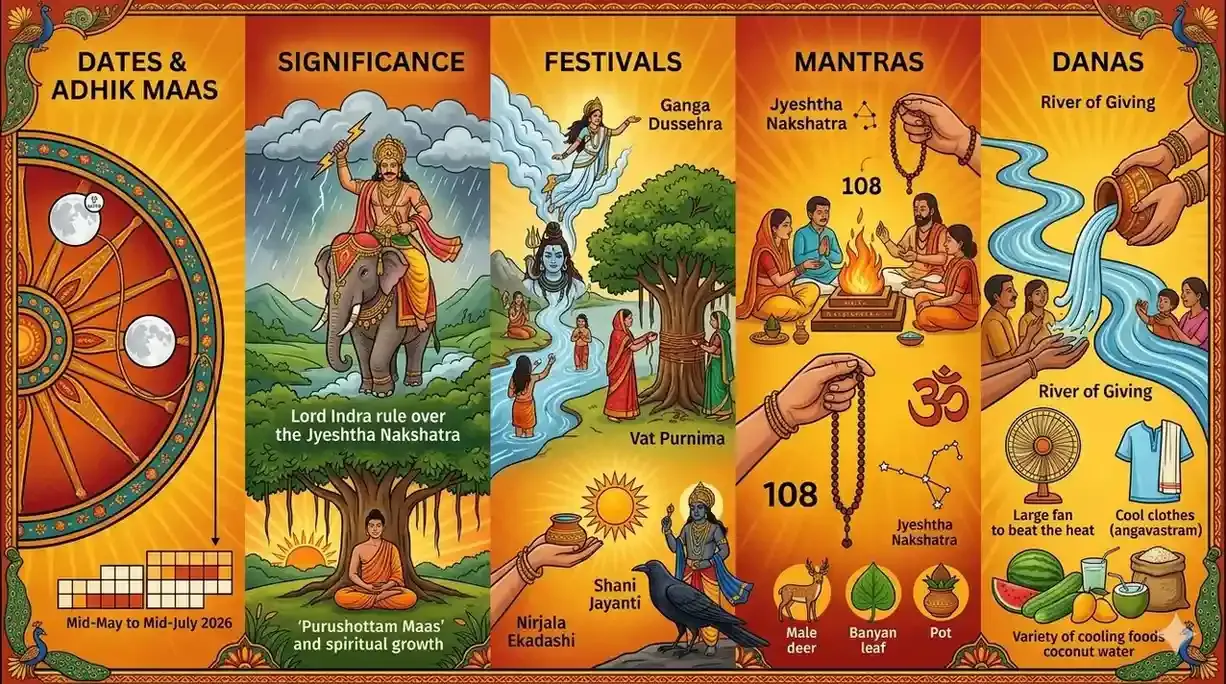
Navaratri 2026: Dates, 9 Devi Names, Puja Rituals, Mantras & Complete Spiritual Guide
Your Trusted Guide to Hindu Festivals, Spirituality & Culture Navaratri 2026: Dates, 9 Devi Names, Puja Rituals, Mantras & Complete Spiritual Guide The…
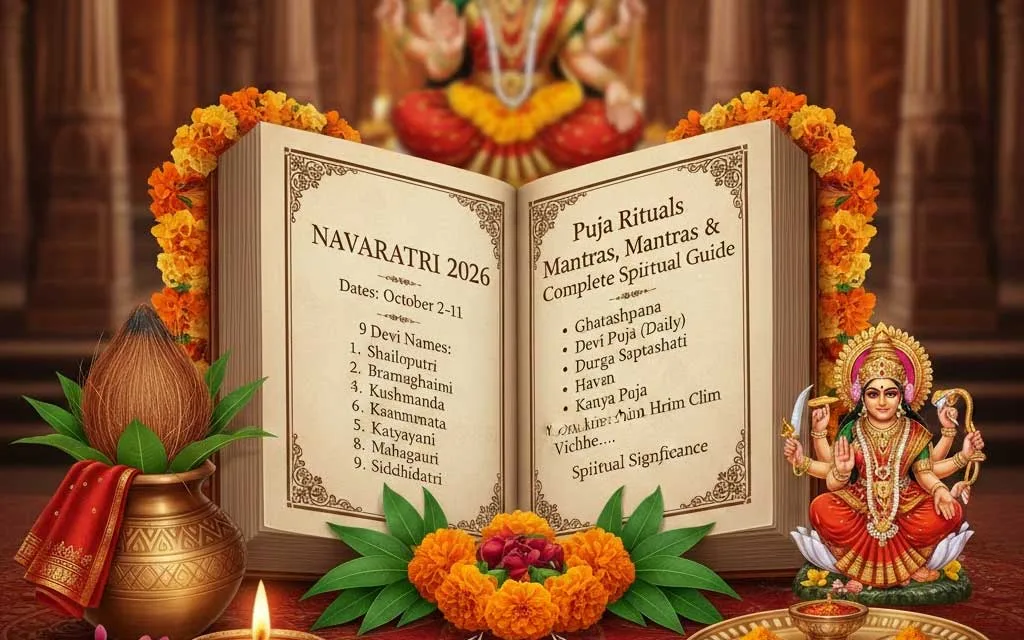
Your Trusted Guide to Hindu Festivals, Spirituality & Culture Navaratri 2026: Dates, 9 Devi Names, Puja Rituals, Mantras & Complete Spiritual Guide The…
Your Trusted Guide to Hindu Festivals, Spirituality & Culture
Navaratri 2026: Dates, 9 Devi Names, Puja Rituals,
Mantras & Complete Spiritual Guide
The Ultimate Guide to Sharad Navaratri 2026 | HinduTone.com
Introduction: What Is Navaratri?
Navaratri (also spelled Navratri or Nava Ratri) is one of the most sacred and widely celebrated Hindu festivals in the world. The word comes from the Sanskrit roots "Nava" (nine) and "Ratri" (night) — literally meaning Nine Sacred Nights. During these nine divine nights, devotees across India and around the globe worship Goddess Durga in her nine magnificent forms, known as the Navadurga, invoking Shakti — the primordial cosmic feminine energy that sustains, protects, and liberates all of creation.
Sharad Navaratri 2026 is the grandest and most spiritually potent of all the Navaratri celebrations in the year. Occurring in the bright fortnight (Shukla Paksha) of the Hindu lunar month of Ashwin, it marks the season of autumn — a powerful transitional period when the cosmic energies of creation are at their most receptive, and spiritual practices bear the greatest fruit.
Whether you are a devoted practitioner, a curious seeker, or someone looking to honour your cultural roots, this comprehensive guide by HinduTone.com will walk you through everything you need to know about Navaratri 2026 — from dates and daily Devi names to rituals, fasting rules, mantras, regional celebrations, and the deep spiritual significance of each sacred night.
Navaratri 2026 Dates: When Is Navaratri in 2026?
Sharad Navaratri 2026 begins on Sunday, October 11, 2026, and concludes on Monday, October 19, 2026. The grand finale, Vijayadasami (Dussehra), is celebrated on Tuesday, October 20, 2026 — the tenth day marking the triumph of righteousness over evil.
Pro Tip for HinduTone.com readers: The auspicious Ghatasthapana Muhurat (the ideal time to place the sacred Kalash on Day 1) for October 11, 2026 falls approximately between the morning hours. Always consult your local panchang for precise muhurat timings based on your location.
The Nine Forms of Goddess Durga: Navadurga in Navaratri 2026
The heart of Navaratri is the daily worship of the Navadurga — the nine manifestations of Adi Shakti, the Supreme Mother Goddess. Each form embodies a unique divine quality and energy, guiding devotees on a nine-step journey from worldly strength to ultimate spiritual liberation.
Below is the complete Navaratri 2026 Devi schedule with colours, dates, and significance:
Day-by-Day Spiritual Guide: The 9 Goddesses of Navaratri 2026
Day 1 – Maa Shailputri (October 11, 2026) | Colour: Yellow
Mantra: "Om Devi Shailputryai Namah"
Shailputri means 'Daughter of the Mountain.' She is the first and foundational form of Durga, riding Nandi the bull, holding a trident and lotus. She represents the Moon in Vedic astrology. Worshipping her on Day 1 blesses devotees with stability, grounding, and inner strength. Yellow, the colour of the day, symbolises happiness and new beginnings — perfect for the start of this sacred journey.
Day 2 – Maa Brahmacharini (October 12, 2026) | Colour: Green
Mantra: "Om Devi Brahmacharinyai Namah"
Brahmacharini is the ascetic form of Parvati, walking barefoot, holding a rudraksha mala and a kamandalu (water pot). She embodies penance, devotion, and self-discipline. Associated with Mars, she helps devotees overcome obstacles through patience and tapas (austerity). Green, her colour, represents growth, fertility, and harmony.
Day 3 – Maa Chandraghanta (October 13, 2026) | Colour: Grey
Mantra: "Om Devi Chandraghantayai Namah"
Chandraghanta bears a crescent moon (Chandra) shaped like a bell (Ghanta) on her forehead. Riding a tiger with ten arms bearing weapons, she is the embodiment of courage and fearlessness. She is associated with Venus and blesses devotees with bravery, grace, and the power to vanquish inner demons. Grey symbolises strength, balance, and neutrality.
Day 4 – Maa Kushmanda (October 14, 2026) | Colour: Orange
Mantra: "Om Devi Kushmandayai Namah"
Kushmanda is the creator of the universe — she created the cosmos with her smile. Eight-armed and radiant as the Sun, she rides a lioness. She is associated with the Sun itself, and her worship on Day 4 eliminates illness, sorrow, and misfortune. Orange, her colour, radiates energy, enthusiasm, and warmth — the very qualities she embodies.
Day 5 – Maa Skandamata (October 15, 2026) | Colour: White
Mantra: "Om Devi Skandamatayai Namah"
Skandamata is the mother of Lord Skanda (Kartikeya), the divine general of the gods. With four arms, she holds a lotus, her son, and the gesture of blessing. Associated with Mercury, she bestows wisdom, education, and compassion. White represents purity, peace, and the divine light of knowledge — fitting for this nurturing aspect of the Mother Goddess.
Day 6 – Maa Katyayani (October 16, 2026) | Colour: Red
Mantra: "Om Devi Katyayanyai Namah"
Katyayani is the fierce warrior form, born from the combined energies of Brahma, Vishnu, and Shiva to slay the demon Mahishasura. Riding a lion with four arms, she is the destroyer of evil. Associated with Jupiter, she bestows courage, confidence, and the strength to overcome adversaries. Red is the colour of power, passion, and divine protection.
Day 7 – Maa Kaalratri (October 17, 2026) | Colour: Royal Blue
Mantra: "Om Devi Kalaratryai Namah"
Kaalratri, the most fearsome form of Durga, has dark blue-black skin, wild hair, and three eyes radiating light. She rides a donkey and is the destroyer of darkness, ignorance, and all evil forces. Despite her terrifying appearance, she is 'Shubhamkari' — the bestower of auspiciousness. Associated with Saturn, she liberates devotees from fear and negative karmas. Royal blue represents infinity, depth, and divine mystery.
Day 8 – Maa Mahagauri (October 18, 2026) | Colour: Pink
Mantra: "Om Devi Mahagauryai Namah"
Mahagauri is dazzling white, symbolising purity and absolute peace. After years of tapas, her dark complexion was cleansed and restored to pristine radiance by Lord Shiva. She is associated with Rahu and is worshipped on Ashtami — the most auspicious tithi of Navaratri — when special Sandhi Puja is observed. Pink represents love, compassion, and universal grace.
Day 9 – Maa Siddhidatri (October 19, 2026) | Colour: Purple
Mantra: "Om Devi Siddhidatryai Namah"
Siddhidatri is the bestower of all eight Siddhis (divine powers) — Anima, Mahima, Garima, Laghima, Prapti, Prakamya, Ishitva, and Vashitva. She sits on a lotus, surrounded by Siddhas, Gandharvas, and celestials. She is the ultimate, most complete form of the Divine Mother. Purple, the colour of this final day, symbolises spiritual attainment, divine wisdom, and liberation (moksha).
The Sacred Mythology Behind Navaratri: Why We Celebrate
The Battle of Durga and Mahishasura
The most celebrated legend behind Navaratri is found in the Markandeya Purana, within the sacred text known as the Devi Mahatmya (also called Durga Saptashati — 700 verses glorifying the Goddess). Mahishasura, the mighty buffalo-demon, had obtained a boon from Lord Brahma making him nearly invincible against all gods and men. Drunk with power, he invaded Swarga (heaven) and drove the Devas from their celestial realm.
In their desperation, the Devas — Brahma, Vishnu, and Shiva — combined the rays of their divine power to create Goddess Durga, the embodiment of supreme Shakti. Armed with weapons gifted by every god, riding a magnificent lion, she waged a ferocious nine-night battle against Mahishasura and his demon armies. On the tenth day — Vijayadasami — she slew Mahishasura, restoring dharma and liberating all creation. This cosmic victory of divine light over demonic darkness is the eternal message of Navaratri.
Lord Rama and the Akaal Bodhon
The second great legend connects Navaratri to the Ramayana. As per tradition, Lord Rama invoked Goddess Durga in the autumn season (an unusual, 'untimely' time — hence Akaal Bodhon, or 'untimely awakening') before going to battle against the demon king Ravana in Lanka. Durga blessed him with her divine grace, and Rama defeated Ravana on the tenth day — celebrated as Dussehra. This tradition is especially central to the Durga Puja celebrations of West Bengal.
Navaratri 2026 Puja Vidhi: How to Perform Navaratri Rituals
Ghatasthapana (Kalash Sthapana) — Day 1: October 11, 2026
Ghatasthapana is the central ritual of Navaratri's first day, marking the formal invocation of the Divine Mother into the sacred Kalash (pot). This ritual should ideally be performed during the Pratipada tithi, during the Abhijit Muhurat. Here is the step-by-step Ghatasthapana Vidhi:
• Choose a clean, sacred space in your home. Spread sand or earth on a wooden plank.
• Sow barley seeds (Jau) into the earth — these symbolise growth, prosperity, and life.
• Place a copper or clay Kalash filled with Ganga jal (holy water) on the earth.
• Fill the Kalash with water, betel nuts, coins, and five types of leaves (Panchapallava).
• Place a coconut wrapped in red cloth on top of the Kalash.
• Surround the Kalash with red flowers, turmeric, kumkum, and akshata (unbroken rice).
• Invoke Goddess Durga with the mantra: 'Om Devi Durgayai Namah' and light a diya.
• Perform Shodashopachara puja (16-step worship) daily throughout the nine days.
Daily Navaratri Puja Essentials
• Light an Akhand Jyoti (continuous flame) from Pratipada through Navami.
• Offer red flowers, hibiscus, and lotus to the Goddess daily.
• Recite the Durga Saptashati (Chapters 1–13) or daily chapters as per tradition.
• Chant the Durga Chalisa, Devi Kavach, and Argala Stotram.
• Perform Aarti morning and evening with camphor and ghee lamps.
• Observe fasting (Navaratri Vrat) as per your tradition and health.
• On Ashtami (Day 8): Perform Kanya Puja — worship nine young girls as manifestations of the Goddess.
• On Navami (Day 9): Conclude vrat, offer Halwa-Puri-Chana as prasad.
Navaratri 2026 Vrat (Fasting) Rules & What to Eat
Fasting during Navaratri is a powerful spiritual discipline that purifies the body, calms the mind, and enhances divine receptivity. Devotees across India observe the Navaratri Vrat in different ways. Here are the traditional guidelines:
What to Eat During Navaratri Vrat
• Sabudana (tapioca) — khichdi, vadas, or kheer
• Singhare ka atta (water chestnut flour) — roti or halwa
• Kuttu ka atta (buckwheat flour) — pooris or pancakes
• Samak rice (barnyard millet) — khichdi or kheer
• Fresh fruits, milk, curd, and dry fruits
• Sendha namak (rock salt) — the only salt permitted
• Potatoes, sweet potatoes, arbi (taro root), and raw banana
What to Avoid During Navaratri
• Common salt (table salt) — use rock salt only
• Grains: wheat, rice, corn, and all cereals
• Non-vegetarian food, eggs, and alcohol
• Onions, garlic, and other tamasic (rajasic) foods
• Smoking, intoxicants, and negative speech
Powerful Navaratri Mantras 2026 for Daily Chanting
The Universal Durga Mantra
Mahishasura Mardini Stotram — Opening Verse
Sarvamangala Mangalyae — The Auspiciousness Mantra
Devi Suktam Invocation
How India Celebrates Navaratri 2026: Regional Traditions
Gujarat — Garba and Dandiya Raas
Gujarat comes alive during Navaratri with the world-famous Garba dance — devotees dressed in vibrant chaniya cholis and kediyas whirl and sway in concentric circles around the Goddess's idol, celebrating through the night. Dandiya Raas — a playful stick dance — is performed from dusk until dawn. The Garba of Gujarat's Navaratri is now recognized by UNESCO.
West Bengal — Durga Puja
West Bengal celebrates Navaratri as Durga Puja, arguably the largest religious festival in South Asia. Elaborately crafted clay idols of Goddess Durga — depicting her slaying Mahishasura flanked by Lakshmi, Saraswati, Kartik, and Ganesha — are installed in magnificent pandals (temporary shrines). On Vijayadasami, the idols are immersed in rivers in grand processions (visarjan), bidding farewell to the Mother.
Tamil Nadu & South India — Golu (Kolu)
In Tamil Nadu, Karnataka, Andhra Pradesh, and Kerala, Navaratri is celebrated through the Golu tradition — a tiered staircase display of clay and wooden dolls (bommai kolu) representing gods, mythological stories, and village life. On Saraswati Puja (Day 9), books, instruments, and tools of one's craft are placed before the Goddess and worshipped. Vijayadasami marks Vidyarambham — the auspicious initiation of children into learning.
North India — Ramlila and Dussehra
In Delhi, Uttar Pradesh, Himachal Pradesh, and other northern states, Navaratri is associated with Ramlila — nightly dramatic enactments of episodes from the Ramayana. The festival culminates on Dussehra (October 20, 2026) with the burning of towering effigies of Ravana, Kumbhakarna, and Meghanad, symbolising the destruction of the ten heads of ego.
Maharashtra — Navaratri Utsav
Maharashtra celebrates Navaratri with Ghatasthapana, daily aarti, and devotional singing. The nine-night festival also marks the harvest season's transition. Many families display the Devi Ghat (sacred pot) and maintain the Akhand Jyot with great reverence.
The Deep Spiritual Significance of Navaratri 2026
The Three Phases of Navaratri: Tamas, Rajas, Sattva
Navaratri is not merely a religious festival — it is a profound spiritual discipline structured around the three cosmic qualities (Gunas) of existence. The nine days are divided into three triads:
• Days 1–3 (Tamas → Durga): Goddess Durga destroys the tamasic qualities within — sloth, ignorance, and destructive habits. Devotees invoke her to demolish the old, to make space for new growth.
• Days 4–6 (Rajas → Lakshmi): Goddess Lakshmi purifies the rajasic impulses — greed, desire, and restless ambition — transforming them into noble aspiration and abundance.
• Days 7–9 (Sattva → Saraswati): Goddess Saraswati elevates the seeker into sattvic awareness — wisdom, clarity, creativity, and devotion. The culmination is enlightenment.
Navaratri as Inner Transformation
The great sages and scriptures teach that the real demon being slain during Navaratri is not an external entity — it is the inner Mahishasura of the ego, the six enemies (Arishadvargas) of lust, anger, greed, delusion, pride, and envy. Each night of Navaratri is an opportunity to invoke the Divine Shakti within and wage a conscious battle against one's own lower nature.
This is why the festival spans nine nights rather than nine days — night is the time of introspection, withdrawal of the senses, and deepened meditation. The nine nights parallel the nine months of gestation in the womb: Navaratri is a spiritual rebirth, emerging at Vijayadasami as a purer, more luminous version of oneself.
The Cosmic Significance of Sharad Navaratri
Sharad Navaratri is considered the most powerful of all Navaratris because it occurs during the junction of seasons — the transition from autumn's abundance to winter's stillness. At this cosmic threshold, the Shakti of the universe is said to be most accessible, most intensely felt. The Devi herself is said to descend to Earth during these nine nights and bless all who call upon her with sincerity.
Kanya Puja: Worshipping the Living Goddess
One of the most moving and sacred traditions of Navaratri is Kanya Puja (also called Kumari Puja) — the worship of nine young girls as living embodiments of the Navadurga. Typically performed on Ashtami (Day 8, October 18, 2026) or Navami (Day 9, October 19, 2026), it involves:
• Inviting nine girls between the ages of 2 and 10 (each representing one of the nine Devis)
• Washing their feet with milk or water as a mark of respect
• Applying kumkum tilak on their foreheads
• Offering halwa (semolina sweet), puri (fried bread), and chana (spiced chickpeas) as prasad
• Gifting new clothes, bangles, or coins as blessings
• Receiving their blessings by touching their feet
This profoundly humbling ritual reflects the Hindu vision of the Divine — that Shakti is not distant or abstract, but present in every girl child, every woman, every living being. It is a spiritual practice of equality and reverence for the feminine.
Vijayadasami 2026 (Dussehra): The Triumphant Tenth Day
Vijayadasami falls on Tuesday, October 20, 2026 — the day after Navami. 'Vijaya' means victory and 'Dasami' means tenth day. This is one of the most auspicious days of the entire Hindu calendar year, considered supremely favourable for:
• Initiating children into learning (Vidyarambham) — particularly in Kerala and Tamil Nadu
• Starting new businesses, partnerships, and ventures
• Purchasing gold, property, or vehicles
• Performing Shastra Puja — the worship of one's tools and instruments
• The burning of Ravana effigies (North India) — symbolising victory over the ten-headed ego
• Immersion of Durga idols with grand processions (West Bengal)
Frequently Asked Questions: Navaratri 2026
Q: When is Navaratri in 2026?
Sharad Navaratri 2026 begins on Sunday, October 11, 2026 and ends on Monday, October 19, 2026. Vijayadasami (Dussehra) is on Tuesday, October 20, 2026.
Q: How many types of Navaratri are there in 2026?
There are four Navaratris in 2026: Gupt Navaratri (January 19–27), Chaitra Navaratri (March 19–27), Ashadha Gupt Navaratri (approx. July), and Sharad Navaratri (October 11–19). Sharad Navaratri is the most widely celebrated.
Q: What is the Ghatasthapana muhurat for Navaratri 2026?
The Ghatasthapana Muhurat for October 11, 2026 falls during the morning hours. Consult your local panchang for precise timings based on your city and region.
Q: What are the 9 colours of Navaratri 2026?
The Navaratri 2026 colours are: Day 1 – Yellow, Day 2 – Green, Day 3 – Grey, Day 4 – Orange, Day 5 – White, Day 6 – Red, Day 7 – Royal Blue, Day 8 – Pink, Day 9 – Purple.
Q: What can I eat during Navaratri fasting?
During Navaratri vrat, you can eat sabudana (tapioca), singhare ka atta, kuttu ka atta, samak rice, fruits, milk, curd, dry fruits, and vegetables like potato and sweet potato. Use only rock salt (sendha namak).
Q: Is Navratri and Navaratri the same festival?
Yes — Navratri and Navaratri are spellings of the same sacred festival. Both refer to the nine-night festival dedicated to the nine forms of Goddess Durga. Other common spellings include Navaratri, Nava Rathri, and Nava Ratri.
Q: What is the significance of Kanya Puja in Navaratri?
Kanya Puja is the sacred tradition of worshipping nine young girls as living manifestations of the Navadurga. It is performed on Ashtami or Navami and is considered one of the most spiritually potent rituals of the entire Navaratri festival.
Conclusion: Let Navaratri 2026 Transform You
Navaratri 2026 is more than a festival of colours, dance, and feasting — it is a nine-night invitation from the Divine Mother herself to turn inward, shed what no longer serves you, and emerge reborn in her radiant grace. Each of the nine Goddesses offers you a specific divine quality: strength, devotion, courage, creative power, compassion, warrior spirit, fearlessness, purity, and ultimate wisdom.
Whether you celebrate by dancing Garba in Gujarat, observing Kanya Puja in Delhi, arranging Golu dolls in Chennai, or simply lighting a lamp and chanting the Devi's name at dawn — every sincere act of devotion is received by the Mother with equal love.
You might also like
Gita Jayanti 2026 Prasad Recipes — Tulsi-Honoring Sweets, Krishna's Favourites & December 10 Bhog Plate
Navratri 2026 — Sharad Navaratri Dates (October 2-11), 9 Goddess Forms, Garba Events & Complete NRI Celebration Guide
Maha Shivratri 2026 Vrat Recipes — Sabudana Khichdi, Singhada Halwa, Phalahara Foods Complete Fasting Guide