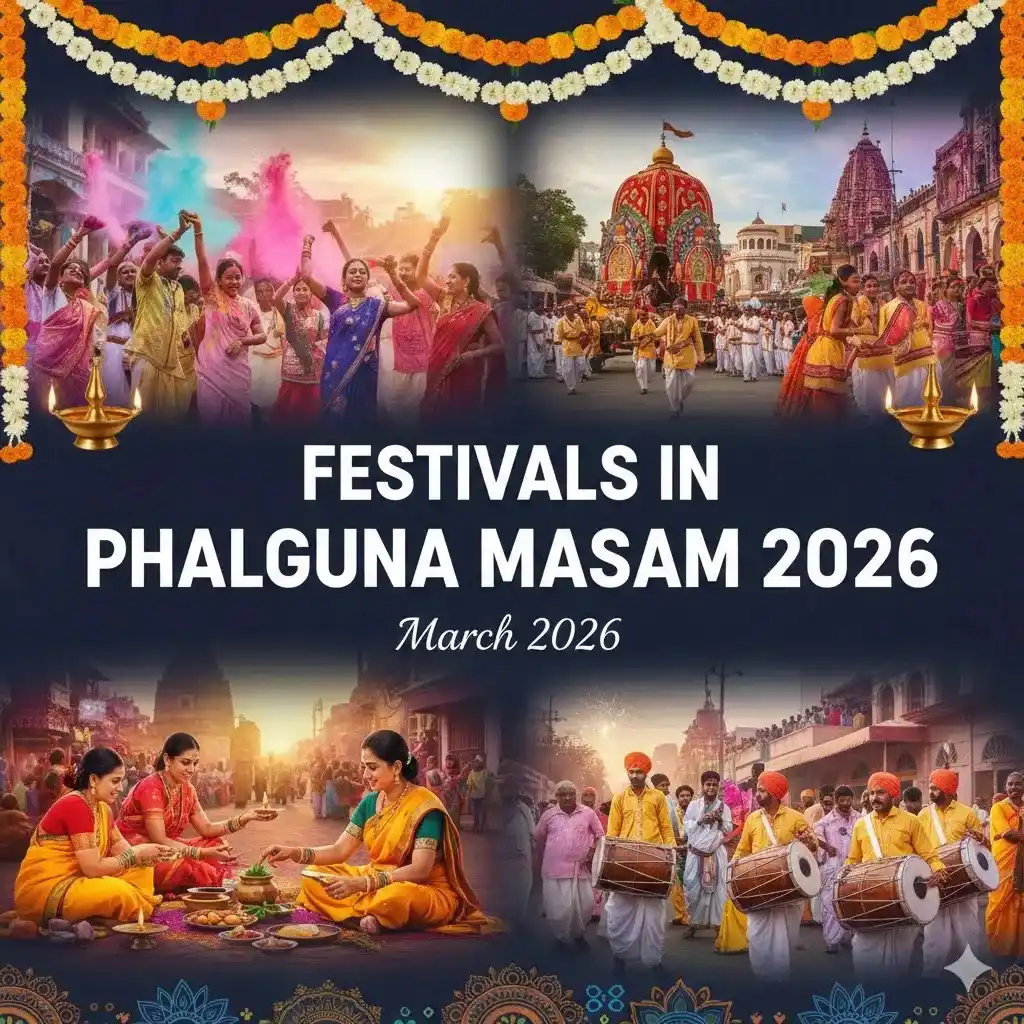
Major Festivals in Phalguna Masam 2026: A Complete Guide to Hindu Celebrations
Phalguna Masam, the twelfth and final month in the Hindu lunar calendar, is one of the most spiritually significant periods of the year.

Phalguna Masam, the twelfth and final month in the Hindu lunar calendar, is one of the most spiritually significant periods of the year.
Phalguna Masam, the twelfth and final month in the Hindu lunar calendar, is one of the most spiritually significant periods of the year. Falling between February and March 2026, this auspicious month brings together some of Hinduism's most celebrated festivals, including Maha Shivaratri and Holi. These festivals mark the transition from winter to spring and symbolize spiritual renewal, devotion, and the triumph of good over evil.
What is Phalguna Masam?
Phalguna Masam is considered highly sacred in Hindu tradition. According to ancient scriptures, this month is particularly favorable for spiritual practices, charitable acts, and worship of Lord Vishnu and Lord Shiva. The month derives its name from the Phalguni nakshatra (constellation) and holds special importance for devotees seeking liberation and divine blessings.
Maha Shivaratri 2026: The Great Night of Lord Shiva
Date and Significance
Maha Shivaratri, one of the most revered festivals dedicated to Lord Shiva, falls on the 14th day of the dark fortnight (Krishna Paksha) in Phalguna month. In 2026, devotees worldwide will observe this sacred night with intense devotion and spiritual fervor.
Religious Importance
Maha Shivaratri holds profound spiritual significance in Hindu mythology:
- Path to Moksha: Believed to be one of the most powerful days for attaining spiritual liberation
- Cosmic Wedding: Commemorates the divine marriage of Lord Shiva and Goddess Parvati
- Overcoming Negativity: Worshipping Shiva on this day helps remove obstacles, sins, and negative karma
- Awakening Consciousness: The night symbolizes the awakening of spiritual consciousness and inner transformation
Traditional Observances
Fasting (Vrat): Devotees observe strict fasting, consuming only fruits, milk, or water. Some maintain a complete fast without food or water for 24 hours.
Abhishekam Rituals: The Shiva Lingam is bathed with sacred substances including:
- Milk (represents purity)
- Honey (sweetness of life)
- Yogurt (prosperity)
- Ghee (victory)
- Sugar (happiness)
- Water from the Ganges (purification)
Night-long Vigil (Jaagaran): Devotees stay awake throughout the night, chanting mantras, singing bhajans, and meditating. The popular chant "Om Namah Shivaya" resonates in temples across the world.
Offerings: Bel leaves (bilva), considered extremely sacred to Lord Shiva, are offered along with flowers, fruits, and incense.
Spiritual Benefits
- Purification of mind and soul
- Removal of past karmic debts
- Protection from negative energies
- Fulfillment of righteous desires
- Enhancement of spiritual awareness
Holika Dahan 2026: The Bonfire of Purification
The Legend Behind Holika Dahan
Holika Dahan, celebrated on the eve of Holi, commemorates the victory of devotion over evil. The festival is rooted in the legend of Prahlad, a young devotee of Lord Vishnu, and his evil aunt Holika.
The Story: King Hiranyakashipu's sister Holika, who was immune to fire, attempted to kill the devoted Prahlad by sitting with him in a blazing fire. However, due to Prahlad's unwavering faith in Lord Vishnu, Holika perished while Prahlad emerged unharmed.
Rituals and Customs
Bonfire Ceremony: Large bonfires are lit in public spaces and communities gather to witness the symbolic burning of evil and negativity.
Offerings: People offer grains, coconuts, and the first harvest of the season into the fire as thanksgiving to the divine.
Purification: Circling the bonfire (pradakshina) is believed to burn away negative energies and sins.
Symbolic Meanings
- Destruction of Ego: The fire represents the burning of pride, jealousy, and arrogance
- Triumph of Faith: Demonstrates that divine protection is available to sincere devotees
- Renewal: Marks the end of winter and welcomes the spring season
Holi 2026: The Festival of Colors and Divine Love
Celebrating the Festival of Joy
Holi, celebrated the day after Holika Dahan, is known worldwide as the Festival of Colors. This vibrant celebration transforms the entire Indian subcontinent into a canvas of joy, laughter, and unity.
Spiritual Significance
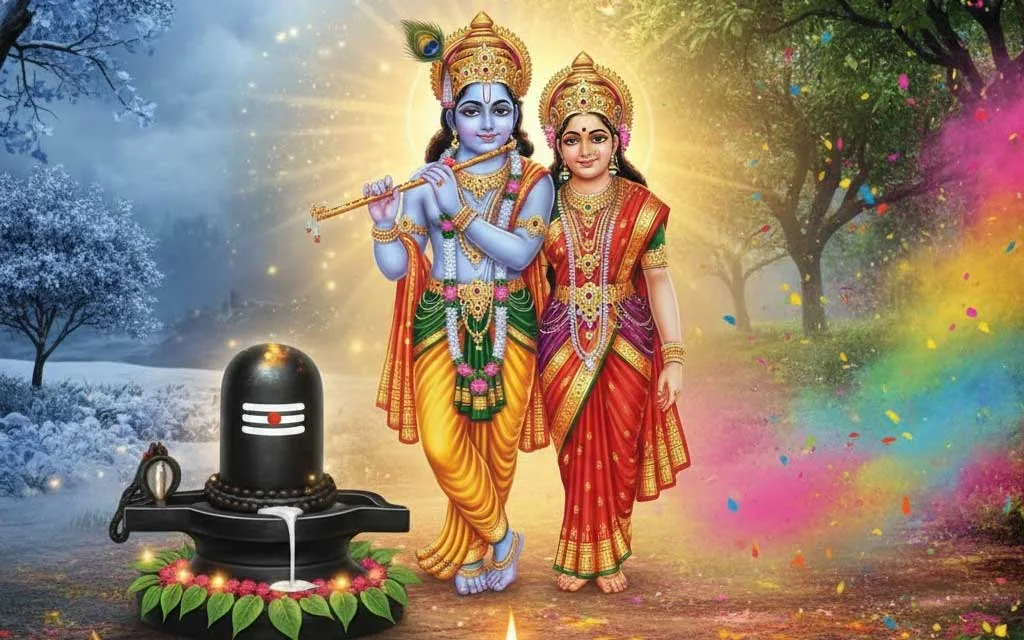
Divine Love of Radha-Krishna: Holi celebrates the eternal, playful love between Lord Krishna and Radha. Krishna's playful nature of coloring Radha and the gopis is reenacted through the throwing of colored powders.
Victory of Good Over Evil: The festival reinforces the message that truth and devotion always triumph over falsehood and wickedness.
Social Harmony: Holi breaks down social barriers as people of all ages, castes, and communities come together in celebration.
Traditional Celebrations
Playing with Colors (Rangwali Holi): People apply gulal (colored powder) and spray colored water on each other, creating a spectacular display of vibrant hues.
Special Delicacies: Traditional sweets like gujiya, malpua, puran poli, and thandai are prepared and shared with family and friends.
Music and Dance: Folk songs, traditional dances, and drum beats (dhol) create an atmosphere of festivity.
Forgiveness and Renewal: The festival encourages people to forgive past grievances, mend broken relationships, and start afresh.
Cultural Variations Across India
- Mathura and Vrindavan: Week-long celebrations with Lathmar Holi and Phoolon ki Holi
- Punjab: Hola Mohalla with martial arts displays
- Bengal: Dol Jatra featuring processions of Radha-Krishna
- South India: Celebrated as Kaman Pandigai with bonfire rituals
Spiritual Practices During Phalguna Masam
Recommended Observances
- Daily Prayers: Regular worship of Lord Vishnu and Lord Shiva
- Charity (Daan): Donations of food, clothing, and money to the needy
- Scriptural Reading: Study of sacred texts like Bhagavad Gita and Shiva Purana
- Meditation: Enhanced spiritual practices for inner purification
- Vegetarian Diet: Many devotees observe vegetarianism throughout the month
Auspicious Activities
- Temple visits and pilgrimages
- Performing homa (fire rituals)
- Recitation of mantras and stotras
- Participating in community service
- Seeking blessings from elders
Preparing for Phalguna Festivals in 2026
Home Preparations
- Clean and purify your living space
- Create a dedicated puja altar
- Stock up on puja materials (flowers, incense, lamps)
- Prepare traditional recipes in advance
- Plan community celebrations responsibly
Sustainable Celebrations
In 2026, consider eco-friendly practices:
- Use natural, herbal colors for Holi
- Avoid synthetic dyes that harm skin and environment
- Conserve water during celebrations
- Use biodegradable materials for decorations
Health and Safety Tips
- Stay hydrated during fasting
- Use skin-friendly, natural colors
- Protect eyes and hair before playing Holi
- Be mindful of allergies and sensitivities
- Celebrate with moderation
Conclusion: Embracing the Spirit of Phalguna Masam
The festivals of Phalguna Masam 2026 offer more than colorful celebrations—they provide profound opportunities for spiritual growth, community bonding, and cultural preservation. Maha Shivaratri invites us to dive deep into devotion and self-realization, while Holika Dahan and Holi remind us to burn negativity and embrace joy, love, and unity.
As we celebrate these ancient traditions in the modern world, let us honor their deeper meanings while spreading happiness, forgiveness, and divine love. May this Phalguna Masam bring spiritual awakening, prosperity, and inner peace to all.
For more insights on Hindu festivals, spiritual practices, and cultural traditions, visit www.hindutone.com regularly. Subscribe to our newsletter for timely updates on upcoming festivals and auspicious dates.
Keywords: Phalguna Masam 2026, Maha Shivaratri 2026, Holi 2026, Holika Dahan, Hindu festivals, Shiva worship, Festival of Colors, Hindu calendar, spiritual celebrations, Indian festivals
Frequently Asked Questions
Which major festivals fall in Phalguna Masam 2026?
Maha Shivaratri, Holika Dahan and Holi are the major festivals. The month falls between February and March 2026.
When is Maha Shivaratri observed in Phalguna month?
Maha Shivaratri falls on the 14th day of the dark fortnight (Krishna Paksha) in Phalguna month. Check your local panchang for the exact date.
How do devotees observe Maha Shivaratri?
Devotees fast, bathe the Shiva Lingam with milk, honey, yogurt, ghee, sugar and Ganges water, and stay awake all night chanting "Om Namah Shivaya". Bel leaves, flowers, fruits and incense are offered.
What is the legend behind Holika Dahan?
As commonly told, Holika, the fire-proof sister of King Hiranyakashipu, sat in a blazing fire with the Vishnu devotee Prahlad. Holika perished while Prahlad emerged unharmed.
How can Holi be celebrated in an eco-friendly way?
Use natural, herbal colors and avoid synthetic dyes that harm skin and the environment. Conserve water and use biodegradable materials for decorations.
You might also like

Phalguna Masam 2026: Significance, Rituals & Benefits

Phalguna Masam 2026: Spiritual Significance, Festivals, Rituals & Divine Benefits
Phalguna Masam 2026: End Date, Start Date, Importance, Rituals & Festivals